

By Diogo Borges Ferreira
Published: October 05, 2026
Main Facts
The world currently generates roughly 2.56 billion metric tonnes of municipal solid waste annually, a figure driven primarily by urban consumption, rapid industrialization, and globalized supply chains. According to updated data from the World Bank’s What a Waste 3.0 report, this volume is on a relentless trajectory to reach nearly 4 billion metric tonnes by 2050 under business-as-usual scenarios.
A significant portion of this refuse is compressed, layered, and graded into engineered and unengineered landforms at the urban periphery. Far from being passive receptacles, modern landfills and dumpsites function as massive territorial interventions. They represent a fundamental paradox of modern civilization: while architectural discourse has historically prioritized what cities build up, the invisible geography of waste dictates what societies build under.
The architecture of disposal reveals deep systemic inequities. Wealthy nations—representing a minor fraction of the global population—disproportionately drive municipal waste production and externalize its physical footprint. Conversely, lower-income regions in the Global South absorb millions of tonnes of mismanaged domestic refuse, hazardous exports, and discarded electronic goods. The modern landfill, therefore, operates not only as a feat of civil engineering, but as a legible map of global inequality, environmental injustice, and geopolitical maneuvering.
Chronology: A History of Accumulation and Externalization
To understand how contemporary waste landscapes are constructed, one must trace the timeline of large-scale urban refuse management and international policy:

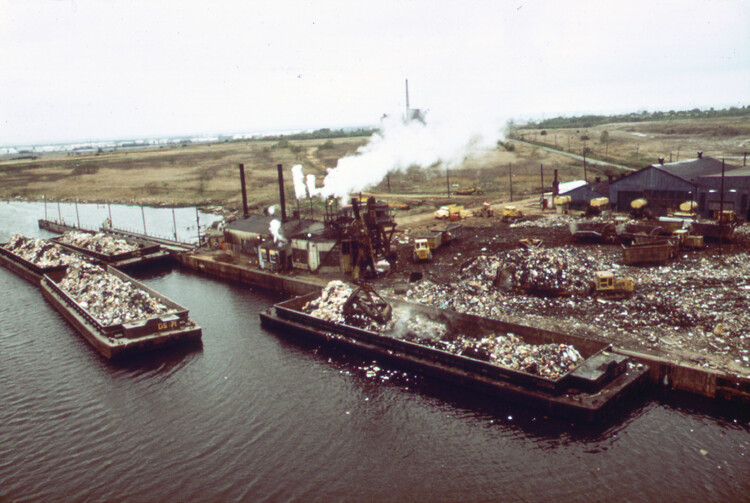
- 1948: Urban planner Robert Moses establishes the Fresh Kills Landfill on the western shore of Staten Island, New York. Originally intended as a temporary marshland reclamation project, it quickly expands due to cheap land values and expendable geography.
- 1955: Fresh Kills scales up operations rapidly, eventually becoming the largest landfill in the world, receiving up to 29,000 tons of refuse per day at its 1991 peak and eventually covering 2,200 acres—three times the size of Central Park.
- 1973: Archaeologist William Rathje launches the Garbage Project at the University of Arizona, pioneering "garbology"—the systematic excavation of landfills to study actual consumption patterns versus self-reported census data.
- 1988: The Koko incident in Nigeria exposes widespread illegal hazardous waste trading, as Italian firms pay local landowners a nominal fee to bury 3,800 tons of toxic industrial chemicals.
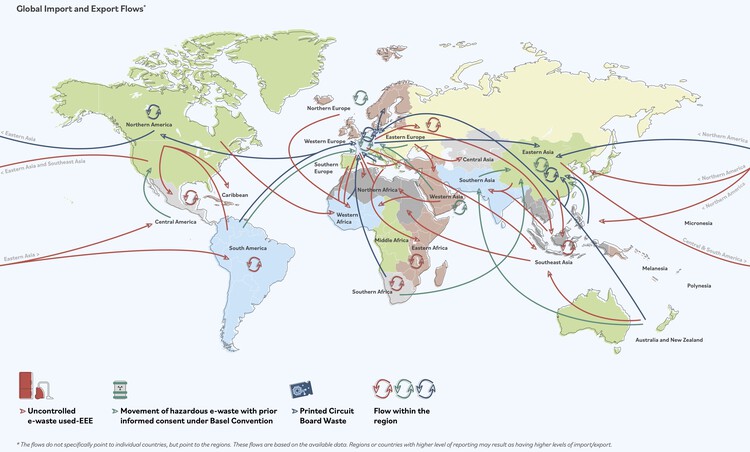
- 1989: The international community adopts the Basel Convention to regulate and restrict the transboundary movement of hazardous wastes from developed to developing nations, though compliance remains heavily contested and incomplete.
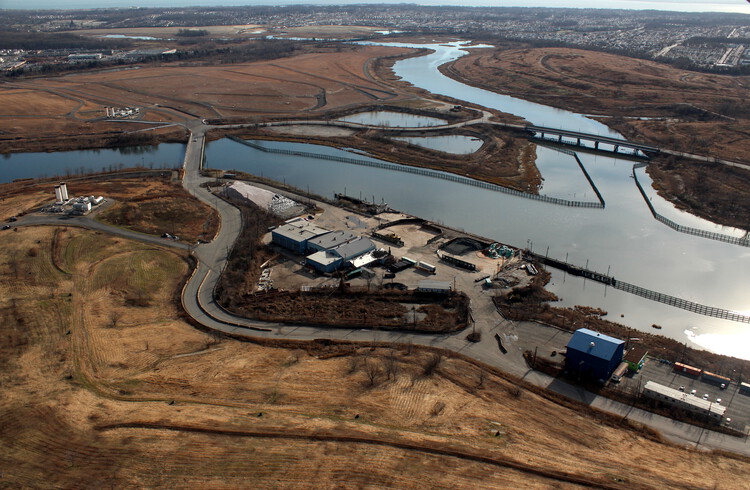
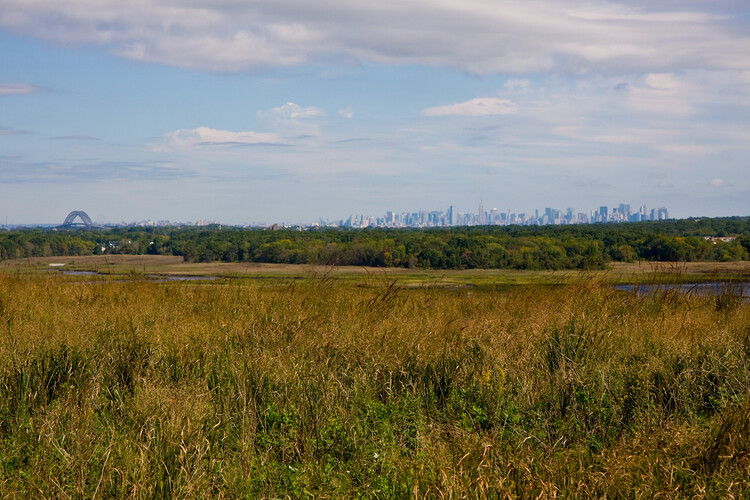
- 2001: Following decades of environmental degradation and community advocacy, Fresh Kills closes its intake gates. James Corner Field Operations wins the international design competition to transform the monumental trash mounds into Lifescape, a 30-year park reclamation project.
- 2018: China enacts its National Sword policy, abruptly halting the import of foreign plastic waste. This regulatory shift triggers a massive rerouting of global waste streams toward Southeast Asian nations such as Malaysia, Indonesia, Vietnam, and Turkey.
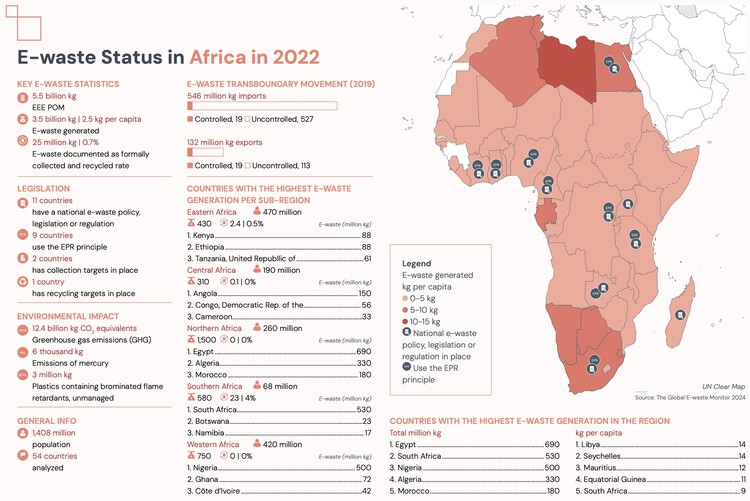
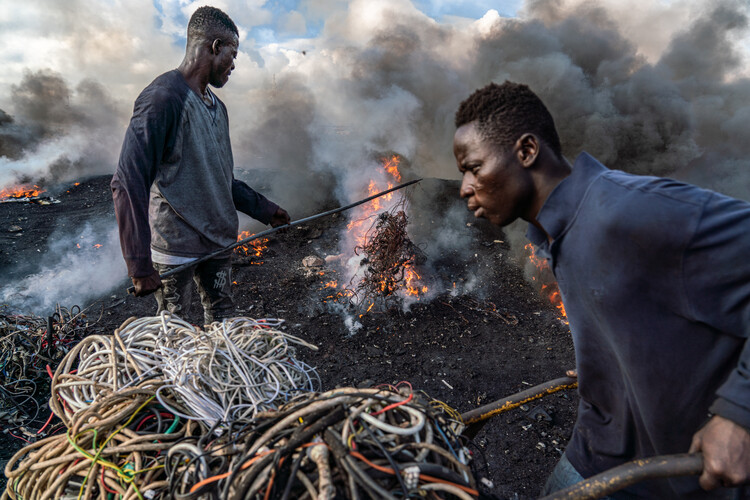
- 2021: The Greater Accra Regional Minister orders the violent demolition of the Agbogbloshie e-waste scrapyard in Ghana, framing the eviction of thousands of informal recycling workers as an urban "beautification" and hygiene initiative.
- 2026: The World Bank publishes What a Waste 3.0, projecting that global solid waste generation will surge by 50% by mid-century, intensifying pressures on peripheral infrastructure and marginalized host communities worldwide.
Supporting Data: Metrics of Consumption and Inequity
Quantifying the global waste crisis exposes the profound disparity between resource-rich and resource-poor territories:
- Global Generation Scale: The world produces approximately 2.56 billion metric tonnes of municipal solid waste per year, with projections indicating a rise to 3.86 billion tonnes by 2050.
- The North-South Divide: High-income countries house roughly 16% of the global population yet account for nearly 34% of the world’s municipal solid waste.
- Open Dumping Realities: According to World Bank assessments, over 90% of municipal solid waste in low-income nations is disposed of in unregulated open dumpsites or burned in the open air, lacking the protective geosynthetic liners and leachate systems found in affluent countries.
- The Plastic Trade: Approximately 5 million tonnes of plastic waste are traded globally each year. Research published in Grist highlights that official UN figures undercount this volume by 1.8 million metric tonnes annually due to "hidden" plastics embedded within textiles and contaminated paper bales.
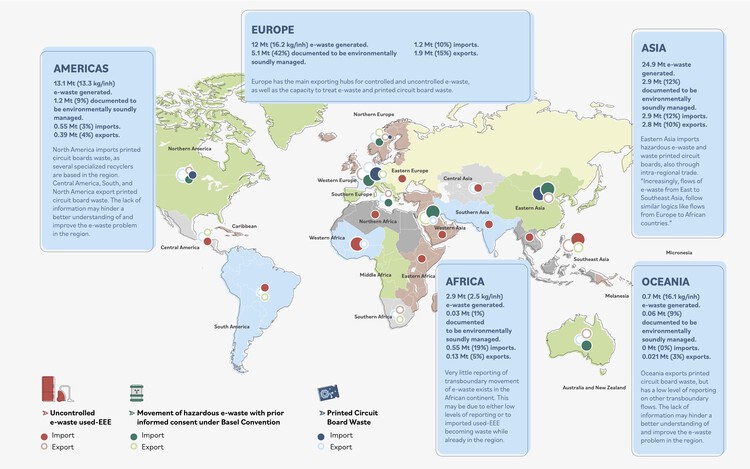
- E-Waste Flows: Ghana alone processes hundreds of thousands of tonnes of electronic waste annually—both domestic and imported from Europe and North America—sustaining an informal local economy that employs thousands of migrant workers.
- Voluntary Carbon Offsets: The voluntary carbon market has expanded rapidly toward a projected $250 billion valuation by 2050. A major share of offset generation relies on land-based projects in the Global South, which frequently yield negligible local employment—averaging just 0.08 jobs per 100 hectares involved—while risking Indigenous displacement.
Official Responses and Institutional Positions
The governance of waste management and territorial degradation involves starkly contrasting institutional stances:
1. Municipal Reclamation and Ecological Engineering
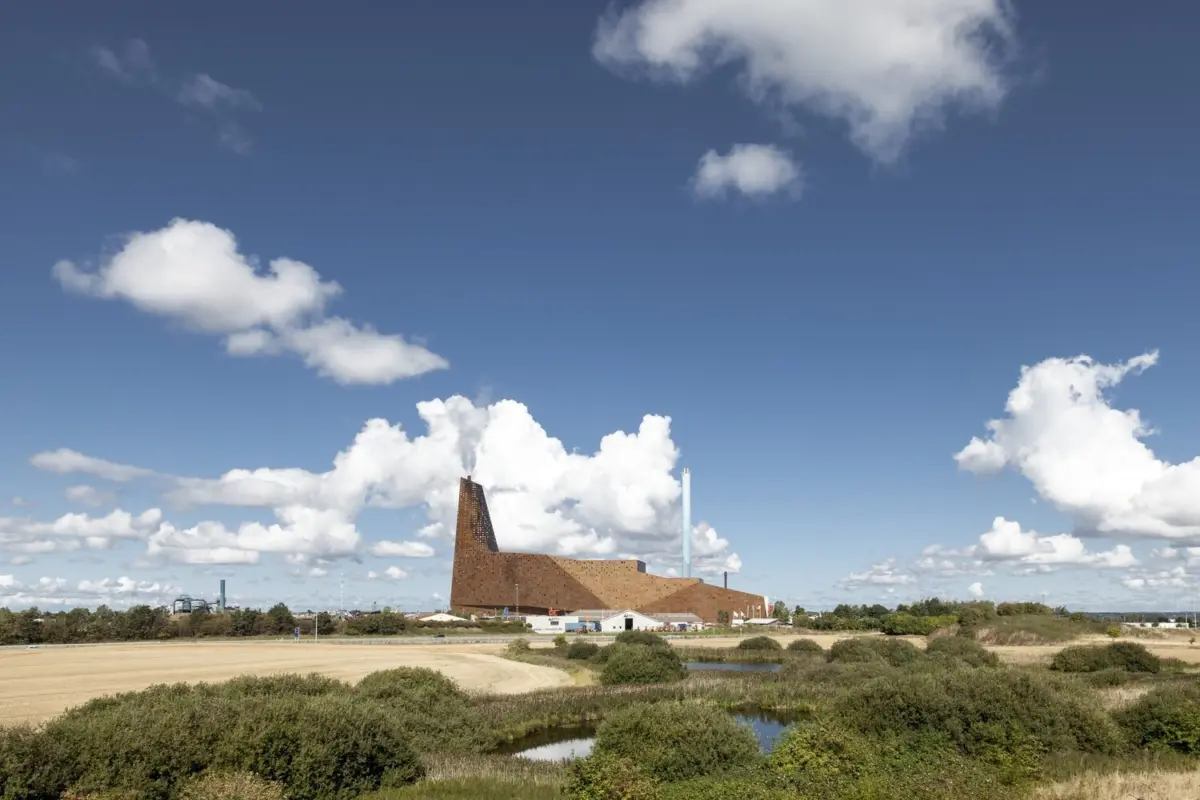
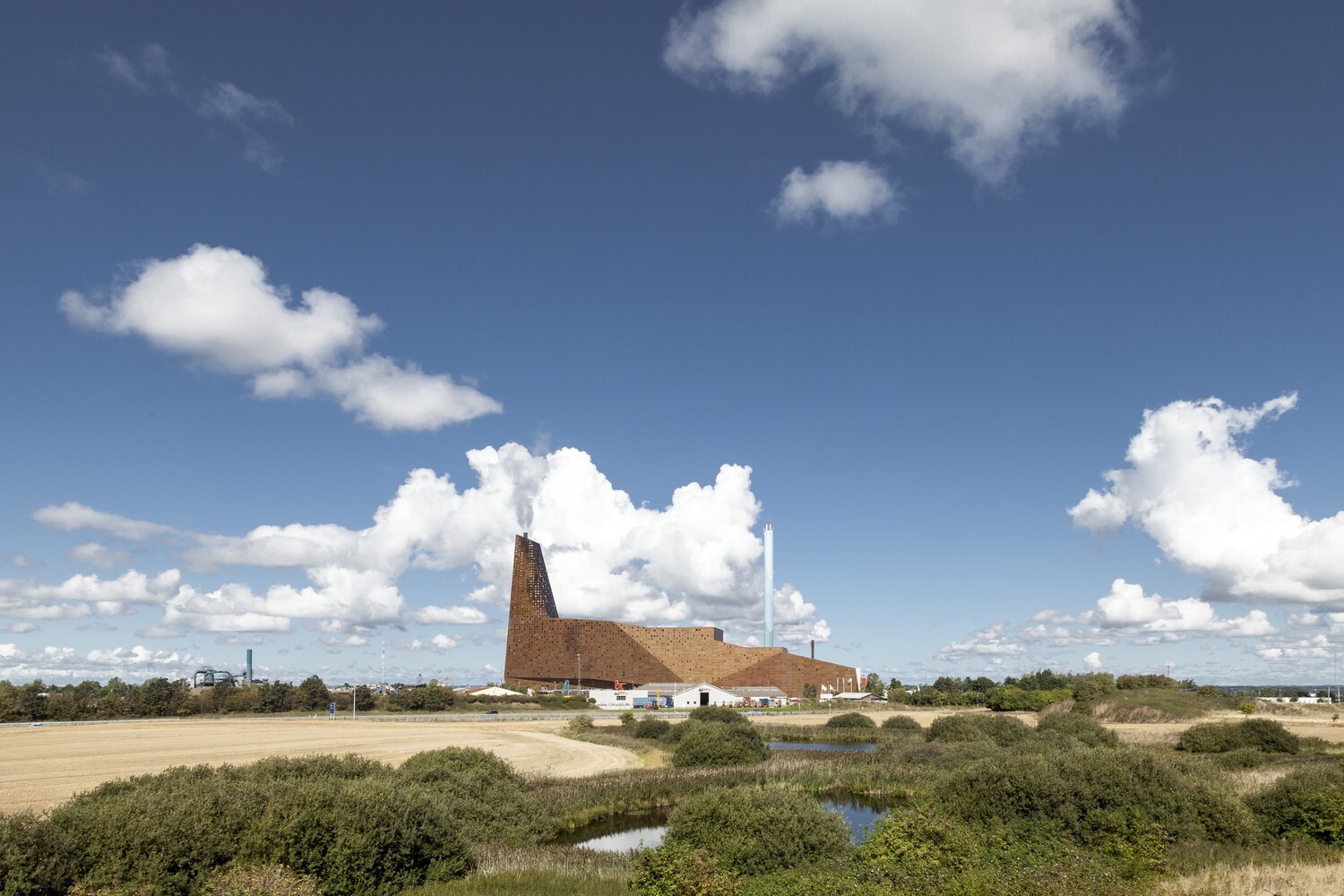
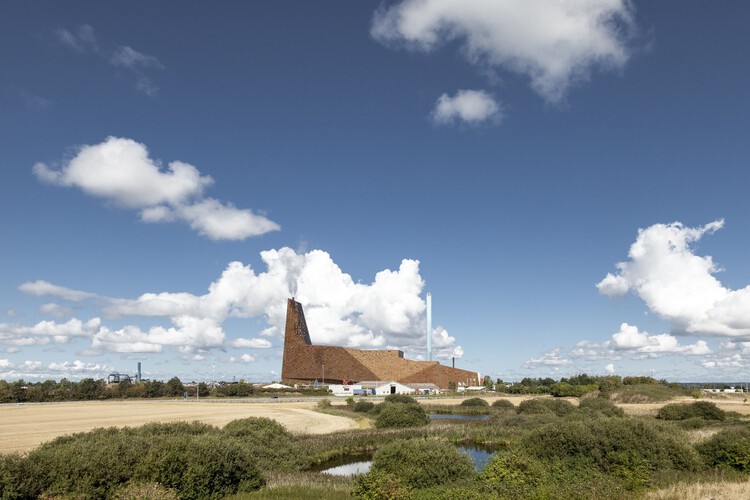
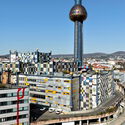
In cities like New York, Copenhagen, and Munich, municipal authorities and design firms have attempted to re-integrate waste infrastructure into the public imagination. Projects like James Corner Field Operations’ master plan at Fresh Kills, BIG’s CopenHill waste-to-energy plant (featuring an urban ski slope), and Munich’s Olympiapark (built over war debris) demonstrate that architecture can transform post-industrial scars into public amenities. These initiatives use methane-capture systems, soil capping, and wetland restoration to neutralize environmental hazards. However, critics note these projects often act as institutional memory management—sanitizing the physical evidence of urban consumption to make landscapes look as though they were always meant to be parkland.
2. International Regulatory Frameworks
The Basel Convention represents the primary international multilateral treaty designed to protect human health and the environment against the adverse effects of hazardous wastes. Despite its mandate, enforcement remains structurally weak. Major industrial powers—most notably the United States—have failed to ratify the convention, allowing hundreds of millions of pounds of plastic and electronic waste to flow unrestricted across borders into nations with lower regulatory enforcement capacities.
3. Grassroots Environmental Justice
Sociologist Robert Bullard’s foundational work, Dumping in Dixie, established that hazardous facilities, landfills, and industrial pollution are systematically sited in low-income and minority communities due to suppressed political agency. This dynamic underpins modern environmental justice movements, which reject the neutral framing of municipal planning and expose how urban "revanchism"—such as the 2021 demolition of Accra’s Agbogbloshie scrapyard under the banner of urban hygiene—displaces informal laborers while leaving structural consumption unaddressed.
Implications for Architecture and Urbanism
As global waste generation accelerates toward the 2050 projections outlined by the World Bank, the architectural profession faces an existential reckoning regarding its relationship with the ground.
For decades, mainstream architectural practice has focused primarily on the superstructure—the glittering facades, efficient structural systems, and optimized interior layouts of buildings. Yet, every square meter of urban development leaves a corresponding shadow beneath the surface: the quarries from which materials are extracted, the carbon emitted during transport, and the eventual grave where demolished structures and discarded goods are interred.
The rapid expansion of peripheral landfills, incineration plants, and transboundary trade routes implies that more communities will be forced to host the physical externalities of metropolitan consumption. Architects, urban planners, and policy-makers can no longer afford to treat infrastructure as an isolated engineering problem relegated to the margins of maps.
Ultimately, architecture’s response to the politics of waste will define its ethical trajectory in the 21st century. Whether the discipline chooses to design better containment facilities, advocate for circular economies, or question the fundamental socioeconomic systems that render certain lands and populations disposable will determine whether design continues to conceal inequality—or actively helps dismantle it.
