

By Zachary McAuliffe
Senior Writer, Technology & Mobile
Introduction: The Anticipation of iOS 27
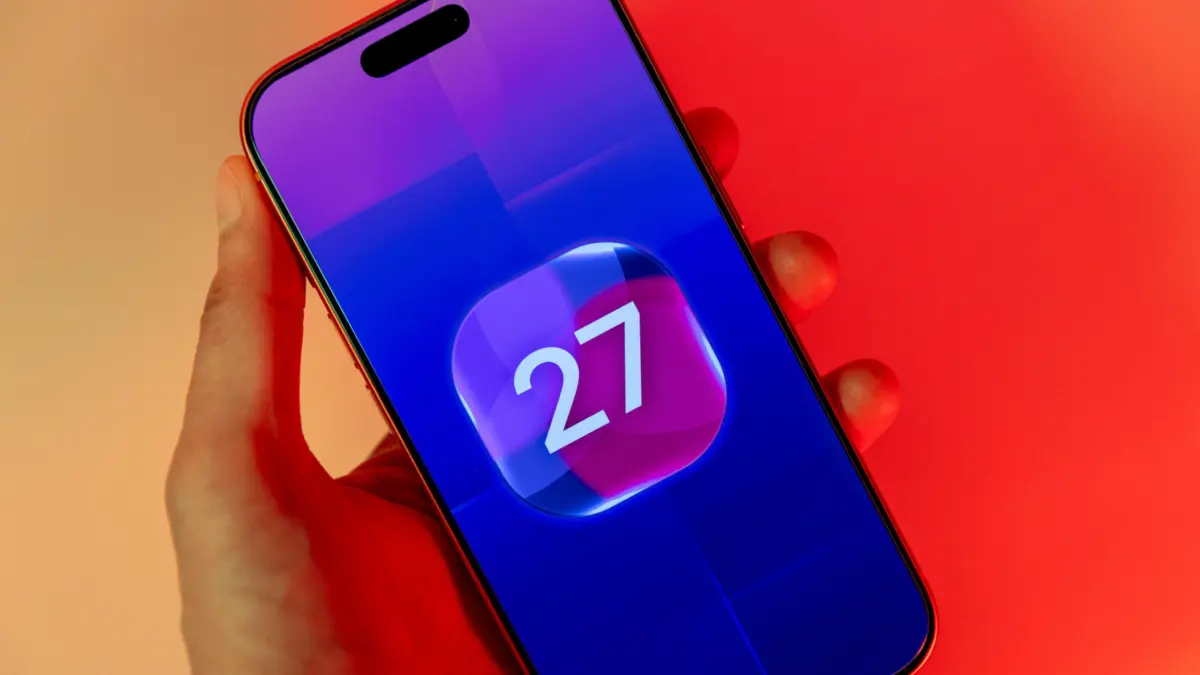
Apple first pulled back the curtain on iOS 27 during its annual Worldwide Developers Conference (WWDC) in June. Since then, the technological ecosystem has been abuzz as developers and public beta testers put the software through its paces across multiple iterative beta releases. For everyday iPhone users, these test builds have provided a tantalizing glimpse into the future of mobile computing—most notably highlighting advanced Siri AI integrations and a suite of refined quality-of-life enhancements that are poised to redefine how we interact with our handheld devices.
While Apple has officially maintained its standard, broad-strokes public stance—promising that iOS 27 will roll out to general users sometime "this fall"—the tech giant’s notoriously tight-lipped approach leaves millions of eager consumers guessing about the exact calendar day they can hit the upgrade button.
Fortunately, Apple is a creature of habit. By examining historical release trends, analyzing past keynote event schedules, and mapping out the precise cadence of previous software deployments, we can decode Apple’s operational playbook. If history serves as our guide, you won’t have to wait nearly as long as official statements imply. In fact, iOS 27 is shaping up to land on compatible iPhones sooner than many expect: Monday, September 14.
Main Facts: What We Know About the iOS 27 Rollout
Before diving into the predictive mathematics of the release calendar, it is essential to contextualize what iOS 27 represents for the broader Apple ecosystem. Unveiled at WWDC in June 2026, iOS 27 is the culmination of Apple’s multi-year push into deeply integrated machine learning and generative artificial intelligence.
- The Developer and Beta Phase: Throughout the summer, Apple has pushed out successive beta iterations to registered developers and public testers. These builds have stabilized core features, ironed out early-stage bugs, and showcased a reimagined, more conversational Siri AI that has won over even longtime skeptics of Apple’s voice assistant.
- The Official Window: Apple’s official public messaging points exclusively to a "fall" release window. This is standard operating procedure for the Cupertino-based company, which traditionally refrains from locking in a definitive software release date until the hardware-focused September special event concludes.
- The Catalyst Event: Apple has officially scheduled its upcoming special event—tentatively dubbed the "Surprise and Shine" event—for Wednesday, September 9. This keynote will serve as the launchpad for the next generation of flagship iPhone hardware, setting the dominoes in motion for the accompanying software ecosystem.
Chronology of the Fall Release Window
To understand how a mid-September release date is calculated, one must look at the predictable chronology of Apple’s autumn product cycle. For well over a decade, Apple has utilized a tightly managed, highly synchronized operational calendar that bridges late summer hardware announcements with mid-September software deployments.

The Standard Post-Event Countdown
Historically, Apple rarely leaves a wide chasm between the unveiling of its flagship September hardware and the distribution of its major iOS updates. Once the keynote concludes and the media hands-on sessions wrap up, the final "Gold Master" or Release Candidate (RC) build of the operating system is pushed to developers. Within days, that same software is cleared for public consumption.
Looking back at the trajectory of recent operating system milestones proves how rigid this timeline has become:
- iOS 17 (2023): Unveiled at the September event, released to the public shortly thereafter on Monday, September 18.
- iOS 18 (2024): Following Apple’s September 9 event, the software dropped exactly seven days later on Monday, September 16.
- iOS 26 (2025): Mirroring the previous year’s cadence, Apple held its hardware event on September 9, 2025, and subsequently pushed iOS 26 live to the public on Monday, September 15.
In fact, stepping back across the broader canvas of the last ten years reveals that Apple has only deviated from a sub-week turnaround once. In 2019, an outlier year, it took nine days post-event for the next major iOS iteration to hit consumer devices. Every other year in recent memory has adhered strictly to a window of five to seven days.
Supporting Data: The Monday Morning Trend
While establishing that an iOS release typically occurs within a week of the September keynote narrows the field considerably, we can pinpoint the exact day of the week with remarkable accuracy by analyzing long-term behavioral trends within Apple’s software engineering division.
Over the past five consecutive years, Apple has systematically chosen a specific day of the week to pull the trigger on its major iOS updates: Monday.
Analyzing the Data Points:
- Consistency Over Convenience: Rather than dropping software mid-week—which can create massive server congestion and complicate enterprise IT support windows—Apple has favored the beginning of the work week.
- The Post-Event Monday Rule: In both 2024 and 2025, the September hardware events fell on a Tuesday (September 9), and the software updates went live precisely six days later on the following Monday.
- The 2026 Projection: With Apple’s upcoming September event officially slated for Wednesday, September 9, 2026, counting forward using the established five-to-seven-day window lands squarely on Monday, September 14.
This predictive track record is not built on guesswork alone. Accurate forecasts successfully anticipated the precise rollout dates for iOS 17 in 2023, iOS 18 in 2024, and iOS 26 in 2025. The operational data indicates that the Monday post-event release has officially transitioned from a recurring coincidence into Apple’s standard operational norm.

Official Responses and Corporate Posture
As is customary, Apple has maintained a guarded stance regarding the exact release date of iOS 27. When contacted for comment, corporate representatives reiterated the standard company policy: software updates are designated for a broad autumn release window, allowing the engineering teams maximum flexibility to polish the user experience.
However, industry analysts note that the company’s meticulous supply chain management and tightly choreographed marketing schedules leave little room for unexpected delays. The stability of the current beta builds—particularly regarding the resource-heavy Siri AI features—suggests that the development team is well ahead of schedule.
During recent developer sessions at WWDC, Apple executives emphasized that iOS 27 represents a foundational shift in on-device machine learning capabilities. Ensuring that these systems integrate seamlessly with the silicon powering the upcoming hardware lineup requires a synchronized launch. Consequently, while Apple refuses to officially ink the September 14 date on its public calendar, internal testing milestones strongly imply that the software release candidate will be signed off on schedule immediately following the September 9 keynote.
Implications for Developers, Enterprises, and Everyday Users
The imminent arrival of iOS 27 carries wide-ranging implications for various segments of the tech ecosystem, from enterprise networks to casual smartphone owners.
1. For Everyday Consumers
If you are currently running the public beta of iOS 27, the transition to the official public release will be seamless, typically requiring only a minor patch download. For users still on iOS 26, the update will introduce profound changes to daily smartphone interaction. The integration of advanced Siri AI capabilities means a shift away from rigid, keyword-based commands toward fluid, conversational computing. Users should prepare for a modernized interface, enhanced privacy controls, and optimized battery management tailored for next-generation hardware.
2. For App Developers and Third-Party Ecosystems
Developers face a compressed timeline. With the public release expected on September 14, third-party app creators have only days after the September 9 hardware event to ensure their applications are fully optimized for iOS 27 APIs. Failing to update apps prior to the mass consumer migration can lead to compatibility glitches, driving down user ratings and engagement during the crucial holiday launch window.

3. For Enterprise and IT Administrators
Corporate IT departments managing fleets of corporate-owned iPhones must use the impending September 14 release date to test internal applications against the final iOS 27 build. While enterprise deployment policies often recommend delaying major OS upgrades until the first point-release (e.g., iOS 27.1), the heavy emphasis on security and AI-driven productivity features in iOS 27 may prompt accelerated testing protocols across enterprise environments this autumn.
Conclusion: Preparing for September 14
Apple’s product ecosystem operates with the precision of a Swiss watch. While the tech giant prefers to keep its cards close to its chest by officially promising only a "fall" release for iOS 27, the historical data tells a much more definitive story.
When factoring in the confirmed September 9 special event, the unbroken five-year streak of Monday software deployments, and the remarkably stable progression of the summer beta cycle, all signs point to a single, predictable outcome. Barring any unforeseen, catastrophic software bugs discovered at the eleventh hour, iPhone users can safely mark their calendars: iOS 27 will officially arrive on Monday, September 14.
Until then, eager users can continue exploring the public beta builds to familiarize themselves with the new Siri AI architecture, ensuring they are fully prepared the moment Apple opens the floodgates for the rest of the world.
