

Main Facts
The commercial construction and building envelope maintenance sectors are experiencing a period of rapid evolution, driven by a combination of tightening municipal safety regulations, climate-induced architectural requirements, and a persistent labor shortage. At the center of this transition is the commercial roofing supply chain, which must continuously adapt to provide the specialized equipment necessary to execute both legacy roofing methodologies and cutting-edge, sustainable building practices.
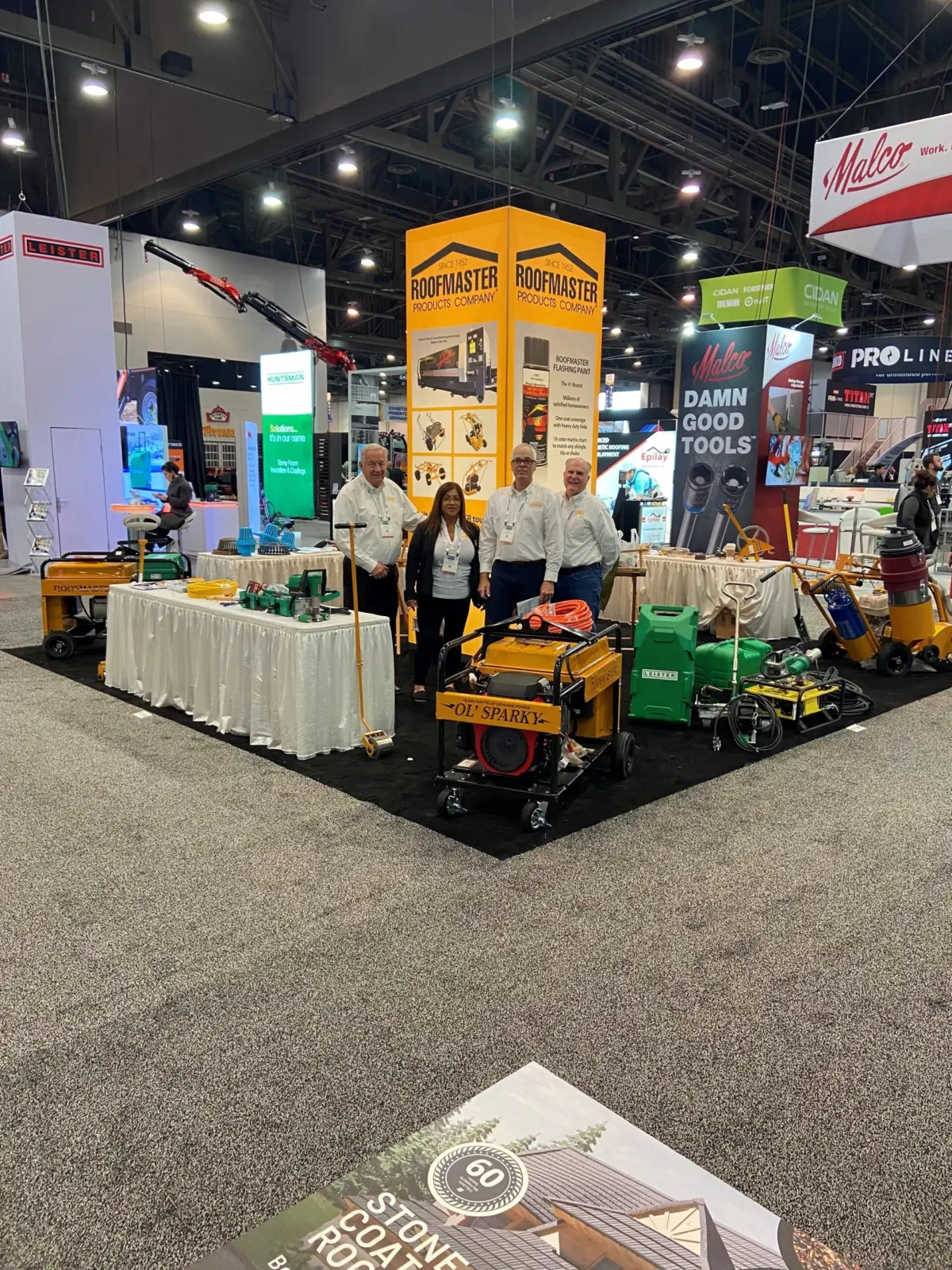
A comprehensive analysis of the product architecture of Roofmaster Products—a major player in the manufacturing and distribution of commercial roofing tools and equipment—reveals the sheer scale of modern roofing logistics. The company’s portfolio spans hundreds of highly specialized product categories, ranging from traditional heavy-duty on-deck machinery to advanced safety systems and climate-resilient drainage solutions.
This extensive catalog highlights five primary pillars of the modern roofing equipment sector:
- Thermal and Chemical Application Systems: Traditional Built-Up Roofing (BUR) equipment, including asphalt kettles, tankers, pump parts, and heavy-duty applicators.
- Single-Ply and Synthetic Membrane Tools: High-precision hot air welders, specialized adhesive rollers, steel and rubber rollers, and LPG-fueled torches designed for modern thermoplastic polyolefin (TPO), ethylene propylene diene monomer (EPDM), and polyvinyl chloride (PVC) roofs.
- Water Management and Drainage Infrastructure: Retrofit and new-installation drains fabricated from aluminum, copper, and cast iron, alongside overflow systems and scuppers designed to mitigate structural water accumulation.
- OSHA-Compliant Fall Protection and Site Safety: Comprehensive fall arrest systems, perimeter warning lines, roof anchors, and specialized personal protective equipment (PPE).
- On-Deck Material Handling and Demolition (Tear-Off) Systems: Powered and non-powered hoisting equipment, conveyors, trash chutes, and specialized pneumatic tear-off machinery designed to optimize labor efficiency on-site.
As building codes become more stringent and building owners demand longer-lasting, energy-efficient roofs, the equipment used by contractors has shifted from generic construction tools to highly specialized, engineered solutions.
Chronology of Commercial Roofing Technology and Supply Demands
The evolution of Roofmaster’s product lines mirrors the historical development of the commercial roofing industry over the past half-century. Understanding this timeline explains why modern distributors must maintain such diverse and seemingly disparate inventories.
+-----------------------------------------------------------------------------+
|                                CHRONOLOGY                                   |
+-----------------------------------------------------------------------------+
|                                                                             |
|  1970s–1980s: BUR & Asphalt Dominance                                       |
|  - High reliance on raw bituminous materials.                               |
|  - Key supplies: Kerosene/LP kettles, tanker pumps, cotton mops, feltlayers.|
|                                                                             |
|  1990s: Rise of Single-Ply Membranes                                        |
|  - Introduction of TPO, EPDM, and PVC.                                      |
|  - Demand shifts to hot air welders, silicone rollers, adhesive applicators.|
|                                                                             |
|  2000s: Stringent OSHA Fall Protection Standards                            |
|  - Increased enforcement of safety regulations on low-slope roofs.         |
|  - Inventory expands to include mobile roof anchors, harnesses, warning lines.|
|                                                                             |
|  2010s: Climate-Resilient Infrastructure & Retrofitting                     |
|  - Focus on sustainable water management due to severe weather events.      |
|  - Proliferation of insert/retrofit drains (aluminum, copper, plastic).     |
|                                                                             |
|  Present: Automation, Spray-Applied Coatings, & Solar Integration           |
|  - High labor costs drive demand for powered hand tools and spray systems.  |
|  - Solar-ready decks (CommDeck) and specialized coatings (GranuleMaster).   |
+-----------------------------------------------------------------------------+
The Era of Hot Asphalt and Built-Up Roofing (1970s–1980s)
During this period, commercial roofing was dominated by Built-Up Roofing (BUR) systems, which required melting solid asphalt in high-temperature kettles and applying it in layers with organic or fiberglass felts. Supply demands during this era were characterized by heavy machinery: LP- and kerosene-fired kettles, high-tolerance pump parts, metal litewall tubing, tanker accessories, feltlayers, and cotton mops.
The Single-Ply Revolution (1990s)
The introduction of synthetic single-ply membranes revolutionized the industry. TPO, EPDM, and PVC offered faster installation and superior reflectivity compared to dark, heat-absorbing asphalt. This technological pivot required distributors to rapidly introduce a new class of equipment: high-precision hot air welders, specialized seam testers, modified bitumen torches, and adhesive application rollers.
The Safety and Regulatory Crackdown (2000s)
As the Occupational Safety and Health Administration (OSHA) increased its focus on fall prevention—historically the leading cause of fatalities in construction—the demand for safety equipment skyrocketed. Roofmaster and other suppliers expanded their offerings to include highly engineered fall arrest harnesses, temporary and permanent roof anchors, perimeter warning lines, and warning signs to ensure contractors avoided catastrophic liabilities and costly stop-work orders.
Climate Adaptation and the Retrofit Boom (2010s)
Increasingly severe storm events and changing municipal codes forced a focus on roof drainage. Rather than completely tearing down and replacing structural roof decks, the industry saw a massive surge in the use of retrofit drains. These inserts allowed contractors to restore drainage integrity quickly using aluminum, copper, or plastic inserts without disturbing the existing structural plumbing.
The Modern Era of Labor Efficiency and Smart Tech (Present)
Today, the primary challenge facing commercial roofing contractors is a severe shortage of skilled labor. This has driven the adoption of powered tear-off equipment, automated spraying systems (such as the GranuleMaster and WarmMaster systems), and labor-saving fasteners like pre-assembled deck screws and tube-lok systems. Additionally, the integration of rooftop solar and satellite systems has led to specialized mounting accessories, such as the CommDeck system for composition shingle and tile applications.
Supporting Data: Portfolio and Segment Analysis
An analysis of inventory structures reveals the sheer volume of component parts required to keep a commercial roofing crew operational. Below is a breakdown of key product categories and their mechanical or structural relevance to modern construction standards.
| Product Segment | Key Component Categories | Primary Industrial Function |
|---|---|---|
| Water Management | Aluminum/Copper/Plastic Retrofit Drains, Cast Iron Sump Drains, Clamping Rings, Combo/Overflow Drains, Scuppers | Prevents structural collapse from water ponding; ensures code compliance for stormwater runoff. |
| Thermal Application | LP/Kerosene Kettles, Kettle Valves, Kettle Pumps, Litewall Tubing, Burners, Tanker Accessories | Melts and pumps bituminous materials for asphalt-based roofing systems. |
| Single-Ply & Synthetic | Hot Air Welders, Steel/Rubber Rollers, Adhesive Rollers, Modified Bitumen LP Torches, Seam Testers | Fuses synthetic thermoplastic sheets to create a monolithic, waterproof barrier. |
| Fall Protection | Fall Arrest Harnesses, Mobile Roof Anchors, Perimeter Warning Lines, Warning Cones & Tapes | Protects workers from low-slope roof edges; ensures compliance with OSHA Subpart M. |
| Material Handling | Conveyors (FBR/HSDF parts), Powered Hoists, Turntables, Material Handling Carts, Trash Chutes | Moves tons of gravel, insulation, and membrane rolls from ground level to the roof deck. |
| Demolition & Tear-Off | Powered Tear-Off Equipment, Tear-Off Bars, Spades, Scoop Shovels, Debris Tarps | Strips degraded roofing membranes down to the structural deck. |
The Complexity of Drainage Infrastructure
Of particular note in the data is the granularity of the drainage category. Proper drainage is no longer just a plumbing concern; it is a critical structural engineering requirement.
The presence of specialized sub-categories—such as Large Sump Cast Iron Drains, Medium Sump Cast Iron Drains, Small Sump Cast Iron Drains, Side Outlet Drains, and Combo/Overflow Drains—proves that modern roofers must tailor their water-mitigation strategies to the precise physical layout and load-bearing capacity of each individual structure.
The integration of overflow drains is particularly critical; these systems act as a secondary defense mechanism, preventing catastrophic roof collapse if primary drains become clogged with debris during extreme weather events.
Official Responses and Industry Perspectives
Industry representatives and supply chain experts emphasize that the sheer breadth of specialized equipment is a direct response to a changing regulatory landscape and the evolution of building materials.
On Labor Shortages and Automation
According to industry analysts at the National Roofing Contractors Association (NRCA), the commercial roofing sector has struggled to attract younger workers to manual labor roles. In response, equipment manufacturers have had to innovate.
"We are seeing an unprecedented push toward automation on the roof deck," says Marcus Vance, an independent construction logistics consultant. "When you look at specialized machinery like powered tear-off equipment, automated spraying rigs, and advanced conveyors, these aren’t luxury items anymore. They are survival tools for contractors who simply cannot find enough laborers to manually shovel rock, scrape asphalt, or carry heavy rolls of membrane."
On OSHA Enforcement and Safety Culture
Safety directors from leading commercial contracting firms note that the financial consequences of safety non-compliance have never been higher.
"An OSHA citation for a single unprotected roof edge can easily run into tens of thousands of dollars, not to mention the astronomical rise in worker’s compensation insurance premiums following an accident," explains Sarah Jenkins, a regional safety coordinator. "Because of this, the safety segment of the supply chain has transitioned from basic ropes and warning flags to sophisticated, engineered fall arrest systems. Contractors demand heavy-duty, certified roof anchors and high-performance harnesses that can be deployed quickly and reliably."
Implications for the Construction and Real Estate Sectors
The structure of the modern commercial roofing supply chain has profound implications for the broader commercial real estate, construction, and insurance industries.
1. Supply Chain Resilience and Project Timelines
Because commercial roofing projects require an incredibly diverse array of highly specific parts—such as specialized Carbide Blades for Roof Saws, Coil Nails for Button Kaps, or Kettle Engine Replacement Parts—any disruption in the supply chain can immediately halt a multi-million-dollar construction project.
Contractors are increasingly moving away from "just-in-time" ordering and are instead partnering with comprehensive, single-source distributors who maintain deep inventories of both primary equipment and obscure replacement parts. If a specialized conveyor belt or kettle pump fails mid-project, having immediate access to FBR or HSDF conveyor parts is the difference between meeting a deadline or facing severe liquidated damages.
2. The Green Building Transition and Energy Efficiency
The commercial building envelope is a primary target for energy reduction initiatives. Reflective single-ply membranes, green vegetative roofs, and rooftop solar arrays are critical tools in reducing a building’s carbon footprint.
The specialized equipment cataloged by suppliers like Roofmaster directly enables these green retrofits. For example, the transition to single-ply systems applied with low-VOC adhesives or solvent-free hot-air welding directly reduces the environmental footprint of the construction process itself, eliminating the heavy fumes and carbon emissions associated with traditional wood- or kerosene-fired asphalt kettles.
+-----------------------------------------------------------------------------+
|                       THE ECO-SYSTEM OF GREEN ROOFING                       |
+-----------------------------------------------------------------------------+
|                                                                             |
|   [Reflective Membranes]  -->  Reduces HVAC load / Urban Heat Island effect.|
|   [Rooftop Solar (PV)]    -->  Generates on-site renewable energy.          |
|   [Vegetative Roofs]      -->  Manages stormwater runoff / insulates deck.  |
|                                                                             |
|   ======================= REQUIRED SUPPORT SYSTEMS =======================  |
|   - CommDeck & Solar Brackets (Structural integration without leaks)        |
|   - High-Capacity Drains      (Handles increased structural water weight)   |
|   - Hot Air Welders           (Ensures root-resistant, watertight seams)    |
+-----------------------------------------------------------------------------+
3. Insurance, Risk Mitigation, and Structural Longevity
For building owners and commercial property insurers, the quality of the installation equipment is directly linked to long-term risk mitigation. Poorly welded seams on a TPO roof or an improperly sealed retrofit drain can lead to slow, undetected water intrusion. Over time, this moisture destroys roof insulation, rots structural wood decks, corrodes steel decking, and promotes toxic mold growth.
By utilizing high-precision tools—such as infrared thermometers to verify asphalt application temperatures, moisture detectors to inspect substrates, and specialized seam testers—contractors can deliver verified, warrantable roof systems that protect properties from catastrophic failure.
Ultimately, as building designs become more complex and environmental conditions grow more extreme, the commercial roofing industry will continue to rely on a highly specialized, technically advanced supply chain. The days of the generic roofer with a bucket of tar and a mop are gone; the modern roof deck is a highly engineered environment requiring a sophisticated array of specialized tools, safety systems, and structural components.
