

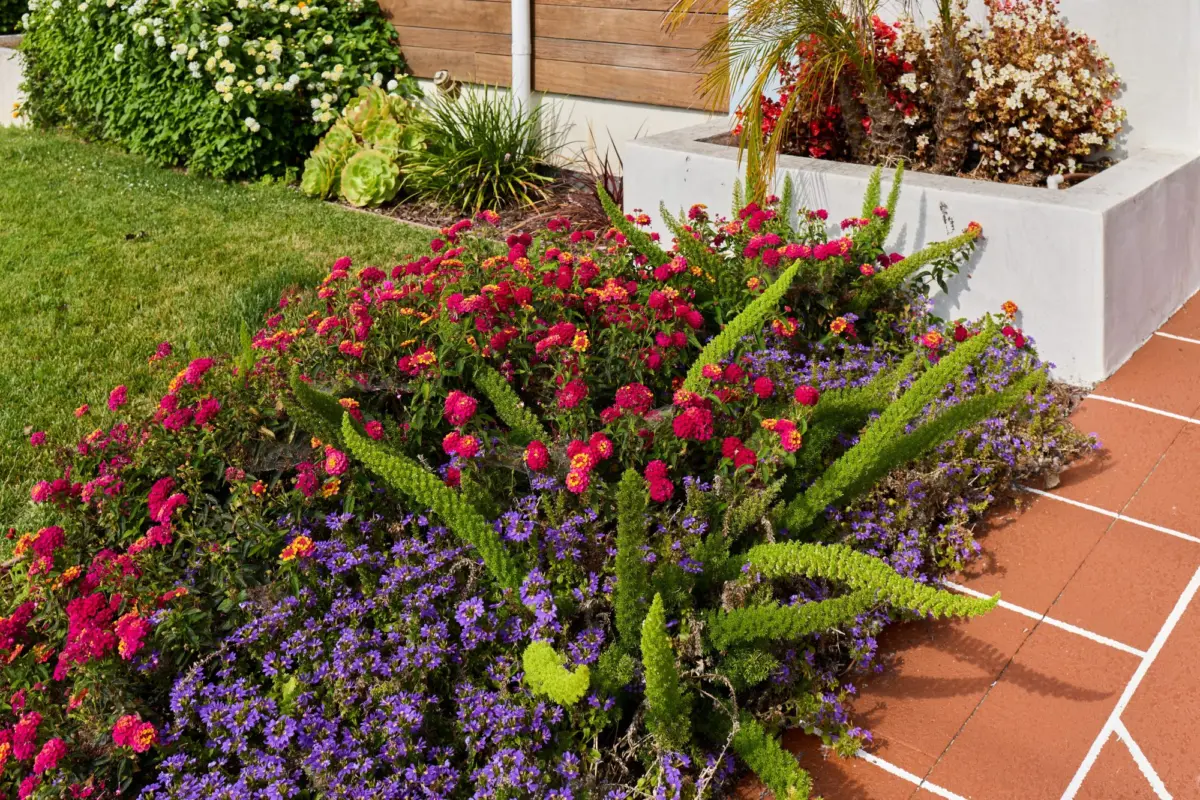
When landscape architects and home gardeners draft their master plans, show-stopping centerpieces like towering dahlias, majestic peonies, and sprawling climbing roses almost invariably steal the spotlight. These towering florals command visual attention, serving as the dramatic focal points of high-end residential estates and suburban backyards alike.
However, professional designers know that a truly cohesive, resilient, and visually balanced landscape relies heavily on its foundation. Low-growing, compact flowers serve as the unsung heroes of outdoor design. Beyond simply adding a splash of color to walkways and garden borders, these low-profile accent plants play critical ecological and structural roles. They define crisp bed edges, naturally suppress weed germination, stabilize topsoil against erosion, and act as living mulch.
By selecting climate-resilient perennials and annuals tailored precisely to a yard’s sun exposure and soil conditions, property owners can elevate their outdoor spaces from ordinary to extraordinary. Here is a closer look at five exceptional low-profile plants that bring enduring charm, texture, and structural integrity to home landscapes.
Main Facts: The Power of Low-Profile Florals
Low-growing ground covers and border plants are indispensable tools in modern horticulture. While towering perennials provide vertical architecture, compact plants anchor the landscape to the earth.
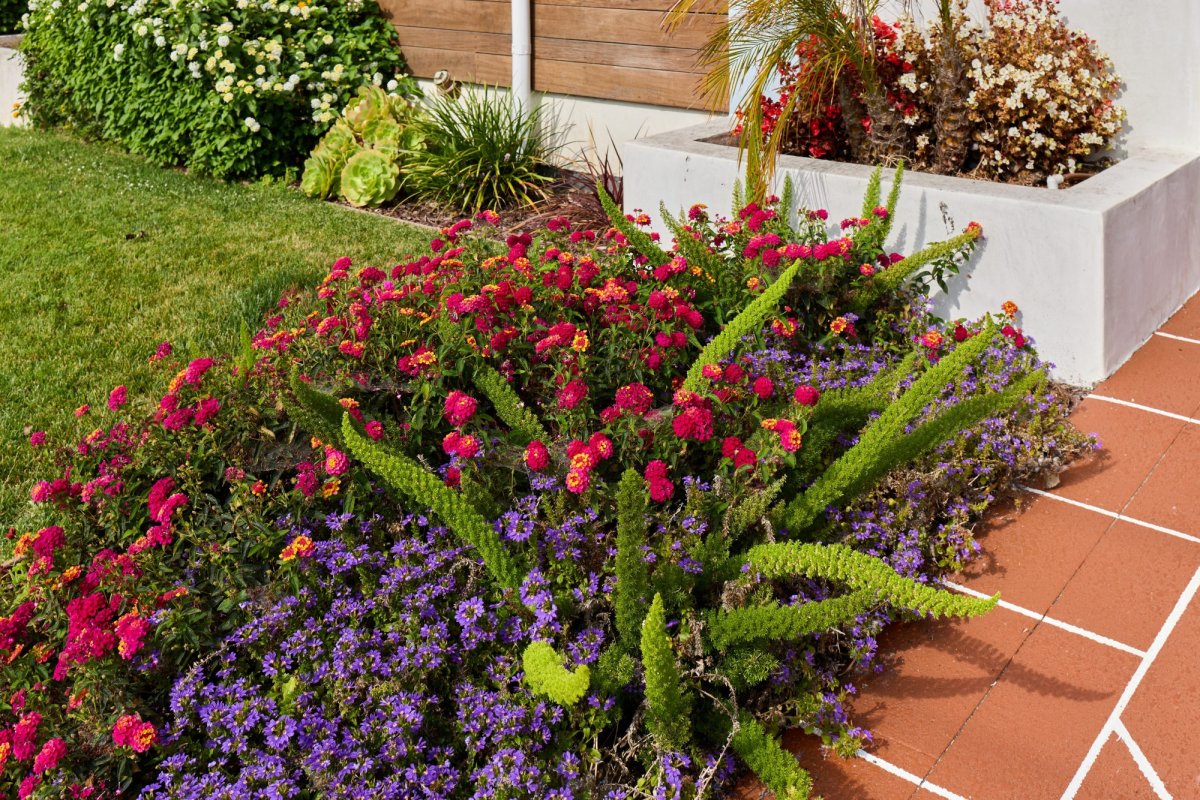
- Structural Definition: Low-profile flowers create clean, deliberate transitions between turfgrass, hardscaping, and taller garden beds.
- Weed and Erosion Control: Dense mats of low-growing foliage shade out competing weed seeds while their intricate root systems lock topsoil in place, preventing runoff during heavy rains.
- Microclimate Adaptability: From the deep-shade requirements of woodland species like lungwort to the blistering sun tolerance of succulents like moss rose, low-profile plants exist for virtually every micro-environment.
- Low Maintenance: Once established, many compact ground covers require significantly less pruning, staking, and intensive care than their larger counterparts.
Chronology: The Evolution of Ground Cover in Residential Design
The appreciation and utilization of low-growing garden plants have shifted dramatically over the centuries, mirroring broader architectural and lifestyle trends.
Early Horticultural Traditions
Historically, low-growing plants were utilized primarily out of agricultural necessity rather than aesthetic design. In medieval European and early American cottage gardens, low herbs and creeping plants were squeezed between paving stones on pathways to withstand foot traffic while releasing fragrance when crushed.
The Mid-Century Lawn Obsession
During the post-World War II suburban boom, the manicured, unbroken monoculture lawn became the ultimate status symbol of suburban prosperity. Low-growing border plants were largely relegated to narrow, tidy strips hugging the foundation of the home. Wild, cascading ground covers fell out of favor as homeowners prioritized chemical weed control and uniform turfgrass.
The Modern Eco-Conscious Landscape Movement
In recent decades, rising awareness of water conservation, pollinator decline, and the labor-intensive nature of traditional turfgrass maintenance has sparked a renaissance for low-growing flora. Landscape designers increasingly favor eco-friendly ground covers over thirsty lawns. Today, low-profile perennials and annuals are celebrated not just for their beauty, but for their ability to foster biodiversity, conserve water, and reduce the carbon footprint associated with intensive yard maintenance.
Supporting Data: Selecting the Right Plant for Your Climate
Choosing the correct low-growing flower requires matching the plant’s biological needs—hardiness zone, light exposure, and soil type—to your specific geographic region. The following breakdown highlights the five standout varieties dominating modern landscape design.
| Common Name | Botanical Name | Hardiness Zone | Light Requirements | Primary Landscape Benefit |
|---|---|---|---|---|
| Coral Bells | Heuchera spp. | Zones 4–9 | Partial to Full Shade | Vibrant foliage mounds, pest resistance |
| Creeping Phlox | Phlox stolonifera | Zones 5–9 | Full Sun to Partial Shade | Dense floral carpets, slope stabilization |
| Lantana | Lantana camara | Zones 7–11 | Full Sun | Extreme heat/drought tolerance, pollinator magnet |
| Lungwort | Pulmonaria spp. | Zones 3–9 | Full to Partial Shade | Variegated foliage, early spring blooms |
| Moss Rose | Portulaca grandiflora | Zones 2–11 (Annual/Perennial) | Full Sun | Succulent ground cover, thrives in poor soil |
Deep-Dive Profiles: The Top Five Low-Growing Landscape Enhancers
1. Coral Bells (Heuchera spp.)
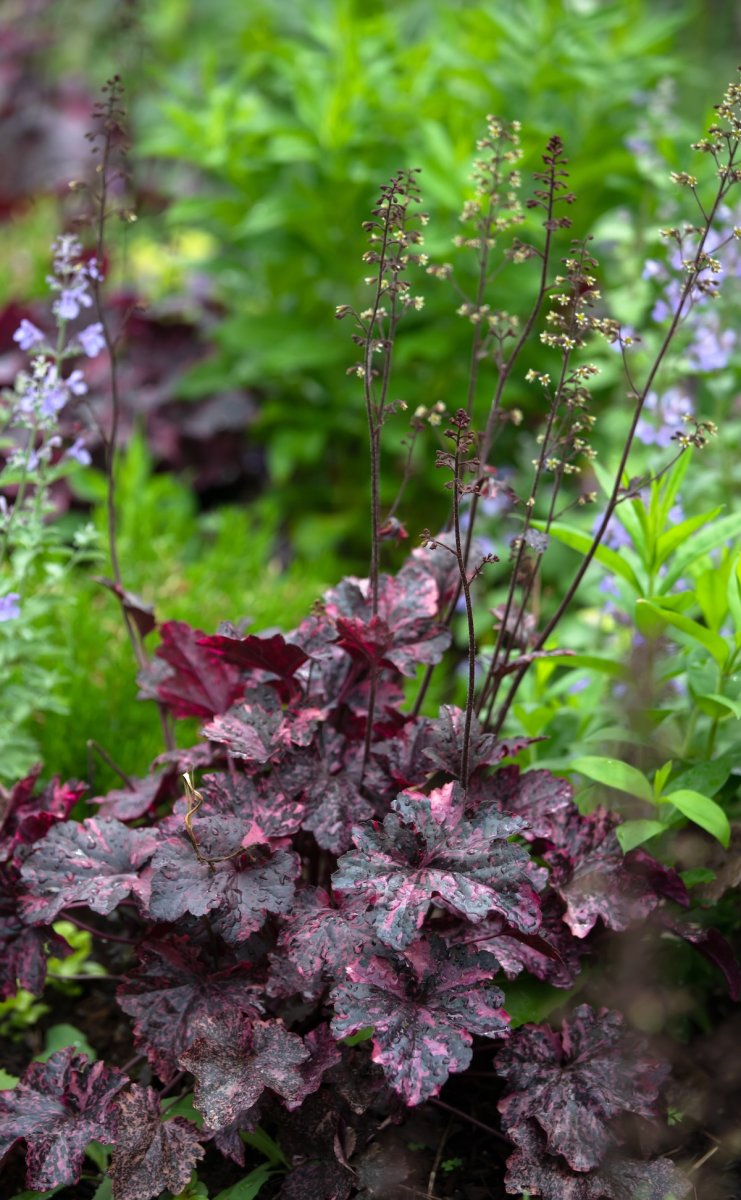
Native to North America, coral bells are remarkably versatile evergreen perennials celebrated for their striking, mounding foliage rather than just their blooms. Their heart-shaped, lobed leaves span a breathtaking color spectrum, including deep purples, wine-reds, bronzes, lime greens, golds, and intricate variegated patterns.
In spring and early summer, these plants send up delicate, airy stems topped with bell-shaped flowers in shades of pink, red, coral, or white. Growing anywhere from 6 inches to 3 feet tall depending on the cultivar, coral bells are exceptionally well-suited for garden edging, rock gardens, and container planting. Once established, they are virtually pest-free and naturally resistant to deer. While traditional varieties thrive in rich, moist, acidic soils under partial shade, modern hybrids tolerate full sun provided they receive adequate moisture.
2. Creeping Phlox (Phlox stolonifera)
For a breathtaking burst of spring color, few plants rival cold-hardy creeping phlox. This evergreen perennial forms a dense, low-slung carpet of foliage that erupts into a sea of star-shaped blossoms in shades of pink, purple, red, white, and candy-striped patterns.
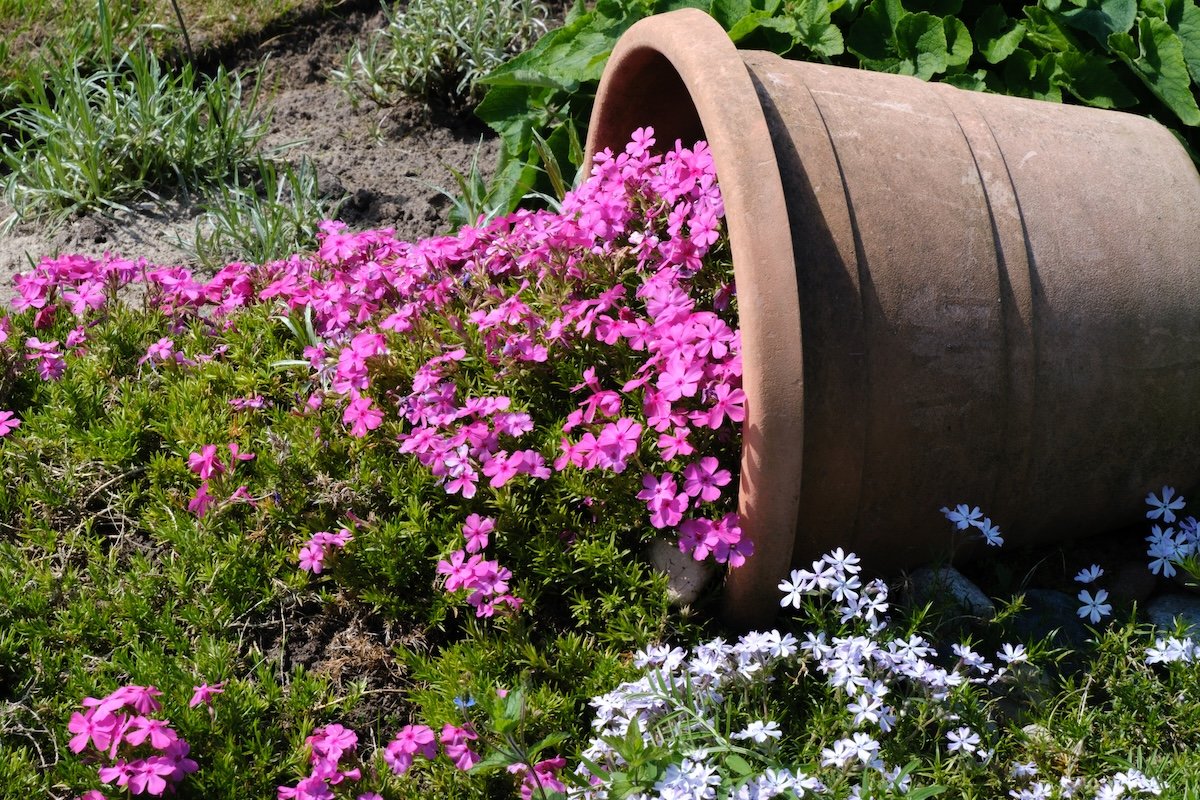
Maturing at a mere 4 to 6 inches tall, creeping phlox hugs the ground, making it the premier choice for cascading over retaining walls, stabilizing steep garden slopes, or tracing the meandering curves of a walkway. Thriving in full sun to partial shade with well-draining soil, this plant requires minimal intervention to put on an annual floral display that stops neighborhood passersby in their tracks.
3. Lantana (Lantana camara)
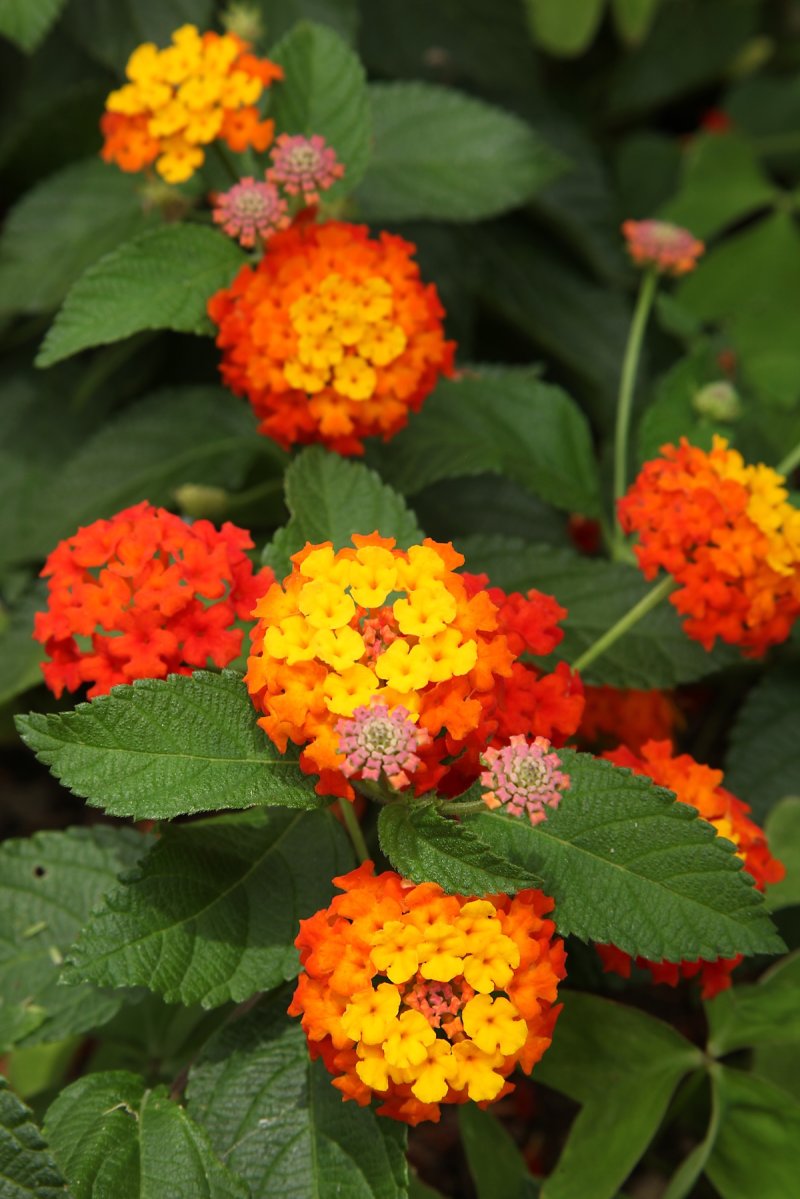
When summer temperatures soar and other plants begin to wilt, lantana thrives. Native to North and South America, this fast-growing, heat-tolerant plant features rough, aromatic foliage and vibrant, confetti-like clusters of flowers in shifting shades of yellow, pink, orange, red, and purple.
In frost-free regions (Zones 9 through 11), lantana acts as a woody perennial shrub or low-spreading ground cover. In cooler climates, it is cultivated as a resilient annual. Ranging from compact 12-inch mounds to cascading trailing varieties, lantana demands direct sun and well-draining soil. While it is a magnet for butterflies and bees, gardeners with pets and small children should note that its foliage and berries are toxic if ingested.
4. Lungwort (Pulmonaria spp.)
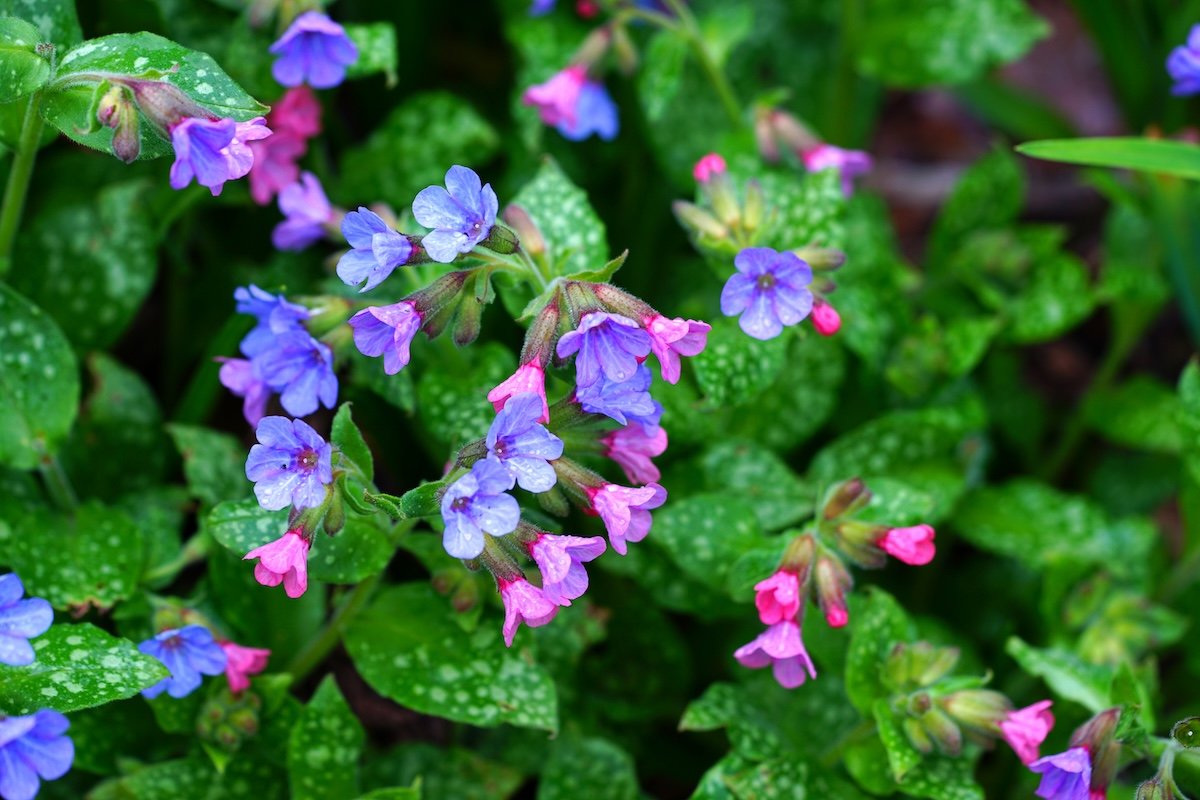
For shaded nooks where many flowering plants struggle to survive, lungwort is an exceptional shade-loving perennial. Reaching a mature height of 8 to 18 inches, this sturdy plant features dark green leaves dramatically flecked with silver spots.
From late winter through mid-spring, lungwort produces clusters of funnel-shaped blossoms that frequently display multiple colors—pink, blue, purple, and white—simultaneously on the same plant. Highly attractive to early-season pollinators, lungwort performs best in organically rich, consistently moist, well-draining soil under full to partial shade.
5. Moss Rose (Portulaca grandiflora)
Moss rose is an indomitable, low-growing succulent native to South America. Reaching a modest height of 6 to 9 inches, it spreads outward to form a thick, drought-resistant carpet. Its fleshy, needle-like foliage supports an abundance of ruffled blossoms that mimic miniature roses in vivid tones of pink, red, orange, yellow, and white.
Portulaca blooms continuously from early summer until the first autumn frost. The flowers open wide during sunny daylight hours and close at night. Because they prefer poor, sandy soils and minimal water, moss roses are foolproof additions to rock gardens, stone walls, hanging baskets, and hot container pots. While they are resilient against deer, pet owners should exercise caution, as moss rose is toxic to cats and dogs.
Official Horticultural Insights and Expert Perspectives
Agricultural extension agents and professional landscape horticulturists increasingly emphasize the functional utility of low-profile plantings over traditional aesthetic-only gardening. According to regional master gardener programs, integrating native and climate-adapted ground covers significantly reduces municipal water demand and chemical runoff.
"Homeowners often make the mistake of viewing landscaping strictly through a vertical lens," notes urban horticultural consultant Elena Rostova. "They focus entirely on shrubs and trees while ignoring the horizontal plane. Low-growing flowers like coral bells and creeping phlox do the heavy lifting in a garden ecosystem. They protect the soil microbiome, retain soil moisture, and create a finished, professionally tailored look that unifies the entire property."
Furthermore, environmental agencies point out that low-growing flowering perennials provide critical corridors for declining native pollinator populations. By substituting barren mulch beds or high-maintenance turf with blooming ground covers, residential properties actively contribute to local ecological health.
Implications for Modern Homeowners and Real Estate Value
The incorporation of thoughtfully designed, low-growing border and ground cover plants carries substantial practical and financial implications for property owners.
- Curb Appeal and Property Valuation: Real estate analysts consistently rank professional landscaping as one of the highest-return home improvements. Defined, colorful garden borders created with low-profile perennials immediately signal meticulous property maintenance to prospective buyers.
- Reduced Long-Term Maintenance Costs: By utilizing dense ground covers like creeping phlox and moss rose to suppress weeds and retain soil moisture, homeowners drastically cut down on the time and money spent on weeding, mulching, and supplemental watering.
- Sustainable Living: As municipalities face tightening water restrictions and homeowners seek eco-friendly alternatives to chemical-heavy lawns, shifting toward drought-tolerant, low-profile native plants represents a future-proof investment in residential property management.
By looking past towering floral centerpieces and embracing the quiet power of low-growing ground covers and border plants, gardeners can cultivate outdoor spaces that are not only visually stunning, but ecologically resilient, low-maintenance, and enduringly beautiful.
