

August 12, 2026, is set to etch itself permanently into the annals of European astronomical history. On this late summer day, a rare and majestic total solar eclipse will sweep across parts of Greenland, Iceland, and Spain, delivering up to 2 minutes and 18 seconds of complete daytime darkness. For millions of residents and international astrotourists, this event marks a monumental milestone: it is the first time the path of totality will cross continental Europe in nearly three decades.
As the lunar shadow races from the high Arctic down to the Mediterranean, it promises an unforgettable spectacle, heightened further by a rare celestial coincidence—the peak of the Perseid meteor shower.

Main Facts: The Celestial Alignment and Trajectory
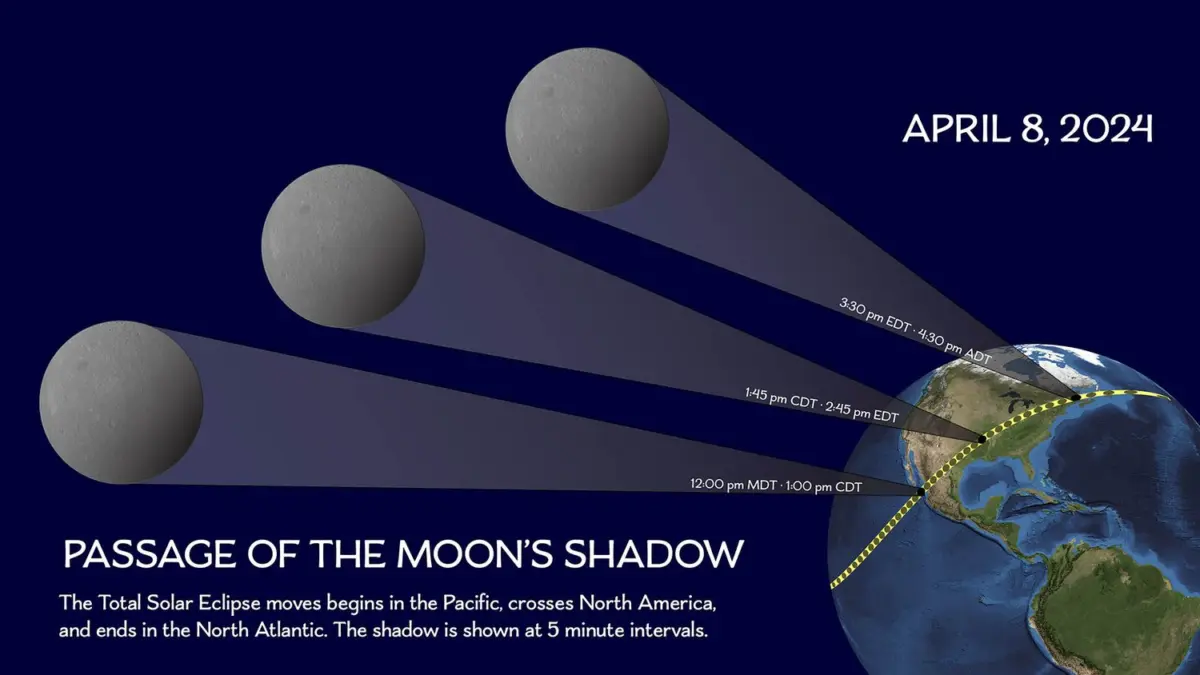
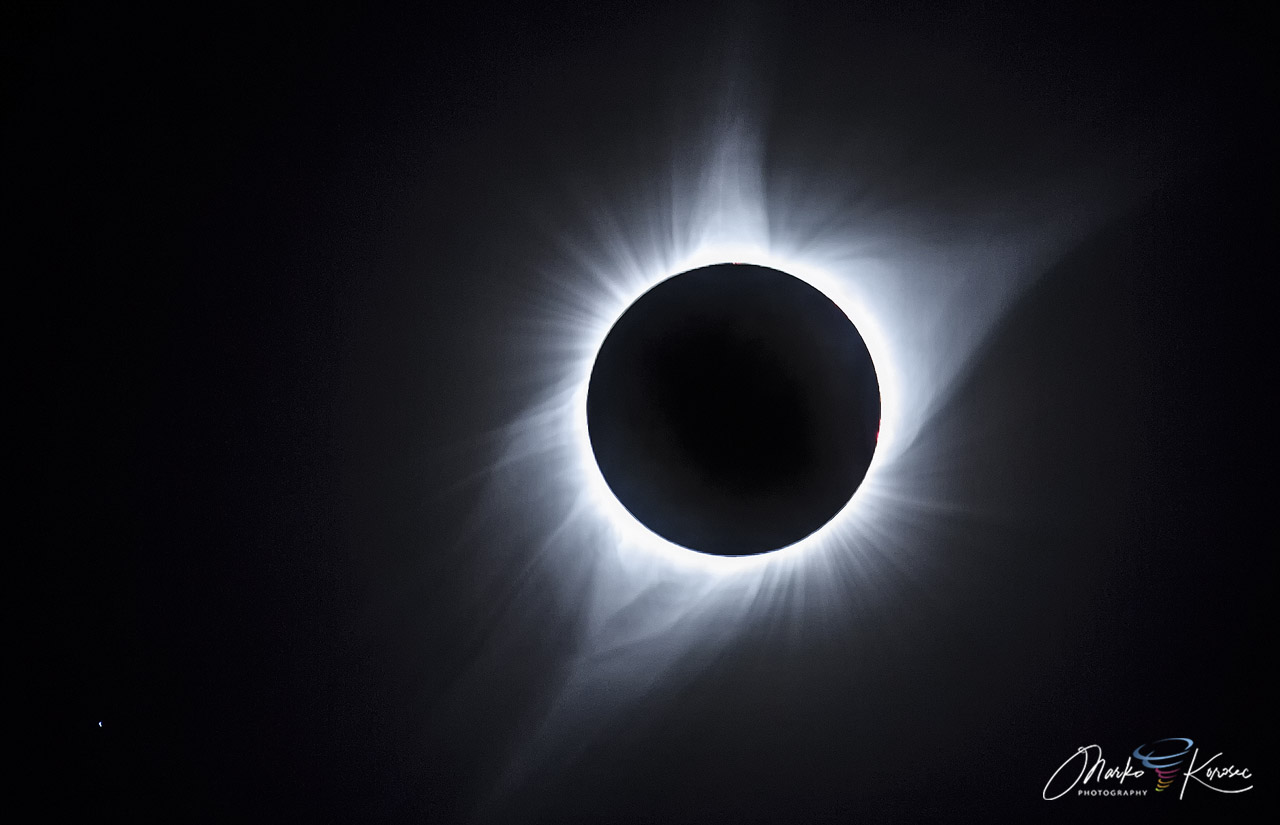
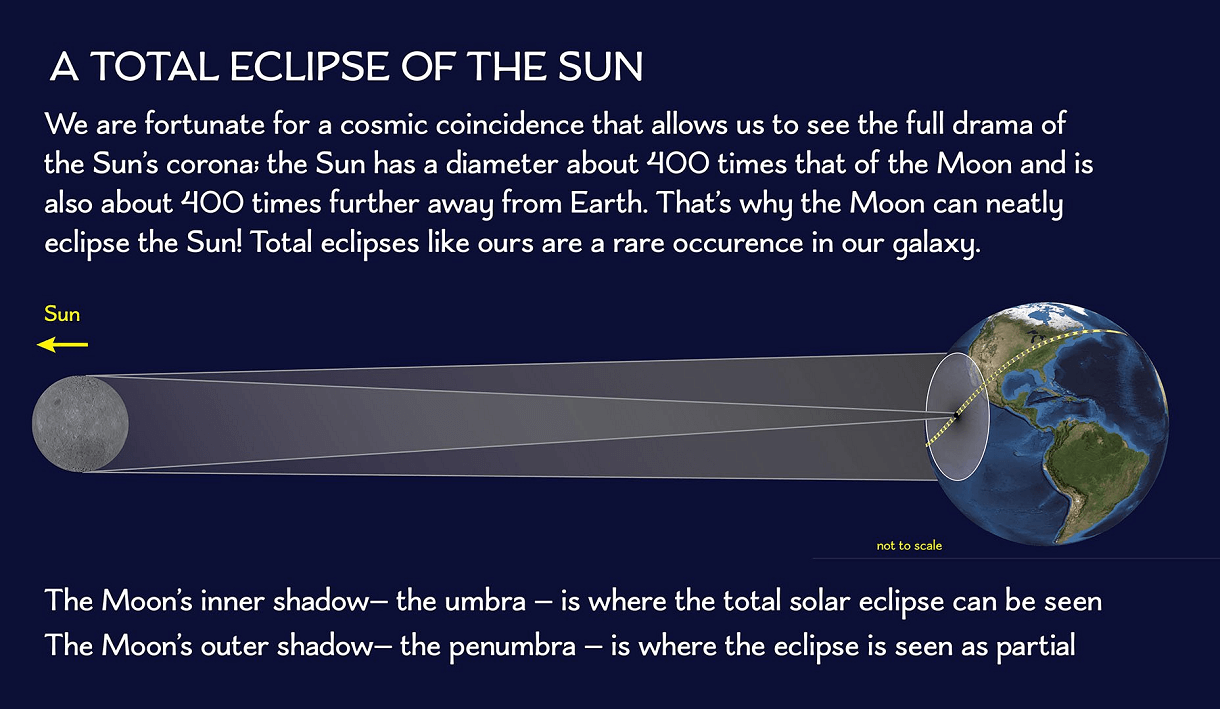
The mechanics of a total solar eclipse are rooted in precise celestial geometry. A total solar eclipse occurs when the Earth, Moon, and Sun align in a straight line, with the Moon passing directly between our planet and the solar disc. Because of this alignment, the Moon casts a dark inner shadow, known as the umbra, onto the Earth’s surface. Observers positioned precisely within this narrow path of totality experience a breathtaking transformation: the afternoon sky plunges into twilight, the ambient temperature drops significantly, and the Sun’s ethereal outer atmosphere—the corona—flares into view.
The August 12, 2026, eclipse path is exceptionally narrow, spanning roughly 60 to 70 miles wide, yet it covers an immense geographic distance.
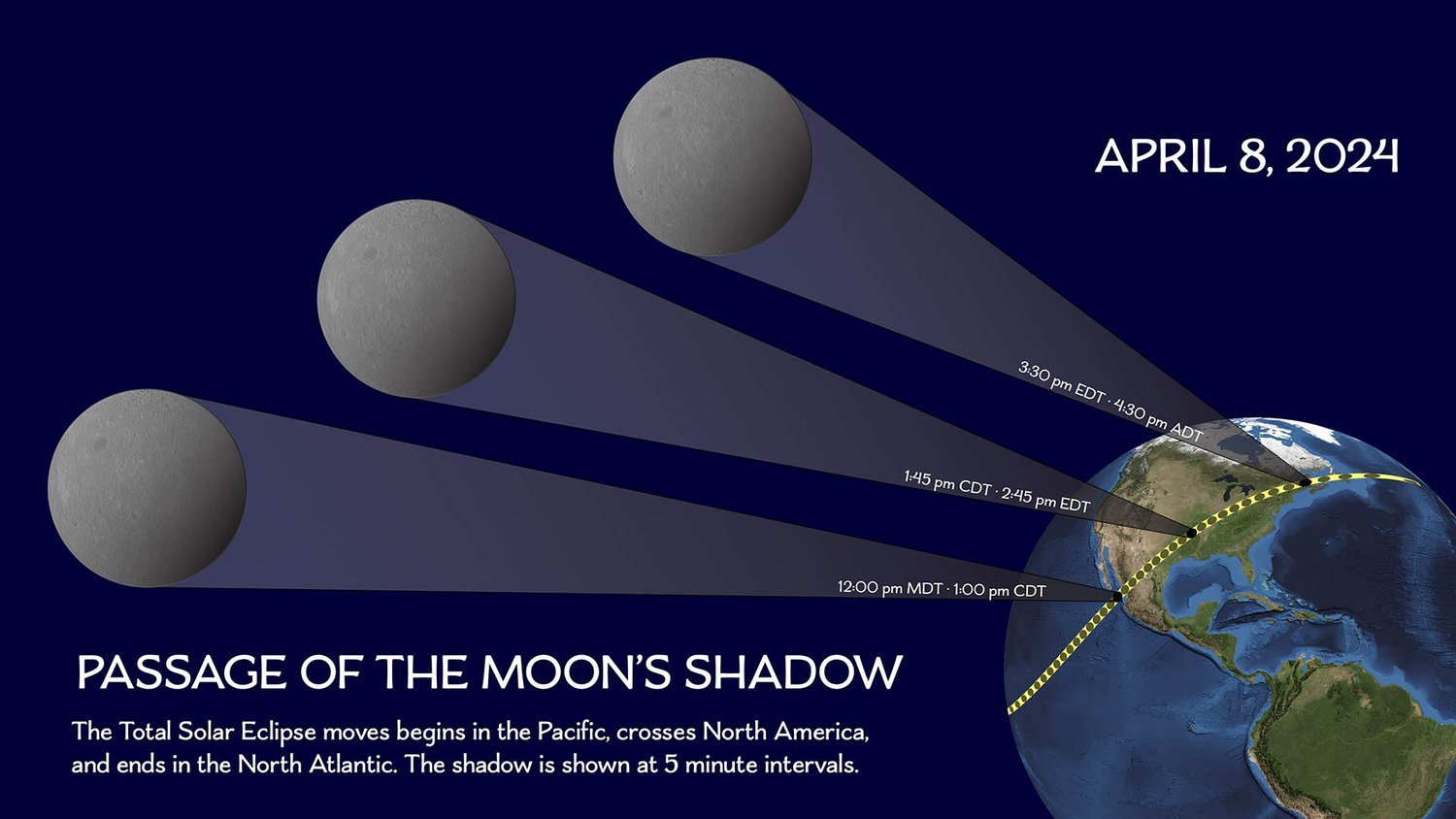
- The Journey Begins: The astronomical trajectory initiates at sunrise over northern Siberia, tracking south-southwest over Greenland and skirting the rugged western coastline of Iceland.
- The Atlantic Crossing: The lunar shadow accelerates across the open waters of the Atlantic Ocean, heading straight for Europe.
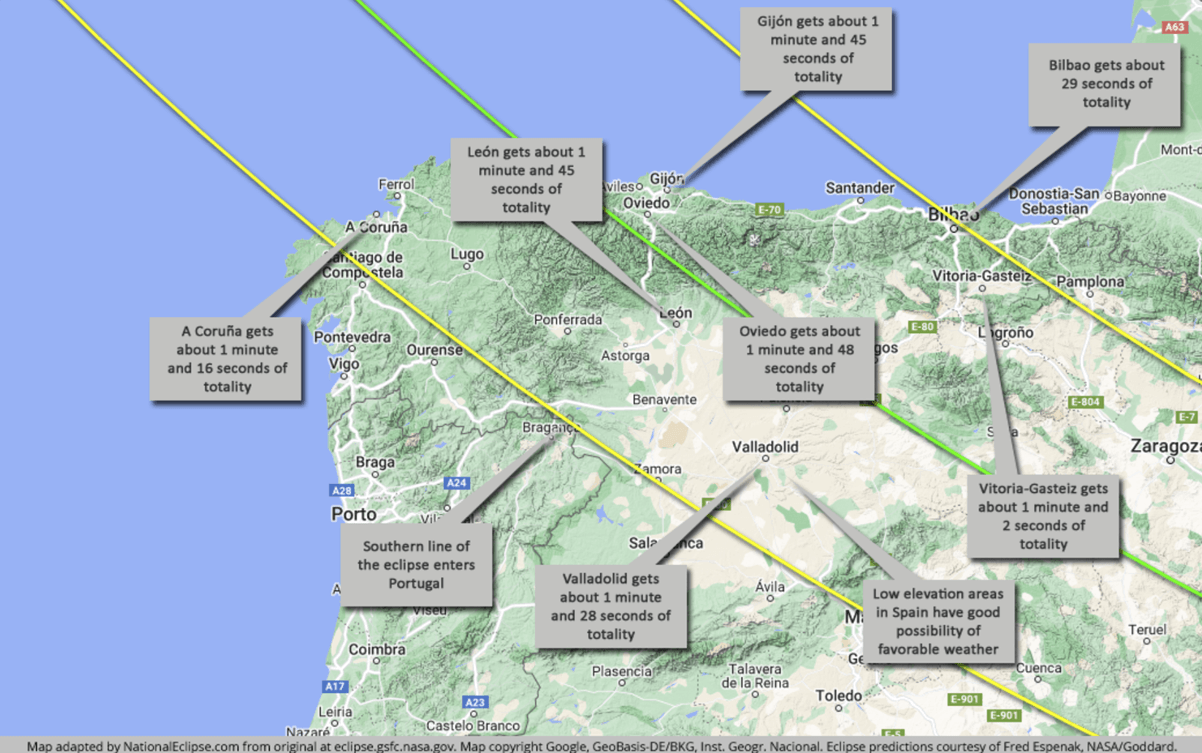
- The Spanish Finale: The path of totality makes landfall over northern and eastern Spain during the late afternoon, sweeping across major urban centers like A Coruña, Zaragoza, and Palma de Mallorca before terminating at sunset.
Adding to the wonder, the 2026 eclipse coincides with the annual Perseid meteor shower. Observers within the path of totality will have the rare opportunity to witness shooting stars streaking across the darkened midday sky—a breathtaking double feature orchestrated by the cosmos.
Chronology: A Minute-by-Minute Breakdown of the Eclipse Path
The eclipse event unfolds across different time zones and regions on August 12, 2026, creating a cascading wave of darkness from the Arctic to Southern Europe.
Russia and Greenland: The Arctic Approach
The shadow first touches Earth near sunrise in northern Russia, where totality begins around 02:02 AM local time, lasting approximately 1 minute and 35 seconds. From there, the shadow arcs across the North Pole toward Greenland. In northeastern Greenland, totality begins at 16:14 local time, while southeastern Greenland experiences the phenomenon at 16:38. Durations here are among the longest of the day, ranging from 2 minutes and 8 seconds in the north to 2 minutes and 17 seconds in the south. While permanent settlements on Greenland’s west coast will see a partial phase, numerous cruise ships are expected to position themselves near the southeastern glaciers to catch the full show.
Iceland: Afternoon Twilight in the North
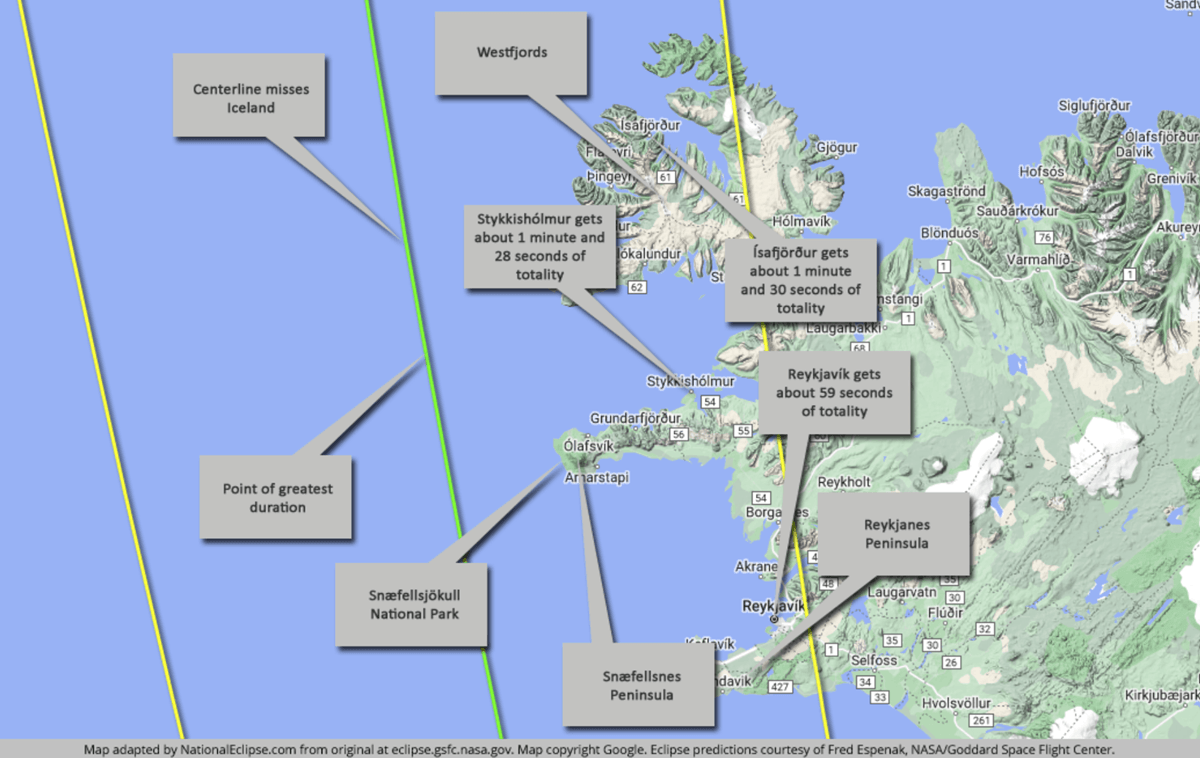
Moving swiftly southwest, the shadow envelops Iceland. The partial eclipse begins in the Westfjords at 16:43 local time, with Reykjavik experiencing first contact roughly four minutes later. Totality strikes the Westfjords at 17:44 and the capital at 17:48. Totality in Iceland is brisk, lasting 1 minute and 30 seconds in the Westfjords and 59 seconds in Reykjavik, embedded within a two-hour partial eclipse window.
Spain: A Dramatic Sunset Finale
The grand finale takes place over the Iberian Peninsula as the Sun dips toward the horizon. First contact in Spain occurs at 19:30 CEST. Totality begins at 20:26 CEST, offering roughly 1 minute and 45 seconds of complete darkness in northern regions. As the shadow tracks southeast toward the Balearic Islands, the duration slightly compresses to 1 minute and 36 seconds over Palma de Mallorca before the eclipsed Sun sets below the horizon.
Supporting Data: Understanding Lunar Orbits and Visibility
The ability to witness a total solar eclipse depends entirely on orbital mechanics. The Moon does not orbit the Earth in a perfect circle; rather, its path is elliptical. This means the Moon’s distance from Earth varies continuously. When the Moon is at its furthest point (apogee), it appears smaller—a phenomenon associated with "Micro moons." When it is closest (perigee), it is known as a "Supermoon," appearing up to 15% larger and 30% brighter.
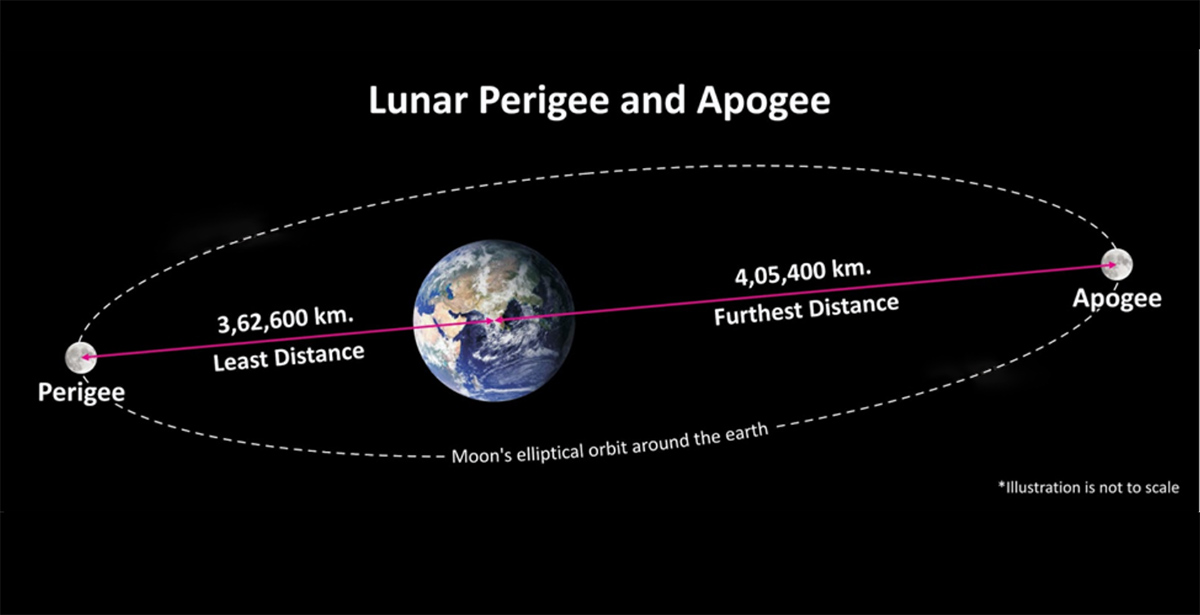
For a total solar eclipse to occur, the Moon must be at the precise distance and position relative to Earth to cast its umbral shadow—averaging about 165 miles (267 km) wide at its broadest—onto the surface. Because the Earth is rotating and the Moon is orbiting, this shadow races across the globe at supersonic speeds, ensuring that totality at any given location is fleeting, lasting only a couple of minutes at most.
Weather Prospects: Where are the Best Skies?
- Spain: Climatologically, mid-August in Iberia is characterized by hot, dry air masses and minimal cloud cover. Meteorological models indicate that while some light, non-threatening clouds may brush eastern Spain, viewing conditions are projected to be good to excellent across most of the Spanish totality corridor.
- Iceland: The outlook is more challenging. Robust Atlantic depressions frequently bring thick cloud cover to Iceland in August. However, prevailing southeast winds could create downslope conditions, potentially clearing skies and offering breaks in the clouds over the Westfjords.
Official Responses and Public Preparation
Municipalities, tourism boards, and civil protection agencies across Spain and Iceland are mobilizing for an influx of millions of visitors. Because major urban centers—such as A Coruña and Zaragoza—fall directly within the path of totality, local governments are issuing comprehensive safety guidelines and logistical frameworks.
- Crowd Management: Authorities anticipate congested roadways, packed public parks, and fully booked accommodations. Cities along the path are designating official viewing zones to manage pedestrian flow and prevent gridlock.
- Safety Campaigns: Public health officials are launching widespread educational campaigns emphasizing eye safety. Because looking directly at the Sun—even when partially obscured—can cause permanent retinal damage or blindness, the distribution of ISO-certified solar viewing glasses is a top priority. Authorities stress that standard sunglasses, no matter how dark, are entirely unsafe for direct solar observation.
- Astronomical Societies: Scientific institutions are partnering with schools and community centers to promote public engagement, framing the event not just as a tourist attraction, but as a premier educational opportunity in observational science.
Implications: Historical Significance and the Future of Eclipses
The cultural and scientific weight of the 2026 eclipse cannot be overstated. Europe has not experienced a total solar eclipse within its borders since August 11, 1999—a generation ago. For millions of Europeans, this will be a once-in-a-lifetime encounter with the cosmos. Globally, the last major total solar eclipse occurred on April 8, 2024, across North America, capturing the attention of hundreds of millions.
From a scientific standpoint, total eclipses provide a unique laboratory environment. When the Moon blocks the blinding light of the solar photosphere, researchers can study the solar corona—the Sun’s outer atmosphere—which is normally invisible to ground-based telescopes. These observations help scientists better understand solar wind dynamics, coronal mass ejections, and space weather that can impact satellite communications and power grids on Earth.
Looking further ahead, humanity is fortunate to experience total solar eclipses at all. Due to tidal friction, the Moon is very gradually receding from the Earth at a rate of about 1.5 inches (3.8 cm) per year. Approximately 600 million years from now, the Moon will have moved far enough away that it will no longer appear large enough in the sky to completely cover the Sun’s disc, rendering total solar eclipses a thing of the geological past.
For now, however, skywatchers live in a golden age of eclipses. Following the 2026 event, the next major total solar eclipse will occur on August 2, 2027, sweeping across northern Africa and the Middle East with a marathon totality duration exceeding six minutes. But for Europe, August 12, 2026, remains the ultimate date on the calendar—a breathtaking convergence of shadow, light, and starlight destined to leave an indelible impression on all who witness it.
