

By the Tool & Industry News Desk
Published: August 2026
Ryobi, a dominant force in the consumer and DIY power tool market, has announced a sweeping restructuring of its iconic 18V ONE+ battery platform. For years, the brand’s power source options had grown increasingly fragmented, featuring a confusing mix of standard batteries, High-Performance variants, and cutting-edge High-Performance EDGE packs.
To clear up customer confusion and elevate the baseline performance of its ecosystem, Ryobi is streamlining its entire catalog down to two primary battery categories. Crucially, the brand is retiring its basic, entry-level standard batteries entirely, ensuring that advanced power-delivery technologies are now standard across the board.
Despite these dramatic changes under the hood and on the label, Ryobi has doubled down on its legendary backward and forward compatibility promise. Whether you own tools purchased a decade ago or are eyeing the latest brushless releases arriving this season, the ecosystem remains unified. Here is a comprehensive breakdown of what is changing, what stays the same, and how this update impacts your workshop.
Main Facts: The Core of Ryobi’s Battery Redesign
The centerpiece of Ryobi’s August 2026 announcement is a strategic simplification of its 18V ONE+ battery lineup. The brand is phasing out three distinct tiers of batteries in favor of a streamlined two-tier structure, removing the legacy "Standard" nomenclature and upgrading the foundational tier with advanced thermal and digital management technologies.
The New Two-Tier Lineup
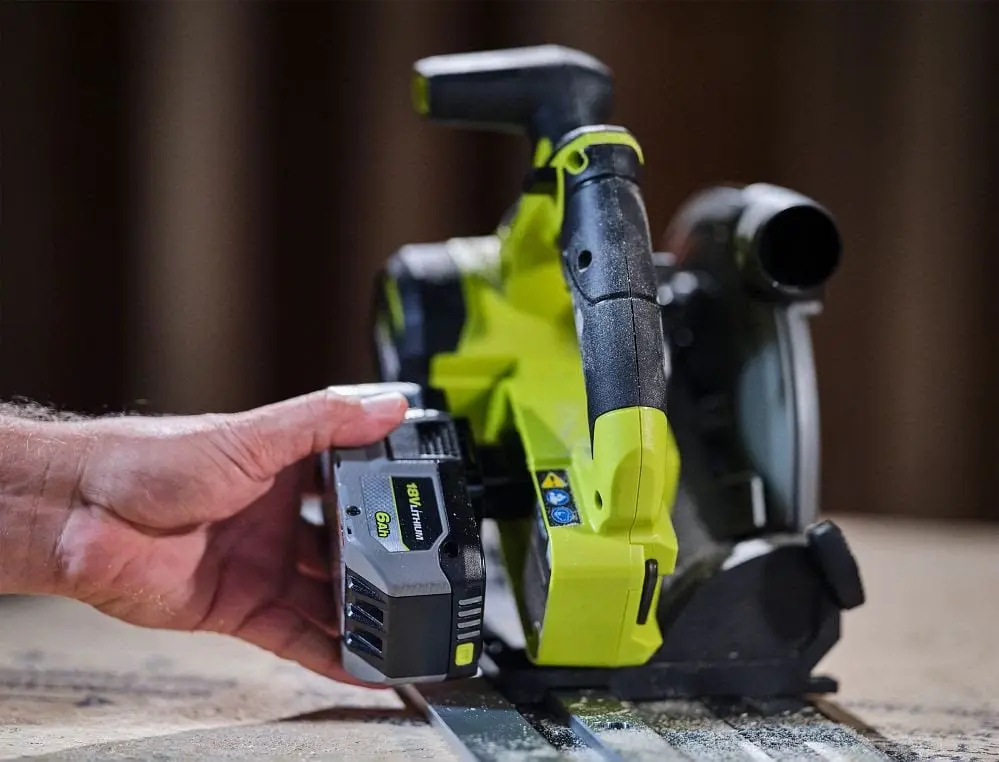
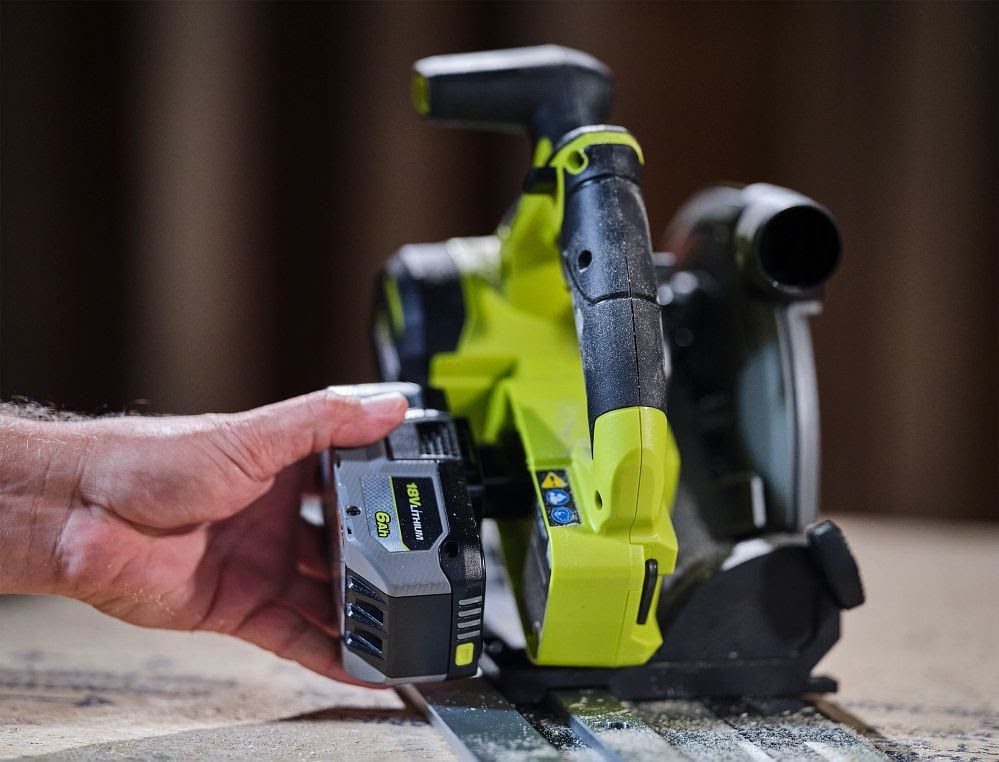
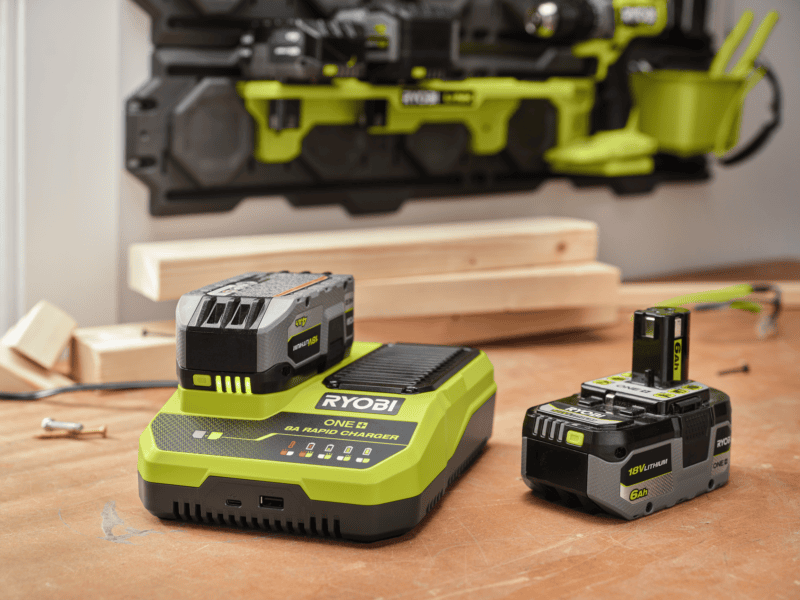
- 18V ONE+ Lithium Series (Formerly High-Performance): This tier replaces the old standard batteries and incorporates advanced cell technology that was previously reserved for more expensive upgrades. The initial rollout includes three capacities: 2.0Ah, 4.0Ah, and 6.0Ah.
- 18V ONE+ EDGE Series: Positioned for heavy-duty applications and high-draw brushless tools, this premium tier remains the pinnacle of Ryobi’s power offerings. The lineup consists of three high-capacity packs: 4.0Ah, 8.0Ah, and 12.0Ah.
Key Technological Upgrades Across the Board
- Intellicell Electronics: Previously found in the majority of Ryobi packs, digital cell-balancing and monitoring is now universal. This technology optimizes performance, protects against over-discharge, and maximizes runtime even under heavy electrical loads.
- Cool-Core Heat Management: Every new battery features enhanced thermal dissipation engineering. By keeping the cells running cooler during intense cutting, drilling, or grinding tasks, Ryobi aims to extend overall pack lifespan and prevent thermal throttling.
- Zero Compatibility Loss: In a massive win for loyal users, all updated 18V ONE+ batteries remain 100% backward compatible with existing tools, while legacy batteries will still function seamlessly in any newly manufactured 18V ONE+ tools.
Chronology: How Ryobi’s 18V Ecosystem Evolution Led to This Point
To understand why Ryobi is making such a bold shift in 2026, it helps to look back at the trajectory of the 18V ONE+ platform—one of the most successful cordless tool ecosystems in history.
- 1996–2012 (The NiCd to Lithium Transition): Ryobi initially built its reputation on the NiCd (Nickel-Cadmium) 18V platform before making the industry-wide shift to Lithium-ion technology. During this era, battery choices were relatively straightforward, with capacity (Ah) being the primary variable.
- Circa 2012 (Introduction of Intellicell): Ryobi introduced Intellicell smart electronics to monitor individual cell voltage and temperature, laying the groundwork for safer, more efficient power delivery. Over the next decade, this technology became a staple of mid-to-high-tier packs.
- The Proliferation Era (2018–2024): As brushless motors grew more powerful, Ryobi expanded its offerings. The brand introduced "High-Performance" (HP) batteries utilizing advanced cell formats (such as 21700 cells) to deliver higher current to demanding tools. Shortly after, the "EDGE" series arrived for extreme-duty applications. This left consumers navigating a complex web of Standard, HP, and EDGE badges.
- August 2026 (The Comprehensive Relaunch): Recognizing that market fragmentation was causing buyer hesitation, Ryobi officially announced the discontinuation of legacy standard batteries. The brand unified its mid-tier under the streamlined "18V ONE+ Lithium" banner, equipping every single battery produced moving forward with both Intellicell and Cool-Core technologies.
Supporting Data: The 18V ONE+ Battery Lineup Comparison
| Battery Tier | Capacities Available | Key Technologies | Target Application |
|---|---|---|---|
| Legacy Standard (Discontinued) | Various (e.g., 1.5Ah, 3.0Ah) | Basic Lithium-ion chemistry | Light DIY, low-draw tools (lights, fans) |
| New 18V ONE+ Lithium | 2.0Ah, 4.0Ah, 6.0Ah | Intellicell Electronics, Cool-Core Heat Management | General to advanced DIY, everyday drills, impact drivers |
| 18V ONE+ EDGE | 4.0Ah, 8.0Ah, 12.0Ah | Advanced high-draw cells, Intellicell, Cool-Core | Heavy-duty brushless tools, outdoor power equipment (mowers, chainsaws) |
Official Responses and Brand Philosophy
Ryobi’s product development and marketing teams have emphasized that this transition is entirely customer-centric. In company communications regarding the rollout, representatives stressed that modern power tool users—ranging from weekend hobbyists to serious property owners—demand high-output capabilities regardless of whether they are purchasing a compact drill or a high-torque circular saw.
"By retiring our entry-level standard batteries and integrating advanced technologies like Intellicell and Cool-Core across our entire 18V ONE+ span, we are eliminating the compromise," notes product strategy documentation from the rollout. "Our users should never have to wonder if a battery is ‘good enough’ to unlock the potential of their tool. If it bears the Ryobi 18V ONE+ name, it is engineered to deliver maximum performance."
Furthermore, engineers have reiterated their commitment to the "One+" philosophy established decades ago: one battery platform that fits every tool. Ryobi understands that forcing customers into a proprietary battery upgrade cycle is a primary friction point in the power tool industry. By guaranteeing that every new battery works with legacy tools—and vice versa—the brand preserves the immense trust it has built with millions of homeowners over the last 30 years.
Implications: What This Means for Ryobi Users and the Retail Market
The shift in Ryobi’s battery architecture carries several important implications for consumers, retailers, and the broader tool market as the rollout gains momentum in late 2026.
1. The Death of the "Cheap" Battery Pack?
One of the most immediate questions facing budget-conscious consumers is pricing. Historically, Ryobi’s entry-level standard batteries served as the ultimate budget-friendly entry point, often bundled cheaply in starter kits or sold standalone for light-duty users.
Because Ryobi is replacing these standard packs with upgraded lithium batteries featuring Intellicell and Cool-Core electronics, industry analysts are waiting to see how retail pricing will adjust. Will the new 2.0Ah and 4.0Ah "Lithium" packs carry the higher price tag previously associated with High-Performance models, or will Ryobi absorb the manufacturing efficiencies to keep entry-level kits accessible? At the time of writing, official MSRP figures have not been published.
2. Clearance Sales at Home Depot
As retail giant Home Depot—Ryobi’s exclusive major retail partner—prepares shelf space for the August 2026 rollout of the new battery lineup, savvy shoppers can expect significant clearance events.
If you are looking to expand your battery inventory on a strict budget, the coming months will present prime opportunities to snap up remaining stock of legacy standard and older HP batteries at heavily discounted prices. While these older packs lack the new Cool-Core heat management, they remain fully compatible with existing tools and represent exceptional value for light-duty tasks.
3. Simplified Retail Experience
For the average consumer standing in the tool aisle at Home Depot, the labeling confusion is finally coming to an end. Instead of puzzling over subtle naming conventions, wattage outputs, and cell types, buyers will now choose simply between the standard-upgraded ONE+ Lithium series for everyday projects and the EDGE series for maximum-demand outdoor power equipment and heavy construction tasks.
4. Long-Term Value Protection
Perhaps the most reassuring takeaway for current Ryobi owners is the preservation of ecosystem equity. Power tool collections often represent hundreds—if not thousands—of dollars in investment. By refusing to break backward compatibility, Ryobi ensures that users who bought drills, sanders, or trimmers years ago can drop a brand-new 2026-spec 18V ONE+ Lithium battery into their older tools and experience an immediate boost in runtime and thermal efficiency.
Conclusion: A Welcome Evolution for the ONE+ Ecosystem
Ryobi’s 2026 battery overhaul is a masterclass in platform maturation. By trimming away the obsolete standard tier and baking premium electronic safeguards and thermal management into every single battery leaving the factory, the brand is raising the industry standard for consumer-grade cordless tools.
While consumers will need to keep an eye on how pricing shakes out for the newly christened 18V ONE+ Lithium series, the overarching message is overwhelmingly positive. Ryobi’s unwavering commitment to backward compatibility means your current tool collection is safe, your future purchases are future-proofed, and the ongoing confusion of battery tiers is officially a thing of the past.
Have thoughts on Ryobi’s new battery lineup, or questions about how these changes affect your specific collection of tools? Drop a comment below, and our team will help you navigate the transition.
