

Main Facts: A Once-in-a-Generation Astronomical Convergence
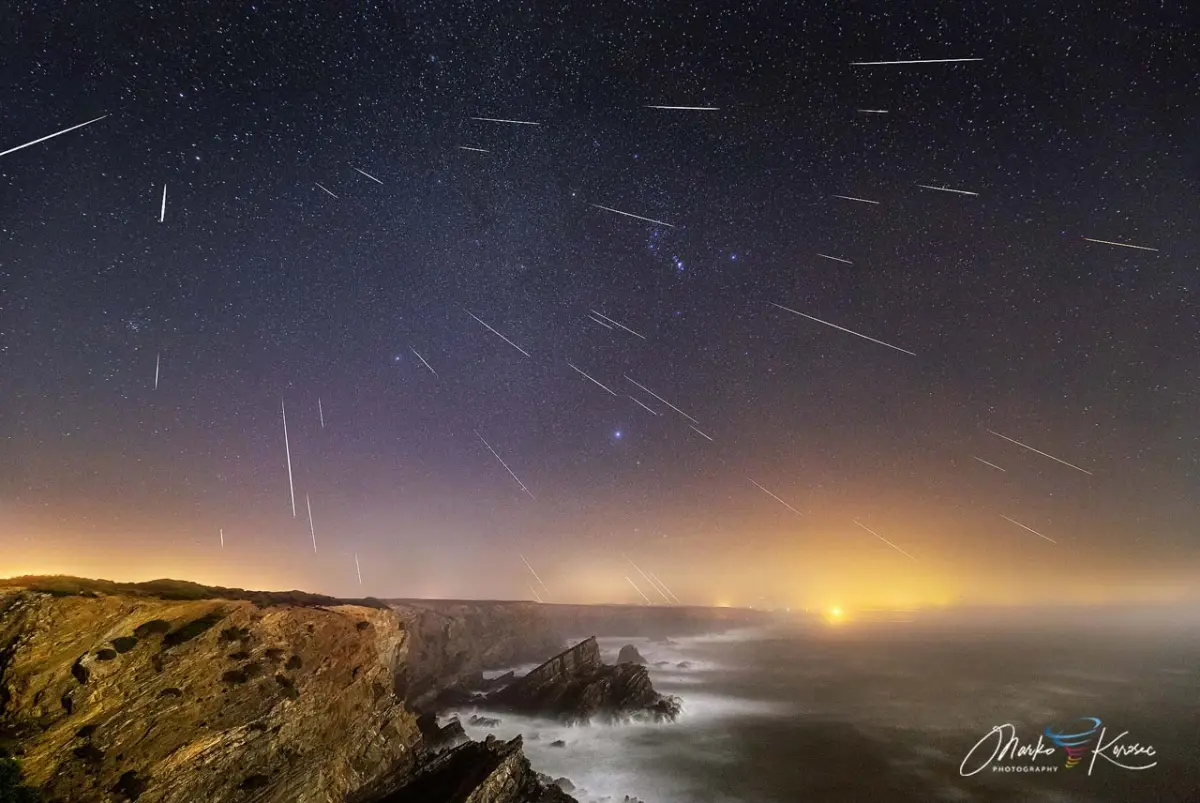
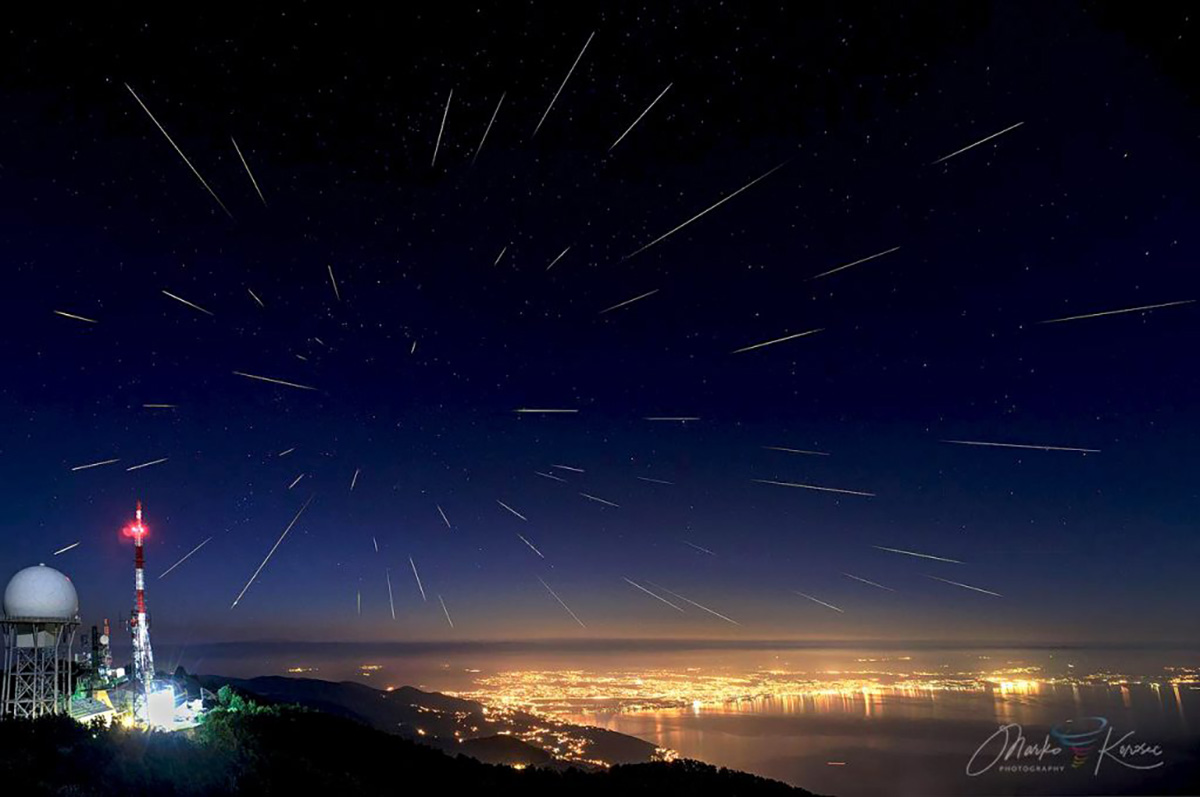
The night skies of August 2026 are preparing to deliver one of the most extraordinary astronomical convergences in modern history. The annual Perseid meteor shower—widely regarded as the most popular and reliable celestial event of the summer—will reach its magnificent peak on the night of August 12 into the early hours of August 13, 2026. Under ideal conditions, stargazers can expect to witness up to 100 to 120 shooting stars per hour, slicing through the upper atmosphere at staggering speeds.
What sets the 2026 Perseids apart from typical annual displays is a rare cosmic coincidence: the peak intensity coincides directly with a total solar eclipse sweeping across Greenland, Iceland, and Spain on August 12. This synchronous alignment creates a rare daytime-to-nighttime double feature for astronomical enthusiasts globally.

Compounding this rare alignment is the lunar phase. The meteor shower’s peak arrives precisely during a New Moon. With zero moonlight interference to wash out fainter streaks of light, the night sky will be cloaked in pitch-black darkness. Observers across Europe, North America, and beyond will enjoy prime, unobstructed viewing conditions from dusk until pre-dawn. Even suburban stargazers, normally hampered by light pollution, are expected to catch an unusually high count of meteors this year.
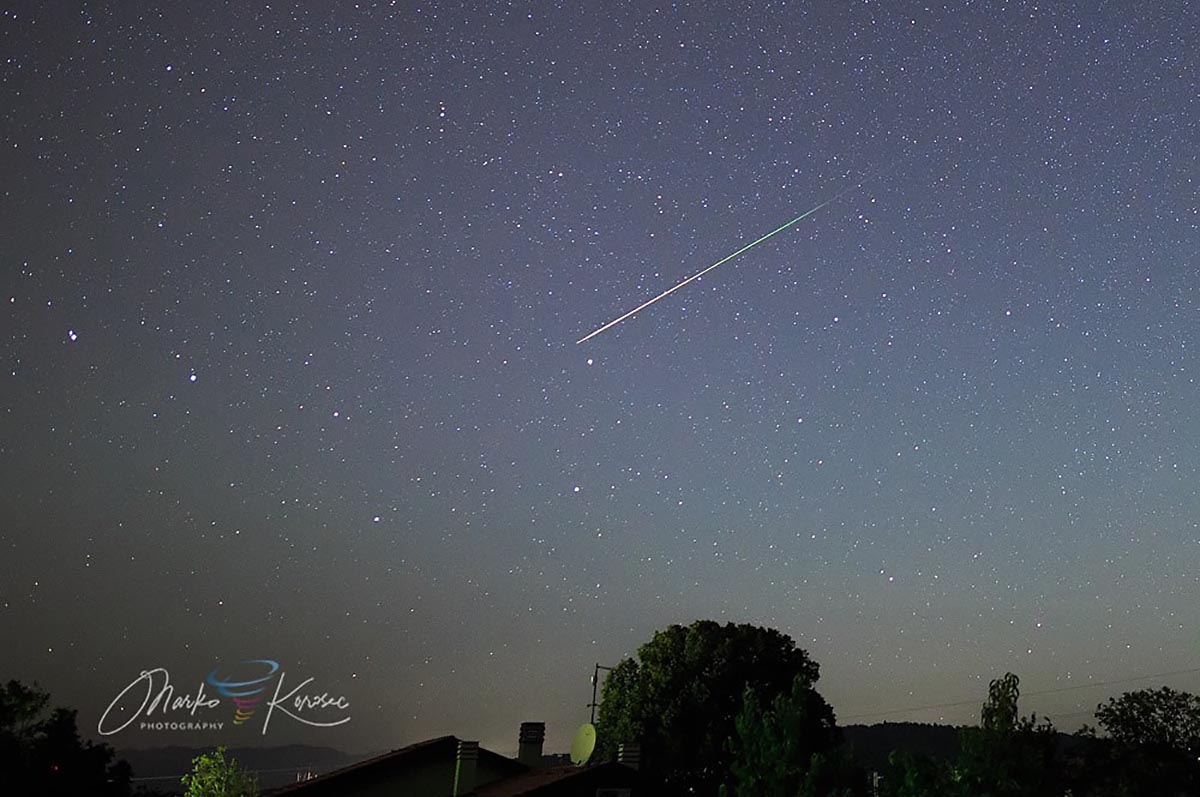
The origin of this dazzling show lies in the debris trail of comet 109P/Swift-Tuttle. As Earth intersects this dense cloud of cosmic dust, millimeter-sized meteoroids smash into our atmosphere at approximately 59 kilometers per second (about 132,000 miles per hour). Vaporizing violently at altitudes of roughly 100 kilometers—right at the threshold of space—these crumbs of cometary ice and rock produce the bright, colorful streaks and persistent fireballs that have captivated humanity for centuries.
Chronology: The Timeline of the August 2026 Cosmic Event
Understanding the precise timeline of the mid-August astronomical window is crucial for both casual observers and serious astrophotographers hoping to capture the action.
Early August: The Ramp-Up
Days before the official peak, the Perseids begin ramping up activity. Earth gradually enters the broader, more diffuse outer edges of the Swift-Tuttle debris stream. Nightly meteor counts steadily increase, providing early-bird watchers with a preview of the main event.
August 11 to August 12: The Dual Phenomena Begin
- Daytime (August 12): Attention turns to the North Atlantic and Western Europe as the rare total solar eclipse crosses its path of totality. Observers in Greenland, Iceland, and Spain witness daytime darkness as the Moon completely obscures the Sun—the first total solar eclipse path to hit Europe in nearly three decades.
- Dusk (August 12): As twilight fades, the solar eclipse excitement transitions directly into nighttime stargazing. The constellation Perseus climbs higher into the northeastern sky, serving as the radiant point from which the meteors appear to originate.
August 12–13 Overnight: The Zenith Peak
- 02:00 UTC (August 13): The absolute main peak of the Perseid meteor shower occurs. This timing is nearly ideal for observers across Europe and Africa, where the radiant point is high and the night is deepest.
- Pre-Dawn Hours (August 13): For North America and Canada, while the peak occurs a few hours before local midnight, the entire night remains exceptionally active. Because the Moon is entirely absent (New Moon phase), the hours between midnight and dawn yield maximum visibility for faint, delicate meteor trails and long-lasting fireballs.
Supporting Data: The Science and Numbers Behind the Perseids
To truly appreciate the scale of the Perseid meteor shower, scientists and astronomers rely on specific metrics and historical data to categorize the event.
Zenithal Hourly Rate (ZHR)
The Zenithal Hourly Rate measures the number of meteors a single observer would see in one hour under pristine skies (where stars up to magnitude 6.5 are visible) if the radiant were directly overhead.
- Perseid ZHR: Consistently exceeds 100 meteors per hour, frequently peaking between 90 and 120 meteors per hour during the strongest windows.
- Reality vs. Theory: The actual number observed by an individual is almost always lower, depending on local horizon obstructions, atmospheric transparency, and light pollution. However, the 2026 moonless conditions will push actual observed counts closer to theoretical maximums than in years past.
Physics of the Streaks
- Velocity: ~59 km/s (37 miles per second). At this hyper-velocity, kinetic energy is instantly converted into intense heat, ionizing the air molecules and creating the glowing plasma trails characteristic of shooting stars.
- Distance: While meteors appear to streak directly above, they are roughly 100 km away when overhead, and up to 500 km away near the horizon.
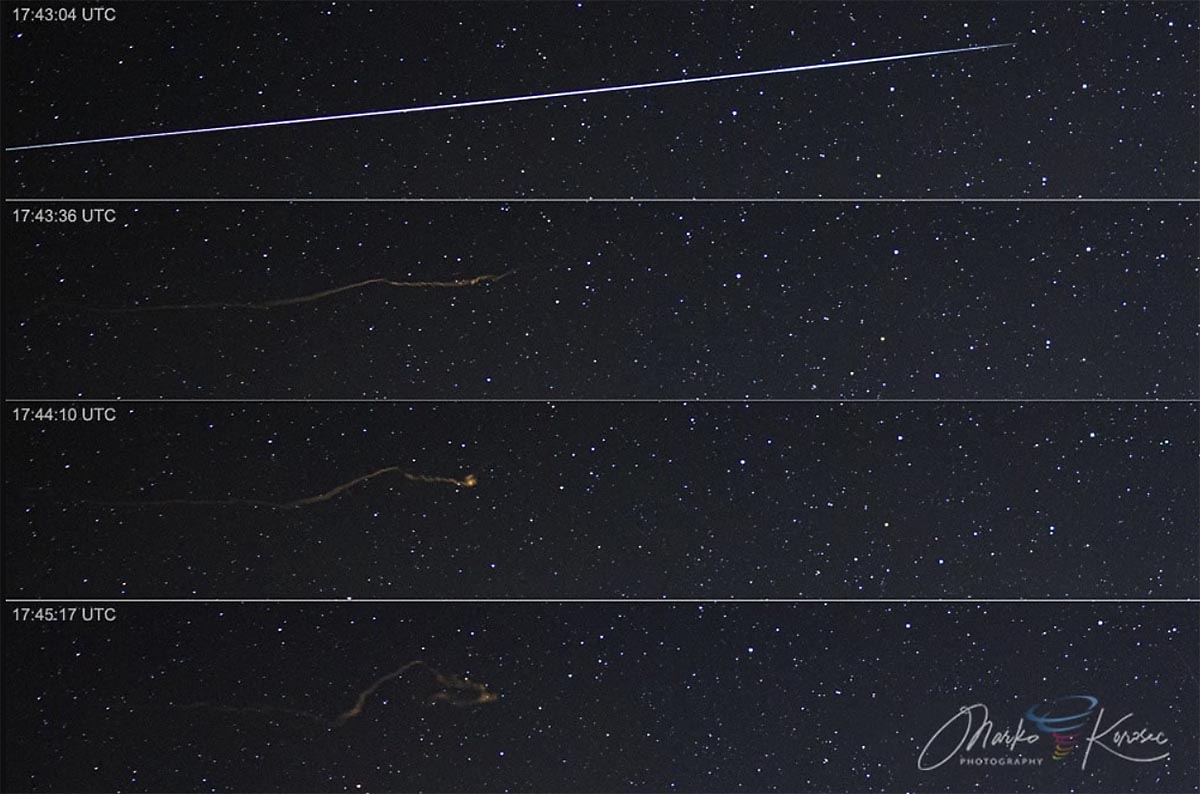
- Persistence: Average Perseids flash and vanish in milliseconds. However, brighter fireballs frequently leave behind glowing dust trails. These ionized gas tracks can be twisted and contorted by high-altitude stratospheric winds, remaining visible to the naked eye for tens of seconds—and up to several minutes through binoculars.
Official Responses and Expert Recommendations
Astronomical societies, meteorological agencies, and veteran astrophotographers have issued comprehensive guidance to help the public maximize their viewing experience for the August 2026 event.
Observing Strategy from Professional Astronomers
Experts emphasize that patience is the ultimate tool for meteor hunting. Unlike eclipses or planetary transits that happen at a precise second, meteors are sporadic.
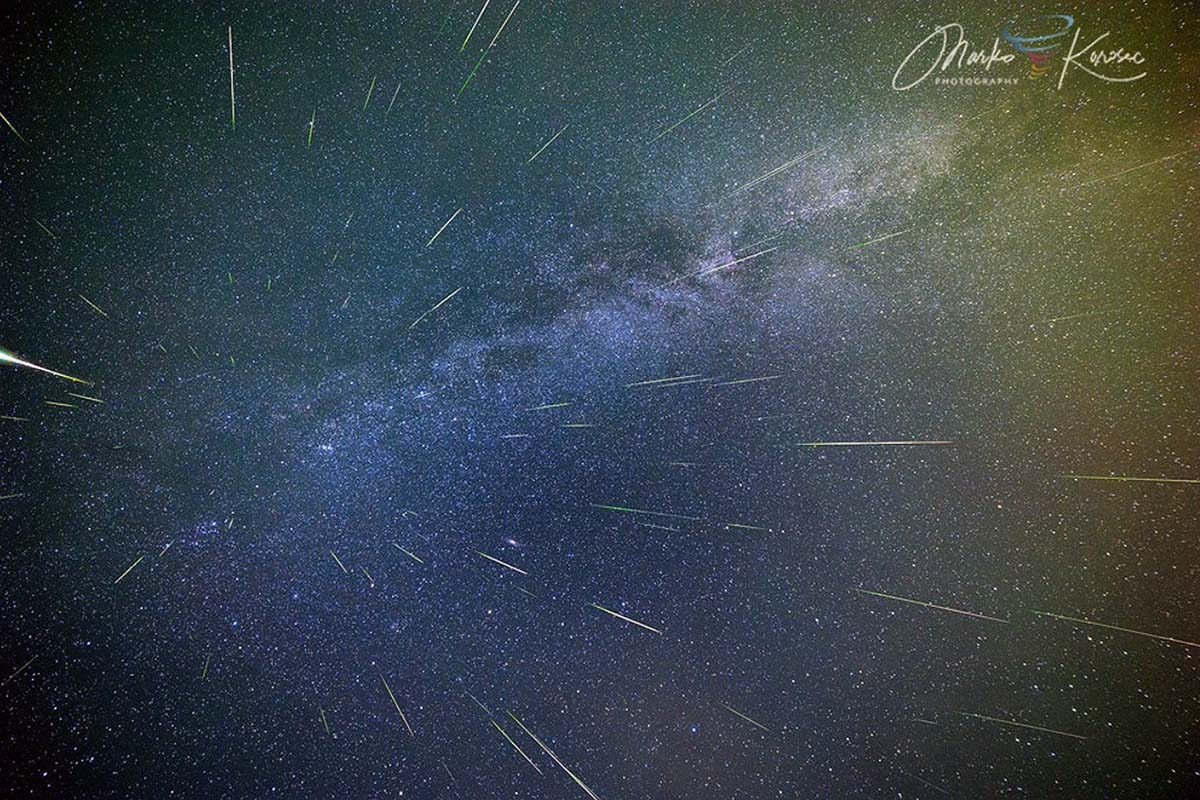
- Time Investment: Observers are advised to commit at least one to two hours to the field. Human eyes require roughly 20 to 30 minutes to fully dark-adapt away from artificial lights.
- Field of View: Viewers should not stare directly at the constellation Perseus. While Perseus is the radiant point, looking slightly away from the radiant will reveal meteors with longer, more graceful tails.
- Location, Location, Location: Urban light pollution washes out roughly 50% to 70% of faint meteors. Experts strongly recommend escaping to rural, high-elevation spots—such as hills, mountains, or dark-sky parks—where atmospheric clarity is maximized.
Astrophotography Guidelines
Capturing a fireball or a multi-meteor composite requires specialized preparation rather than complex gear. Essential equipment includes:
- A sturdy tripod to eliminate camera shake during long exposures.
- A wide-angle, fast lens (e.g., f/1.4 to f/2.8) to capture a massive slice of the starry night sky, including the Milky Way.
- An intervalometer or built-in camera timer to shoot hundreds of continuous exposures (typically 15 to 25 seconds per frame at ISO 1600–3200) over several hours.
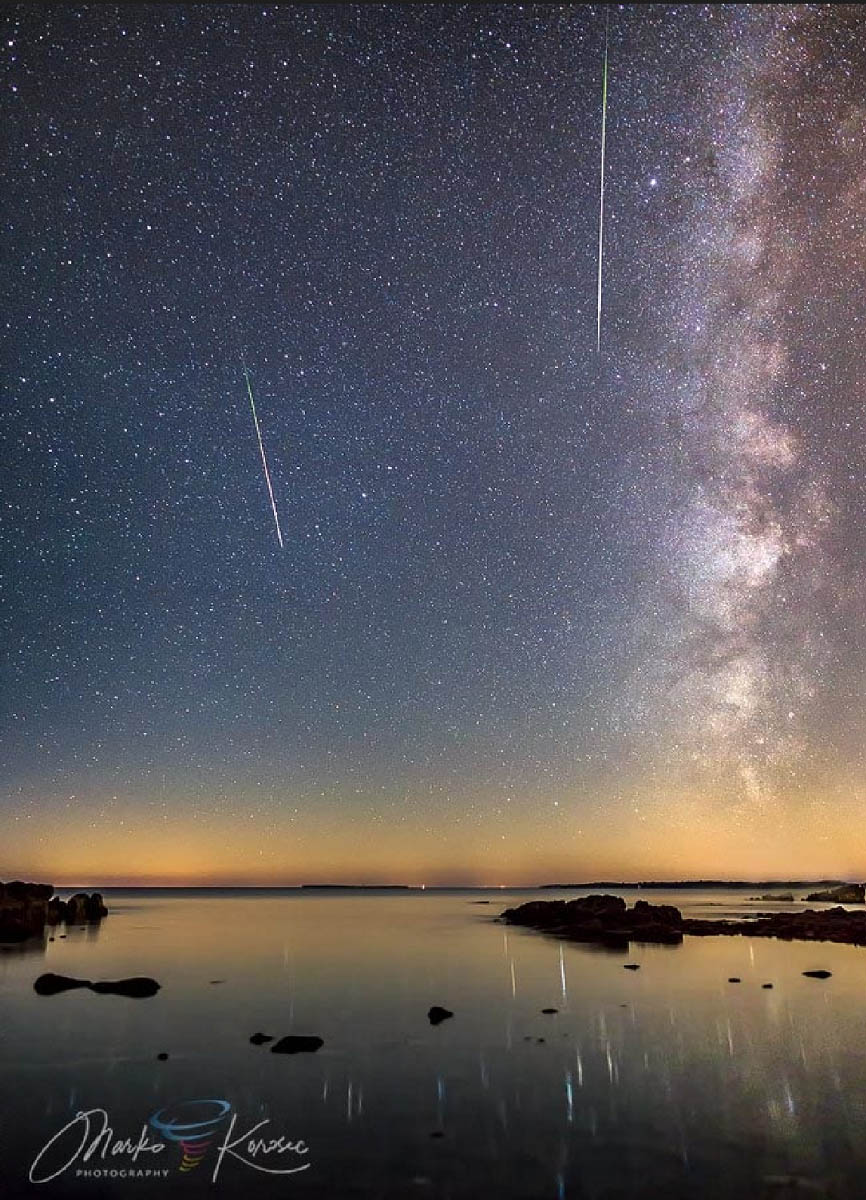
Meteor photographers are reminded that capturing an exploding fireball often requires sorting through thousands of blank or minor frames, but the final composite rewards the tedious waiting.
Implications: Weather Patterns, Cultural Impact, and Global Engagement
Beyond the pure scientific and aesthetic joy of stargazing, an event of this magnitude carries several practical and cultural implications.
The Weather Wildcard
The primary challenge for summer meteor showers is not astronomical—it is meteorological. Mid-August frequently brings daytime convective heating, leading to afternoon thunderstorms and lingering nighttime cloud cover, particularly across parts of continental Europe and North America. However, meteorologists note that regional weather patterns are increasingly volatile; localized high-pressure ridges could secure clear, stable skies for millions of eager observers.
Community and Global Engagement
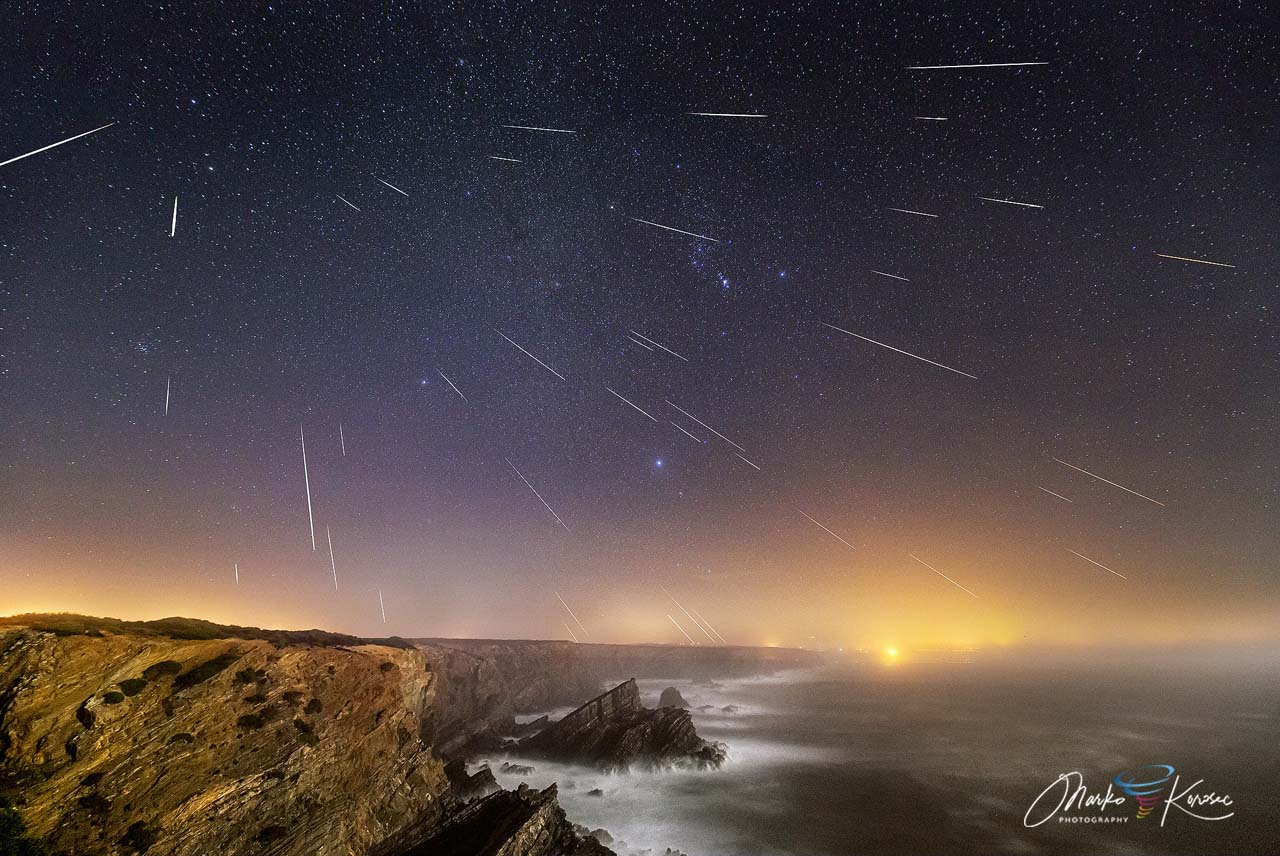
The convergence of the August 12 total solar eclipse and the Perseid peak is expected to generate unprecedented global tourism in the eclipse path (spanning Greenland, Iceland, and Spain) while driving millions of backyard astronomers outdoors overnight. Digital communities, such as international severe weather and astrophotography reporting groups, are organizing collaborative platforms where enthusiasts can upload their captures, share viewing tips, and document localized weather outcomes in real-time.
Conclusion: A Date with the Cosmos
The Perseid meteor shower of August 2026 represents a rare alignment of perfect lunar timing, high activity rates, and a historic daytime solar eclipse prelude. Whether viewed from a high alpine ridge in Europe, a dark-sky preserve in North America, or a coastal overlook, the pitch-black, moonless nights of August 12–13 offer an invitation to witness the raw, dynamic mechanics of our solar system. Clear skies, patience, and a comfortable reclining chair are all that stand between the observer and one of the greatest visual spectacles of the decade.
