

NEW YORK — Over the past few years, interior design trends have oscillated wildly between hyper-curated minimalism and chaotic, dopamine-inducing maximalism. As the world emerged from the pandemic-era lockdowns, homes were flooded with waves of kitsch: pastel-hued squiggly candlesticks, undulating taper candles, and monochromatic book stacks in shades that Mother Nature would never dream of producing.
While downtown design boutiques in major metropolitan areas like New York City still command a pretty penny for these viral, tongue-in-cheek accents, not everyone is buying into the novelty. Enter Shea McGee, co-founder of Studio McGee and the visionary behind McGee & Co., whose design philosophy centers heavily on enduring elegance. According to McGee, there is one popular decorative trope she would never allow on her own coffee table—not just for the autumn season, but ever.
Main Facts: The End of Novelty and the Ban on Picture Frames
At the core of McGee’s styling philosophy is a firm rejection of fleeting trends and surface-level novelty. When asked what she would never place on a coffee table, McGee points directly to a ubiquitous household item.
"I would never put a picture frame on a coffee table because it needs to work from all sides!" McGee laughs, highlighting a fundamental rule of spatial design. Coffee tables occupy central, floating real estate in a living room, meaning they are viewed and approached from multiple angles. A traditional picture frame, with its distinct front and back, disrupts the 360-degree harmony of the space.
More broadly, McGee advises homeowners to steer clear of anything that feels overtly novelty-driven or artificially manufactured to imitate a material it is not.
"Your coffee table is one of the most lived-in surfaces in the house," McGee explains. "I think it deserves materials with real weight, texture, and craftsmanship—not pieces that only look good for a season."
Chronology: From Pandemic Slumps to Sustainable Design
To understand the current shift in interior design, it helps to examine how our relationship with home decor has evolved over the last several years.
The Pandemic Era of Kitsch (2020–2022)
During the COVID-19 pandemic, locked-down populations turned inward, transforming their living spaces into sanctuaries of entertainment and visual stimulation. This period birthed the "dopamine decor" trend and a massive surge in playful, quirky accessories. Consumers sought instant psychological lifts through bright highlighter-yellow objects, eccentric ceramic shapes, and fragile, whimsical candleholders. Design became about capturing a quick smile or a striking photo for social media.
The Fatigue of Fast Decor (2023–2024)
As life returned to normal, the physical realities of fast decor began to set in. Novelty, as design critics often note, ages like milk. The viral squiggly candlesticks—often structurally unsound—began to snap under normal usage. The neon-colored trinkets that felt clever in March felt exhausting by July. Furthermore, tables became so heavily overcrowded with "fun" objects that homeowners literally ran out of space to set down a cup of coffee or a TV remote.
The Shift Toward Timeless Craftsmanship (2025 and Beyond)
Today, the pendulum is swinging firmly back toward longevity, tactile richness, and intentionality. Consumers are seeking investments rather than temporary amusements. Designers like Shea McGee are leading the charge, advocating for a return to materials that weather gracefully, respect functionality, and harmonize with the architectural integrity of the home.
Supporting Data: Why Fast Decor Fails the Practicality Test
The frustration with novelty decor is not merely aesthetic; it is deeply practical. Interior surveys and consumer behavior reports indicate a growing fatigue with disposable home goods.
- Structural Integrity: Mass-produced novelty items—such as thin, warped resin trays or brittle ceramic sculptures—frequently fail basic durability tests. Items designed solely for visual impact on a screen rarely withstand the daily wear and tear of a bustling family household.
- Surface Utility: A standard coffee table measures roughly 18 inches in height and acts as a central hub for living room activity. When cluttered with non-functional knick-knacks and picture frames, the table loses its primary ergonomic purpose.
- The Cost of Trends: Replacing seasonal decor year after year creates financial waste and environmental strain. Investing in foundational, high-quality elements—such as heavy stone bowls, solid wood trays, and enduring hardcovers—reduces long-term consumption while elevating the tactile quality of the living space.
Official Responses and Expert Insights: The Shea McGee Blueprint for Fall
Rather than completely overhauling a living room every time the calendar flips to October, McGee advocates for a subtler, more sustainable approach to seasonal transitions.
In her recent McGee & Co. fall collections, McGee demonstrates how to decorate for autumn without falling into the trap of cartoonish seasonal motifs (such as plastic neon pumpkins or artificial leaf garlands).
How to Style Like Shea McGee For Fall:
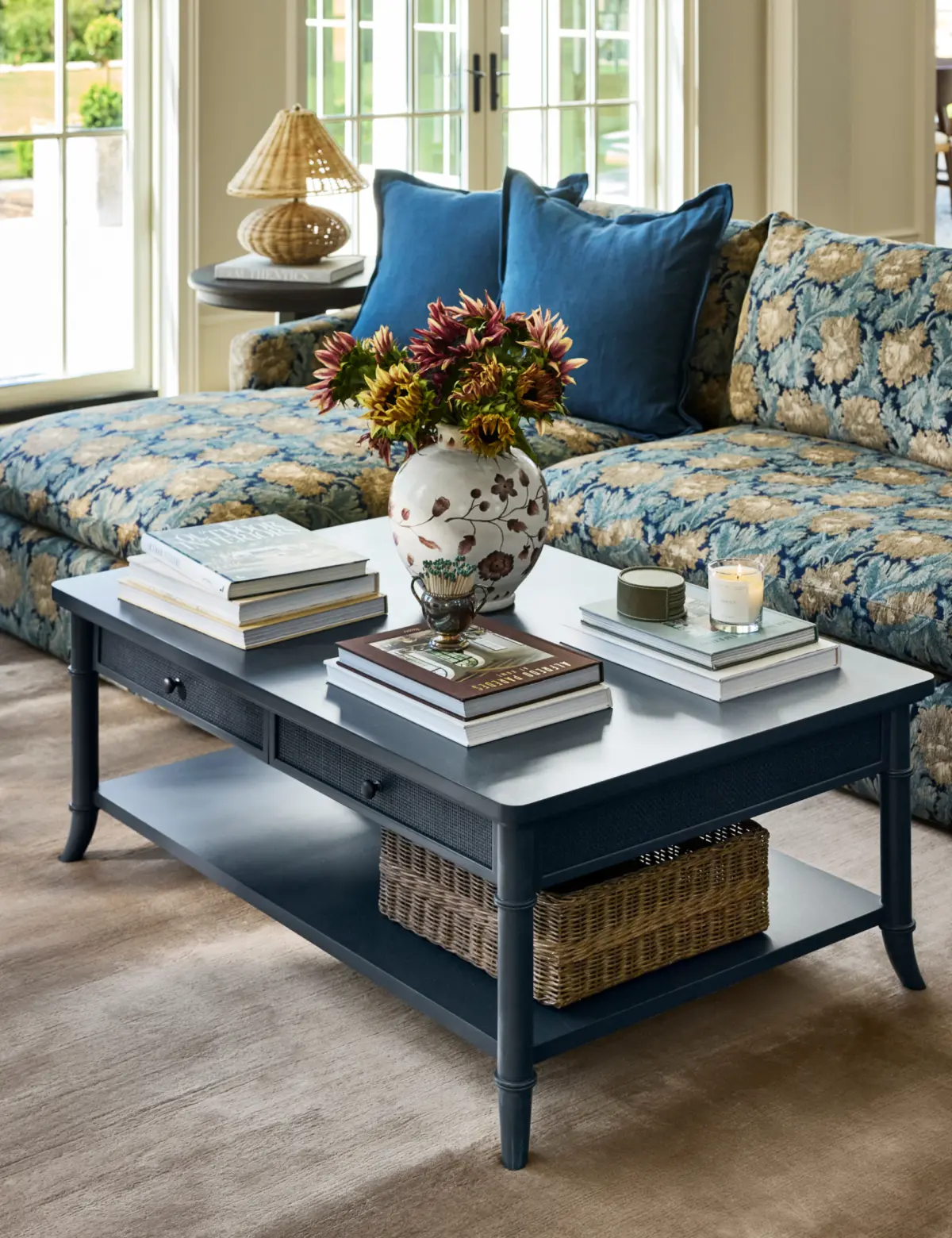
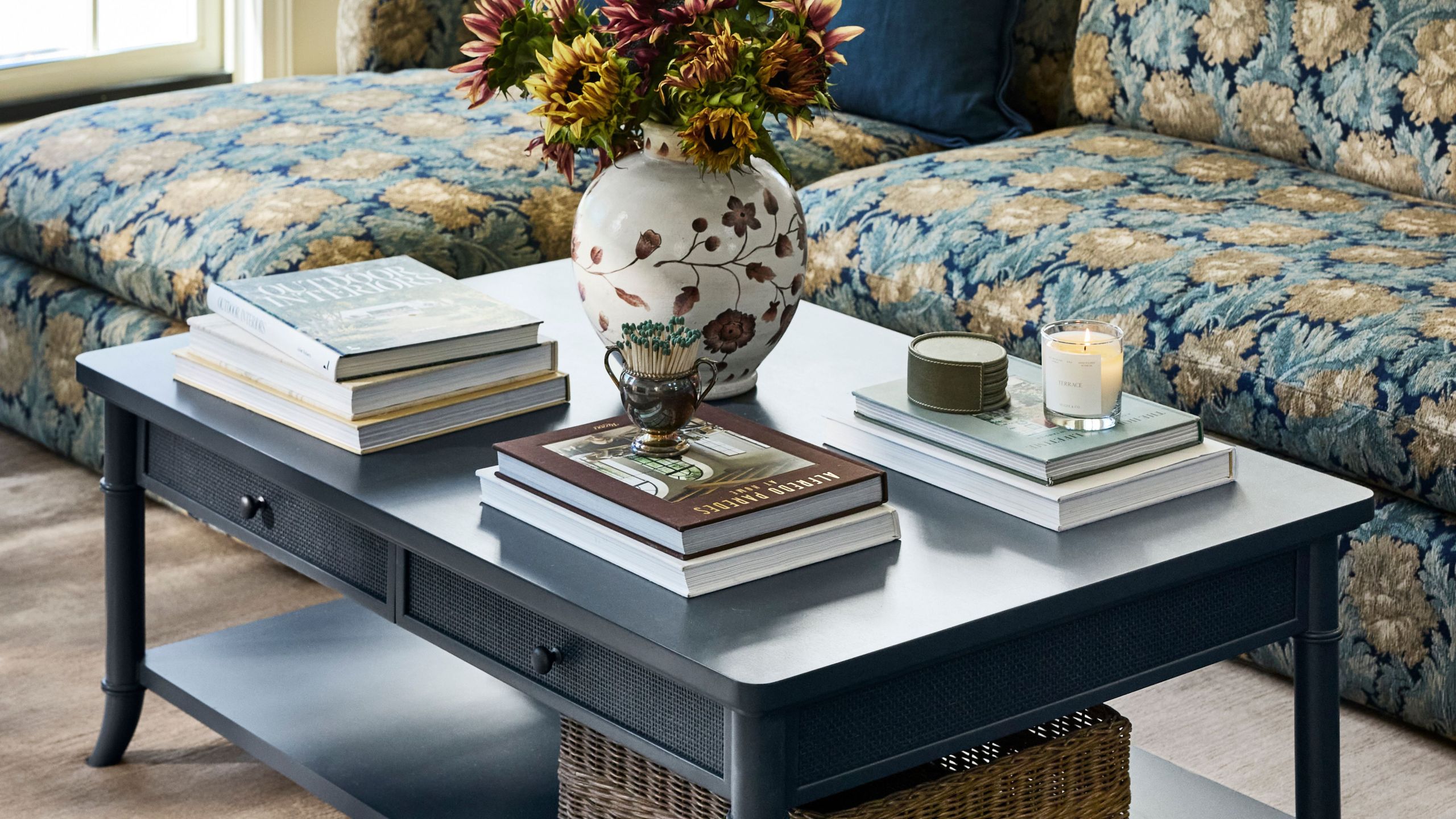
- Maintain a Baseline Foundation: "I style it the same way I would any other time of year," McGee notes. Start with a solid foundation consisting of a stack of coffee table books, a sculptural object, and a source of warm candlelight.
- Introduce a Single Seasonal Layer: Instead of overwhelming the surface, add just one thoughtful nod to the season. "A small gourd, a piece of dried greenery, or a beautiful bowl filled with something natural," McGee suggests. "It’s subtle, but it completely changes the feel of the room."
- Prioritize Functionality Above All: "A coffee table is meant to be used," McGee emphasizes. "It should hold a beautiful candle and your favorite books, but it should also have room for a cup of coffee or a board game with the kids."
- Embrace Negative Space: Homeowners often make the mistake of filling every square inch of a tabletop. McGee advises restraint: "Choose pieces with intention, but don’t feel like every inch needs to be styled. The best coffee tables feel layered, but they leave space for life to happen."
Implications: What This Means for the Future of Home Styling
The rejection of picture frames and novelty kitsch on coffee tables speaks to a broader cultural shift in how we inhabit our homes. We are moving away from spaces designed exclusively for digital consumption—where rooms are treated as mere backdrops for short-form video content—and returning to environments engineered for human comfort, durability, and mental peace.
1. The Rise of "Slow Decor"
Much like the "slow fashion" movement, slow decor encourages buyers to purchase fewer, better things. By choosing artisan-crafted pottery, solid metal taper holders, and timeless literature over mass-market plastic novelties, homeowners reduce waste and cultivate spaces with genuine soul.
2. Form Meets Function Reimagined
Interior architecture is placing renewed emphasis on ergonomics. Furniture pieces are expected to perform multiple duties without compromising aesthetic standards. A coffee table is no longer just a display pedestal; it is an interactive zone for daily life, family connection, and relaxation.
3. Confidence in Subtlety
As consumers mature in their design journeys, there is a growing confidence in understated elegance. As McGee proves, you do not need neon colors or literal interpretations of autumn to make a home feel cozy for the fall. True luxury lies in texture, weight, and the quiet confidence of a well-edited room.
For more expert design ideas, inspiring celebrity home tours, and practical decorating tips straight from the industry’s leading voices, consider signing up for the Homes & Gardens weekly newsletter.
