

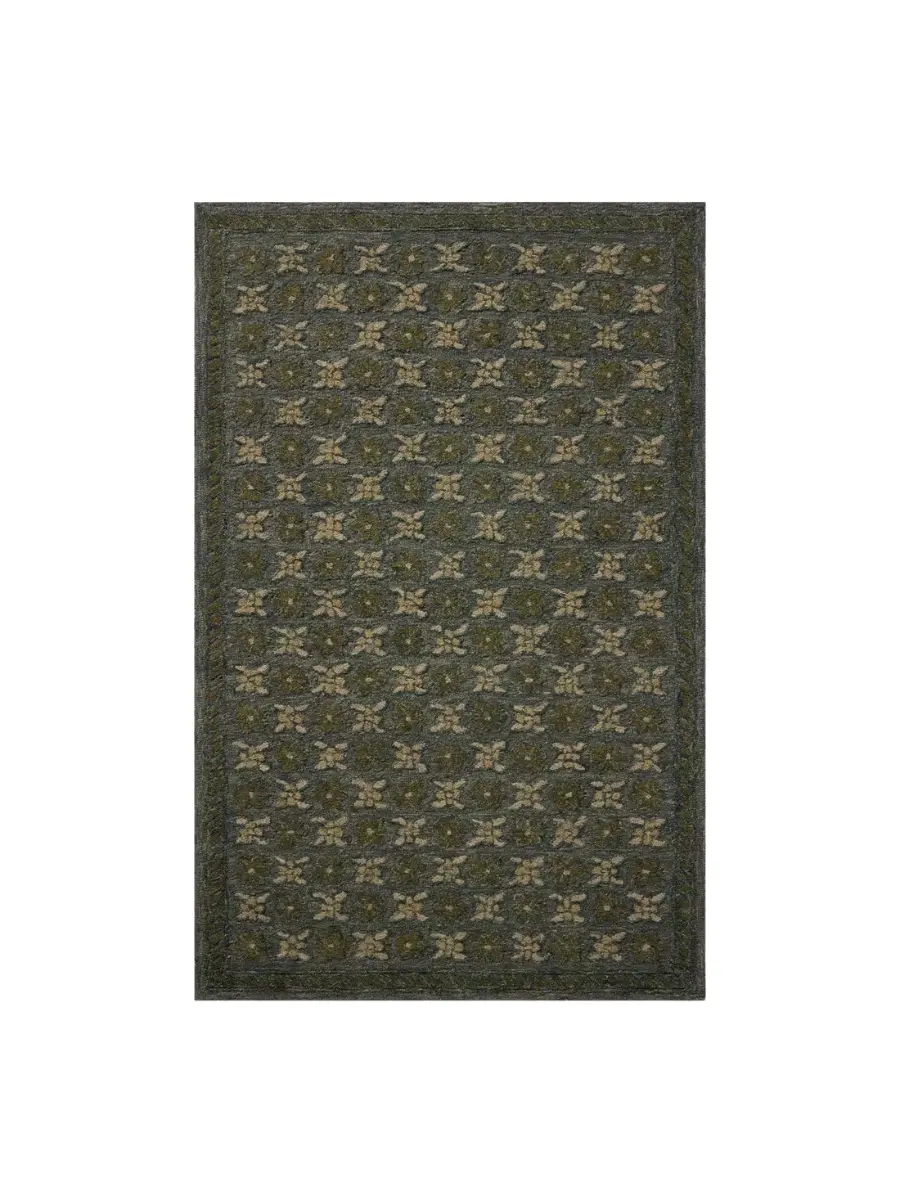
In an era dominated by algorithmic precision and AI-generated perfection—where smooth, sterile lines and hyper-curated aesthetics can often feel remarkably sterile—true design instinct remains an elusive, unteachable art form. It is the lived-in quirks, the subtle asymmetries, and the courageous clashes that give a home a pulse.
These are the exact philosophies that have cemented self-taught designer Heidi Caillier as a darling of the contemporary interior design world, earning her a devoted following among tastemakers and high-profile celebrities alike, including Kendall Jenner.
Fortunately for design enthusiasts working on budgets that don’t stretch to custom architectural interventions, Caillier’s signature ethos of "intentional imperfection" is now more accessible than ever. Following the resounding success of their initial partnership last year, Caillier has teamed up once again with home furnishings giant Joon Loloi to release a sprawling, highly anticipated new lineup featuring 37 distinct rugs and 27 decorative pillows. Ranging in price from just $39 to luxury sizing, the collection bridges the gap between high-end editorial styling and attainable home decor.
Main Facts: The Collaboration and Design Philosophy
At its core, the Heidi Caillier x Joon Loloi collection is a masterclass in controlled chaos. Eschewing the safe, monotonous neutrals that have dominated the market for the past decade, this autumnal-leaning release leans heavily into the unexpected. The lineup features a rich tapestry of folky florals, rustic cross-hatches, and clean Scandinavian-style grids, all designed to shift the seasonal mood through calculated surprises.
- The Scope: The collection comprises 37 unique rugs and 27 decorative pillows.
- Price Point: Items start at an accessible $39, making Caillier’s coveted aesthetic available to a broader audience.
- Aesthetic Direction: Mismatched patterns, unexpected tufted textures, juxtaposed vintage and modern motifs, and earthy tones punctuated by vibrant splashes of sky blue, berry, and rose.
- Core Philosophy: Creating "tension" in a room through unpredictable, layered design elements that mimic a space curated over decades rather than days.
"A rug should do something in a room," Caillier explains. "It should anchor it and maybe complicate it a little. The color and pattern need to hold up against everything else you’ve put in the space, not just sit there."
Chronology: From Self-Taught Passion to Celebrity Designer
To understand the weight of Caillier’s latest collaboration, it is essential to look at the trajectory of her career—one defined by breaking traditional rules and trusting an innate visual compass.
Phase 1: The Formative Years and the Rise of an Aesthetic
Long before she was designing spaces for high-profile clients or collaborating with mass-market powerhouses like Loloi, Heidi Caillier was carving out her own path as a self-taught creative. Working outside the traditional confines of formal design schools, she developed an eye unpolluted by rigid institutional dogma. Her early work focused on Pacific Northwest-inspired coziness—melding moody palettes, natural wood tones, and traditional textiles with a fresh, modern sensibility.
Phase 2: Building a Cult Following and A-List Recognition
As her portfolio expanded, so did her reputation. Characterized by a distinct "grandma chic" sensibility that successfully skirted the line between charmingly nostalgic and overly dated, Caillier’s interiors caught the attention of the design press. Soon, celebrity clients—most notably model and style icon Kendall Jenner—sought out her distinct touch to bring warmth and narrative depth to their properties.
Phase 3: Democratizing Design Through Strategic Partnerships
Recognizing that her high-end residential work was out of reach for many admirers, Caillier pivoted toward product design. Her inaugural collaboration with Joon Loloi last year proved that her sophisticated eye could successfully translate to mass-produced textiles. The debut collection struck a chord with consumers looking to inject character into cookie-cutter builder homes.
Phase 4: The Fall Expansion
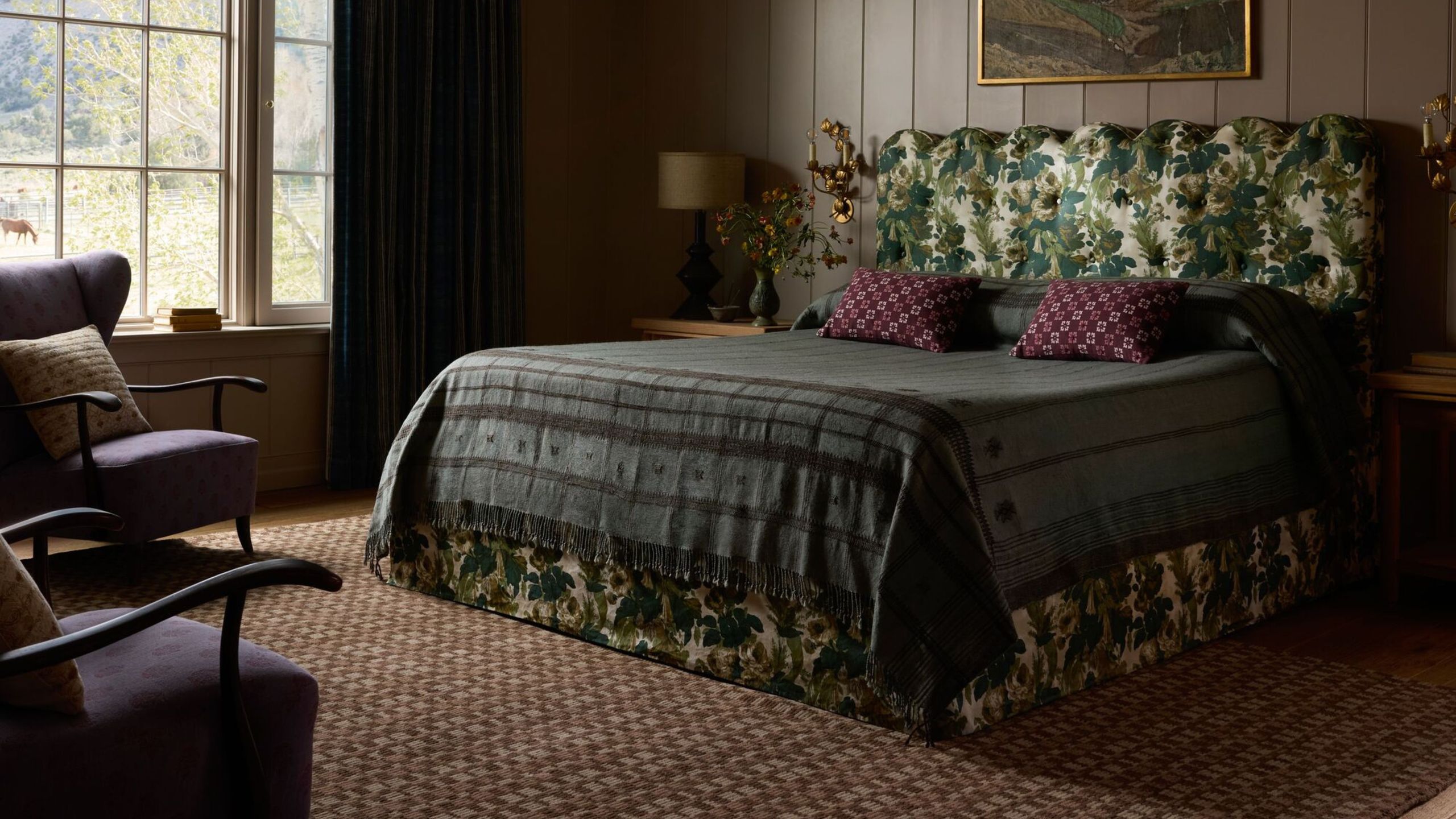
Building on that momentum, the newly launched autumn collection expands significantly on previous themes. By introducing bolder color pairings—such as moss-green prints casually conversing with rich burgundy accents—Caillier has doubled down on her thesis that tension is the secret ingredient to a memorable home.
Supporting Data: The Shift Toward Storytelling Interiors
The timing of Caillier’s new collection aligns with a broader macroeconomic and cultural shift in consumer behavior within the home goods sector. According to recent market analysis in the interior design space:
- The Rise of "Dopamine Decor": Sales of patterned, colorful, and texturally rich home accessories have risen by over 30% year-over-year as consumers move away from minimalist greige palettes.
- Accessibility in Designer Collaborations: Mass-market collaborations (frequently referred to in the industry as "masstige" partnerships) have seen explosive growth. Brands like Joon Loloi note that capsule collections anchored by recognizable interior designers routinely outperform standard inventory by a margin of nearly 2 to 1.
- The Longevity Factor: Consumer research indicates that post-pandemic buyers are increasingly prioritizing items that tell a story. Instead of fast-furniture trends that require complete overhauls every season, shoppers are investing in "anchoring pieces"—such as heritage-inspired rugs—that can anchor evolving rooms for years.
Caillier’s collection directly addresses these metrics. By offering entry-level price points starting at $39 for smaller accessories, Joon Loloi ensures that consumers can experiment with high-design storytelling without making a prohibitive financial commitment.
Official Responses and Creative Insights
In statements surrounding the launch, both the designer and manufacturing partners have emphasized the importance of emotional resonance in modern interior spaces.
"Everything changed when I started trusting my own eye," Heidi Caillier reflected during the collection’s rollout. "I think good interior design has tension. It’s unexpected, a little unpredictable… it should feel like it took a long time, even if it didn’t."
Industry analysts have praised the collaboration for its ability to navigate dangerous aesthetic territory. Mixing florals, plaids, and traditional motifs can easily cross the boundary into overwhelming or tacky. However, industry insiders note that Caillier’s editorial filter successfully elevates the collection.
Mansi Loloi, a representative for the brand, highlighted the collaborative synergy: "Working with Heidi allows us to push our design boundaries. Her ability to merge old-world traditional aesthetics with a fresh, youthful perspective is precisely what today’s consumer is craving. They don’t want perfection; they want personality."
Implications: What This Means for the Future of Home Decor
The success and design language of the Heidi Caillier x Joon Loloi collaboration point to several key implications for the future of residential interior design:
1. The Death of the Algorithmically Perfect Interior
For years, social media platforms like Instagram and Pinterest promoted a homogenized version of modern luxury: white walls, minimalist boucle sofas, and identical, neutral-toned jute rugs. Caillier’s collection—and its warm reception—signals a decisive cultural fatigue with perfection. Consumers are actively seeking out "flaws," history, and visual friction.
2. The Democratization of "Slow Design"
Traditionally, achieving a layered, lived-in look required years of thrift-store hunting, estate sales, and substantial financial investment in antique Persian rugs and bespoke textiles. By capturing the essence of heritage pieces at a mass-market scale (with items starting at $39), collections like this democratize "slow design," allowing renters and first-time homeowners to achieve a collected-over-time aesthetic instantly.
3. The Revival of Maximalist Nostalgia
The successful marriage of moss greens, deep berries, rose tones, and mismatched grids proves that the appetite for elevated maximalism is here to stay. As homeowners spend more time in their living spaces, the psychological need for cozy, cocooning environments—particularly as the seasons shift into autumn—will continue to drive demand for tactile, story-rich environments.
Ultimately, Heidi Caillier’s latest venture with Joon Loloi is more than just a seasonal product drop; it is a reminder that the most compelling spaces are those that embrace the unexpected. In a world desperately trying to manufacture flawlessness, the true luxury is—and always has been—human instinct.
