

MADRID/LISBON — An unforgiving atmospheric furnace has set its sights squarely on the Iberian Peninsula, unleashing an excessive heatwave that meteorologists warn could push temperatures into a staggering and potentially record-shattering 47°C range. As a stubborn "heat dome" of high pressure anchors itself firmly over southwestern Europe, Spain and Portugal are bracing for what experts project will be one of the most intense, dangerous, and physiologically taxing early-summer thermal anomalies in modern meteorological history.
This is not merely a standard summer warm-up; it represents an extraordinary surge of superheated air drawn directly from the scorched expanses of the Sahara Desert. Communities stretching from the sun-baked plains of Andalusia up to the interior plateaus are scrambling to prepare for environmental conditions that will test human endurance, strain local power grids, and push regional infrastructure to its absolute limit. With little to no nocturnal relief in sight, millions of residents face a prolonged crisis of extreme heat.

Main Facts: The Anatomy of an Extreme Thermal Anomaly
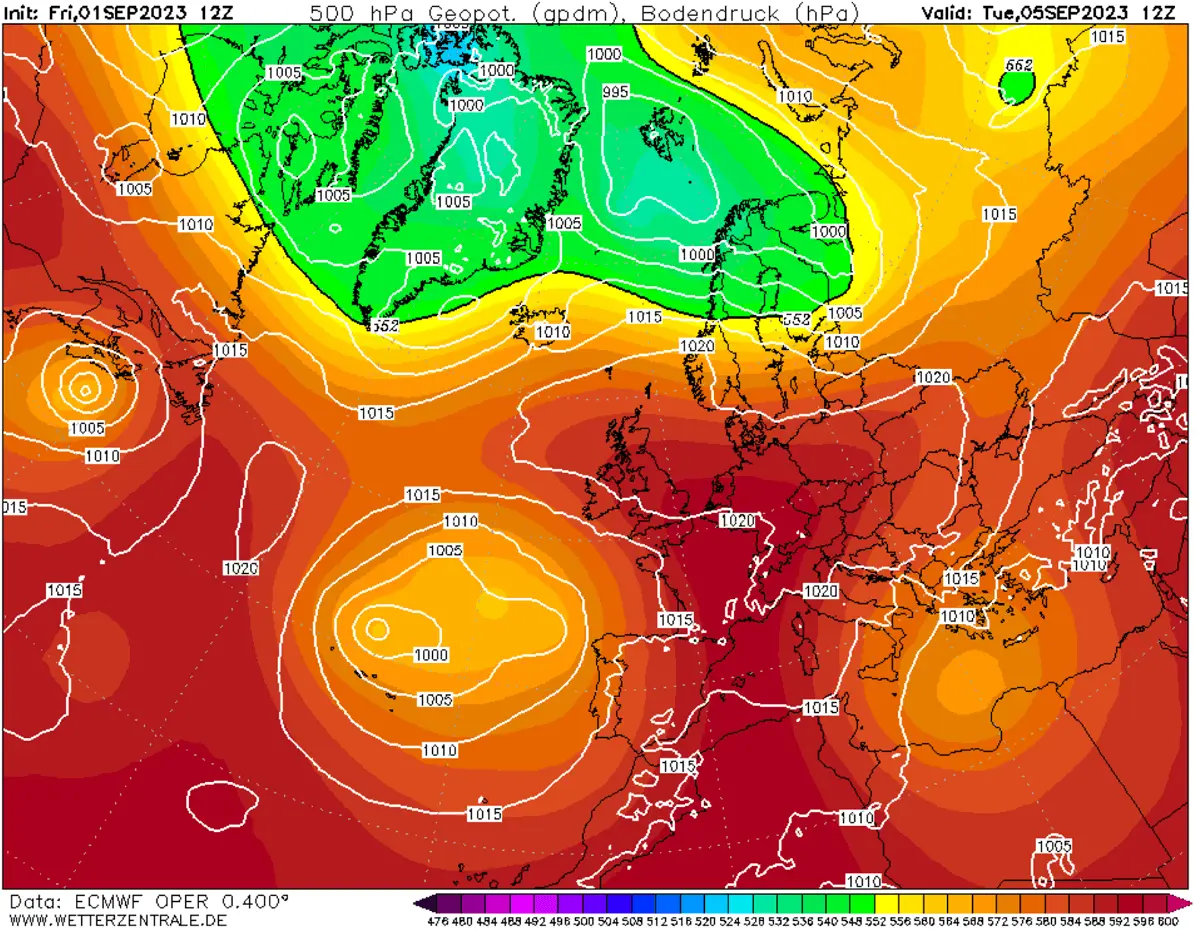
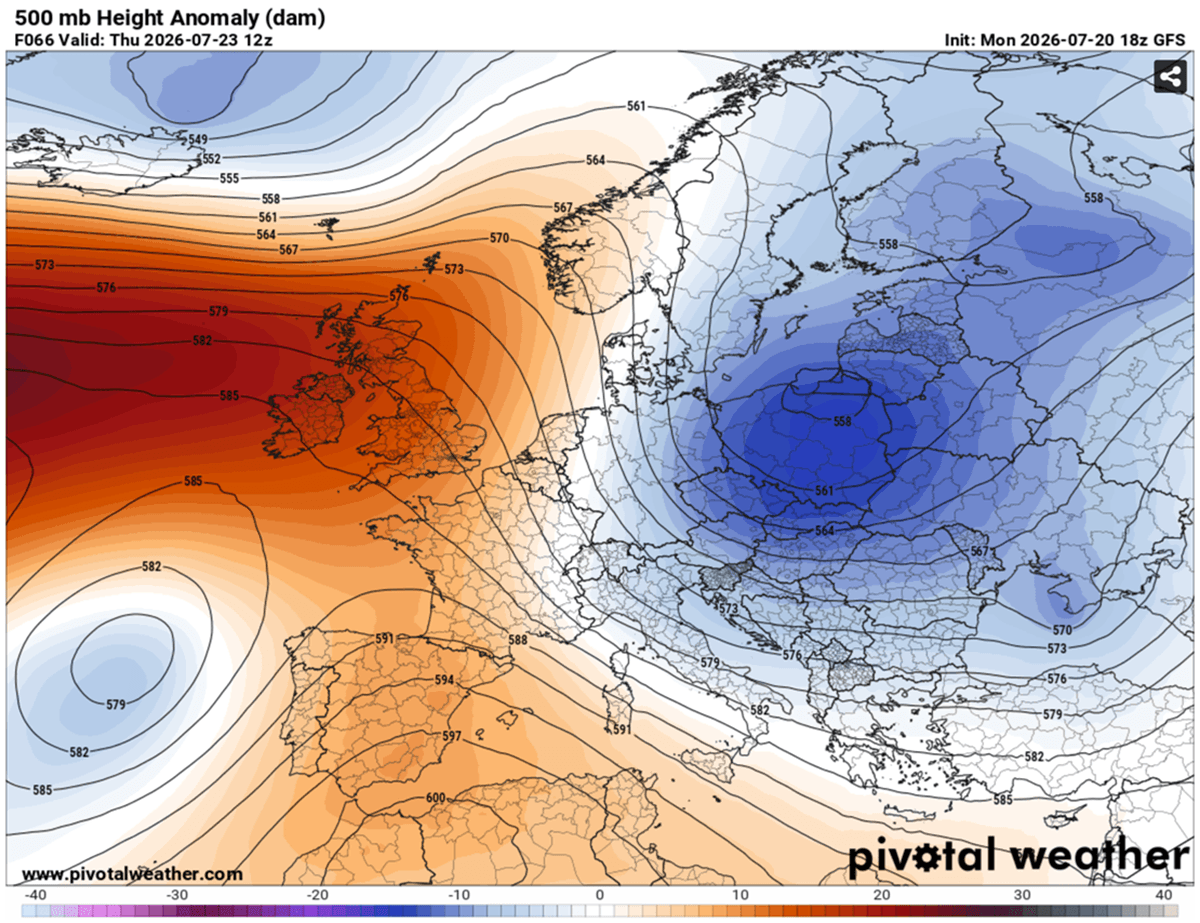
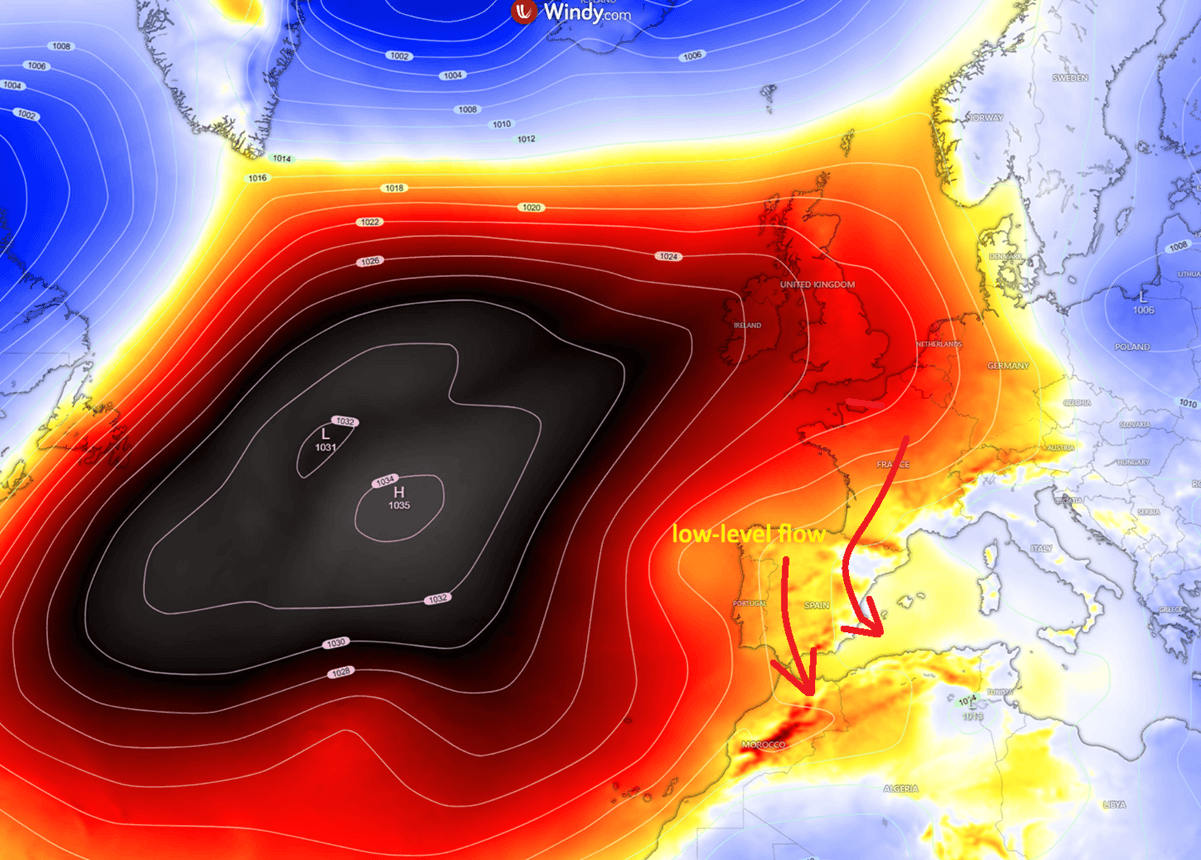
The primary driver of this developing weather crisis is a robust, highly stable atmospheric blocking pattern featuring an expansive upper-level ridge. This classic "heat dome" is currently anchored directly over Southwestern Europe, reinforced by a cut-off low-pressure system lingering to its west. Together, this synoptic architecture creates a powerful atmospheric pump, drawing an exceptionally hot, dry air mass straight from North Africa and driving it across the Mediterranean and the Iberian Peninsula.
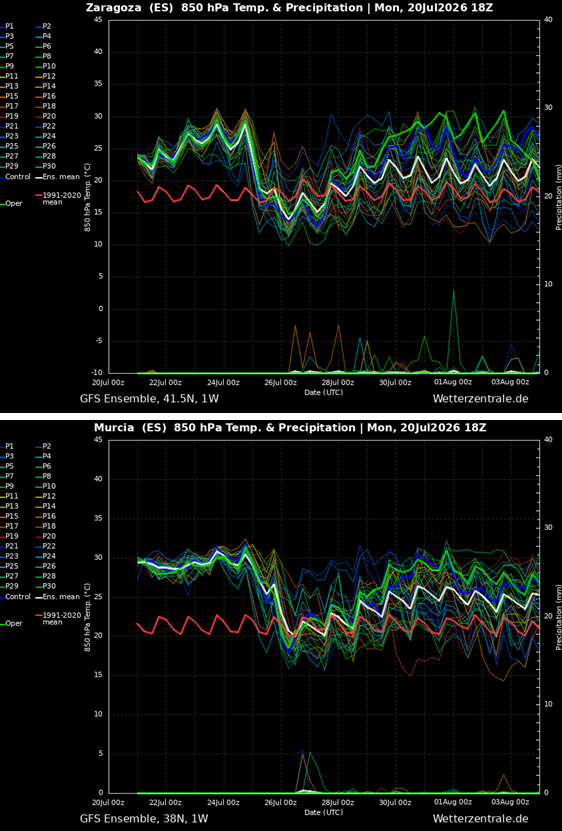
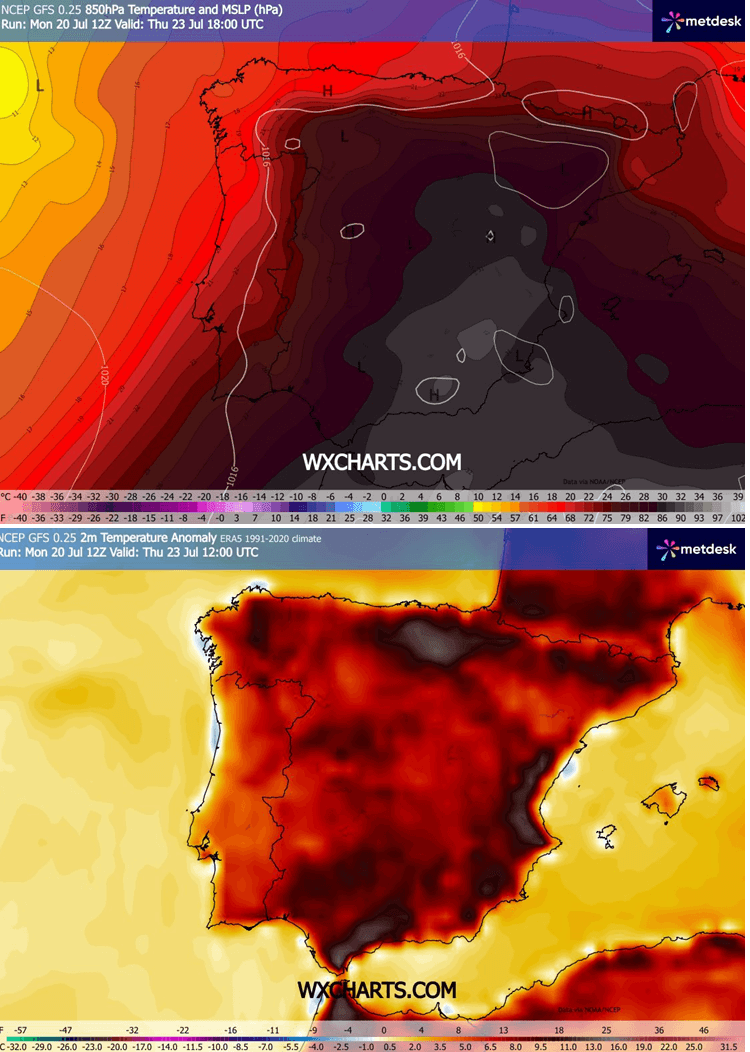
At the 850 mbar level—a standard benchmark for measuring air mass temperatures roughly 1,500 meters above sea level—meteorological models indicate values exceeding 30°C. This means the incoming air mass is roughly 10°C to 15°C above seasonal averages for late July, a rare occurrence historically reserved for near-record-shattering events.
Furthermore, localized terrain dynamics are acting as a force multiplier for the surface heat. As regional winds sweep across the peninsula, descending air masses trigger intense foehn effects over interior plateaus and mountain ranges. This rapid compression causes intense adiabatic warming, stripping the air of any remaining residual moisture and supercharging the temperatures. Consequently, southern and eastern Spanish lowlands—particularly the Guadalquivir and Ebro river valleys, alongside regions like Murcia, Alicante, Valencia, and Castilla-La Mancha—are primed to record the most severe temperature spikes.
Crucially, nighttime relief will be virtually nonexistent. Forecasters predict overnight lows will stubbornly hover in the mid- to upper 20s°C across vast stretches of the interior and southern coastlines. This absence of cooling overnight prevents the human body from recovering from daytime thermal stress, compounding physiological exhaustion and raising public health risks exponentially.
Chronology: The Evolution of the Heat Dome
The roots of this heatwave trace back to North Africa and the central Mediterranean, where an extreme reservoir of heat built up through the early part of the week.
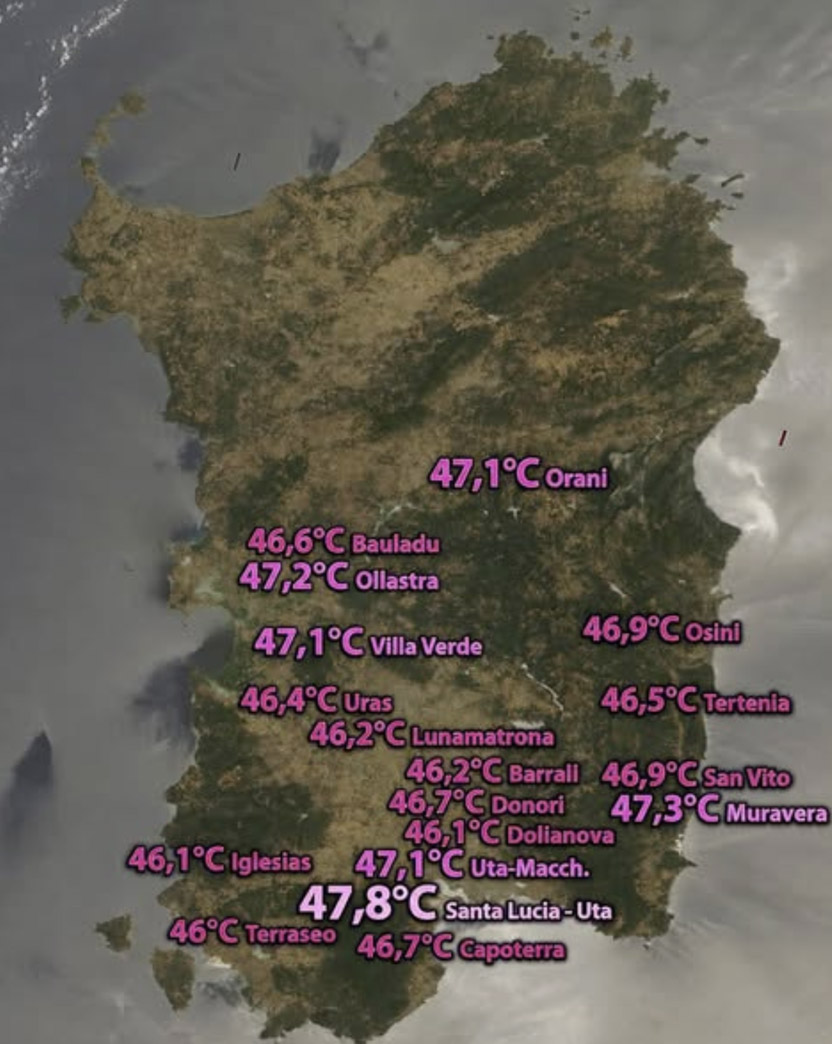
- Early Week (North African and Mediterranean Precursors): Algeria and Tunisia recorded blistering temperatures touching 49°C. Simultaneously, across the Mediterranean, the island of Sardinia found itself at the spearhead of this northward-moving warm plume. Over the weekend, automated weather stations in Sardinia logged astonishing figures: Santa Lucia-Uta reached 47.8°C, Muravera hit 47.3°C, Ollastra recorded 47.2°C, and stations in Orani, Villa Verde, and Uta-Macchiareddu peaked at 47.1°C.
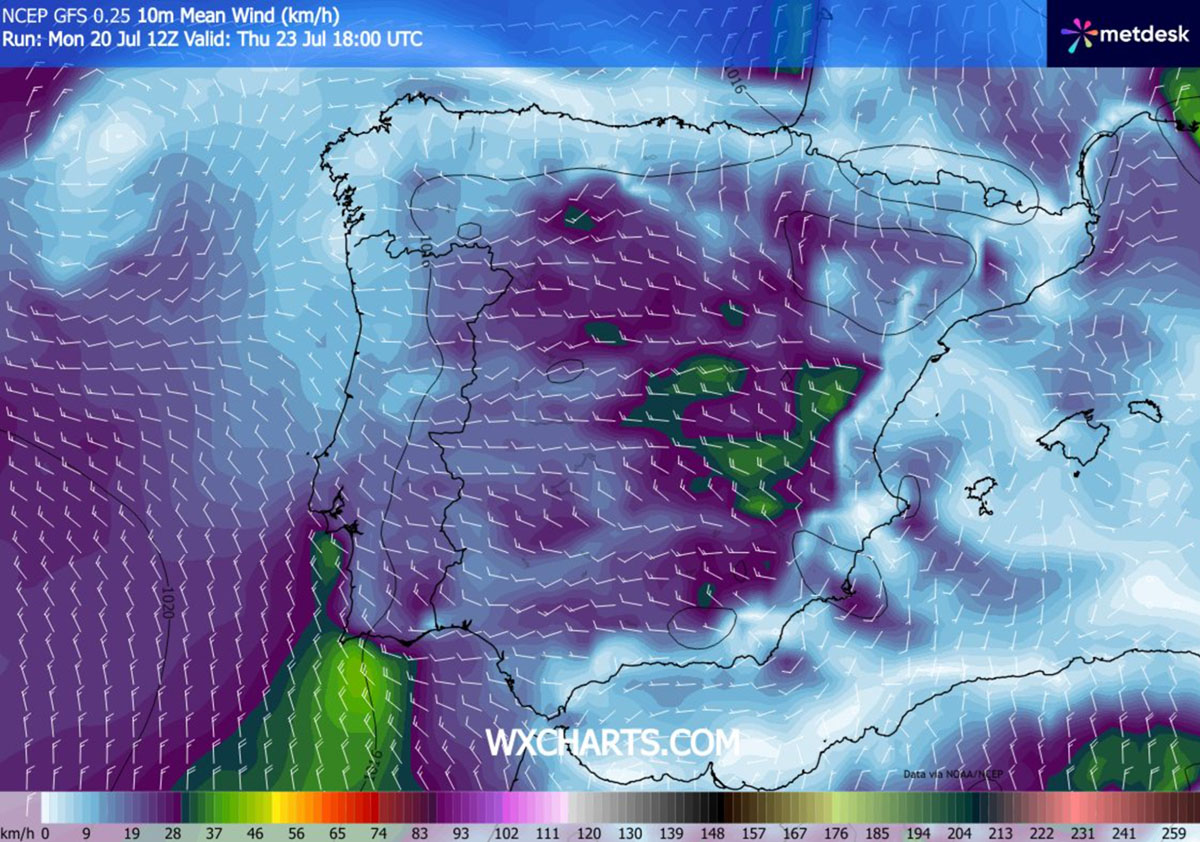
- Midweek (The Omega Block Retrogrades West): As the week progresses, the blocking high-pressure system retrogrades westward, sliding directly over the Iberian Peninsula. Surface pressure rises under the influence of the sprawling Azores High, establishing a dominant northerly and westerly near-surface flow. This forces air masses off the high central plateaus down into the sun-drenched lowlands of eastern and southern Spain.
- Wednesday (Initial Surge): Global weather models, including the GFS and the regional French ARPEGE model, show peak afternoon temperatures climbing to between 42°C and 44°C across central Spain and the southern lowlands. The remainder of Spain and neighboring Portugal experience widespread afternoon highs ranging from 34°C to 40°C.
- Thursday (The Peak Intensity): The air mass undergoes further compression and warming, driving central Spain into the low 40s°C, while eastern and southern lowlands soar to between 44°C and 46°C. Localized valley areas—most notably across Murcia, Alicante, and Valencia—risk punching through the 46°C ceiling to flirt with 47°C. Meanwhile, the Ebro Valley anticipates peaks hitting 43°C to 44°C, and southern France prepares for upper-30s°C readings.
- Friday (The Final Push and Atlantic Relief): Friday marks the final chapter of this intense phase. Southern and eastern lowlands, along with the Ebro Valley, hover near 45°C for a final day. However, western regions begin to experience a shift as a slightly more humid air mass pushes in from the Atlantic, initiating a gradual cool-down. Portugal will see a noticeable drop, with maximums retreating to the upper 20s°C and low 30s°C.
Supporting Data: Historical Context and Benchmarks
To understand the severity of this forecast, meteorologists look to past climatic milestones recorded by Spain’s state meteorological agency, AEMET, and international bodies.
The current official Spanish record stands at an astonishing 47.6°C, registered at La Rambla in the Córdoba countryside within the Guadalquivir basin. On that same infamous day during past historic heatwaves, nearby Montoro reached 47.4°C, while Córdoba Airport peaked at 46.9°C.
For broader context, the all-time European temperature record is 48.8°C, observed in Syracuse, Sicily, on August 11, 2021, and officially verified by the World Meteorological Organization (WMO). This edges out the long-standing previous European record of 48.0°C set in Athens and Elefsina, Greece, on July 10, 1977.
Consequently, Spain’s national high of 47.6°C sits a mere 1.2°C below the all-time European continent record. While forecasts do not explicitly predict breaking the absolute national record this week, models indicate that regional benchmarks are under severe threat:
- Murcia / Alcantarilla Air Base: The modern official benchmark for this region is 47.0°C, set on August 15, 2021, while Murcia city proper reached 46.2°C that same afternoon. Meteorologists identify Murcia as the prime candidate for record-challenging spikes this week.
- Castlla-La Mancha: The regional peak is held by Talavera de la Reina at 45.5°C (August 14, 2021), supported closely by Almadén (45.4°C), Puertollano (45.0°C), and Puebla de Don Rodrigo (44.8°C).
- The Ebro Valley: The benchmark stands at 44.5°C, recorded at Zaragoza Airport on July 7, 2015. Current model projections suggest this regional ceiling could be closely approached or tested.
Official Responses and Socioeconomic Implications
The consequences of a thermal dome of this magnitude extend far beyond mere physical discomfort, threatening critical infrastructure, public health, and environmental security across southwestern Europe.
Public Health and Vulnerable Populations
Health authorities have gone on high alert. Prolonged exposure to extreme heat and high humidity significantly elevates the risk of heat exhaustion, severe dehydration, dizziness, and life-threatening heat stroke. Medical professionals emphasize that vulnerable demographics—including the elderly, young children, and individuals with pre-existing cardiovascular or respiratory conditions—are at extreme risk. Furthermore, socioeconomic disparities leave economically disadvantaged populations uniquely exposed, as many low-income housing units are constructed with heat-trapping materials like concrete and asbestos, lacking adequate cooling infrastructure.
Occupational Hazards
Outdoor workers, including agricultural laborers, construction personnel, and municipal maintenance crews, face hazardous working conditions. Labor inspectorates across Spain and Portugal are urging employers to adjust working hours, mandate frequent hydration breaks, and halt strenuous outdoor labor during peak afternoon radiation windows to prevent occupational heat illnesses and fatalities.
The Wildfire Crisis
Compounding the immediate health risks is an escalating environmental threat. The combination of record-breaking ambient temperatures, bone-dry soils, and moderately strong, parched winds creates a tinderbox scenario across the Iberian Peninsula. Relative humidity values are projected to plummet to critical lows, providing ideal conditions for the ignition and explosive spread of wildfires. Forestry agencies have placed firefighting units on maximum alert, warning that any spark could rapidly translate into an uncontainable blazes across tinder-dry forests and agricultural lands.
What is a Heat Dome? Understanding the Science
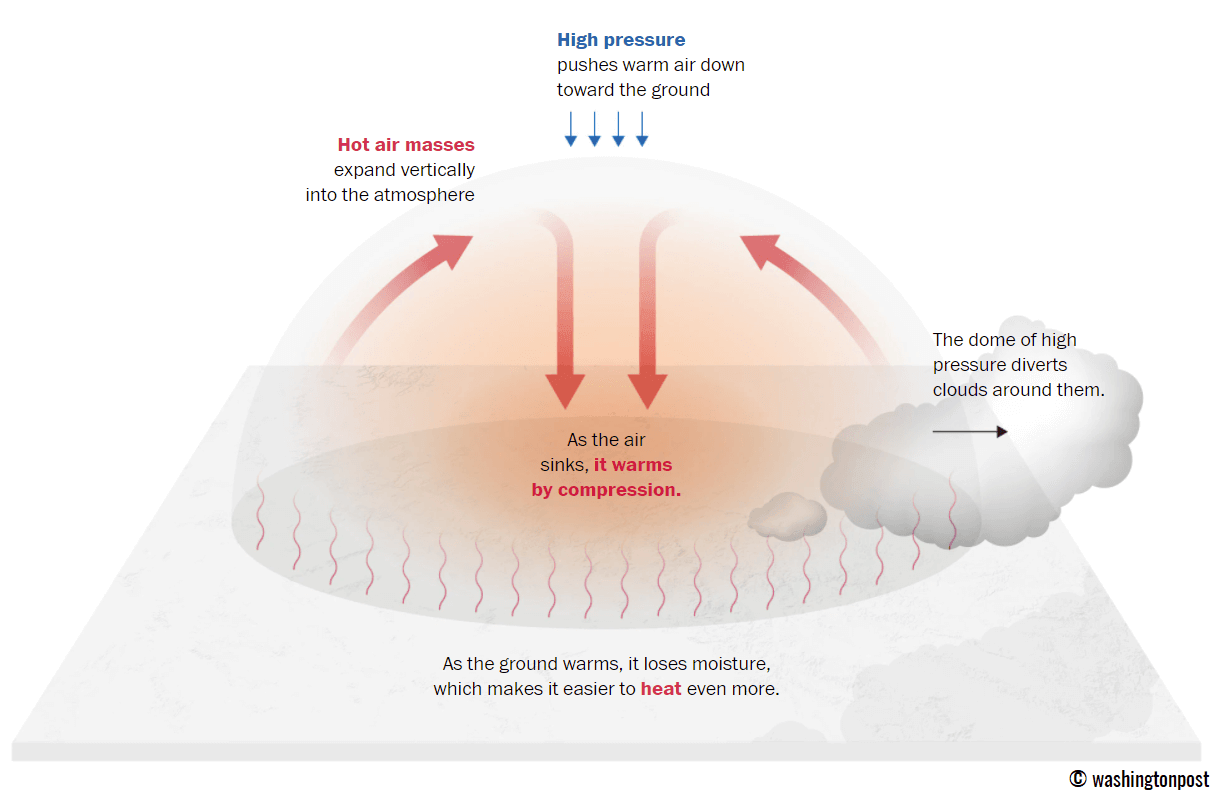
The term "heat dome" has increasingly entered public lexicon during major climate anomalies in Europe, North America, and beyond. Structurally, a heat dome is formed by a persistent, large-scale upper-level ridge—often referred to as an upper high or blocking high—that settles over a vast geographic area for an extended period, ranging from several days to multiple weeks.
Meteorologically, the phenomenon operates akin to a physical lid placed over a pot of boiling water. The sprawling high-pressure system forces air downward toward the surface. As this air descends, it compresses and warms adiabatically, trapping a vast reservoir of stifling air at lower elevations. Cloud cover is systematically suppressed by the sinking air mass, allowing uninterrupted, intense solar radiation to bake the terrain beneath.
When coupled with dry soil moisture conditions—a frequent byproduct of preceding dry spells—the sun’s energy goes entirely into sensible heat (raising the air temperature) rather than latent heat (evaporating moisture), supercharging surface temperatures to historic extremes.
Conclusion and Outlook
As the Iberian Peninsula steels itself for the peak of this intense thermal event through Thursday and Friday, atmospheric scientists and civil protection agencies remain locked in round-the-clock monitoring. While a gradual relaxation of the heat dome is anticipated over the weekend as Atlantic moisture begins to seep back into western fringes, the event serves as a stark reminder of the escalating intensity of summer thermal anomalies in southwestern Europe.
Meteorological services will continue tracking whether the blocking high-pressure pattern reconfigures or retrogrades back into Western and Central Europe as July draws to a close. Residents in affected regions are strongly advised to heed local civil protection warnings, limit outdoor exertion, check on vulnerable neighbors, and remain vigilant against the heightened danger of wildfires.
