

Introduction: The Enduring Appeal of the Patterned Couch
Minimalists, take a collective deep breath—patterned sofas are officially refusing to go quietly into the design night. Long relegated in popular memory exclusively to the 1970s, these playful, statement-making furnishings do far more than just fill a corner; they elevate the ordinary into a vibrant expression of warmth, individuality, and charm. Far from being a fleeting design fad destined for the clearance aisle, the patterned sofa is a retro staple that proves its staying power generation after generation.
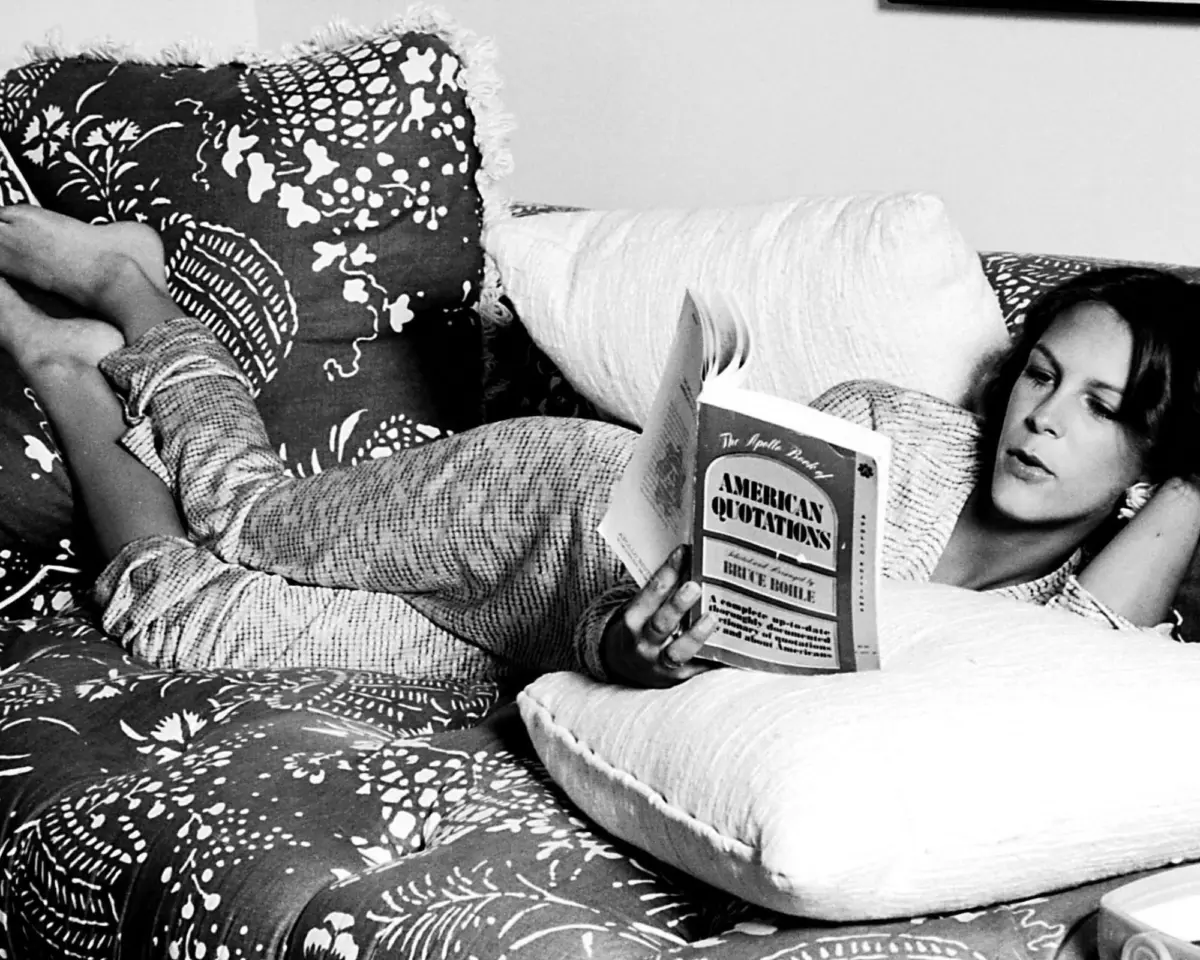
For proof of this timeless aesthetic, one need look no further than perpetual style icon Jamie Lee Curtis. Known throughout her decades-long career for being effortlessly cool and subtly ahead of the curve, Curtis was championing this exact look in her own living space nearly half a century ago. A resurfaced photoshoot from 1977 inside her Beverly Hills home reveals a sophisticated, softly floral-patterned couch, seamlessly complemented by curated artwork and minimalist round throw pillows.

Though 48 years have passed since those snapshots were captured, Curtis’s retro living room layout would look entirely at home in a contemporary interior today. Rather than marking a temporary resurgence of a hyper-specific ’70s trend, the patterned sofa is revealing itself to be a permanent, resilient fixture of interior architecture.
Main Facts: The Intersection of Celebrity Style and Interior Longevity
The core narrative surrounding the resurgence of patterned upholstery centers on a shift in consumer psychology. As homeowners increasingly lean away from sterile, monochromatic gray-and-white spaces, they are seeking interiors that exude personality and character.
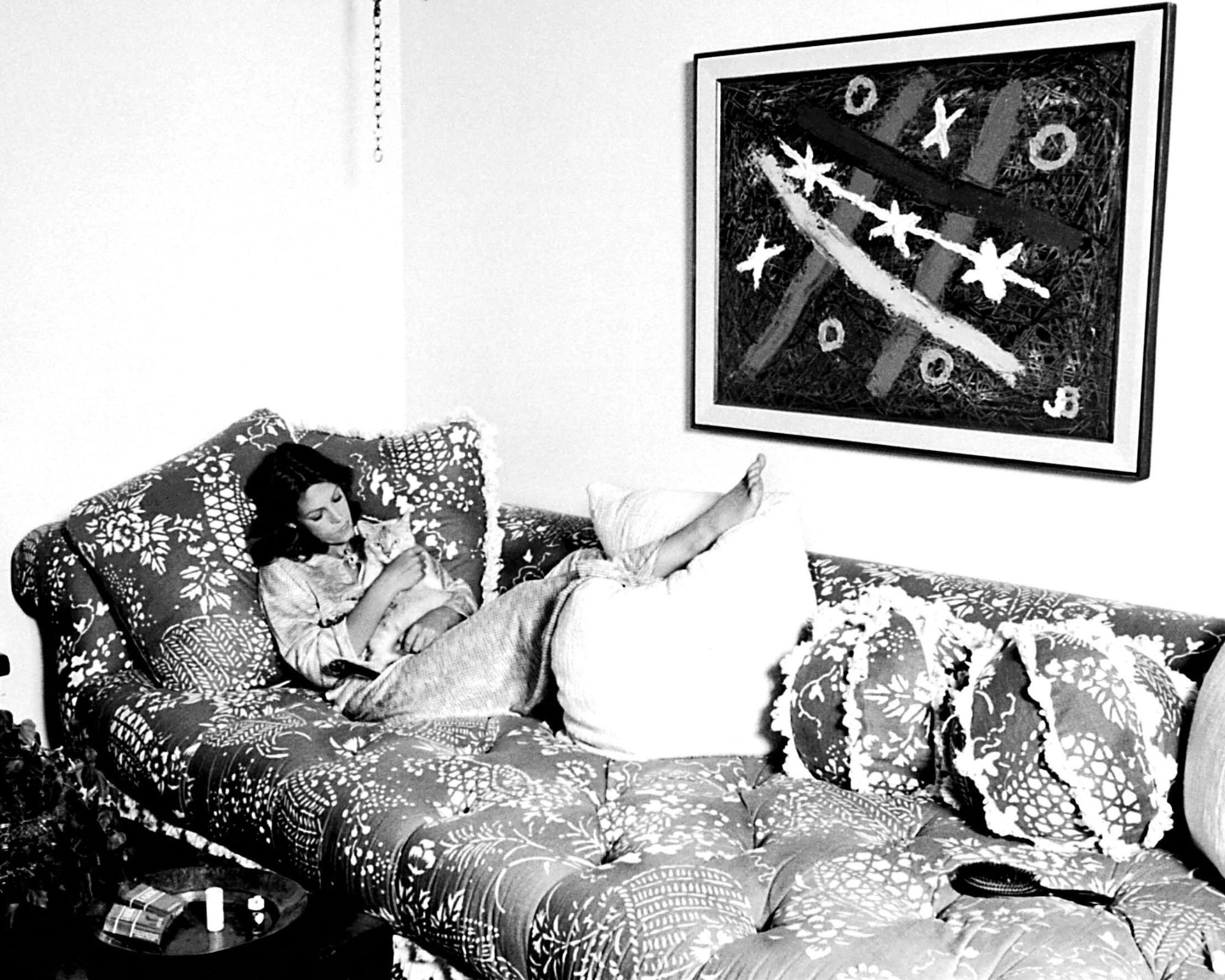
- The Historical Anchor: Jamie Lee Curtis’s 1977 Beverly Hills home serves as a primary historical touchstone, proving that classic floral and geometric prints have anchored sophisticated celebrity spaces for decades.
- The Trend vs. Staple Debate: While often associated with the maximalist waves of the 1970s, design authorities emphasize that choosing the right pattern elevates a sofa from a risky seasonal trend to a foundational, long-term investment.
- Practical Advantages: Beyond aesthetics, interior experts note that patterned upholstery offers a functional superpower—it is exponentially more forgiving of stains, pet hair, and daily wear-and-tear than a solid neutral fabric.
Chronology: From 1970s Retro to 2026 Living Room Essential
To understand how the patterned sofa has reclaimed its throne, it helps to trace its journey through modern design history:
1. The 1970s Heyday
During the 1970s, patterned furniture was the absolute pinnacle of domestic expression. Couches wrapped in sprawling florals, bold stripes, and rich jacquards dominated living rooms. It was an era defined by warmth, tactile fabrics, and an unapologetic embrace of color. Jamie Lee Curtis’s 1977 Beverly Hills home photoshoot captures the early, elegant execution of this trend: a subtle floral sofa paired against crisp white walls, demonstrating that even a busy pattern could feel grounded and breathable.
2. The Minimalist Interlude (1990s–2010s)
As decades shifted, interior design trended toward cleaner lines, minimalism, and safety. The rise of the millennial gray aesthetic, beige-heavy Scandinavian minimalism, and industrial loft styles pushed bold patterns to the margins. Sofas became large, neutral blocks designed to blend into the background rather than demand attention.
3. The Contemporary Renaissance (Present Day to 2026)
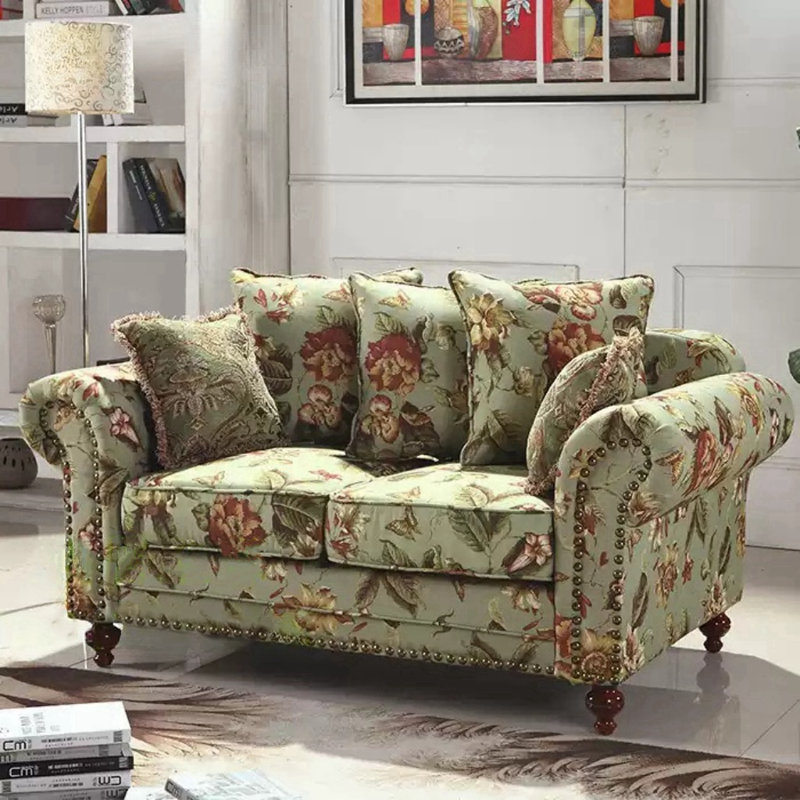
As we look toward 2026, the pendulum has swung firmly back. Homeowners are suffering from "neutral fatigue." Seeking spaces that tell a story and reflect individual identity, interior enthusiasts are once again embracing upholstered statements. The modern iteration, however, is more refined—pairing classic patterns with updated silhouettes, curved frames, and sustainable materials.
Supporting Data and Design Perspectives: Expert Insights
To dive deeper into the mechanics of styling and investing in a patterned couch, design professionals point out that while the look is welcoming, it requires a deliberate strategy.
Magdalena Gierasinska, a prominent design expert at Barker and Stonehouse, highlights the driving forces behind the movement: "Patterned sofas are trending as the demand for more characterful and colorful interiors continues to rise."
However, Gierasinska cautions against impulse-buying a statement piece purely for social media clout. Because a sofa represents a significant financial and domestic commitment, longevity must be prioritized. "Buying a sofa is a big investment, so it’s important to consider this purchase carefully and not to blindly follow trends," she advises. "After all, a sofa isn’t something that is swapped out at the start of a new season or in line with changing trends."
For those hesitant to commit to a full-scale floral or striped couch, Gierasinska and other interior stylists recommend a "try before you buy" methodology:
- Order Fabric Swatches: Always view samples in your home’s specific natural and artificial lighting to see how the colors interact with your walls and flooring.
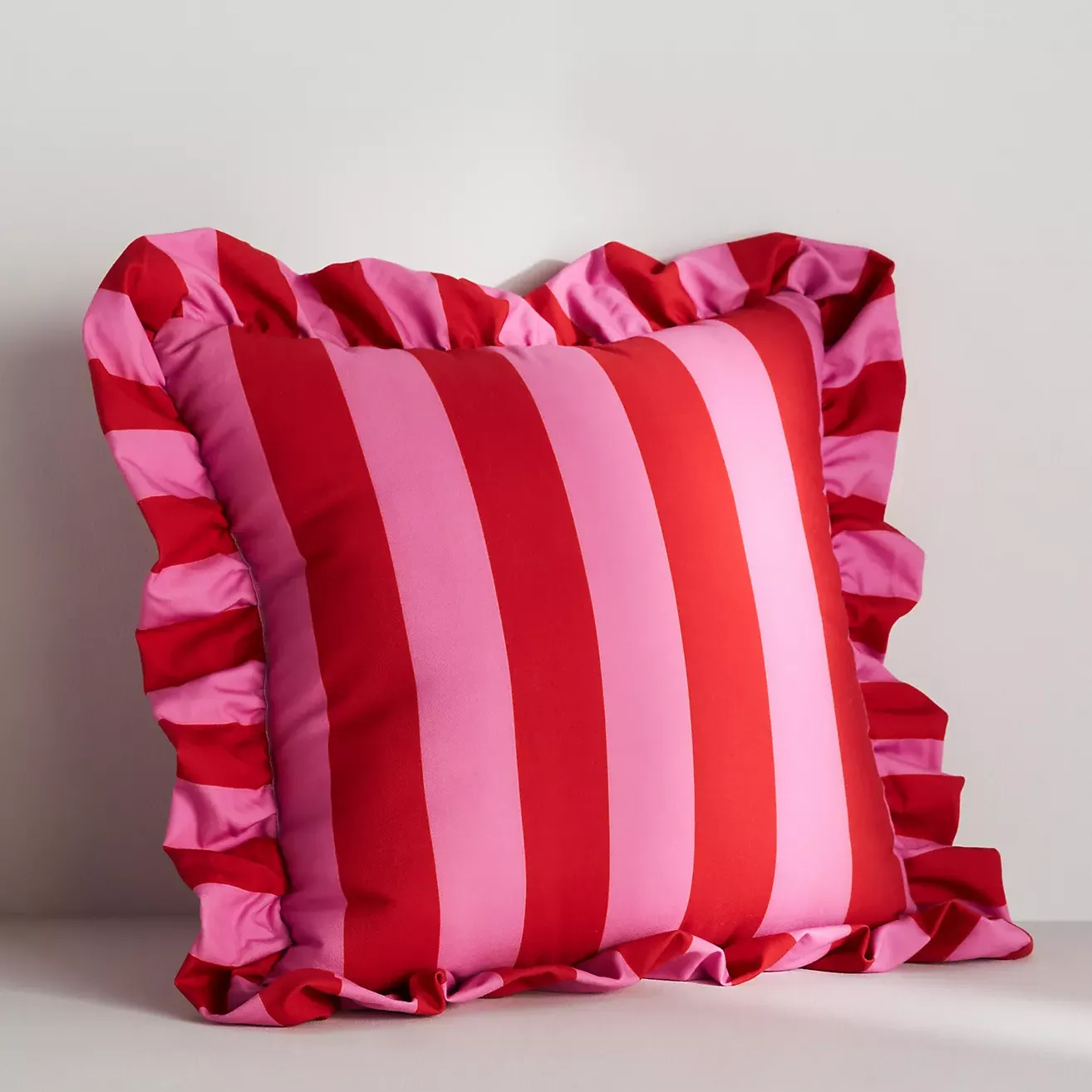
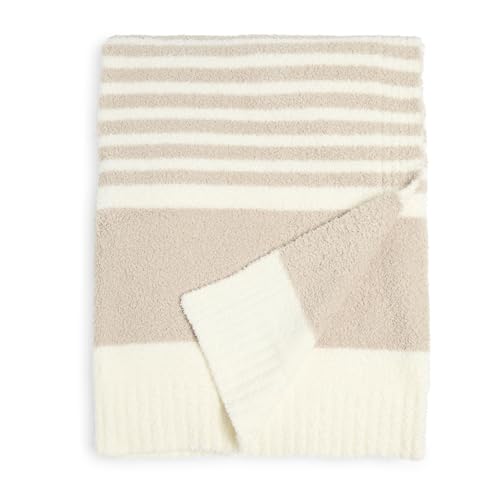
- Start Small with Accessories: Test out the visual weight of patterns using lower-commitment items, such as throw pillows, blankets, or patterned lampshades, before purchasing an upholstered anchor piece.
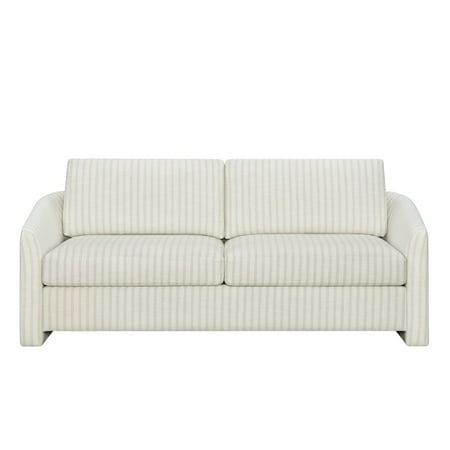
- Stick to Timeless Motifs: Avoid hyper-trendy graphic shapes if you want longevity; instead, lean into time-tested patterns like traditional florals, checks, or classic stripes.
Official Responses and Industry Reactions
The commercial market has rapidly responded to this consumer shift. Major furniture retailers and boutique design houses have reported a measurable spike in requests for custom upholstery featuring botanical prints, jacquards, and traditional English roll-arm silhouettes.
Furthermore, interior curators note that the return of the patterned couch is heavily linked to the broader wellness movement in interior design. Homes are increasingly viewed as sanctuaries meant to evoke emotional comfort rather than showroom perfection. Patterns introduce biophilic elements—such as organic botanical motifs and earthy color palettes—which psychological studies show help reduce stress and foster a deeper connection to nature indoors.
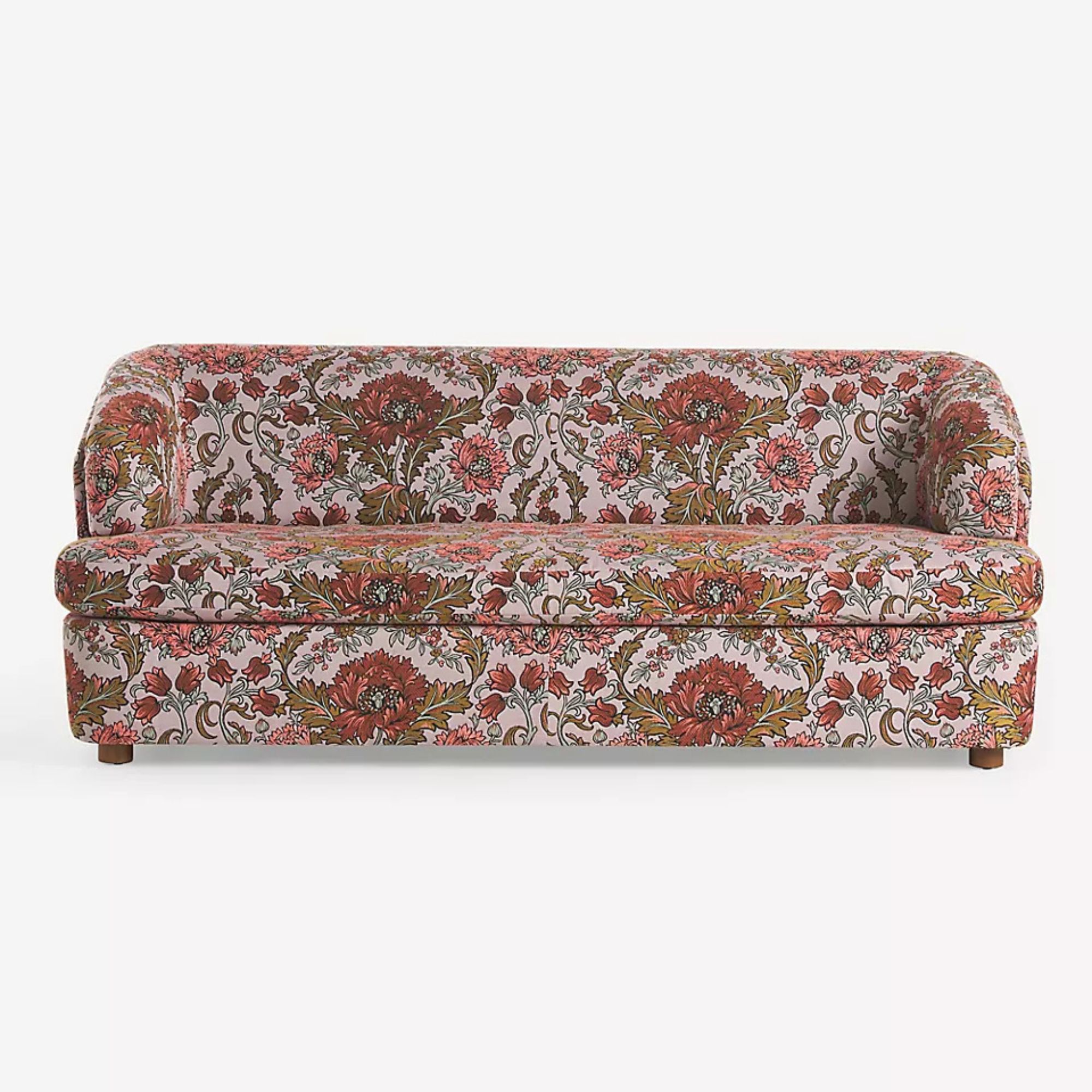
When styling these statement pieces, industry consensus advises leaning into one of two distinct approaches:
- The Minimalist Contrast: Channel Jamie Lee Curtis by placing a vibrant, patterned sofa against stark, neutral walls and pairing it with pale wooden furniture. This allows the sofa to function as a singular, unobstructed piece of art.
- The Maximalist Harmonization: Layer the space by combining the patterned sofa with complementary accessories—such as patterned rugs, contrasting lampshades, and textured throws—ensuring a unified colorway ties the entire scheme together cohesively.
Implications: What This Means for Future Interior Design
The resurgence of the patterned sofa signals a broader, permanent cultural rejection of disposable, fast-furniture minimalism. As consumers grow more conscious of sustainability, durability, and emotional resonance in their living spaces, furniture is increasingly chosen for its character rather than its ability to blend into the background.

By choosing a patterned sofa, homeowners are making a deliberate statement in favor of personality, nostalgia, and longevity. Whether you draw inspiration from Hollywood royalty like Jamie Lee Curtis in 1977 or modern design forecasts for 2026, the message is clear: the patterned couch is no longer a relic of the past, but a cornerstone of future-proof interior design. For those looking to inject warmth, history, and whimsy into their homes, a beautifully upholstered statement sofa remains the absolute best place to begin.
