

As the lazy, sun-drenched days of summer begin to wane, many gardeners assume their outdoor sanctuaries have entered a period of inevitable decline. The vibrant hues of June and July often give way to tired foliage, spent blossoms, and a general slowing of growth. However, seasoned horticulturists and homesteading experts know that August is not a time to pack away the trowel; rather, it is a critical pivot point in the seasonal calendar. Neglecting your garden during the final weeks of summer can sabotage your late-season display, leaving you with a stark, bare landscape long before autumn officially arrives.
To prioritize your late-summer checklist and rescue your landscape from premature dormancy, experts emphasize one crucial task that is frequently overlooked: the strategic removal of seed heads. By acting before summer turns to crisp autumn, gardeners can redirect their plants’ remaining energy into a final, spectacular burst of blooms, bridging the gap between seasons with rich color and visual interest.
Main Facts: The August Deadheading Window
The core principle behind late-summer maintenance is deceptively simple: plants are biologically programmed to reproduce. Once a flower is pollinated and begins to fade, the plant shifts its metabolic energy away from petal production and toward the creation of seeds within the developing seed head.
According to Lindsey Chastain, a dedicated homesteader and founder of The Waddle and Cluck, removing these seed heads in August halts that energy drain.
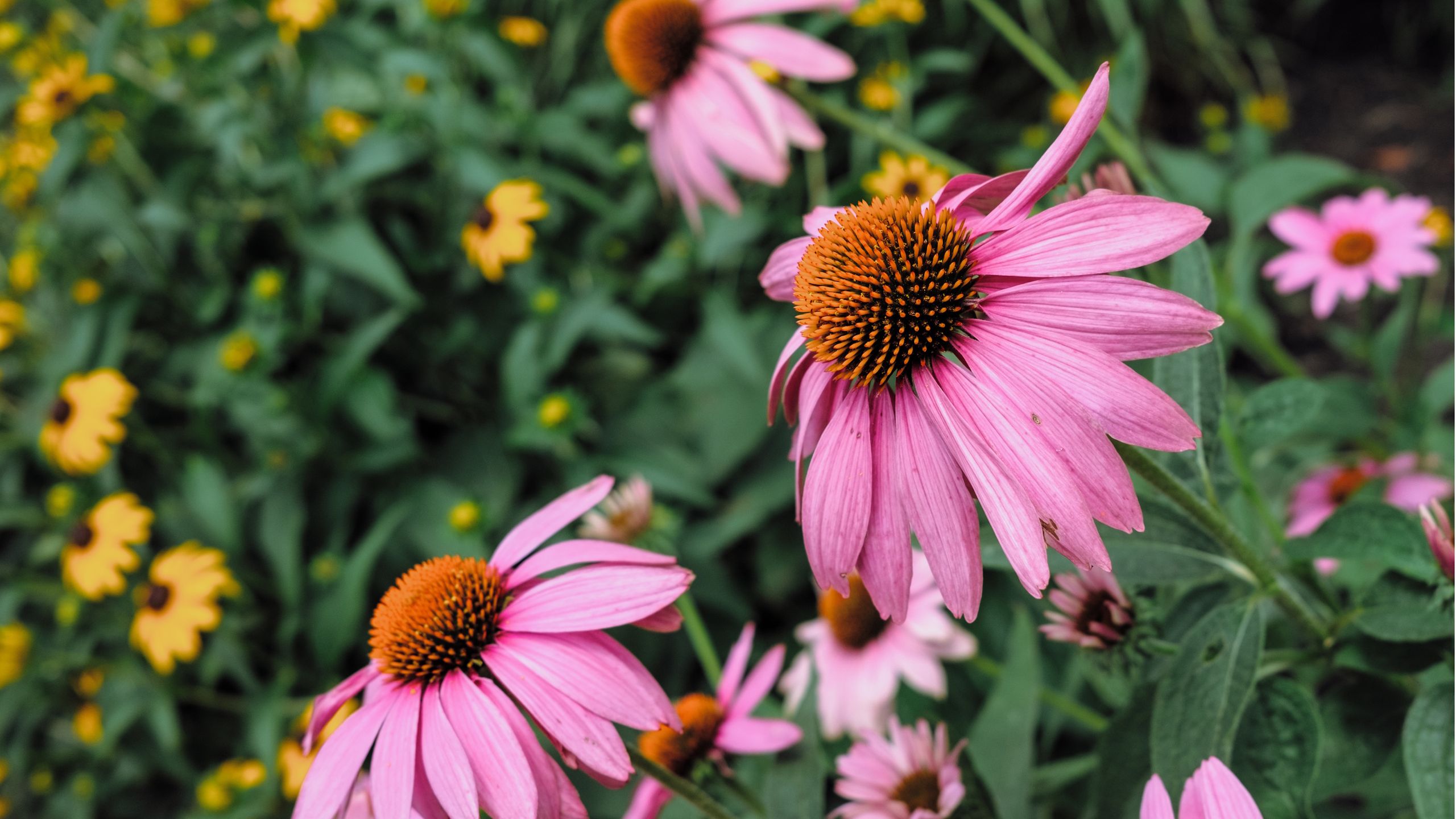
"The main reason to remove seed heads in August is to keep a flowering plant going a bit longer," Chastain explains. "Those seed heads take away energy from the plant, so if they are dead, you can remove them and redirect that energy towards producing more flowers if it’s capable of re-blooming."
Essentially, this process—known as deadheading—is an aggressive encouragement of active growth. Because August still benefits from warm soil and ambient temperatures, it represents the final reliable window of opportunity. Once autumn temperatures drop and frost threatens, plants naturally transition into dormancy, rendering deadheading ineffective.
However, this technique is not a blanket solution for the entire garden. Certain plants, such as single-season bloomers like many varieties of hydrangeas, produce only one round of flowers per year and do not require deadheading. The technique is best reserved for responsive annuals and perennials—such as cosmos, zinnias, and dahlias—that naturally reward the removal of spent blooms with a secondary flush of color.
Chronology of Seasonal Garden Transitions
Understanding when to intervene in the garden requires a chronological appreciation of the plant lifecycle from mid-summer to late autumn.
Early to Mid-August: The Assessment Phase
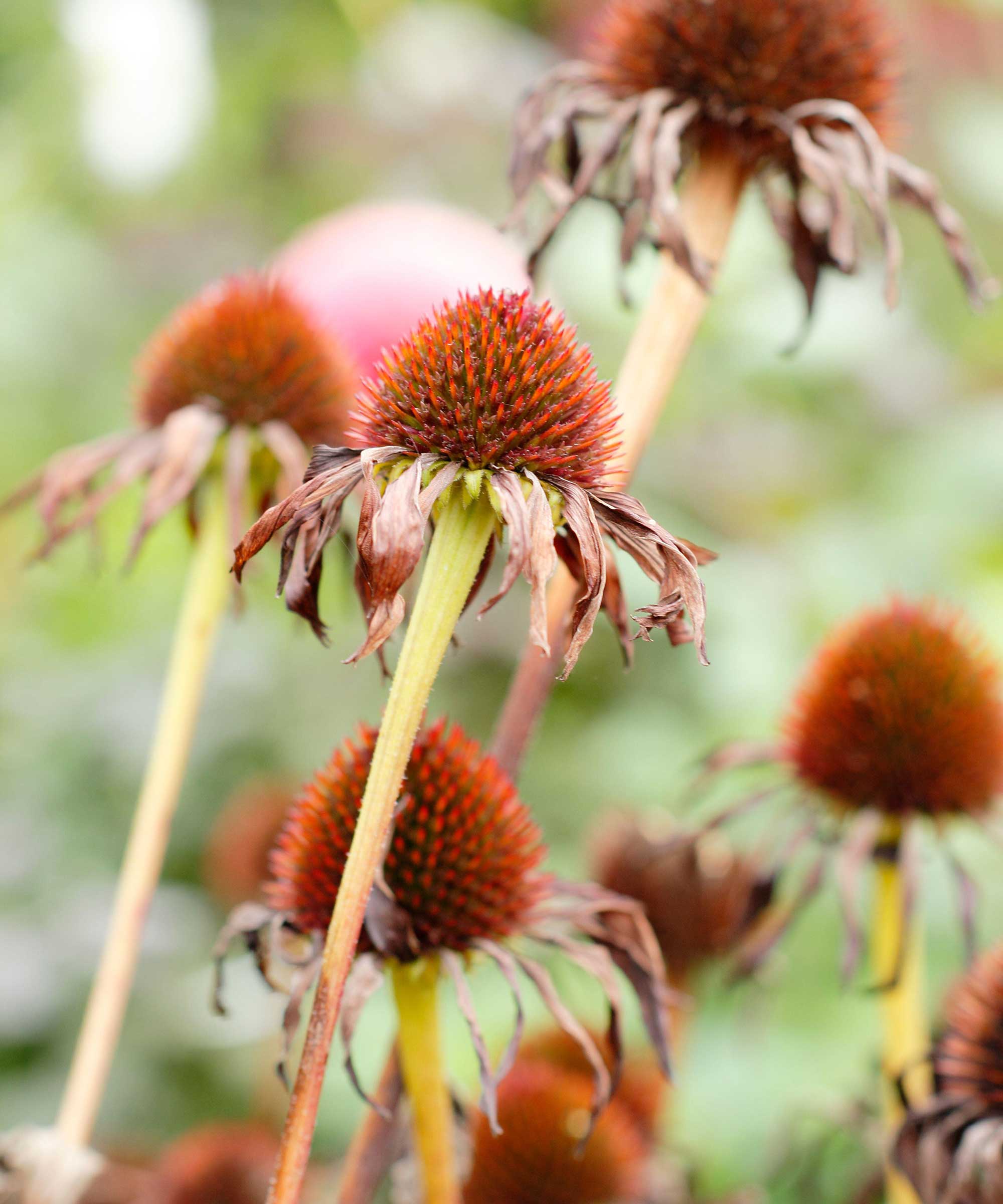
As the garden passes its peak, flowers begin to lose their structural integrity and petals drop. This is the optimal time to walk the perimeter of your landscape with a pair of sharp pruning tools—such as micro-tip snips or carbon-steel bypass pruners. Rather than merely pulling off dead petals, horticulturists advise cutting the spent flower stem cleanly back to a healthy set of leaves or down to the next emerging flower bud. This precise cut prevents stem rot and encourages immediate lateral branching.
Late August: The Strategic Split
By late August, the gardener must make a critical strategic choice: which plants to deadhead for extended color, and which plants to leave untouched for the benefit of wildlife and future propagation. While tender annuals are briskly sheared to promote last-ditch blooms, structural perennials with strong architecture are left alone.
September and Beyond: The Dormancy and Foraging Stage
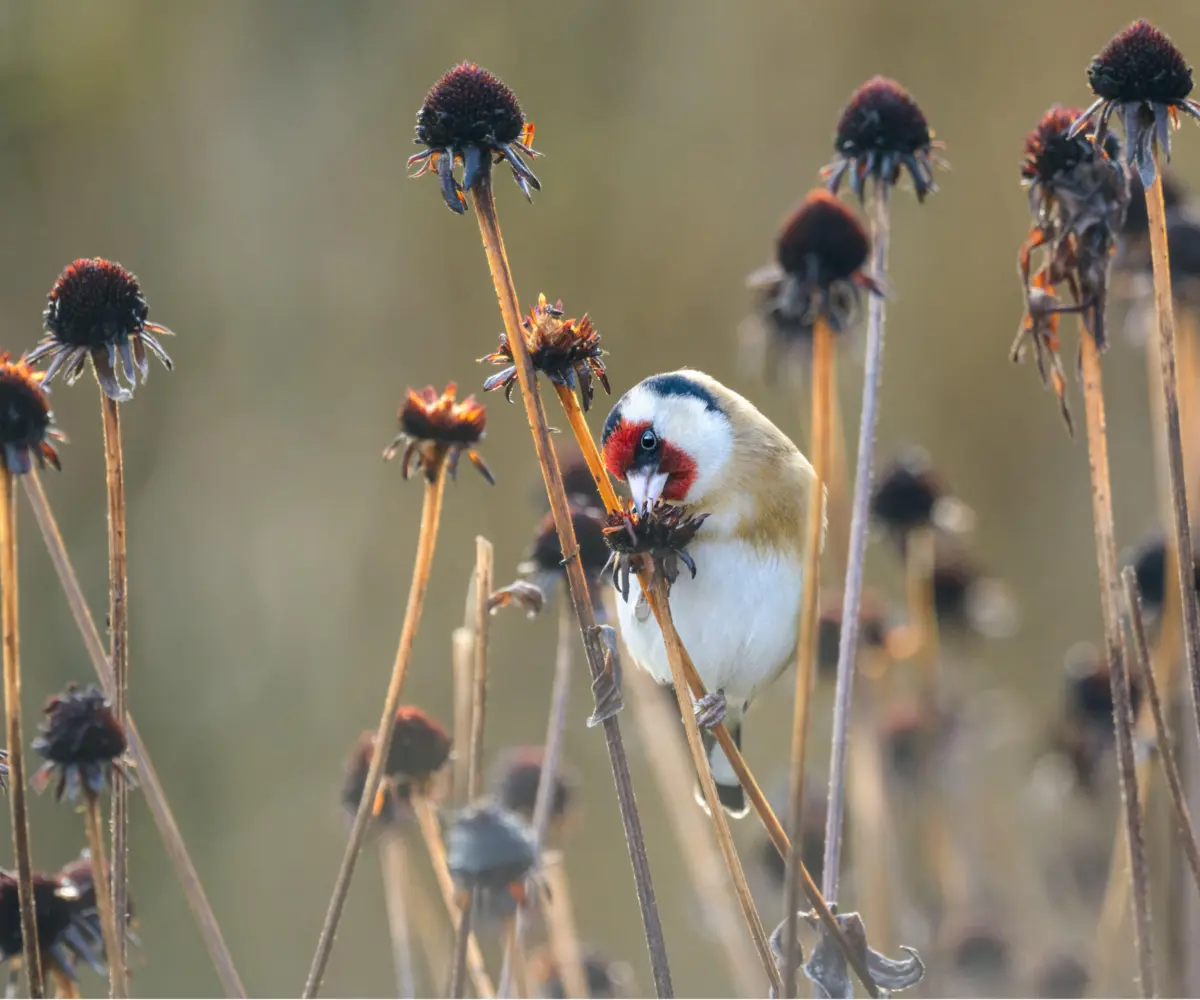
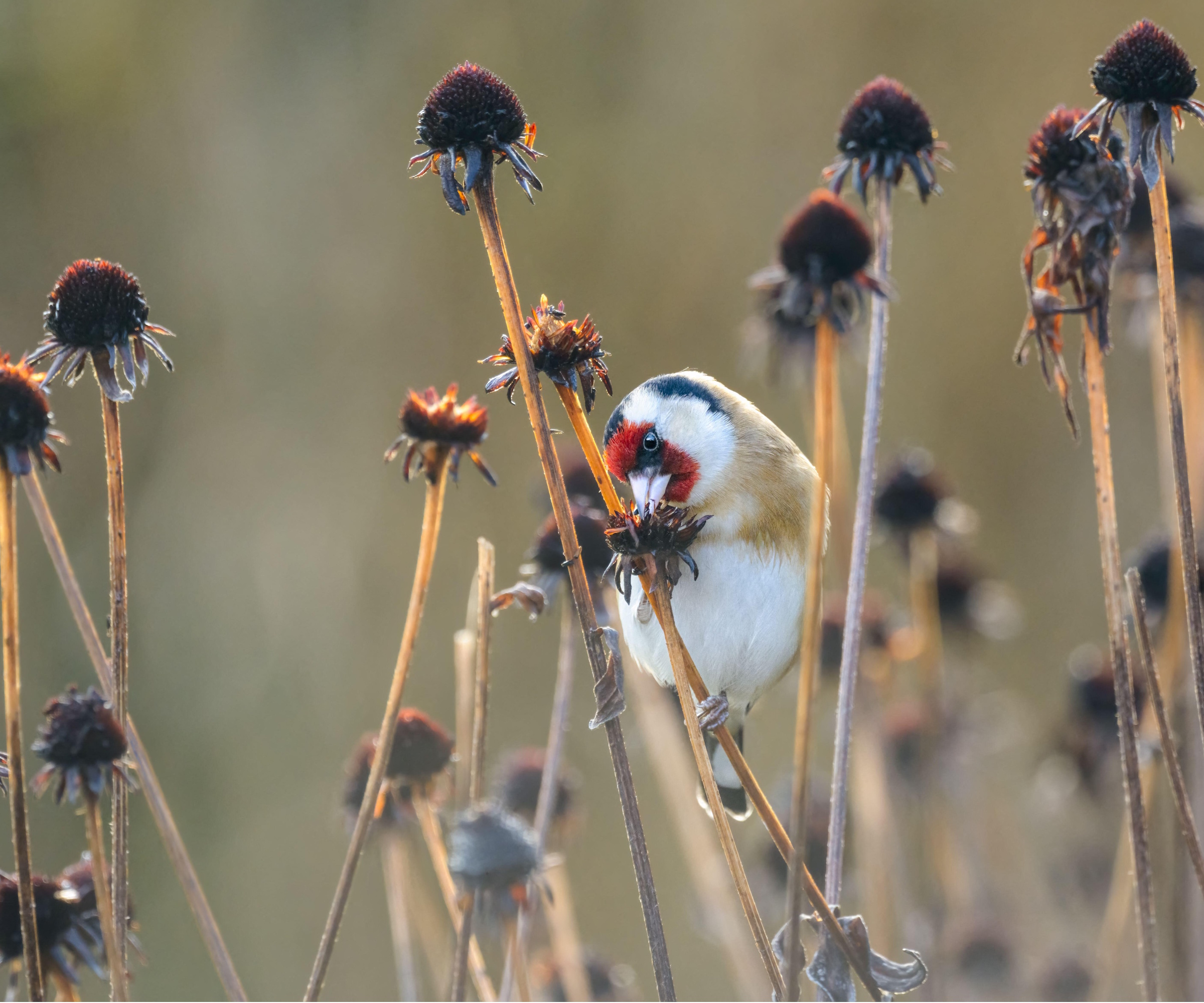
As September arrives, the window for encouraging new blooms closes entirely. Plants left with their seed heads intact now serve a dual purpose. They provide architectural silhouette and winter interest in an otherwise muted landscape, while their ripening seeds act as a crucial food source for overwintering birds, such as goldfinches, as natural foraging options dwindle.
Supporting Data and Horticultural Insights
Horticultural studies consistently support the physiological benefits of deadheading. When a plant expends its resources on seed set, hormonal signals (specifically auxins and cytokinins) shift plant metabolism away from vegetative and floral bud development. Interrupting this cycle by removing the apical sink—the developing seed head—forces the plant to break lateral bud dormancy, resulting in a denser, more floriferous canopy.

Furthermore, timing is dictated by climatic data. In most temperate hardiness zones, the first frost typically arrives in mid-to-late October. Plants require a minimum of four to six weeks of active, warm-weather growth following a major prune to push out and set new buds safely. Attempting to aggressively deadhead in September often backfires, as the resulting soft, tender new growth is easily damaged by early autumn frosts, weakening the plant before winter sets in.
Expert Perspectives and Best Practices
To execute August garden maintenance successfully, professional tools and techniques are paramount. Using dull scissors or tearing stems by hand can crush vascular tissue, inviting fungal pathogens and bacterial infections into the plant.
Lindsey Chastain advocates for a selective approach rather than a uniform shearing of the garden.
"I usually cut the spent flower back to a healthy set of leaves or to the next flower bud, rather than just pulling off the petals," notes Chastain. "However, I would not remove every dead head in the garden."
When to Stay Your Hand: Preserving Seed Heads
While deadheading maximizes color, leaving select seed heads intact is an essential ecological practice. Stately perennials like coneflowers (Echinacea), black-eyed Susans (Rudbeckia), and towering sunflowers should be evaluated for retention.
"Go through your garden and decide which plants you want to keep flowering and deadhead those, but you also want to pick some that you want to let go to seed," Chastain advises. "If you leave some of those seed heads… you can collect seeds for next year."
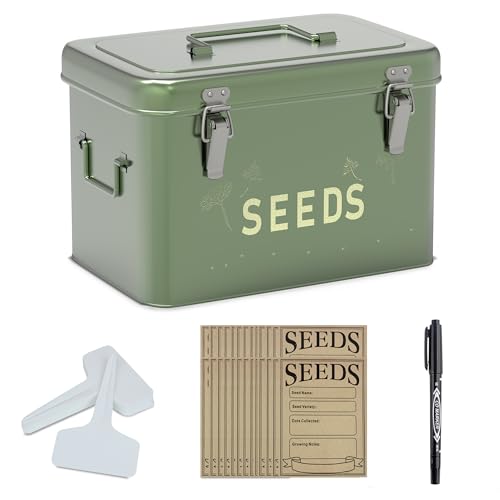
For gardeners interested in propagation, collecting seeds in autumn offers a cost-effective method to expand next year’s garden. Utilizing dedicated seed storage kits, complete with breathable paper packets and moisture-sealed tins, ensures that genetic traits are preserved for the following spring.
Alternatively, many plants are prolific self-sowers. "Self-seeding flowers may also drop the seeds into your soil," Chastain explains. "I don’t actually ever plant new sunflowers or coneflowers. I just let the deadheads go to seed and drop. Dropping those seeds also will help feed birds as their food sources dry up and we get closer to winter."
Implications for the Home Gardener and Local Ecosystem
The implications of proper August garden management extend far beyond immediate aesthetic gratification. By understanding the balance between deadheading and seed retention, gardeners directly influence local biodiversity and long-term soil health.
- Extended Visual Appeal: Strategic deadheading prevents the garden from looking unkempt and abandoned during the dog days of summer, bridging the gap between peak season and the arrival of official autumn foliage.
- Wildlife Support: Leaving specific seed heads untouched transforms the domestic garden into a vital refueling station for native birds and beneficial insects as natural wild food sources diminish.
- Sustainable Propagation: Collecting and properly storing seeds reduces reliance on commercial nurseries, empowering gardeners to cultivate self-sustaining landscapes year after year.
- Plant Resilience: Preventing unchecked seed production conserves root carbohydrate reserves, ensuring that perennial plants emerge stronger and more vigorous when spring temperatures finally return.
As August unfolds, the wise gardener views the fading landscape not as an end, but as a canvas of opportunity. With a sharp pair of snips, a discerning eye, and a well-timed plan, you can orchestrate a breathtaking finale that honors both the beauty of the present season and the promise of the next.
