

As rising global temperatures and unpredictable weather patterns redefine modern landscaping, homeowners are increasingly moving away from high-maintenance lawns and thirsty annuals. In 2026, climate-resilient gardening is no longer just an eco-conscious alternative—it is the definitive aesthetic choice. Across the globe, gardeners are abandoning the grueling cycle of planting, watering, and watching greenery wither under sudden heatwaves, turning instead to consistently arid regions like the Mediterranean for inspiration.
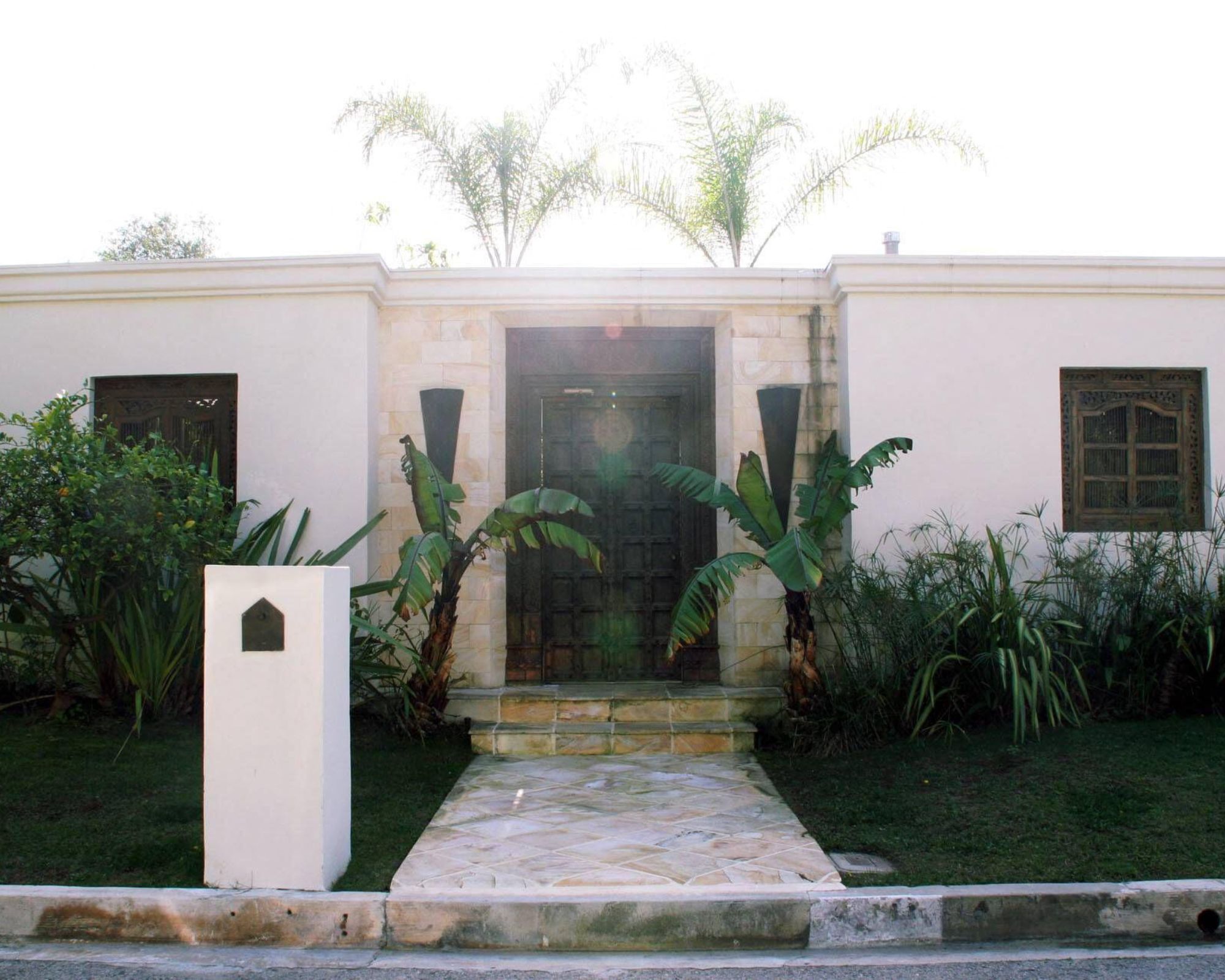
Regions accustomed to extreme weather, such as California, have long pioneered water-wise landscaping. Among the most enduring templates for this design philosophy is the former Hollywood Hills residence of Academy Award-winning actress Penelope Cruz. Photographs of the property where Cruz lived from 2005 to 2011 offer a masterclass in drought-tolerant luxury, featuring a lush, architectural Mediterranean garden that effortlessly complements the smooth angles of its Spanish-style architecture.
By marrying practicality with high-end aesthetic appeal, Cruz’s former estate proves that sustainable, drought-tolerant landscaping can deliver some of the chicest residential design styles available today.

Main Facts: The Rise of Arid-Zone and Mediterranean Landscaping
The modern shift toward climate-resilient landscaping is driven by both environmental necessity and a growing desire for low-maintenance, high-impact outdoor living spaces. Traditional green lawns require immense water resources and chemical treatments to survive scorching summer temperatures, making them increasingly unviable in regions prone to drought.
In contrast, Mediterranean and arid-zone plantings are evolutionarily equipped to handle intense sun and minimal moisture. When established, these plants require significantly less irrigation, making them ideal for forward-thinking homeowners. Cruz’s former Hollywood property highlights key elements of this approach:
- Architectural Trees: Symmetrical palms frame the structure, providing dramatic vertical lines and natural privacy.
- Exotic Foliage: Banana plants and ornamental grasses soften hard architectural angles while introducing movement and texture.
- Hardscaping Harmony: Natural stone elements, terracotta accents, and earthy planters anchor the lush greenery, creating a cohesive, timeless environment.
Rather than looking sparse or desolate, a well-executed drought-tolerant garden projects an atmosphere of effortless abundance and timeless elegance reminiscent of a coastal European villa.
Chronology: The Evolution of Cruz’s Estate and the Shift in Modern Gardening
To understand how climate-resilient gardening moved from regional necessity to mainstream trend, it helps to examine the timeline of design influences and property aesthetics.
- 2005–2011 (The Cruz Era): During her residency at the Hollywood Hills property, Penelope Cruz maintained a lush Mediterranean-inspired landscape. Long before "climate resilience" was a dominant buzzword in residential design, this style was chosen for its classic aesthetic harmony with Spanish-style architecture, featuring statement palms, rich foliage, and warm earthenware.
- The 2010s (The California Droughts): Consecutive years of severe droughts across the American West forced a systemic reevaluation of landscaping. Homeowners began replacing turfgrass with succulent gardens and native plantings, though early iterations sometimes sacrificed visual warmth and lushness in favor of pure conservation.
- The Early 2020s (The Rise of Tropical Hardiness): Landscape architects began refining arid designs, integrating cold-hardy tropicals, structured evergreens, and Mediterranean fruit trees to restore a sense of luxury and vibrancy without skyrocketing water bills.
- 2026 (The Climate-Resilient Revolution): Sustainability meets high-end design. With extreme summer heatwaves becoming a global norm, homeowners are actively studying historic celebrity estates and Mediterranean microclimates to future-proof their gardens. Sales of container-grown citrus, fan palms, and architectural greenery reach historic highs, cementing arid-zone gardening as the premier lifestyle trend.
Supporting Data and Expert Insights: Translating the Look to Your Backyard
To uncover how everyday homeowners can successfully adapt these Mediterranean principles, Homes & Gardens consulted Peter McDermott, a leading gardening expert at YouGarden.
According to McDermott, the transition from holiday daydream to backyard reality is much easier than many realize. "People often come back from holiday wishing they could recreate that Mediterranean look at home," McDermott explains. "The good news is that many of the plants we associate with Spain, Italy, and Greece actually do surprisingly well, particularly during warm summers. The secret is choosing plants that are naturally adapted to sunnier climates. Once they’re established, many require less watering than people think and can help create a garden that feels like a little escape abroad."
The Power of Verticality: Palms and Evergreens
As demonstrated in Cruz’s former yard, incorporating trees is a vital strategy for adding scale and drama to an outdoor space. Symmetrical palms positioned behind or alongside a home can instantly alter its architectural silhouette.
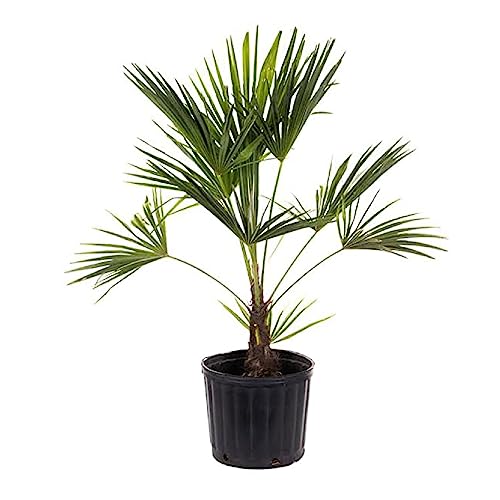
"Palms create immediate impact and can transform a garden into something that feels much more exotic," McDermott advises. "Phoenix palms and fan palms are particularly good options for sunny, sheltered spots and are becoming increasingly popular with gardeners."
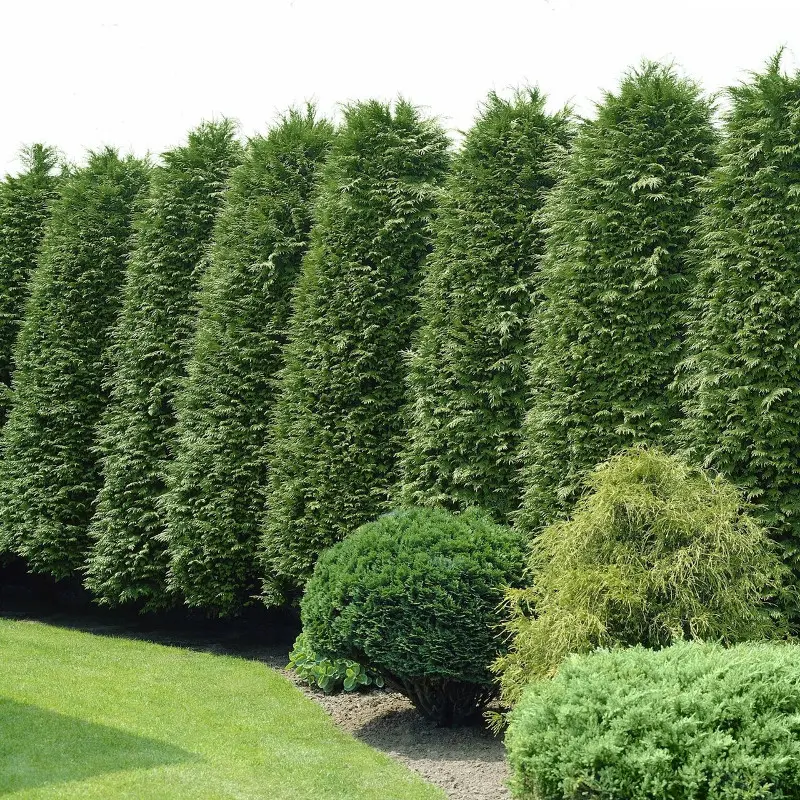
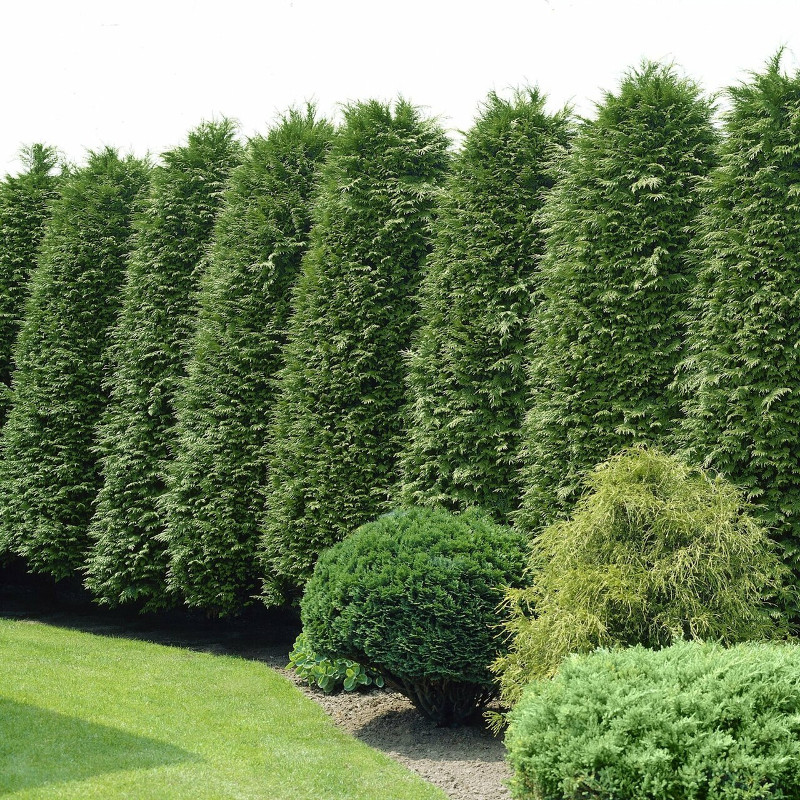
For those seeking privacy and year-round structure without constant upkeep, classic options like the Green Giant Arborvitae offer dense, vibrant green backdrops that require minimal intervention once rooted.
The Citrus and Fruit Tree Boom
Beyond structural palms, fruit-bearing plants deliver multi-sensory benefits, combining visual texture with intoxicating aromas.
"Container-grown citrus trees, figs, and bay trees are brilliant for adding fragrance, texture, and a real Mediterranean atmosphere," says McDermott. "They work particularly well on terraces and patios where people can enjoy them up close."
Market data underscores this shift in consumer behavior. McDermott notes that his organization has experienced its strongest year for citrus tree sales since launching in 2011, with lemon trees emerging as the standout favorite. Furthermore, viral digital platforms have accelerated this trend; TikTok Shop recorded a staggering 613% year-on-year increase in lemon tree sales, signaling a widespread cultural desire to bring Mediterranean warmth into domestic spaces.
Official Responses and Industry Reactions
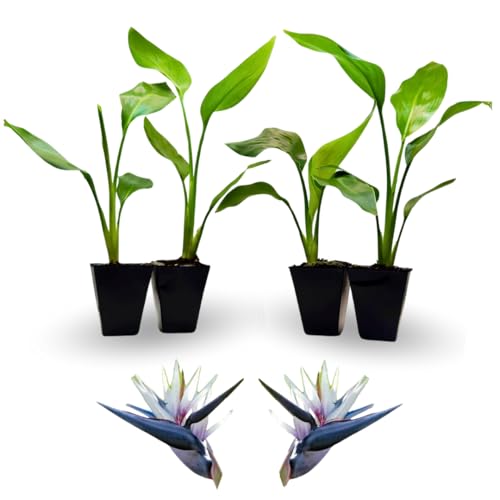
Landscape designers, real estate experts, and horticultural nurseries have responded enthusiastically to the surge in demand for climate-resilient products. Nurseries specializing in cold-hardy tropicals and drought-tolerant perennials report unprecedented shipping volumes for species such as the Chusan Palm (Trachycarpus fortunei), Bird of Paradise (Strelitzia), and various ornamental grasses.
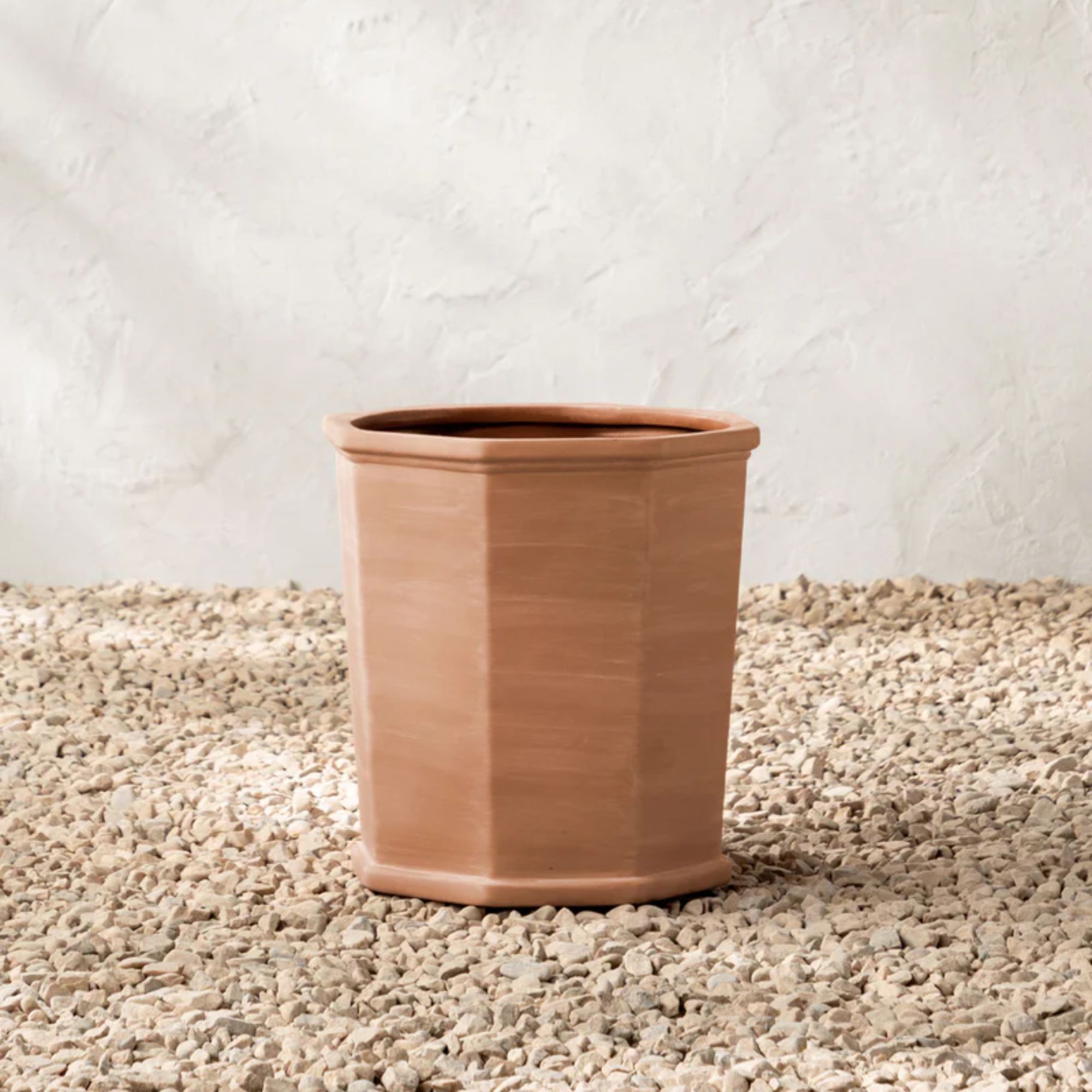
Furthermore, interior and exterior design houses have expanded their product lines to support the trend. High-end retailers are seeing spikes in sales for weathered terracotta pots, volcanic ash planters, and precision carbon-steel secateurs—essential tools for maintaining the clean, manicured lines characteristic of high-end Mediterranean estates.
Industry analysts point out that municipalities facing water restrictions are increasingly looking favorably upon homeowners who adopt xeriscaping and Mediterranean planting principles. By blending environmental stewardship with architectural sophistication, the horticultural sector is proving that sustainability and luxury are no longer mutually exclusive.
Implications: The Future of Residential Landscaping
The widespread adoption of climate-resilient, Mediterranean-inspired gardening carries significant implications for homeowners, urban planners, and the environment at large.
- Water Conservation: As municipal water grids face mounting pressure during peak summer months, widespread conversion to drought-tolerant landscaping will drastically reduce residential water consumption.
- Property Value and Curb Appeal: As demonstrated by estates like Penelope Cruz’s former Hollywood Hills home, integrating thoughtful, architecturally striking greenery elevates a property’s market value. Aesthetic longevity trumps fleeting design fads, offering a timeless exterior that appeals to modern buyers.
- Mental Well-being and "Staycations": Transforming backyards into lush, exotic retreats supports the growing trend of home-centric leisure. By curating spaces that evoke European coastal getaways, homeowners can enjoy restorative natural environments right outside their back doors.
- Resilience Against Climate Volatility: Ultimately, designing gardens that can withstand thermal stress ensures that residential landscapes remain vibrant, green, and functional, regardless of how unpredictable future summers become.
As we navigate the gardening landscape of 2026 and beyond, the blueprint left by properties like Penelope Cruz’s serves as a shining example: with the right plant selection, careful planning, and an appreciation for arid-zone aesthetics, a resilient, climate-proof garden is within everyone’s reach.
