WACO, Texas — As the calendar edges toward the final quarter of the year, homeowners face a familiar aesthetic dilemma. While August may still bring lingering summer heat, the design world is already casting a discerning eye toward the tricky transitional period between Halloween and the arrival of late November.
It is a design dead zone. Once the jack-o’-lanterns are smashed, discarded, or left to rot on the front steps, front porches across the country experience a sudden, jarring emptiness. Traditional outdoor autumn decor ideas often lean heavily into Halloween tropes—orange pumpkins, spooky gourds, and eerie motifs—that immediately look dated when November 1st rolls around. Conversely, stripping the porch bare leaves the facade feeling stark, cold, and unwelcoming just as the weather turns brisk.
Enter Chip and Joanna Gaines. At their family home in Waco, Texas, America’s favorite design duo has quietly bypassed the traditional seasonal scramble. Rather than relying on fleeting holiday accessories, the Gaineses have implemented a brilliant, botanical-forward solution that prioritizes enduring texture, rich color palettes, and layered foliage over disposable props.
The result is an outdoor display that is thoughtfully curated yet deeply organic—one that gracefully bridges the gap from early autumn through Thanksgiving without requiring a single mid-season overhaul.
Main Facts: The Anatomy of the Gaines Porch
The core philosophy of the Gaines approach is simple: swap ephemeral seasonal produce for permanent, architectural greenery and dynamic foliage. Instead of stacking orange pumpkins that will inevitably attract pests or soften in the autumn sun, their Waco porch utilizes a meticulously layered arrangement of potted plants and trees.
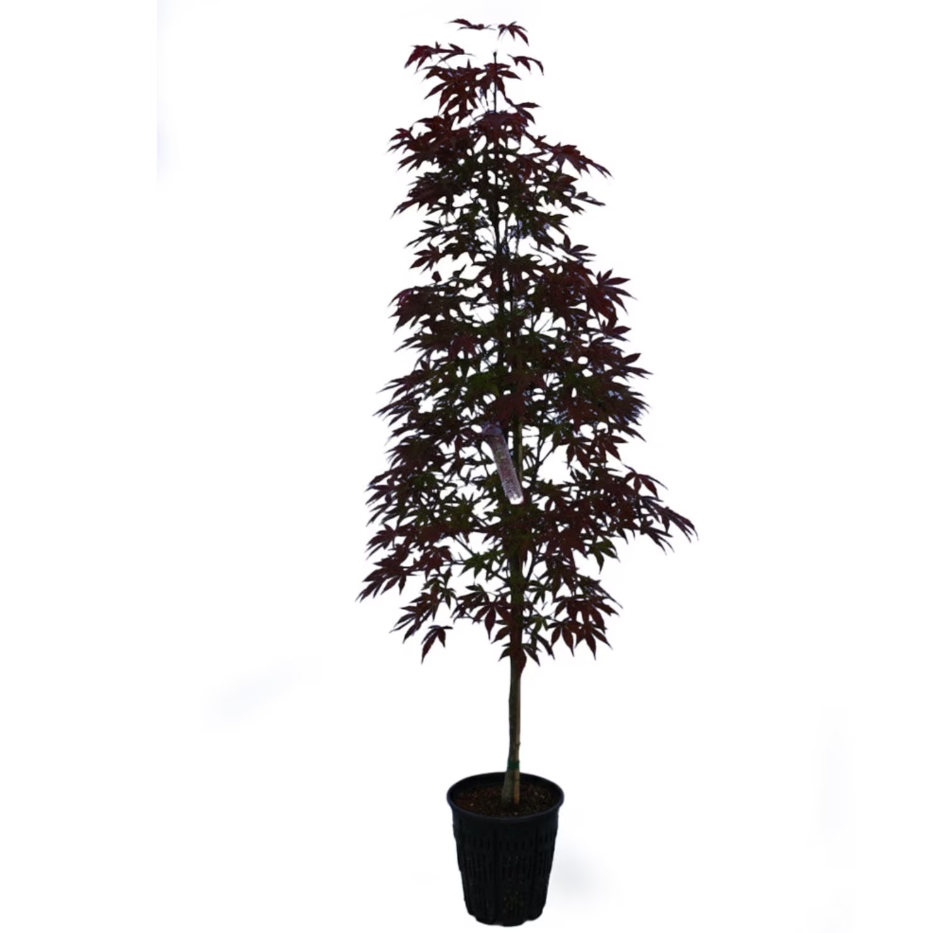
At the foundation of this design is height and structure. Japanese maples, such as the striking ‘Twombly’s Red Sentinel’, are positioned at the rear of the container arrangements. Their vertical lines and deep, moody foliage draw the eye upward and anchor the entire display against the home’s architecture.
Moving toward the middle tiers, the Gaineses introduce a rich tapestry of textures and deep jewel tones:
Purple coleus and coralbells: Bringing dramatic splashes of plum, burgundy, and dark bronze.
Fall ferns: Adding delicate yet resilient fronds that soften the edges of the containers.
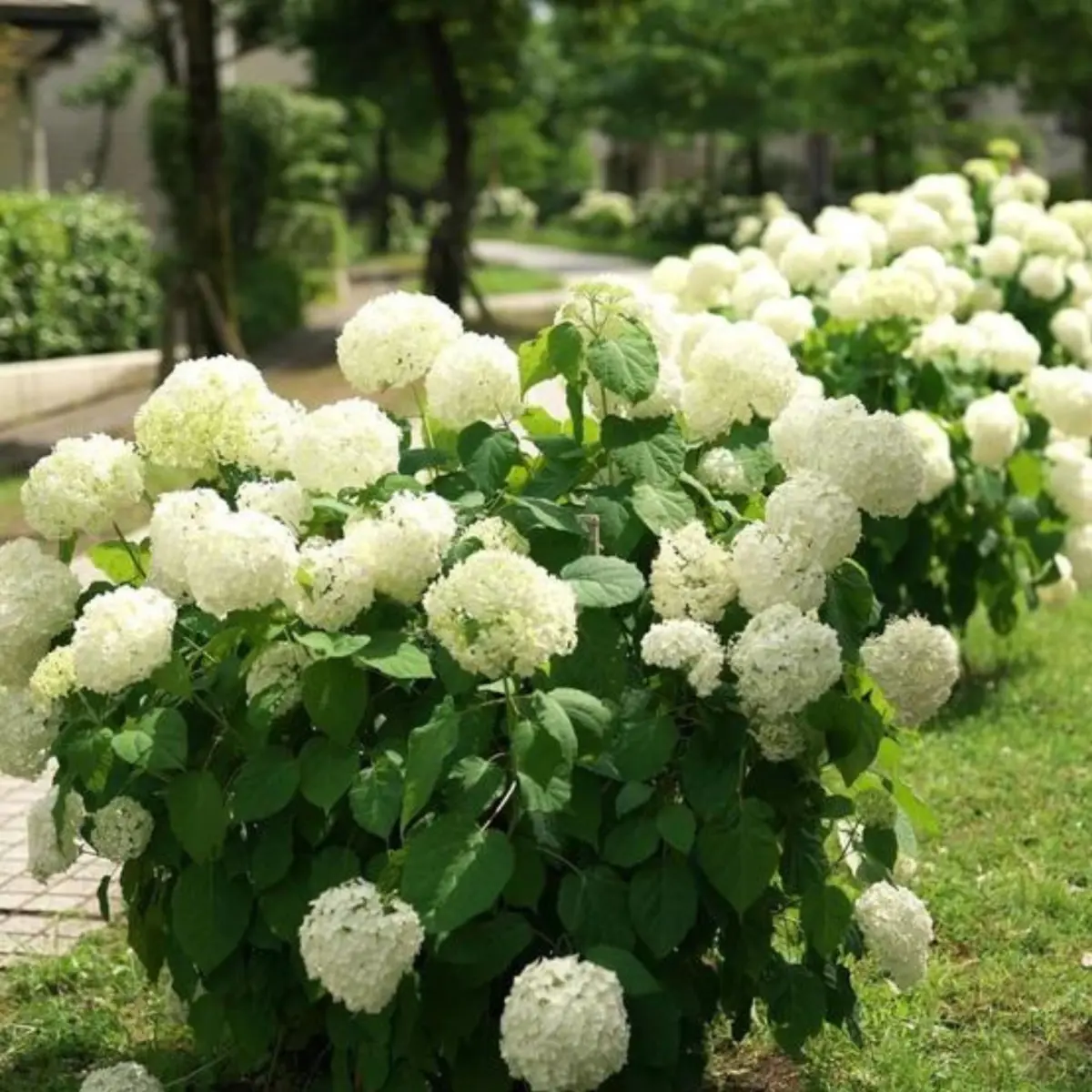
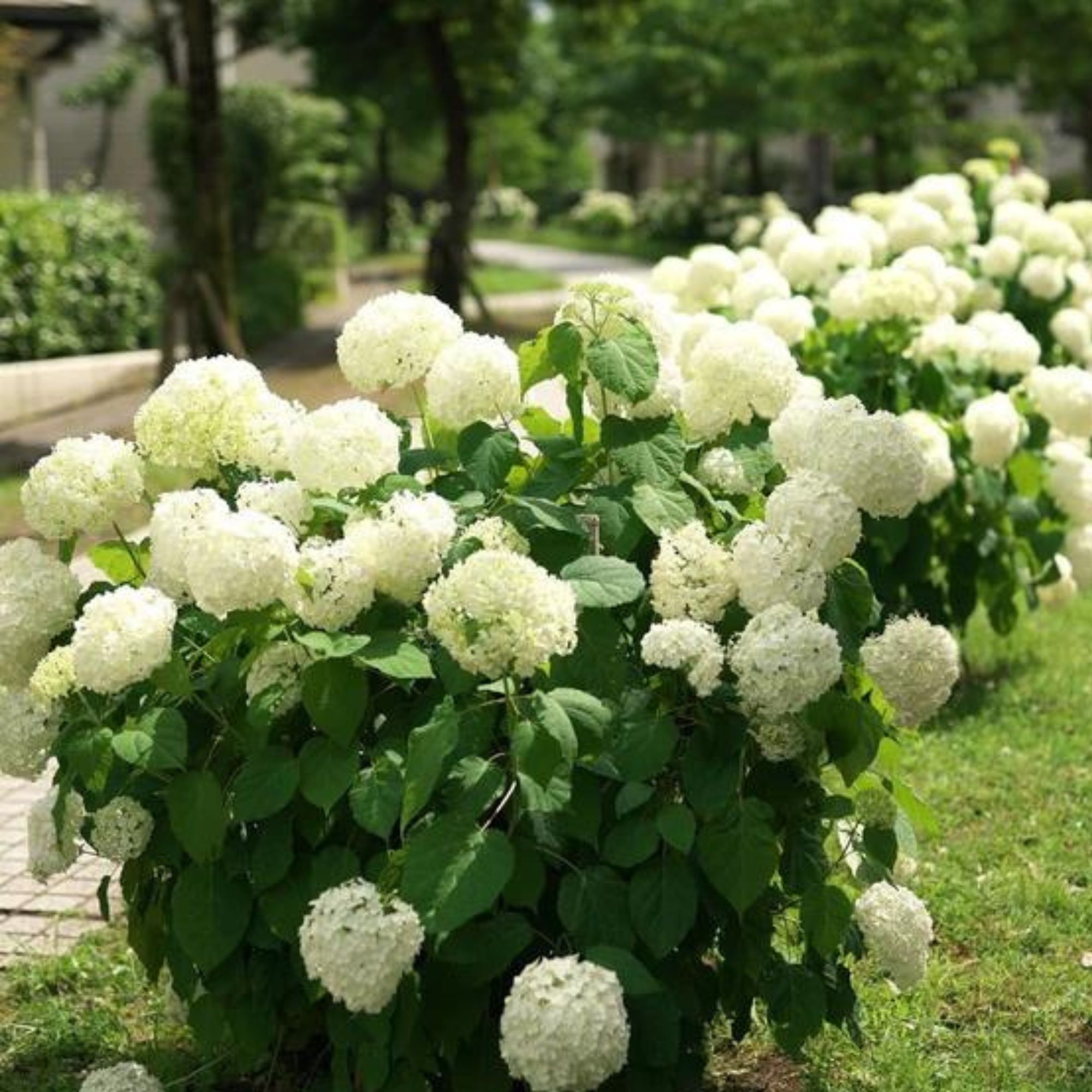
Hydrangeas: Providing unexpected, voluminous blooms that contrast sharply with the darker, moody foliage surrounding them.
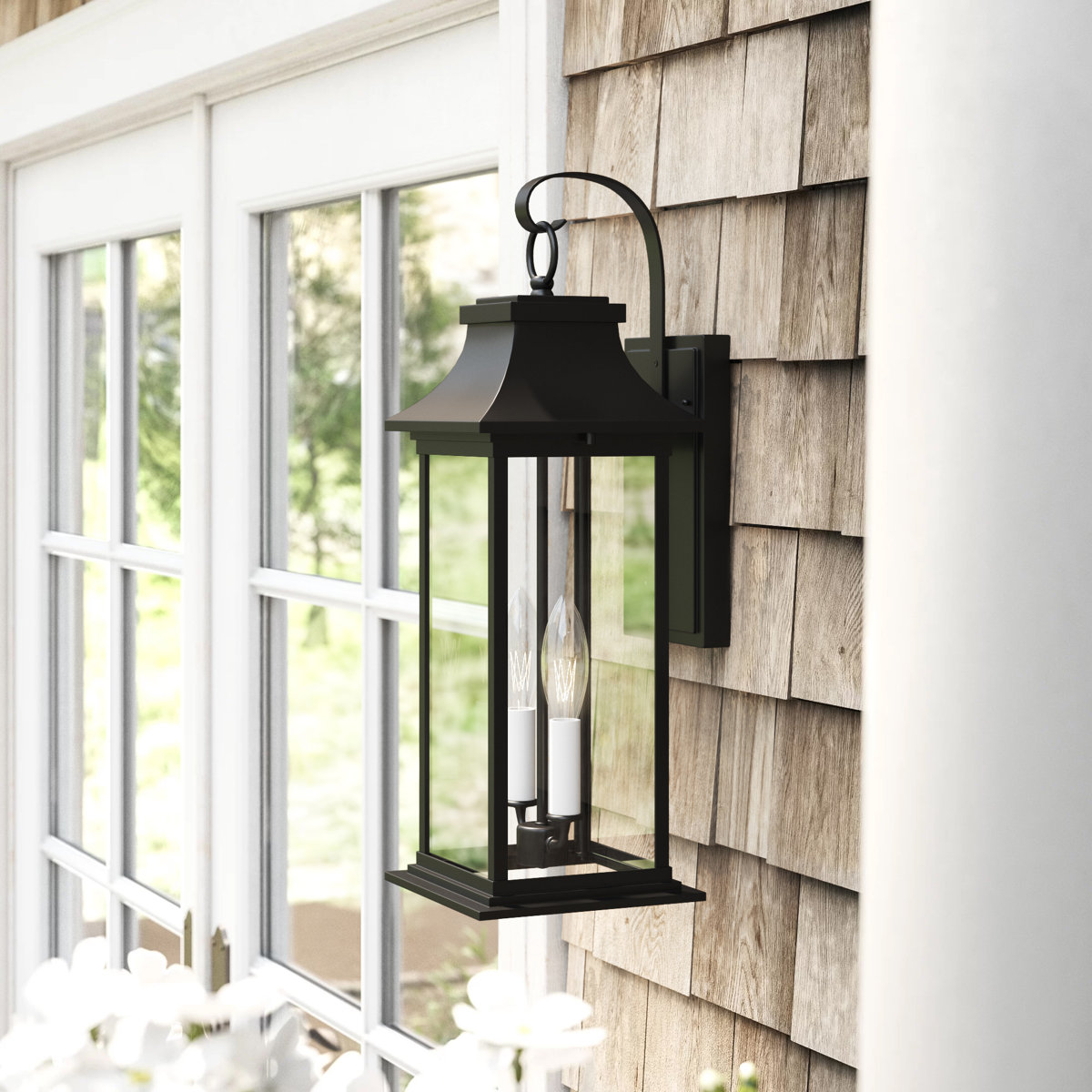
Finally, the foreground features cascading elements—such as trailing sweet potato vine and Swedish ivy—that spill gracefully over the edges of weathered zinc buckets and vintage stone urns. This careful graduation of height, color, and texture creates a living tableau that interacts beautifully with architectural elements like dark metal outdoor lighting.
Chronology: The Evolution of Seasonal Front Porch Styling
To understand why the Gaineses’ method represents a major shift in modern exterior design, it helps to examine how front porch decorating has evolved over the past few decades.
Phase 1: The Minimalist Era (Late 20th Century)
For generations, front porch decorating was largely seasonal-agnostic. Homes featured permanent landscaping—shrubs, boxwoods, and perennial flower beds—with little to no cyclical adjustment for holidays. Porches were utilitarian spaces meant for rocking chairs and greeting guests, with decoration limited to a welcome mat or a hanging basket of geraniums in the summer.
Phase 2: The Hyper-Themed Holiday Boom (Early 2000s)
As home improvement media expanded, the pressure to visibly mark every seasonal shift intensified. This era gave birth to the "hyper-themed" porch: plastic skeletons and cobwebs in October, followed by an abrupt swap to hay bales, cornstalks, and mounds of orange carving pumpkins. By November, these displays often looked tired and neglected, forcing homeowners into a frantic cleanup cycle right before the winter holiday decorating blitz.
Phase 3: The Instagram & Farmhouse Revolution (2010s–Present)
Popularized heavily by shows like Fixer Upper, the modern farmhouse aesthetic introduced a rustic, curated approach to curb appeal. However, even this movement initially fell into the trap of over-relying on heirloom pumpkins and mums. Mums, while classic, present a specific challenge: once their brief bloom cycle ends, they turn brown and woody overnight, leaving unsightly gaps in porch displays just as hosting season begins.
The Gaineses’ current approach represents the next evolution of this movement. By focusing on perennial foliage and woody plants that change color naturally with the temperature drop, they have bypassed the disposable décor trap entirely.
Supporting Data: Why Botanical Layering Works
Horticultural and design experts agree that shifting toward a foliage-first methodology offers significant practical and aesthetic benefits.
According to Tenielle Jordison, a Gardens Content Editor at Homes & Gardens, the strategy is uniquely suited for navigating the late-autumn climate shift.
"I adore the layered foliage for a variety of fall color," Jordison explains. "By focusing on leaves, rather than relying solely on flowers and seasonal produce, the display has a richer palette that can evolve as the weather changes."
Statistically and environmentally, the shift away from single-season décor aligns with growing consumer interest in sustainability. Traditional carving pumpkins and cut decorative corn often end up in landfills immediately after Halloween, contributing to organic waste spikes in November. Potted perennials, shrubs, and small trees, by contrast, are long-term investments. Once the autumn season concludes, plants like Japanese maples and hydrangeas can be transplanted directly into a home’s permanent garden beds, ensuring zero waste.
Furthermore, botanical displays offer superior thermal and structural resilience. While a hard frost will instantly ruin a carved pumpkin or wilt tender annuals, hardy foliage varieties adapt to dropping temperatures by deepening their pigmentation.
"As temperatures become cooler, the deeper tones of the planting become more prominent," Jordison notes, "allowing the porch to shift naturally into late fall without needing to be completely redecorated."
Official Responses and Expert Design Insights
Interior designers and landscape architects have widely praised the Gaineses’ approach for its psychological and visual grounding. In exterior styling, the porch acts as the transitional threshold between the outside world and the private sanctuary of the home. When that threshold looks chaotic or neglected—as it often does during the post-Halloween purge—it impacts the entire welcoming experience.
Design analysts point out several key elements that make the Gaines aesthetic replicable for homeowners regardless of budget or geographic location:
Vessel Integrity Matters: The containers chosen are just as important as the plants within them. By utilizing weathered zinc, aged stone urns, or whitewashed terracotta pots, the display gains an antique, lived-in patina that feels permanent rather than hastily assembled.
Monochromatic Restraint: While traditional fall decor screams with bright orange, yellow, and red, the Gaines palette relies on sophisticated, moody undertones—charcoal greens, deep burgundies, bronzes, and muted chartreuses. This sophisticated color scheme harmonizes effortlessly with traditional brick, stone, and siding materials.
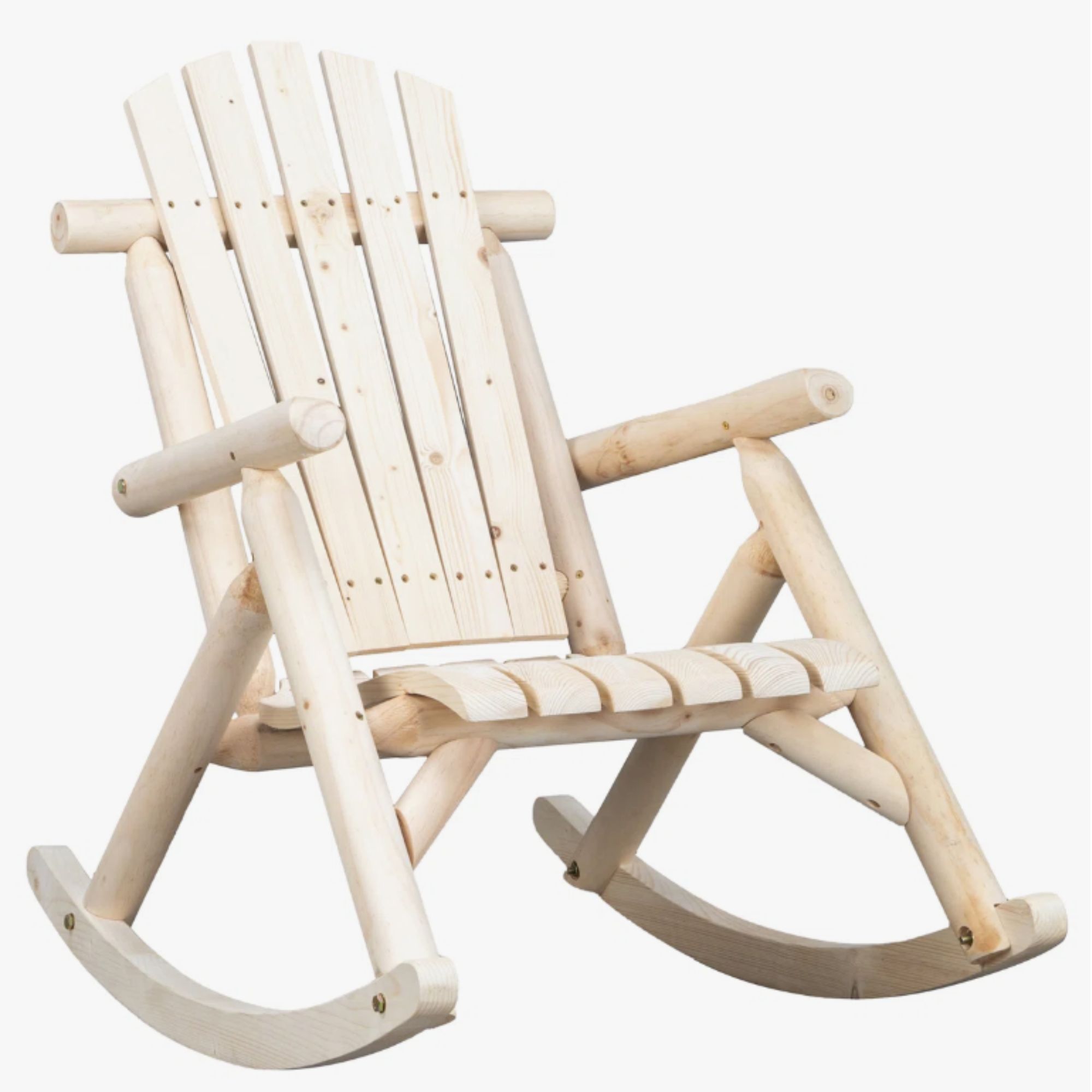
Architectural Echoes: Matching the hardware (such as matte black wall lanterns and rustic wood rocking chairs) to the natural tones of the surrounding foliage creates a cohesive dialogue between the structure of the house and the nature surrounding it.
Implications: Replicating the Look at Home
For homeowners looking to break free from the cycle of buying and discarding hundreds of pounds of pumpkins every October, the Gaineses’ strategy offers a clear, actionable blueprint for the upcoming season.
Step-by-Step Guide to a Transitional Fall Porch:
Anchor with Height: Start by placing a structural focal point in a large, heavy-duty planter. A dwarf Japanese maple or an evergreen shrub provides the necessary vertical anchor that survives well past the first frost.
Build the Middle Layer: Fill out the base of your primary containers with textural perennials. Incorporate dark-leaved plants like coralbells or coleus to introduce rich, autumnal hues without relying on bright florals.
Incorporate Spillover: Add trailing vines—such as sweet potato vine or ivy—to soften the hard lines of your porch steps and containers, creating an abundant, overflowing look.
Choose Versatile Hardware: Upgrade your porch lighting and seating with classic, weather-resistant pieces. Matte black wall lanterns and warm wood rocking chairs will anchor your botanical displays through autumn, winter, and beyond.
Ultimately, the lesson we are taking away from Chip and Joanna Gaines is one of longevity and ease. By building a porch around permanent plants, rich textures, and enduring foliage, homeowners can bypass the November decorating panic entirely. You can wake up on November 1st with absolute peace of mind, knowing your front porch is just as sophisticated, welcoming, and vibrant as it was the day before.