

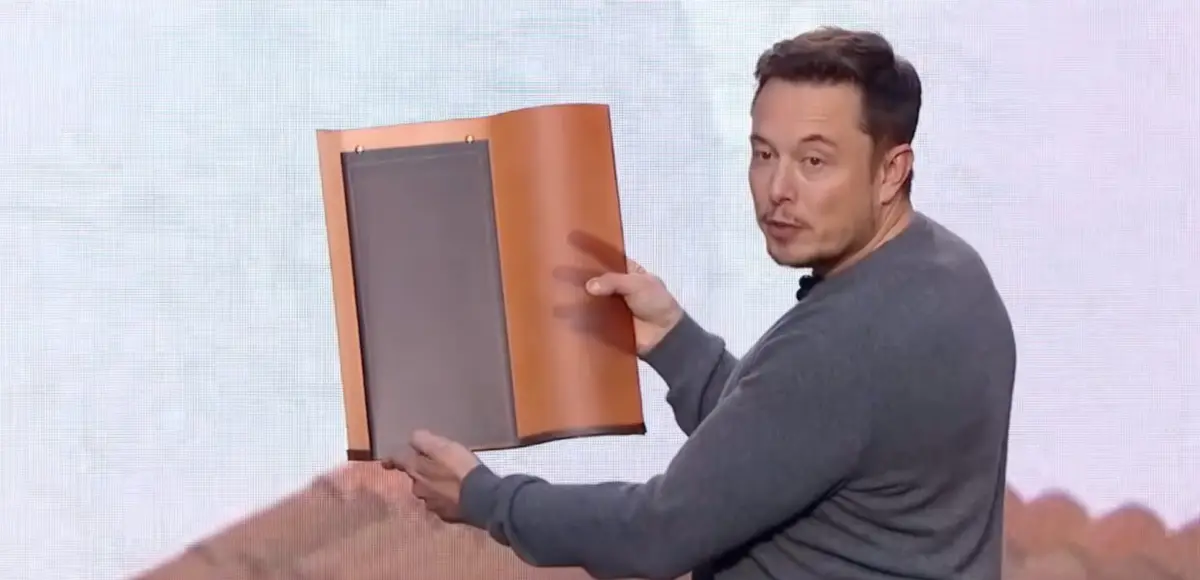
SAN FRANCISCO — Tesla has officially discontinued the Solar Roof, bringing a definitive close to one of the most ambitious, yet deeply troubled, product lines in the clean-energy sector. According to multiple sources close to the program, the electric vehicle and energy giant has informed its network of certified third-party installers that it will no longer manufacture or supply solar roof tiles. Moving forward, the company’s residential solar strategy will rely exclusively on conventional solar panels.
The decision marks the quiet conclusion of a nearly decade-long experiment that once promised to revolutionize how homes generate electricity. What began as a high-profile Hollywood spectacle designed to captivate investors and justify a multi-billion-dollar corporate acquisition has ultimately succumbed to harsh manufacturing realities, spiraling installation costs, and unviable economics.
Main Facts: The Wind-Down of Tesla’s Solar Roof
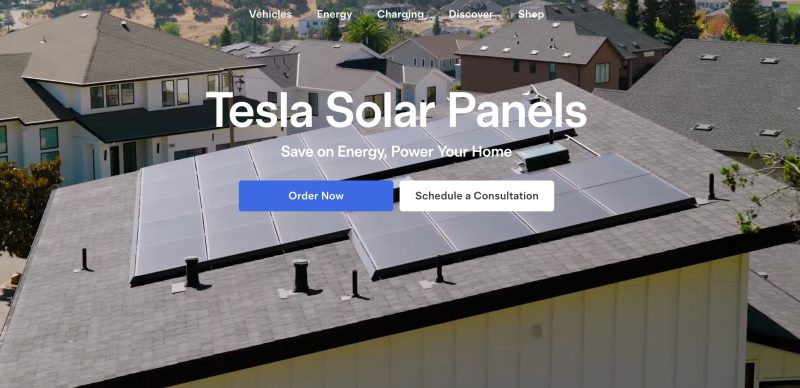
The formal end of the Solar Roof program became apparent as Tesla systematically scrubbed the product from its digital footprint. The company’s long-standing dedicated URL—tesla.com/solarroof—now silently redirects visitors to its traditional solar panel landing page. Furthermore, "Solar Roof" has been completely purged from the website’s main Energy navigation menu, which now lists only three core offerings: Solar Panels, Powerwall, and Megapack.

According to two independent sources familiar with Tesla’s internal operations, the company recently notified its third-party installation network that active orders for solar roof tiles are no longer being fulfilled. Internally, leadership reportedly concluded that the product’s complex engineering, labor-intensive installation process, and low production margins rendered it fundamentally financially unviable.
This pivot completes a gradual retreat that industry watchers have tracked for years. Tesla stopped breaking down specific Solar Roof deployment metrics in its quarterly earnings reports in early 2024, and the product had virtually vanished from the company’s marketing campaigns long before today’s announcement.
Chronology: From a Hollywood Stage to Corporate Discontinuation
To understand the trajectory of the Tesla Solar Roof, one must look back at its origins, which were deeply intertwined with corporate restructuring and high-stakes financial maneuvers.
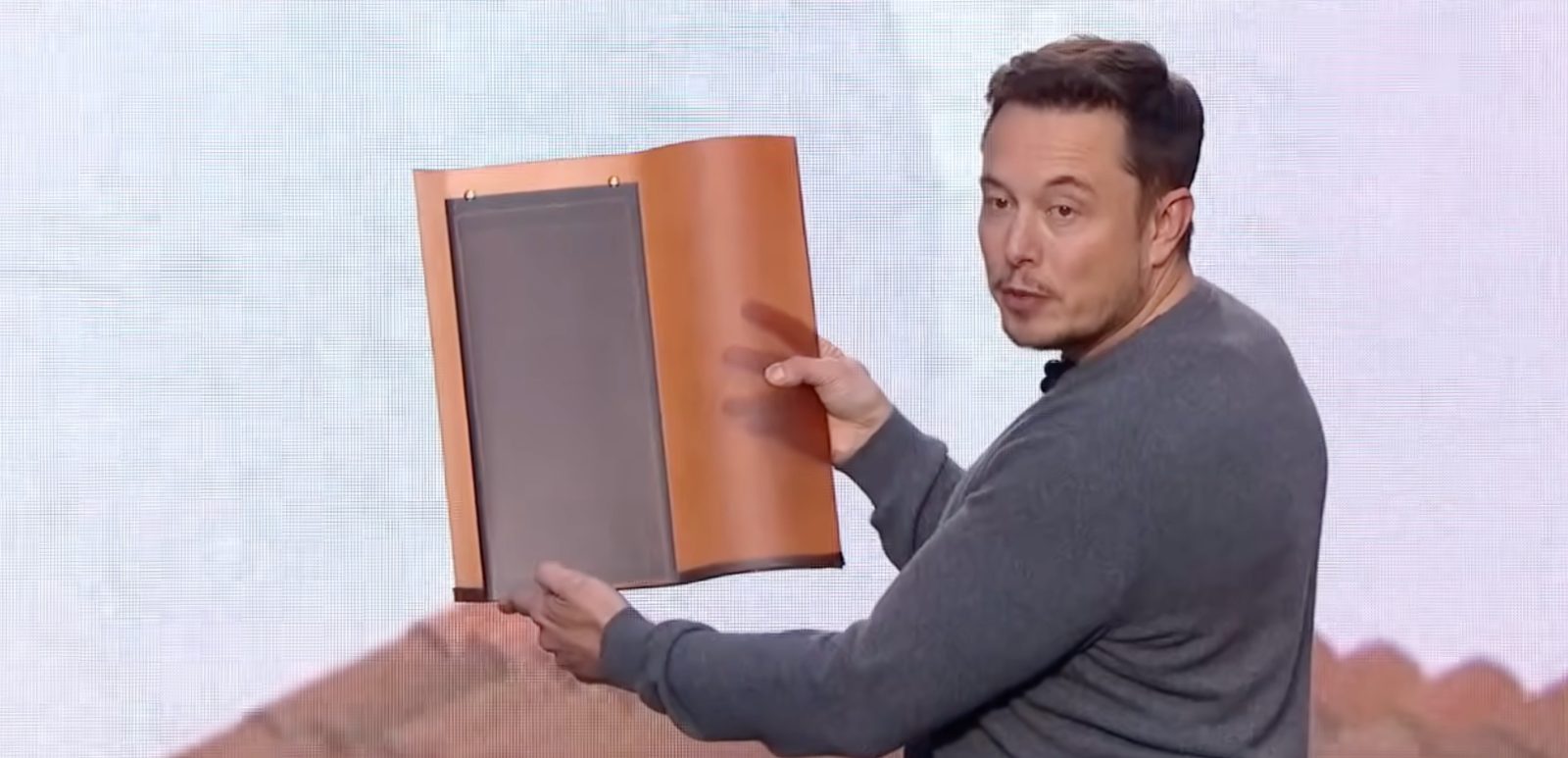
October 2016: The Hollywood Pitch
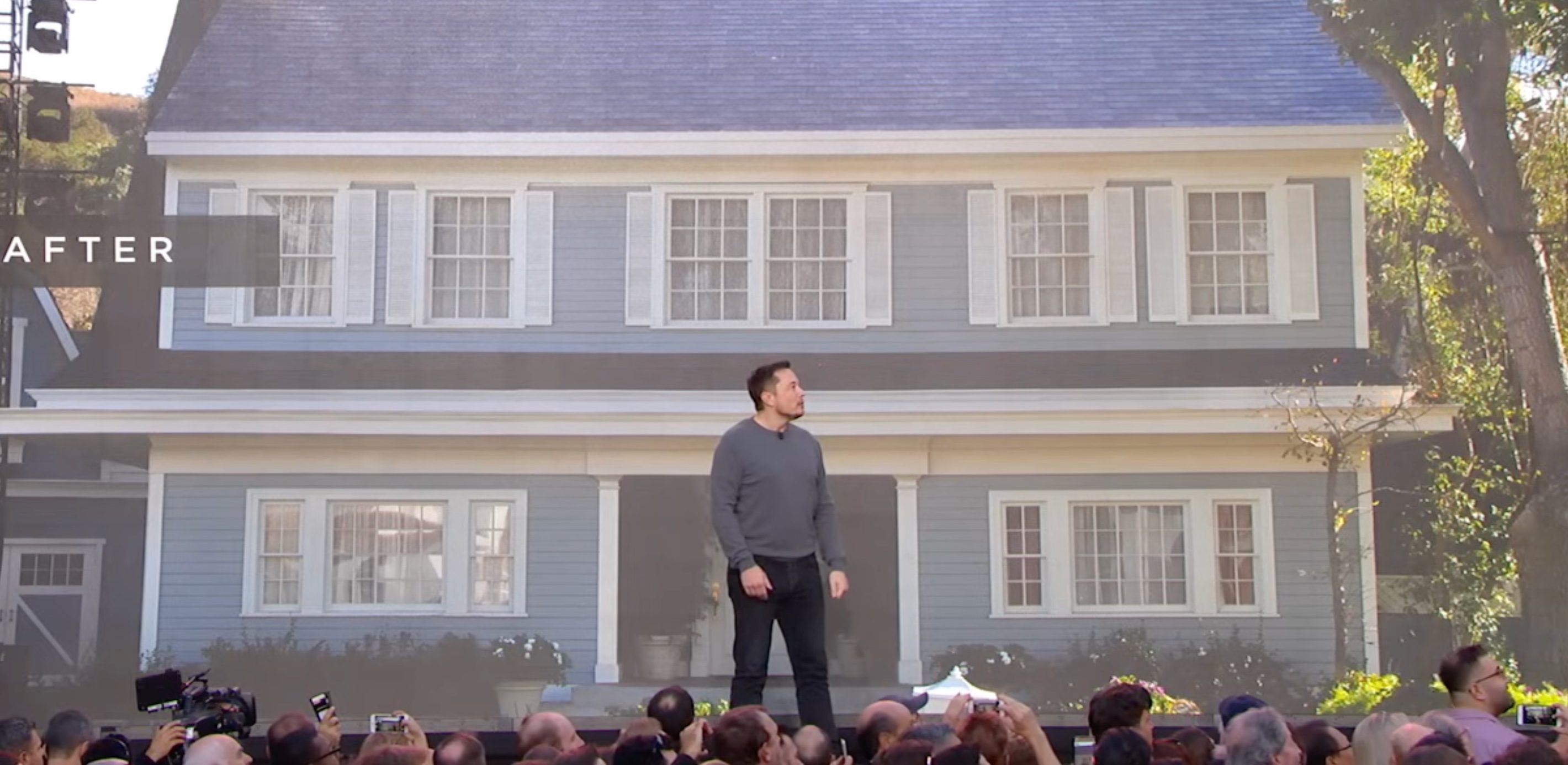
Tesla CEO Elon Musk unveiled the Solar Roof to the public in a theatrical presentation on a Universal Studios Hollywood backlot. The demonstration featured homes from the set of the television show Desperate Housewives, their conventional roofs replaced with sleek, dark glass tiles that seamlessly blended power generation with architectural aesthetics.
The timing was no coincidence. Just weeks after the reveal, Tesla shareholders were asked to vote on a controversial $2.6 billion acquisition of SolarCity—a heavily indebted solar installer where Musk served as chairman and largest shareholder, and which was managed by his cousins. The Solar Roof demo served as a crucial catalyst in convincing investors to approve the bailout of the struggling enterprise. Years later, during shareholder litigation regarding the acquisition, court disclosures revealed that the tiles showcased during the 2016 launch event were non-functional prototypes.
2019–2020: Grand Production Promises
In the years following the merger, Musk repeatedly touted aggressive production targets. He claimed that Tesla would soon be manufacturing and installing 1,000 Solar Roofs per week by the end of 2019, a timeline later pushed into mid-2020.
While Tesla briefly claimed to have crossed the 1,000-roof weekly production milestone in manufacturing facilities, actual field installations lagged catastrophically behind. Independent energy analytics firm Wood Mackenzie estimated that, at its peak, Tesla was installing a mere 21 to 32 Solar Roofs per week—falling more than 95% short of Musk’s stated goals.
2021: Price Shocks and Legal Fallout
Initially marketed as costing less than a standard roof combined with traditional solar panels (with early estimates hovering around $22 per square foot), economic reality soon shattered those projections. In March 2021, Tesla dramatically hiked prices across the board.
The adjustments caught many customers off guard, in some cases drastically inflating project costs after binding contracts had already been signed. One prominent class-action lawsuit highlighted a customer whose projected installation cost surged from roughly $72,000 to nearly $146,000 overnight. The legal battle concluded in 2023 when Tesla agreed to a $6 million class-action settlement.
2024–2026: The Quiet Exit
As deployment numbers dwindled and customer complaints regarding post-installation servicing mounted—with some homeowners waiting months for maintenance on faulty systems—Tesla began phasing out the product. By early 2024, reporting figures were quietly omitted from quarterly statements, culminating in the complete discontinuation of the product line in mid-2026.
Supporting Data: The Metrics of an Unscalable Vision
The economic and deployment data compiled over the lifespan of the Solar Roof illustrate a profound chasm between corporate ambition and market reality:
- Total Installations: Industry analysts estimate that across roughly seven years of commercial availability, Tesla installed only about 3,000 Solar Roof systems across the entire United States.
- Volume Discrepancy: While the targeted production capacity was set at 1,000 roofs per week, actual deployment rates rarely exceeded a few dozen installations weekly.
- Cost Overruns: Initial consumer estimates of ~$22 per square foot frequently doubled during site inspections and engineering reviews, pricing out the mass market and restricting the product almost entirely to luxury custom-home construction.
- Service Lags: Homeowners frequently reported chronic maintenance bottlenecks, with specialized integrated tiles proving difficult to service when inverter failures or micro-cracks occurred.
Official Responses and Stakeholder Reactions
Tesla has not issued a formal press release detailing the strategic shutdown of the Solar Roof, preferring a digital transition via website redirects and direct communications with its installer network. However, the move has drawn extensive commentary from industry analysts, consumer advocates, and clean-energy journalists who tracked the product’s lifespan from its inception.
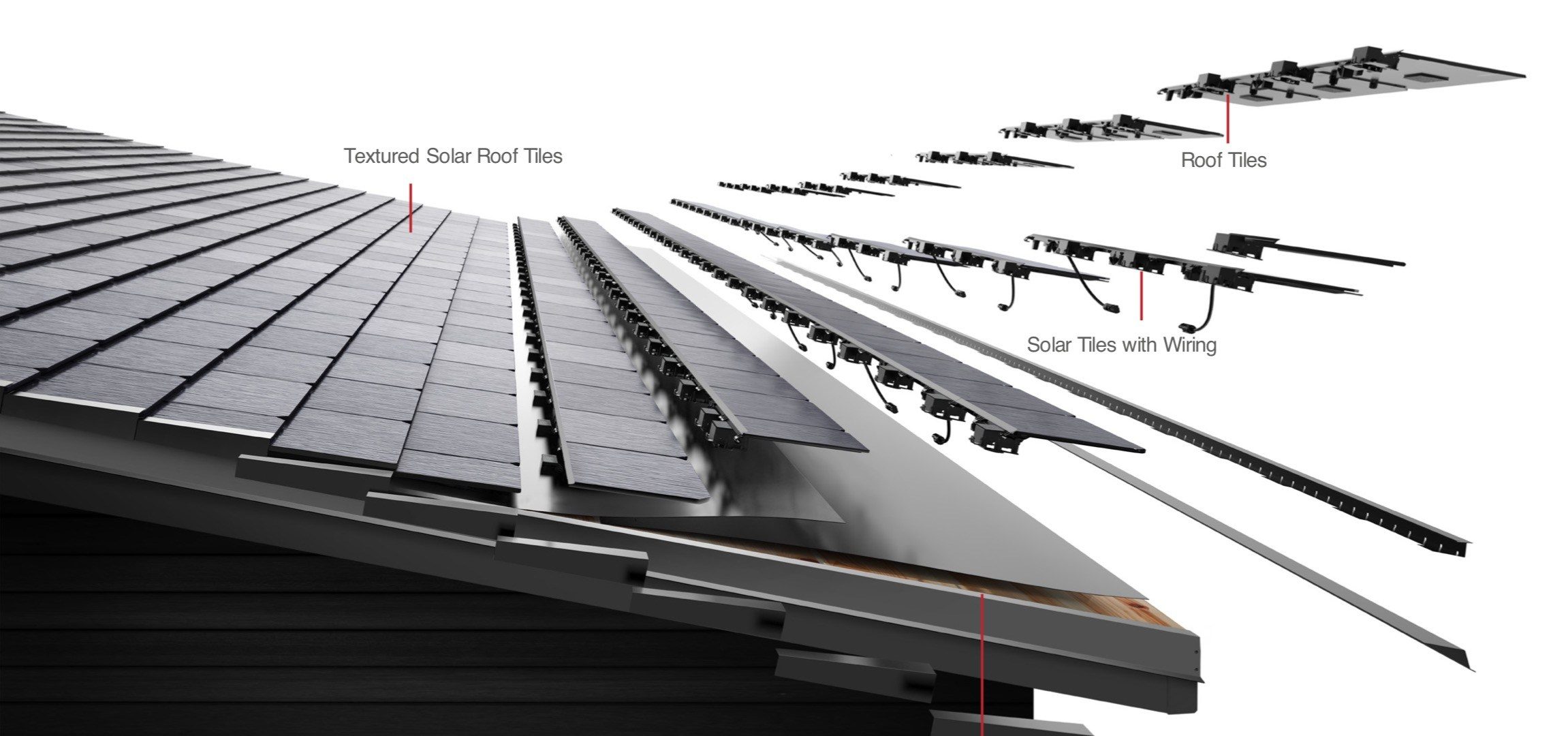
Critics point out that the Solar Roof suffered from a fundamental engineering paradox: it tried to serve simultaneously as a durable, weather-resistant structural building material and a high-efficiency semiconductor power-generation device. Balancing the multi-decade lifespan required of roofing materials with the rapid technological evolution and degradation curves of solar electronics proved exceedingly difficult to standardize across diverse American housing architectures.
Conversely, supporters of the broader residential solar market are quick to emphasize that the failure of Tesla’s solar tiles does not reflect poorly on conventional solar panels. Traditional rooftop solar systems—paired with stationary energy storage solutions like the Tesla Powerwall—continue to enjoy robust economics, falling hardware costs, and expanding consumer adoption.
Implications: What the Closure Means for Tesla and the Solar Market
The sunsetting of the Solar Roof carries several important implications for Tesla’s energy division, the broader renewable energy landscape, and consumers.

1. Simplification of Tesla’s Energy Strategy
By abandoning integrated tiles, Tesla is doubling down on core, scalable technologies. Standard rooftop solar panels, coupled with the immensely popular Powerwall home battery system, represent a far more reliable revenue stream with predictable margins. Furthermore, Musk’s recent focus on expanding domestic U.S. manufacturing facilities centers explicitly on high-volume standard panels rather than specialized architectural glass.
2. A Cautionary Tale for Product Announcements
The Solar Roof joins a growing list of Tesla initiatives—alongside features like Full Self-Driving capabilities—where ambitious futuristic visions were marketed long before manufacturing stability and cost structures were fully resolved. The fallout, including contract disputes and class-action litigation, serves as a reminder of the risks associated with premature commercialization in hardware-heavy industries.
3. Reassessing Building-Integrated Photovoltaics (BIPV)
Tesla’s exit leaves a significant vacuum in the Building-Integrated Photovoltaics (BIPV) market. While integrated solar shingles and tiles remain an aesthetically appealing concept for new construction or historic architectural preservation, Tesla’s struggles demonstrate that achieving cost parity with traditional roofing materials remains an uphill battle. Competing BIPV startups will now have to navigate the path forward without the market validation—or the cautionary footprint—left by Tesla’s multi-year endeavor.

For homeowners still looking to harness solar energy, the shift reaffirms that standard, field-proven solar panels remain the most cost-effective and dependable route to residential energy independence. While the dream of a sleek, power-generating shingle roof has faded into corporate history, the transition away from fossil fuels across standard residential infrastructure continues unabated.
