

Main Facts: The Shift Toward Micro-Lighting in Urban Interiors
In the high-density real estate landscape of major metropolitan areas like Manhattan, interior design has long been governed by a single, ruthless metric: square footage. For urban dwellers navigating compact studio apartments, every square inch of surface area is prime, highly contested real estate. Recently, however, a quiet revolution has been taking place across apartment coffee tables, kitchen counters, and bedside credenzas. Traditional, corded, and standard-sized portable lamps are rapidly being phased out in favor of micro-scale, battery-operated cordless table lamps.
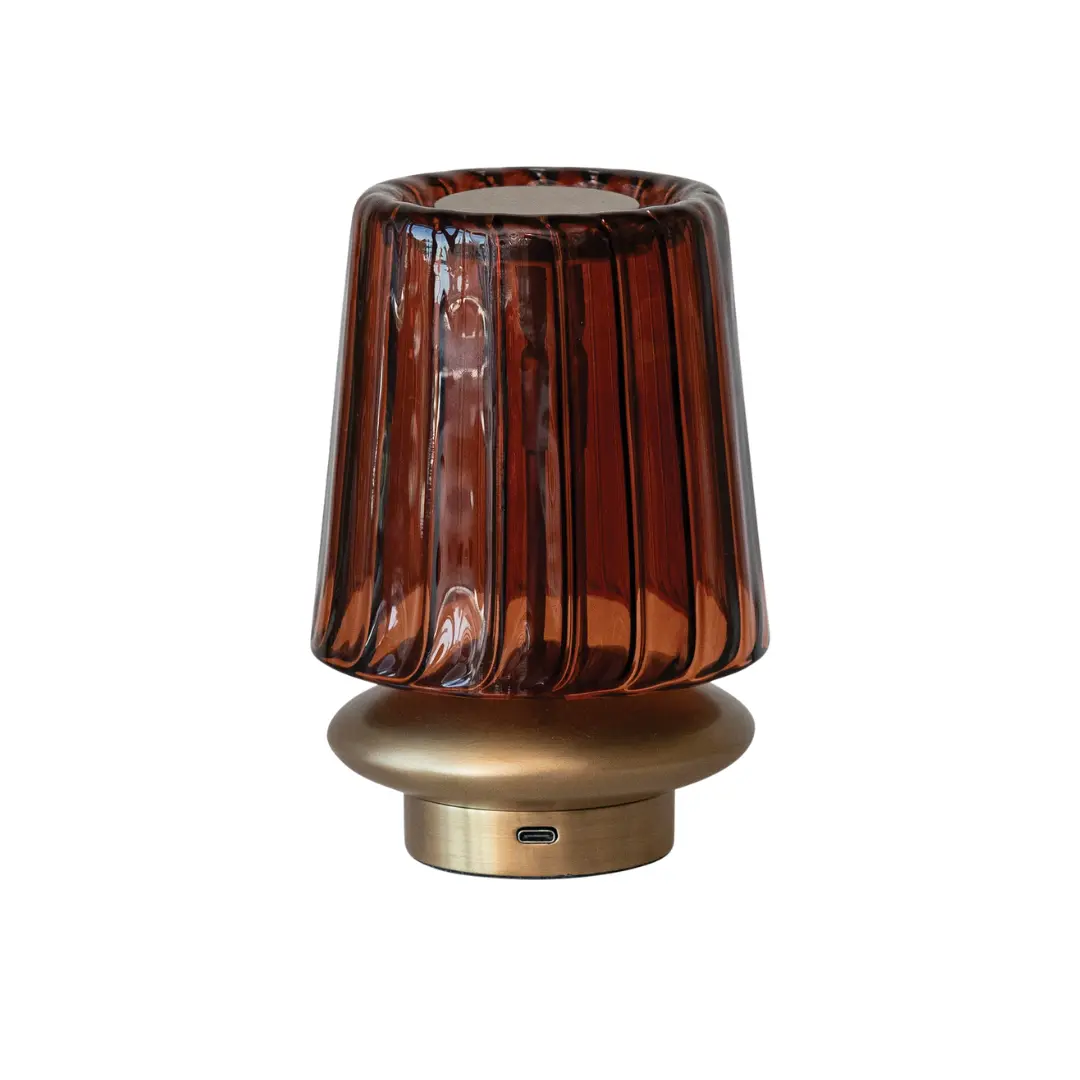
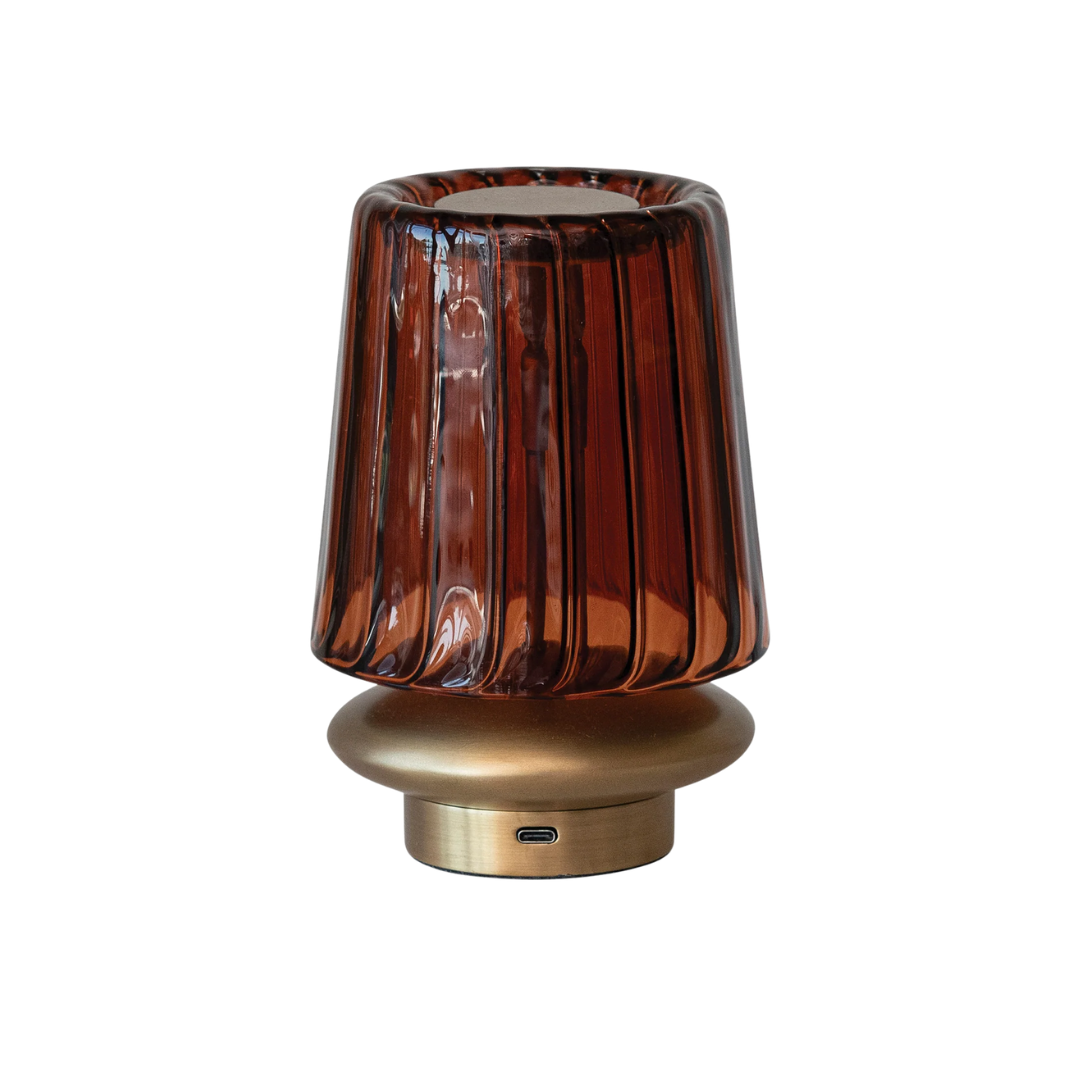
Leading this design shift is the growing popularity of ultra-compact illumination pieces, such as Lulu and Georgia’s Takada Mini Cordless Table Lamp. Measuring a mere four and a half inches in diameter and standing only six and a half inches tall, pieces like the Takada represent a fundamental pivot in how interior designers and homeowners approach functional decor. Rather than treating lighting as a dominant spatial anchor that dictates the layout of a room, contemporary small-space living demands illumination that can squeeze into previously unusable nooks—yielding maximum atmospheric impact with minimal physical footprint.
Priced around $98, these petite fixtures are proving that big style does not require sprawling dimensions. Featuring elements like pleated amber glass that mimics the soft texture of fabric, these mini lamps offer a warm, diffused glow that transforms vanities, bookshelves, and kitchen prep stations without forcing residents to choose between operational workspace and ambient lighting.
Chronology: How Portable Lighting Evolved From Task Tools to Design Statements
The trajectory of portable lighting reflects broader lifestyle changes, shifts in remote work culture, and advancements in battery technology. To understand why mini lamps are dominating current interior trends, it helps to examine how the category evolved:
- The Corded Era (Pre-2010s): For decades, table lamps were strictly tethered to wall outlets. In compact apartments, this created a rigid layout where furniture placement was dictated by electrical socket locations, often necessitating tangled extension cords across small floors.
- The Rise of Rechargeable Portables (2015–2020): The proliferation of efficient LED diodes and lightweight lithium-ion batteries allowed manufacturers to untether lamps entirely. Initially, these portable lamps mimicked standard sizes, designed primarily for upscale restaurant dining tables or flexible home office spaces.
- The Compact Urban Pivot (2021–2024): As urban remote work became permanent and housing densities increased, standard portable lamps began to feel too bulky for cramped apartment living. Consumers quickly realized that a standard portable lamp still consumed valuable surface area intended for laptops, coffee mugs, and daily essentials.
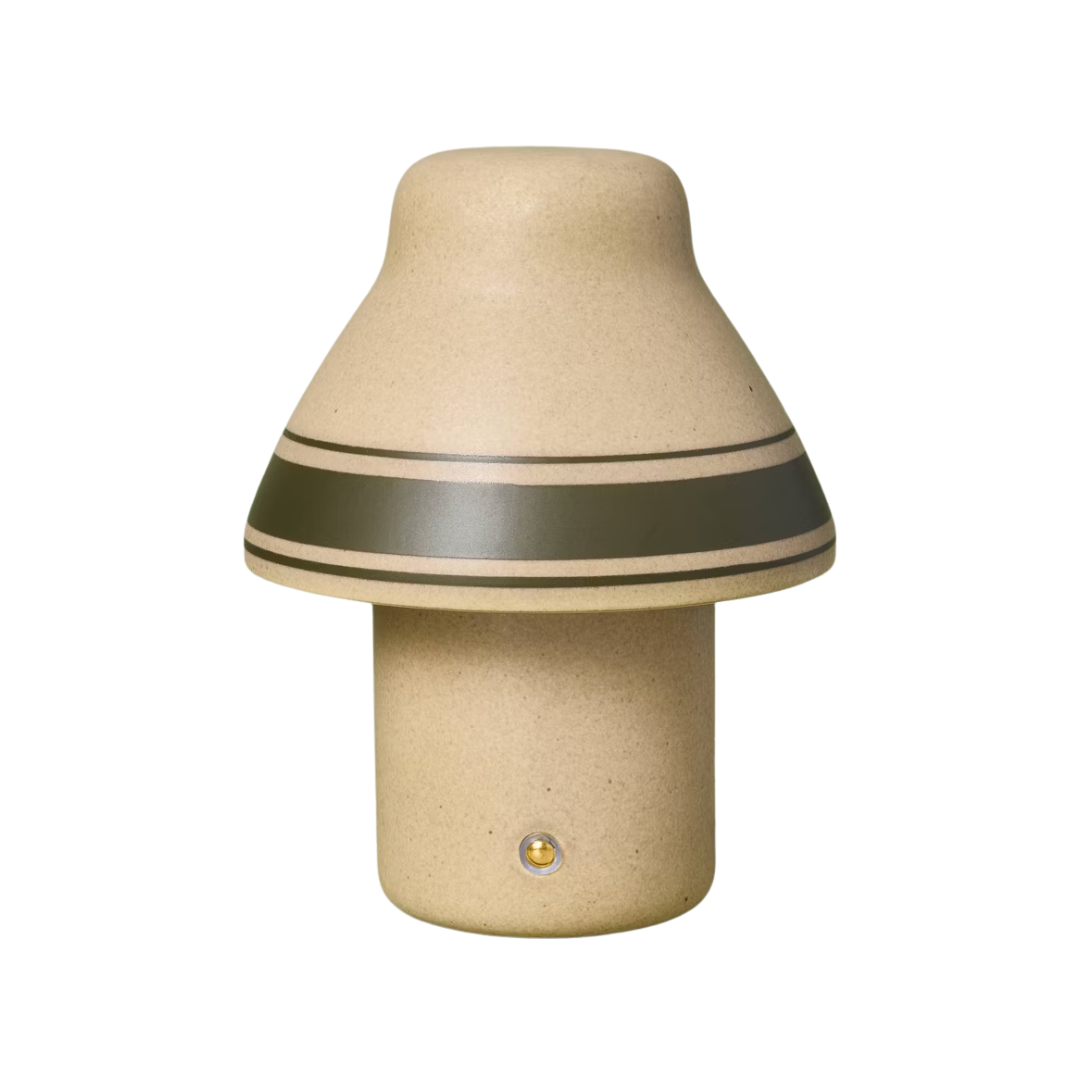
- The Micro-Lamp Boom (2025–Present): Entering the market with diameters under five inches, fixtures like the Takada, IKEA’s Avhåll, and Target’s Hearth & Hand with Magnolia ceramic series have redefined the category. Lighting is now treated as an accessory layer rather than a primary space-hogging fixture, aligning perfectly with the minimalist, highly functional design ethos of modern city living.
Supporting Data and Market Trends: The Economics of Micro-Decor
The surge in demand for micro-portable lamps is backed by significant shifts in the home decor retail market. Industry analyses and retail data point toward several key drivers:
- The Price-to-Impact Ratio: While premium pieces like the Lulu and Georgia Takada sit at a luxury price point of $98, accessible alternatives from mass-market retailers—such as Target’s mini ceramic and striped options—provide budget-conscious consumers with low-cost entry points into high-end aesthetics.
- The "Centerpiece Rule" Compliance: Interior styling standards traditionally dictate that table centerpieces and accessories should remain under one foot in height to avoid obstructing sightlines across a room or dining table. At roughly 6.5 inches tall, mini cordless lamps sit comfortably below this threshold, making them ideal for multi-person gatherings without blocking cross-table conversation.
- Material and Color Trends: Market forecasts for upcoming design cycles highlight a massive surge in ceramic-style textures, antique-inspired brass and burgundy finishes, and tactile, pleated glass surfaces. These materials allow micro-lamps to function as art objects even when powered off.
- Versatility Metrics: Unlike traditional lamps that remain stationary, consumer surveys indicate that owners of portable mini-lamps frequently move them between indoor desks, bathroom vanities, and outdoor balconies—maximizing the utility of a single decor investment.
Expert Perspectives and Industry Insights
Interior designers and spatial planners have increasingly championed the minimalist approach to lighting, noting that psychological comfort in small spaces relies heavily on reducing visual and physical clutter.
Interior styling specialists point out that the traditional reliance on overhead lighting or large table lamps often creates harsh shadows and shrinks the perceived volume of a small room. "When you’re dealing with a studio apartment, every object on a counter or table either earns its keep or crowds the space," notes a leading New York-based interior stylist. "A standard lamp forces you to sacrifice valuable functional space. A four-inch mini lamp, however, gives you the ambient mood lighting you crave during the darker months without demanding a single square inch of your working radius."
Furthermore, safety experts and lifestyle commentators have highlighted the functional superiority of LED-powered mini lamps over traditional burning candles during the autumn and winter holiday seasons. While pillar and taper candles have long been staples of cozy fall decor, they present undeniable fire hazards in compact spaces cluttered with papers, textiles, and electronics. Petite cordless lamps replicate the soft, flickering warmth of candlelight—especially when paired with amber or smoked glass shades—without the associated risks of open flames or wax residue.
Implications: The Future of Small-Space Living and Architectural Styling
The widespread adoption of micro-portable lighting carries profound implications for the future of urban architecture, interior design, and consumer purchasing habits.
1. Architectural and Electrical Shifts
As portable, rechargeable lighting becomes the default choice for urban renters and homeowners, the placement of electrical outlets in modern micro-apartments may begin to evolve. Developers and interior architects may rely less on perimeter wall outlets for lighting layouts, shifting toward centralized charging hubs or furniture-integrated USB ports designed to service collections of smaller devices.
2. The Psychology of Seasonal Decorating
For transplants moving from sprawling suburban homes into compact urban environments—such as West Coast arrivals adjusting to East Coast winters—the psychological need for a "cozy" home environment remains strong. Micro-lighting allows individuals to practice seasonal layering (such as swapping bright summer lighting for warm, amber hues) without accumulating physical clutter. The philosophy of "mini lamp, maximum impact" proves that psychological warmth and aesthetic richness are not dependent on physical scale.
3. Sustainable and Modular Consumerism
Because these lamps are lightweight, durable, and often waterproof (as seen with outdoor-rated models like IKEA’s Avhåll), consumers are buying into modular lighting ecosystems. Instead of purchasing heavy, single-room fixtures that are difficult to move during relocations, urban consumers are investing in collections of portable mini-lamps that transition effortlessly from a Manhattan desk to a weekend rental, or from an indoor bookshelf to an outdoor patio table.
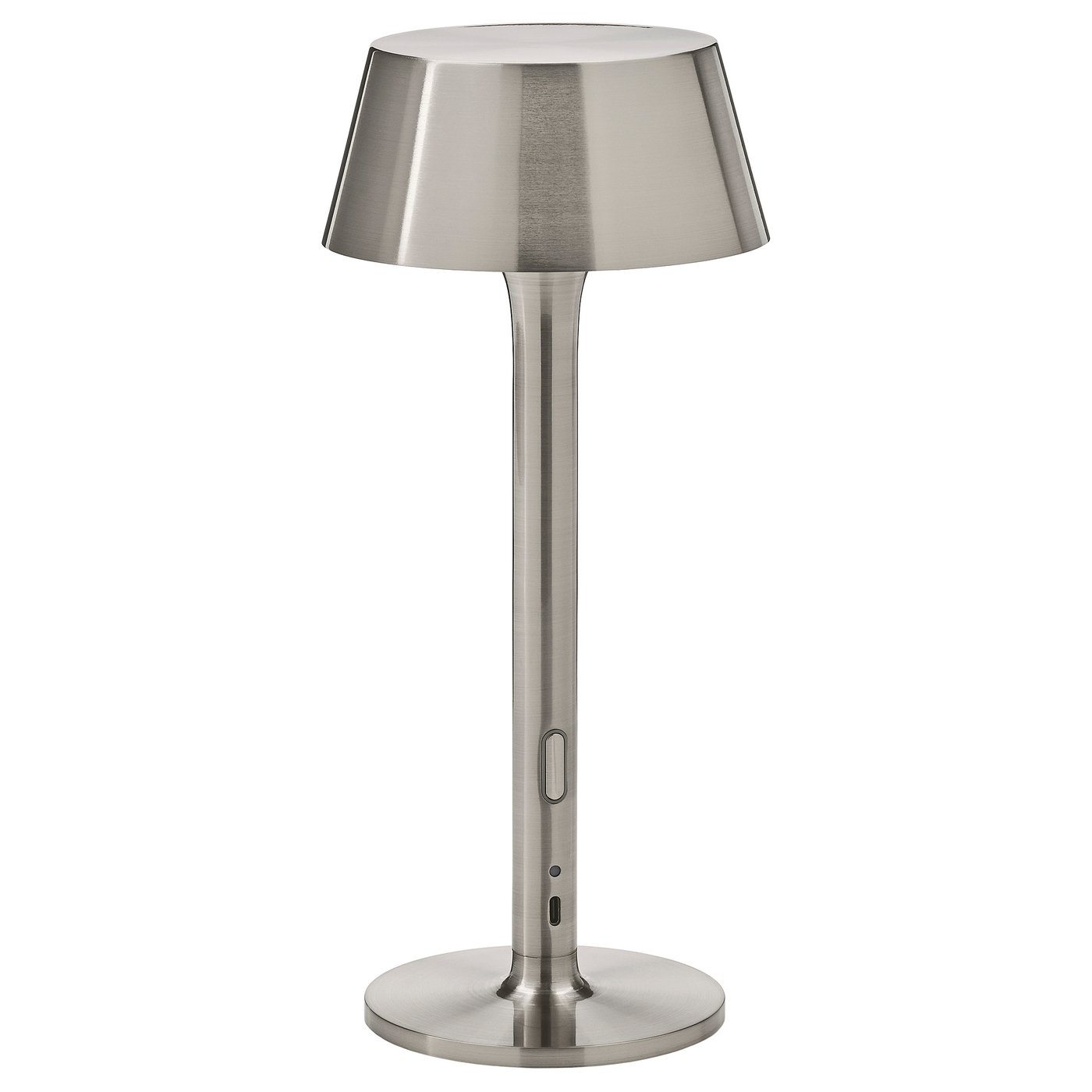
Ultimately, the minimalist shift toward micro-portable lamps is more than a passing decor fad; it is a practical adaptation to modern living conditions. By proving that exceptional design can scale down without losing its soul, these petite fixtures have permanently illuminated a smarter, more flexible path forward for small-space living.
