

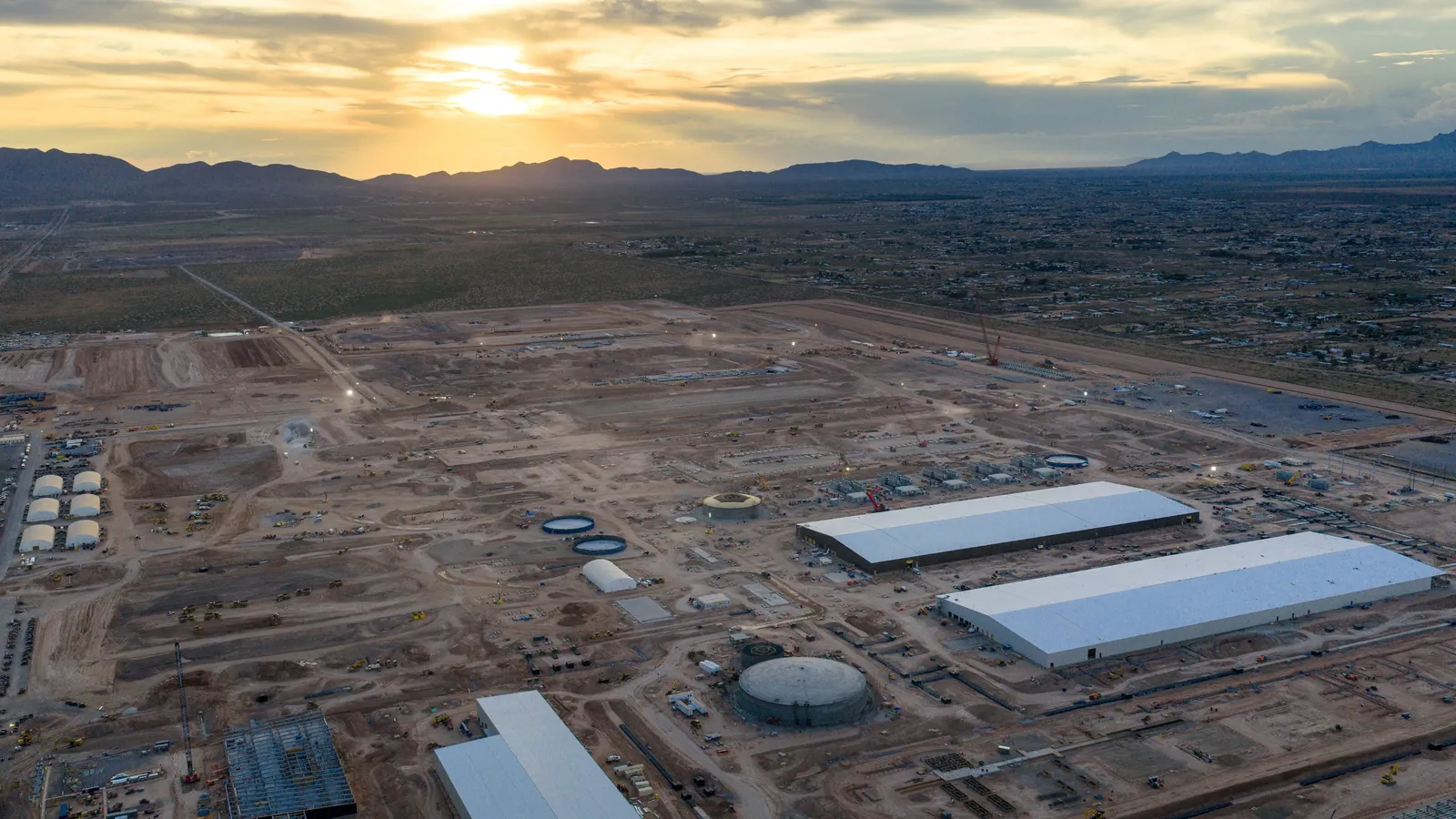
WASHINGTON — Following a dramatic contraction in June that rattled investors and unsettled sector analysts, the U.S. construction industry experienced a sharp and unexpected reversal of fortune in July. Total construction starts surged by 25.6% month over month, hitting a seasonally adjusted annual rate of $1.79 trillion, according to the latest data released by the Dodge Construction Network.
While the headline-grabbing recovery appears to signal robust health, industry economists urge caution. Behind the massive rebound lies a profoundly fractured landscape—one where multi-billion-dollar megaprojects dictate the national averages while vital traditional construction sectors continue to contract.
Main Facts
The explosive 25.6% rebound in July completely reversed the steep 19.9% plunge recorded in June. That earlier downturn was heavily attributed to a temporary lull in megaproject groundbreakings, creating a volatile down-and-up pattern that underscores the modern construction economy’s reliance on ultra-large capital investments.
According to the Dodge Construction Network report:
- Total Construction Starts: Reached a seasonally adjusted annual rate of $1.79 trillion in July, up 25.6% from June.
- Nonresidential Building Sector: Jumped an astounding 57.7% month over month, fueled almost entirely by multibillion-dollar manufacturing plants and data center investments.
- Nonbuilding Sector: Maintained steady year-to-date dominance, bolstered heavily by electrical power and utility infrastructure development, despite dips in highway and bridge starts.
- Residential Sector: Managed a modest 4.9% monthly uptick, driven by slight gains in both single-family (4.3%) and multifamily (5.7%) projects, though it remains down 1.7% year-to-date.
Despite the impressive month-over-month recovery, experts emphasize that the July numbers illustrate an economy of extremes. Pockets of immense wealth and high-tech expansion are masking severe contractions in commercial subsectors like healthcare and hospitality.
Chronology of the Summer Volatility
To understand the current state of the construction pipeline, analysts are looking closely at the erratic cadence of project launches across late Q2 and early Q3 2026.
June 2026: The Mid-Year Slump
The volatility began in earnest at the end of the second quarter. June data revealed a punishing 19.9% drop in total construction starts. At the time, industry analysts noted that the pipeline of traditional commercial and institutional builds had cooled significantly. More critically, developers and institutional investors hit the pause button on several marquee megaprojects while navigating high borrowing costs, labor shortages, and complex supply chain adjustments. The June slowdown created widespread anxiety that the post-pandemic construction boom was finally running out of steam.
July 2026: The Megaproject Awakening
The pessimism of June proved to be short-lived. As financing packages cleared and institutional capital re-entered the market, July marked a massive return to construction sites. Contractors broke ground on a fresh wave of massive industrial and technological facilities. This sudden reactivation of multibillion-dollar endeavors injected billions of dollars back into the annualized rate calculations, resulting in the dramatic 25.6% single-month spike.
Supporting Data: A Tale of Two Markets
A granular analysis of Dodge Construction Network’s July report reveals stark contrasts between soaring high-tech verticals and struggling traditional sectors.
The Nonresidential Explosion
The nonresidential sector as a whole skyrocketed 57.7% month over month in July, carrying the entire construction economy on its back. This phenomenal growth was concentrated in two primary segments:
- Data Centers: Spurred by the explosive growth of artificial intelligence, cloud computing, and digital infrastructure, data center groundbreakings surged 107.9% month over month. (A notable example includes the rapid expansion of facilities like Meta’s El Paso data center, which broke ground in mid-August amid ongoing regional expansion).
- Manufacturing Construction: Industrial manufacturing starts witnessed an astronomical 277.8% month-over-month surge, driven by ongoing federal investments in domestic semiconductor fabrication, green energy technology, and EV supply chains.
The Healthcare and Hospitality Slump
Conversely, traditional commercial and institutional nonresidential verticals faced severe retrenchment during the same period:
- Healthcare Construction: Starts plummeted 59.7% month over month in July, reflecting squeezed health system margins, high cost-of-capital, and a shift toward outpatient facilities over massive hospital expansions.
- Hotel and Hospitality Groundbreakings: Tumbled 51.5% month over month, as developers face tighter commercial real estate lending standards and saturated local markets.
Nonbuilding Infrastructure Dynamics
The nonbuilding sector presented a mixed picture. While utility construction starts soared by 44.7% month over month—contributing to a massive 94.1% year-to-date increase in electric power and utility projects—other crucial public works lagged behind. Highway and bridge starts fell 16.9% month over month in July, and environmental public works dropped 7.8%.

Residential Real Estate
Residential construction showed signs of life in July, ticking up 4.9% overall. Single-family starts rose 4.3%, while multifamily starts increased 5.7%. However, these monthly gains were not enough to erase earlier losses; total residential starts remain down 1.7% year-to-date compared to the same period in 2025. High mortgage rates and affordability hurdles continue to suppress a broader housing market recovery.
Official Responses and Expert Analysis
Industry leaders and economists have been quick to dissect the implications of July’s volatile figures, warning that headline statistics no longer tell the full story of the construction economy.
Eric Gaus, chief economist at Dodge Construction Network, characterized the current climate as fundamentally uneven.
"Megaproject-driven volatility headlines a disjointed construction market," Gaus noted in the official release. "There is strength in pockets—multifamily within residential, data centers within commercial, and energy within nonbuilding."
Gaus pointed out that while high-tech and industrial sectors are flush with capital, traditional mainstays of the commercial market are struggling to find stable ground. Developers are increasingly hesitant to launch projects that rely on traditional consumer or patient demand—such as hotels and healthcare clinics—while high-interest-rate environments persist.
Financial analysts echo these sentiments, noting that construction lending has grown increasingly selective. Commercial banks are heavily favoring industrial, energy transition, and digital infrastructure projects backed by corporate giants, leaving smaller regional developers and healthcare systems struggling to secure competitive financing terms.

Economic Implications
The dramatic swings in construction starts carry profound implications for the broader U.S. economy, labor markets, and regional development patterns.
1. Labor Market Shifts
The concentration of activity in megaprojects, data centers, and advanced manufacturing plants requires a specialized workforce. While general laborers and residential framers face a cooling market, demand for electrical engineers, specialized technicians, heavy equipment operators, and industrial electricians remains exceptionally high. This mismatch can exacerbate localized labor shortages, even as overall construction employment numbers fluctuate.
2. Supply Chain Pressures
The sudden reactivation of multi-billion-dollar manufacturing and tech facilities places renewed pressure on specialized supply chains. Materials such as heavy structural steel, industrial-grade switchgear, electrical transformers, and specialized concrete are already subject to extended lead times. A market driven by megaproject surges risks driving up material costs, potentially pricing smaller municipal and commercial projects out of the market.
3. Regional Disparities
States and municipalities that have successfully courted advanced manufacturing, semiconductor plants, and data center developments are experiencing localized economic booms. Conversely, regions reliant on traditional commercial real estate, tourism-driven hospitality, or municipal infrastructure grants face a more austere environment as healthcare and public works starts contract.
4. Long-Term Outlook
As the industry moves toward the final stretch of 2026, stakeholders will be watching closely to see whether the "disjointed" market stabilizes or if the extreme volatility of June and July becomes the new normal. If interest rates begin to ease in the coming quarters, traditional commercial and residential sectors may finally catch up to the industrial boom. Until then, America’s construction economy will continue to be propelled forward by the heavy, high-tech engines of data centers, green energy, and advanced manufacturing.
