

WASHINGTON — In the modern era of household maintenance, the quest for chemical-free cleaning solutions has driven homeowners toward a remarkably versatile appliance: the steam cleaner. Long reserved for industrial settings or heavy-duty commercial detailing, high-temperature vapor systems have found a permanent home in domestic chores. By utilizing pressurized hot water vapor, these machines can dissolve grease, kill dust mites, and banish soap scum without the need for harsh chemical detergents.
However, wielding high-temperature vapor requires a nuanced understanding of thermodynamics and material science. Misusing a steam cleaner on vulnerable surfaces can warp wood, crack cold glass, or destroy delicate adhesives. This comprehensive guide explores how steam cleaners work, the various types available on the market, room-by-room applications, and critical precautions to protect your home investments.
Main Facts: Understanding the Mechanics of Steam Cleaning
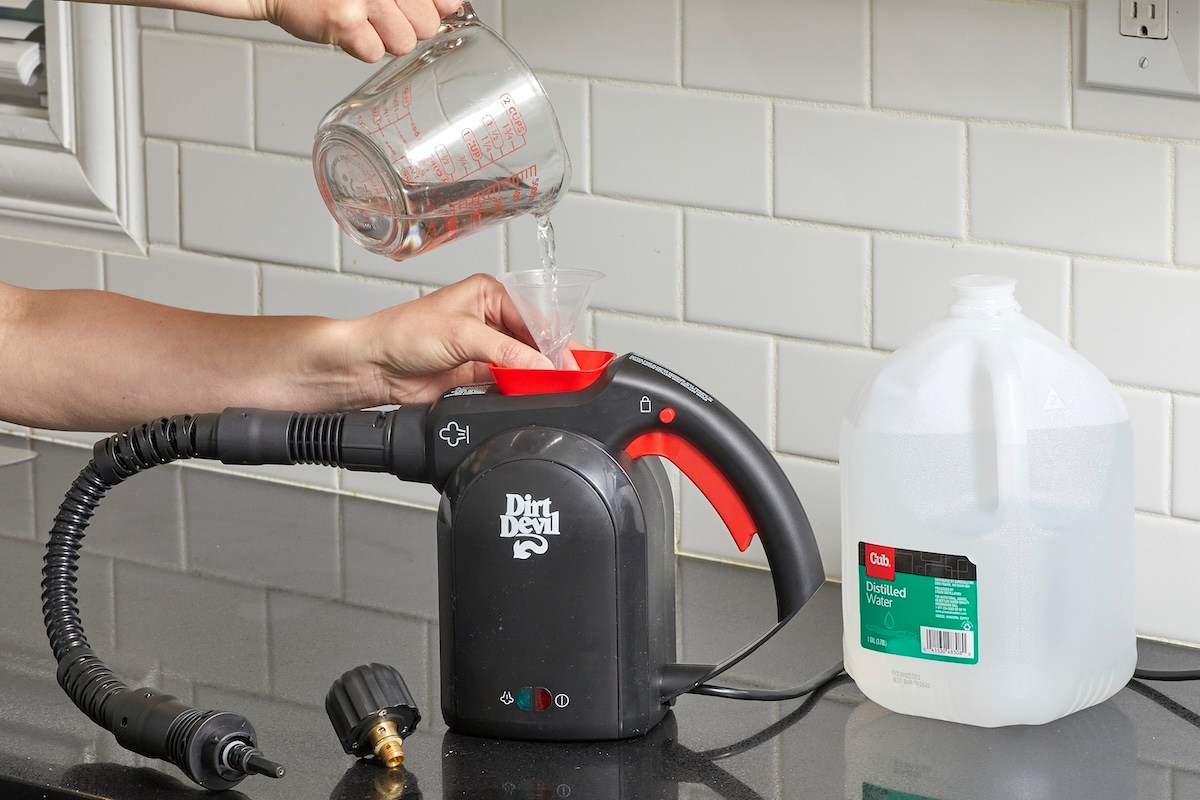
At its core, a steam cleaner operates on a simple yet highly effective scientific principle: thermal energy combined with pressure. Water is heated within an enclosed boiler until it reaches temperatures well above its boiling point (often between 200°F and 300°F). As the water converts into a gas, pressure builds inside the reservoir.
When the user depresses the trigger, this superheated vapor is forced through a narrow nozzle, hose, or attachment head. The primary mechanisms of action include:
- Thermal Shock: The sudden heat softens hardened grease, wax, and sticky residue.
- Moisture Penetration: Steam opens up microscopic pores in surfaces, lifting deeply embedded dirt.
- Sanitization: High heat levels are naturally hostile to bacteria, mold spores, and dust mites.
Unlike traditional carpet shampooers or mop buckets that rely heavily on chemical surfactants, most steam cleaners operate using strictly plain tap or distilled water. The physical force of the steam molecules lifting the grime—combined with immediate wiping—leaves surfaces genuinely clean without leaving behind sticky chemical residues that attract fresh dirt.
Chronology: The Evolution of Steam from Industrial Roots to Daily Household Use
To understand how steam cleaning became a staple of residential care, it helps to examine its historical progression:
- Late 19th and Early 20th Centuries: Early iterations of steam technology were strictly industrial. Massive steam generators were utilized in locomotive maintenance, textile mills, and heavy manufacturing to strip grease and heavy oils from machinery.
- Mid-20th Century: Commercial cleaners began adapting steam systems for carpet care and upholstery detailing in the hospitality and automotive industries. These machines were bulky, expensive, and required specialized training to operate safely.
- Late 1990s to Early 2000s: Advancements in heating element design and lightweight plastics allowed manufacturers to scale down boilers. Handheld units and residential canister models began appearing in consumer catalogs, marketed as eco-friendly alternatives to chemical sprays.
- Present Day: The market features a wide spectrum of specialized units—ranging from compact handheld clothes steamers and dedicated floor mops to robust rolling canister systems equipped with extensive accessory kits—making high-heat sanitation accessible to the everyday homeowner.
Supporting Data & Market Landscape: Choosing the Right Machine
Selecting the correct steam cleaner depends heavily on the intended application. Consumer testing and industry reviews generally divide these appliances into three primary categories:
- Handheld Steam Cleaners: Compact and lightweight, these units excel at localized spot-cleaning, bathroom fixtures, and vertical surfaces. Models such as the Steamery Handheld Clothes Steamer are optimized for fabrics, while multi-purpose handhelds tackle tight corners.
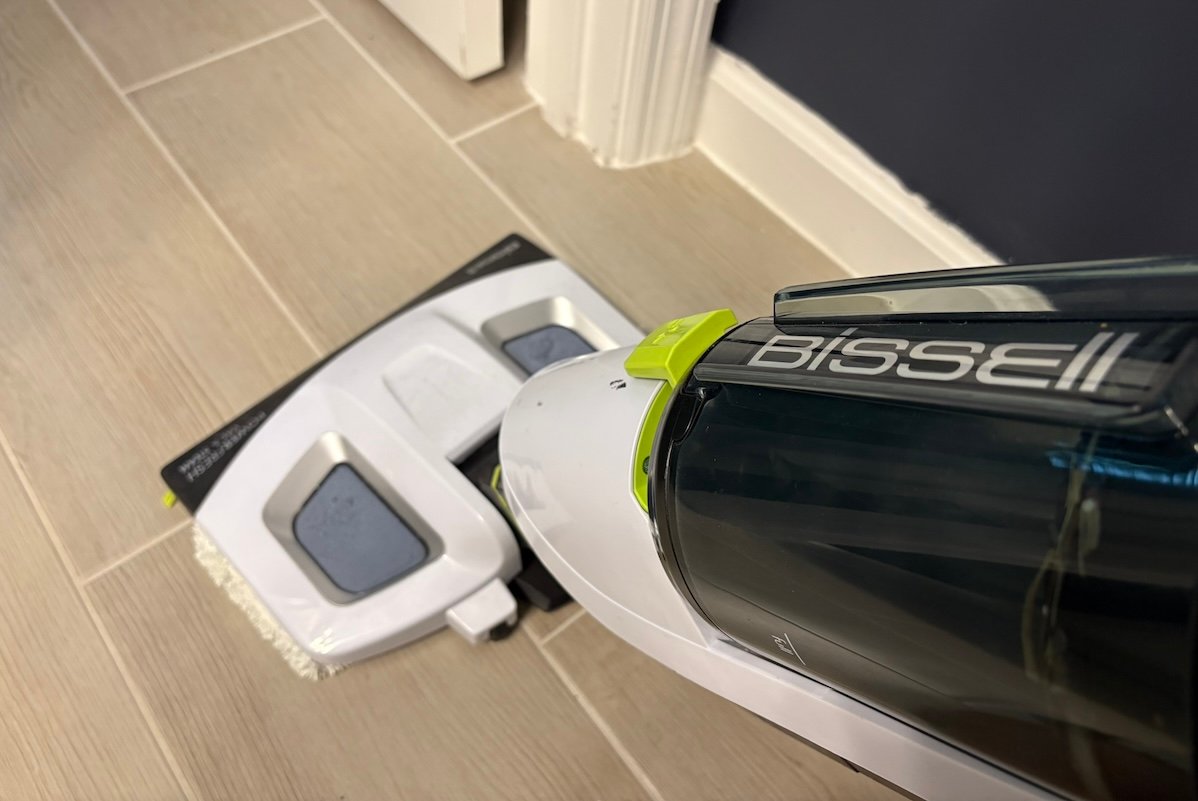
- Steam Mops: Designed specifically for horizontal hard flooring, units like the Bissell PowerFresh Vac & Steam distribute moisture evenly across wide cleaning paths, though their utility is typically limited to compatible tile and stone.
- Canister & Rolling Steam Cleaners: These heavy-duty multi-purpose machines feature larger water reservoirs and extended run times. For instance, the Pure Enrichment PureClean XL Rolling Steam Cleaner offers up to 45 minutes of continuous cleaning time and is typically bundled with an 18-piece accessory kit for diverse household challenges.
- All-Around Premium Systems: High-end models like the Euroflex Vapour Premium provide advanced pressure controls and continuous refill capabilities, bridging the gap between residential and commercial cleaning performance.
Room-by-Room Applications: Maximizing Steam Efficiency
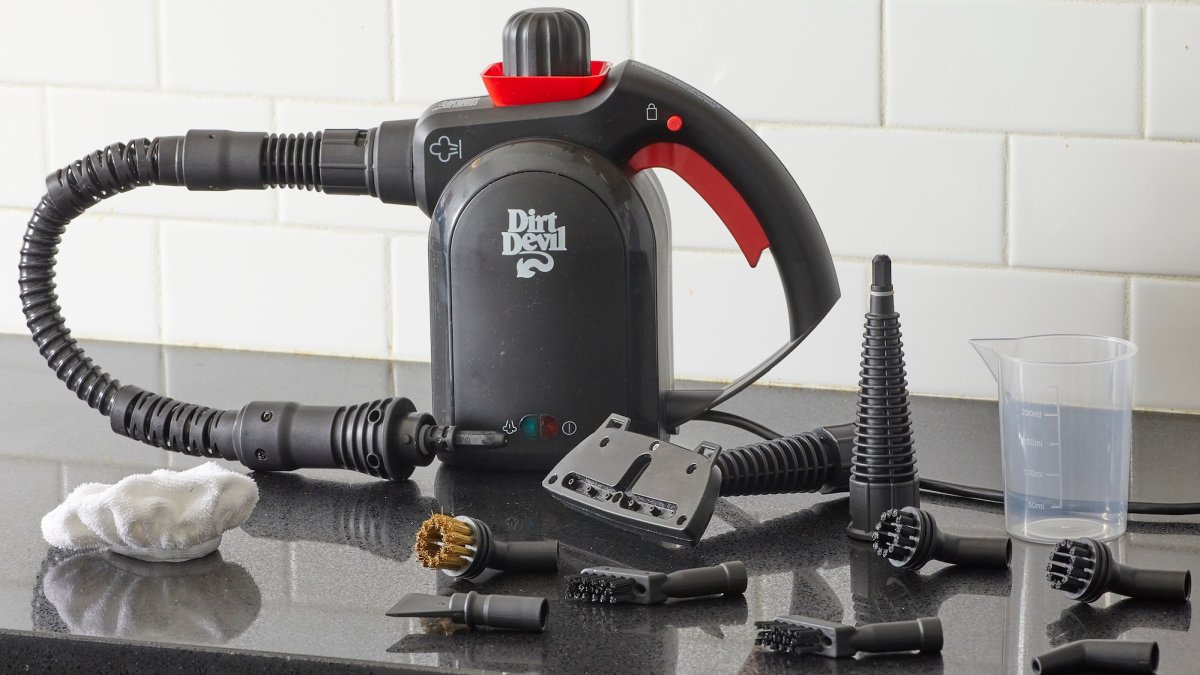
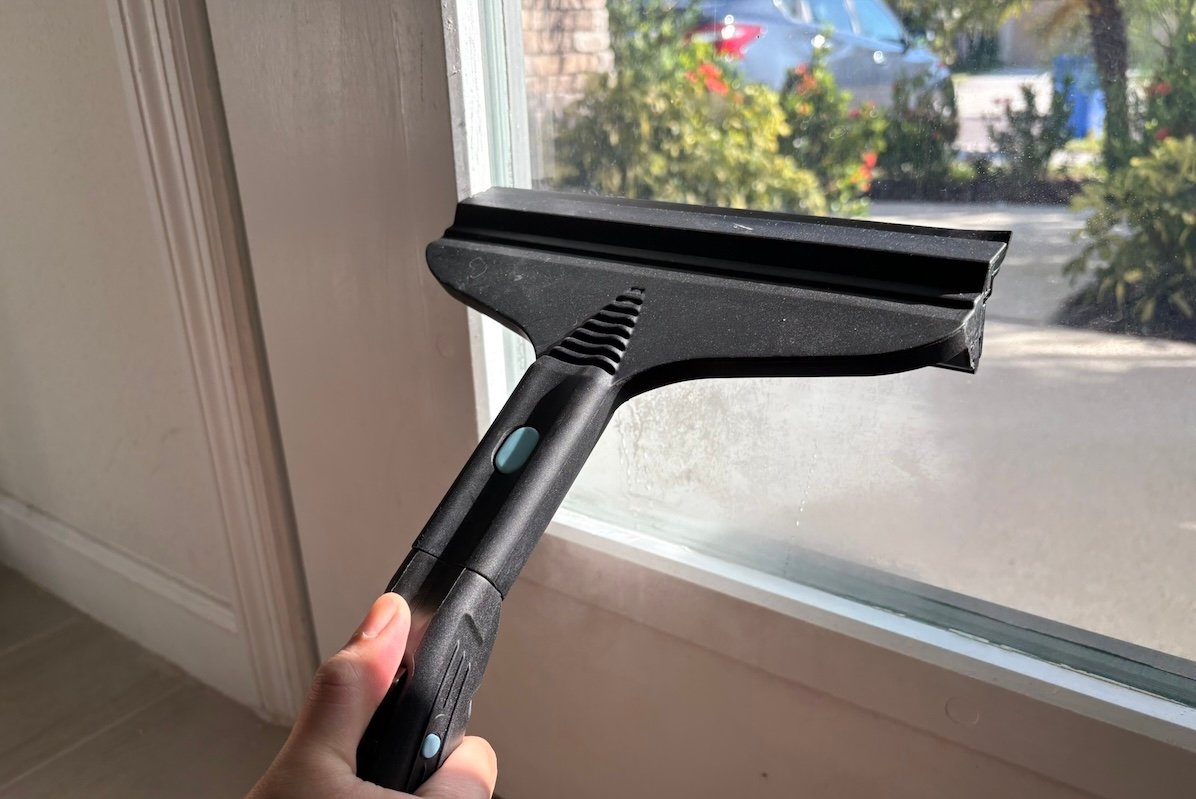
To extract optimal value from a steam cleaner, homeowners must match the correct attachment—such as detail nozzles, nylon scrubbing brushes, or squeegees—to the task at hand.
The Kitchen
The kitchen represents a prime environment for steam cleaning due to the accumulation of airborne grease and food splatters.
- Stovetops and Ovens: Steam quickly softens burnt-on carbon and grease on glass cooktops and oven interiors.
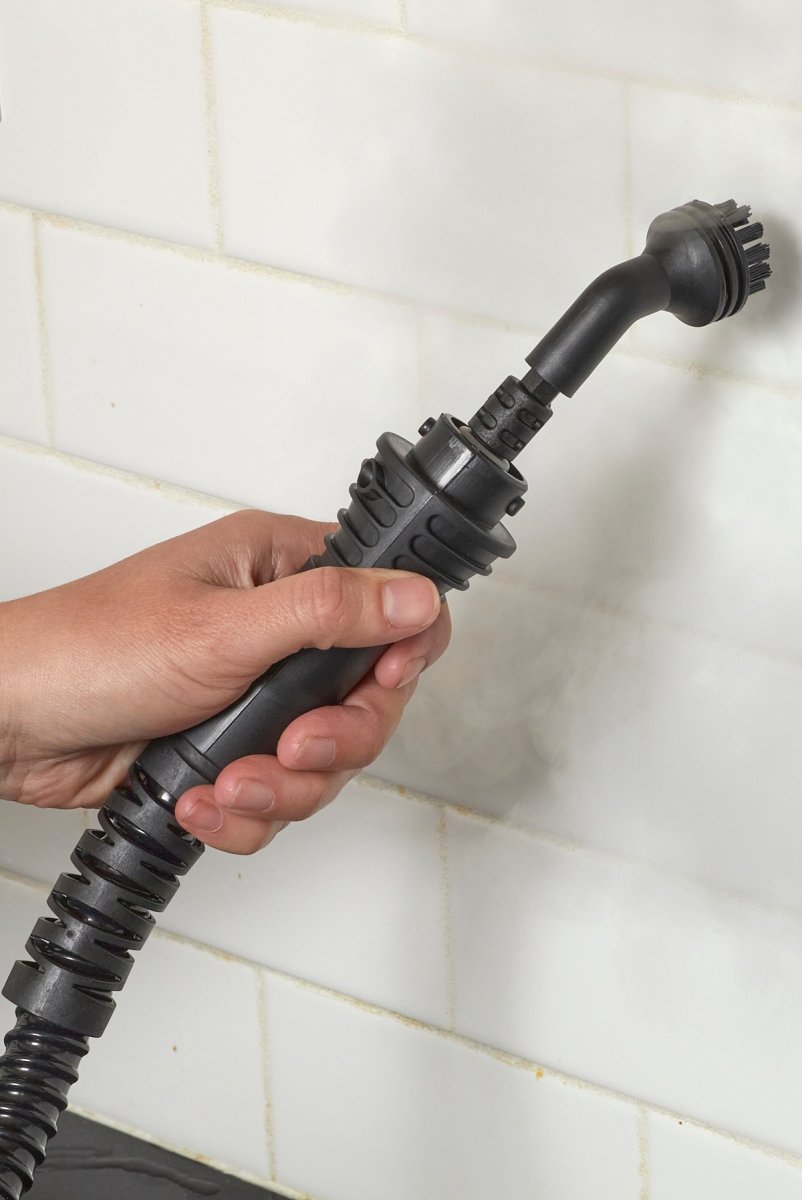
- Grout and Tile Backsplashes: Narrow nozzles direct high-pressure vapor into porous grout lines, lifting discoloration without harsh bleach.
- Cabinetry: Gentle passes can eliminate sticky fingerprints around handles and pulls.
- Precaution: Never direct high-pressure steam into appliance control panels, electrical outlets, or ventilation grills, as moisture infiltration can short out internal wiring.
The Bathroom
Mineral deposits, soap scum, and mold thrive in humid bathroom environments.
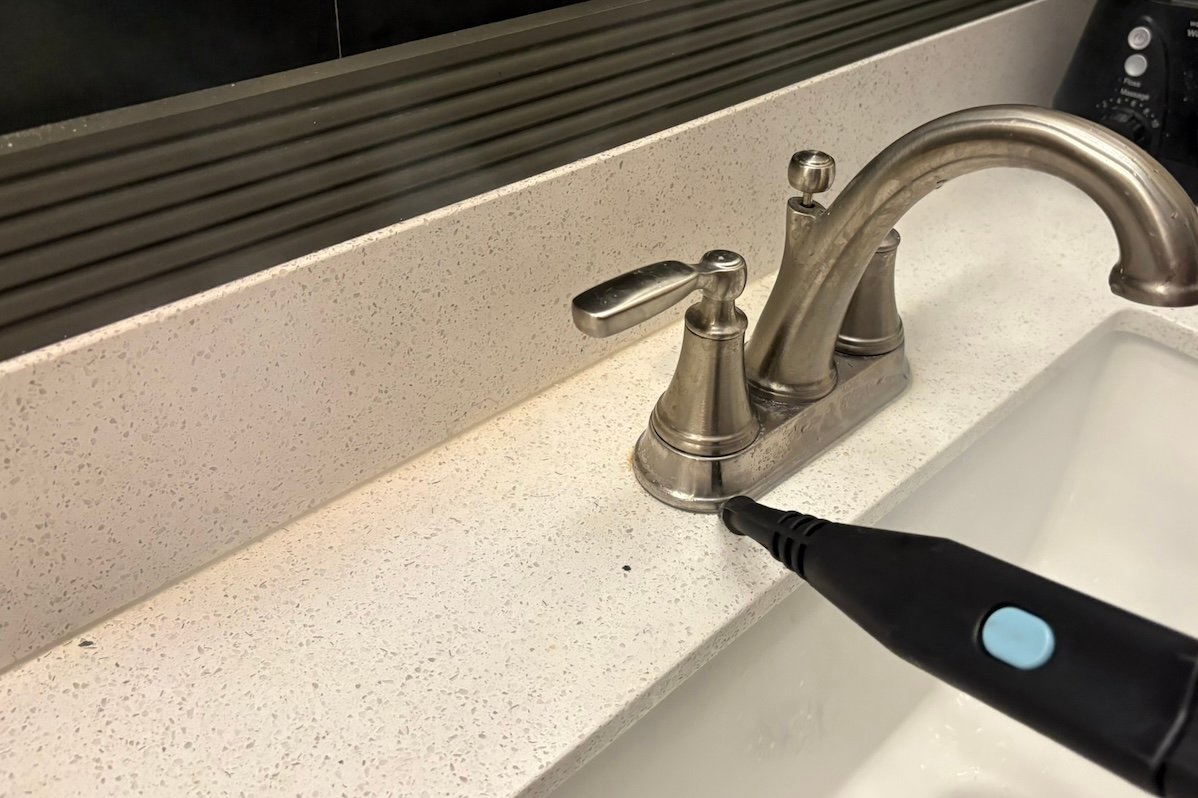
- Faucets and Fixtures: Detail brushes break down hard water scale around the bases of faucets and handles.
- Shower Glass: Steam melts away soap residue, which can then be instantly cleared using a squeegee attachment.
- Toilets and Tubs: High heat sanitizes porcelain surfaces effectively while eliminating stubborn rings and grime.
Hard Floors and Carpets
- Hard Floors: Sealed ceramic and porcelain tiles respond exceptionally well to steam mops. Always sweep or vacuum thoroughly beforehand to prevent abrasive particles from scratching the floor.
- Carpets and Rugs: While steam cleaners can refresh low-pile area rugs and lift light surface stains via upholstery attachments, they should not be confused with dedicated hot-water extraction carpet cleaners, which actively rinse and suction moisture from deep within padding.
Windows, Blinds, and Bedrooms
- Windows: When cleaning glass, ensure the outdoor temperature is not freezing; sudden thermal shock from hot steam can shatter cold window panes.
- Blinds: Steam swiftly cuts through greasy dust on vertical and horizontal slats.
- Mattresses and Curtains: Handheld steamers can refresh fabric items, neutralize surface allergens, and eliminate dust mites, provided the materials are given ample time to dry completely.
Official Recommendations: What NOT to Clean
Despite its incredible utility, steam cleaning is not a universal solution. Industry experts and appliance manufacturers universally advise against using steam cleaners on certain sensitive materials:
- Unsealed Hardwood and Engineered Flooring: Excessive moisture and heat can penetrate seams, causing wood planks to warp, buckle, or rot.
- Laminate and Vinyl Flooring: High heat can melt underlying adhesives or seep into tongue-and-groove joints.
- Porosity-Sensitive Stone: Natural stones like marble or limestone can be etched or cracked by thermal shock and aggressive pressure.
- Porous or Water-Sensitive Finishes: Unfinished wood, antiques, delicate paper products, and cardboard will degrade instantly under hot vapor.
- Cold Glass: As noted, applying high-heat steam directly to freezing window panes creates a dangerous thermal differential that can shatter the glass.
Expert Tip: When encountering an unfamiliar surface, always perform a patch test in a small, hidden area before proceeding with full-scale cleaning.
Implications: The Shift Toward Sustainable Home Maintenance
The widespread adoption of steam cleaning reflects a broader cultural and environmental shift toward sustainable household management. By reducing reliance on single-use plastic chemical bottles, ammonia-based glass cleaners, and heavy-duty degreasers, homeowners significantly lower their household chemical footprint.
Furthermore, families with young children and pets benefit from eliminating toxic residues from floors and toys. As heating technology continues to evolve, the steam cleaner has transitioned from a niche industrial tool into an indispensable, eco-friendly cornerstone of modern residential care.
