

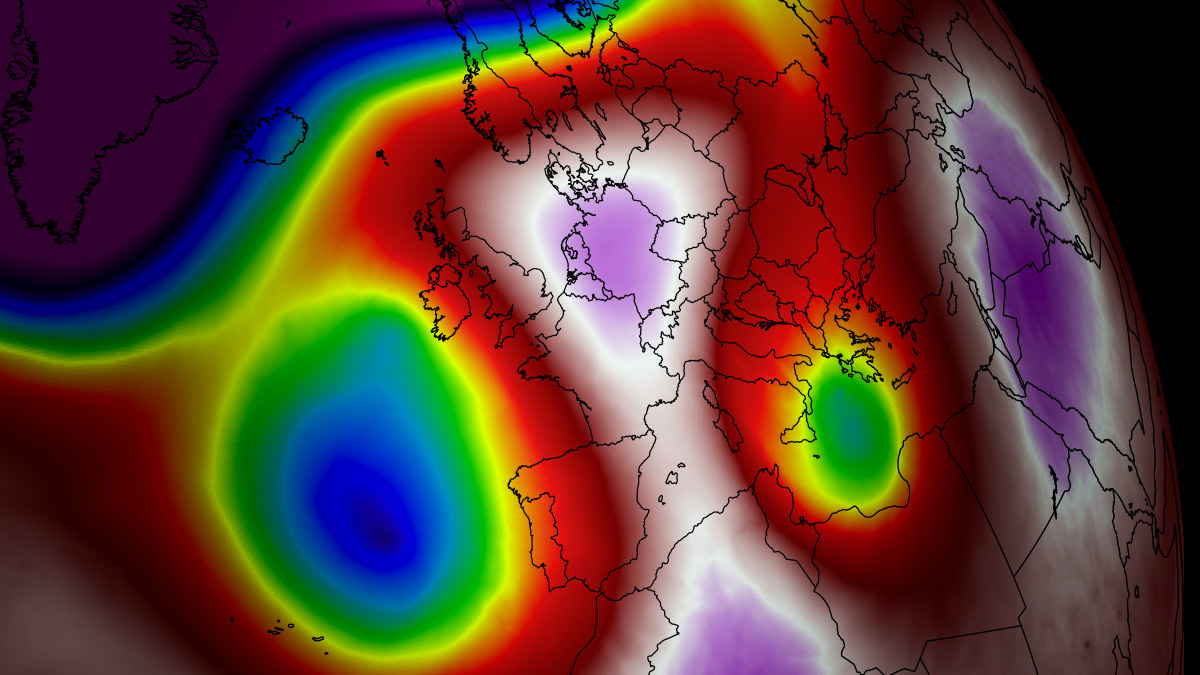
CENTRAL EUROPE — A formidable, high-amplitude upper-level ridge is aggressively expanding eastward across Central Europe and the Balkan Peninsula, locking in a punishing, multi-week heatwave with daytime highs projected to soar above 40°C through the first week of August. Driven by a persistent Heat Dome synchronized with a classic Omega block atmospheric pattern, an exceptionally warm and dry air mass continues to surge northward from North Africa.
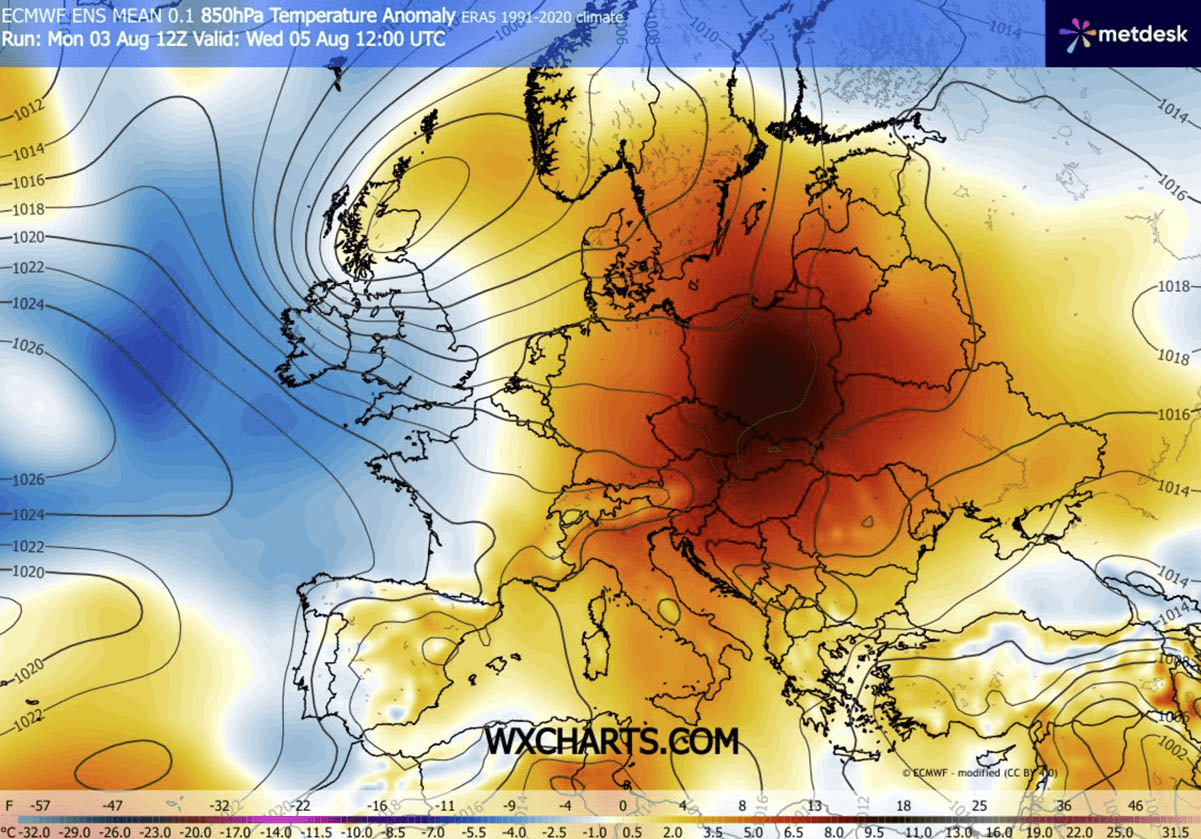
According to meteorological analyses, this weather phenomenon is pushing upper-air thermal anomalies into the 99th percentile. Regions spanning northern Italy, Hungary, Croatia, Serbia, and their surrounding territories face historic, excessive heat conditions that threaten public health, strain critical infrastructure, and severely exacerbate agricultural drought.

Main Facts
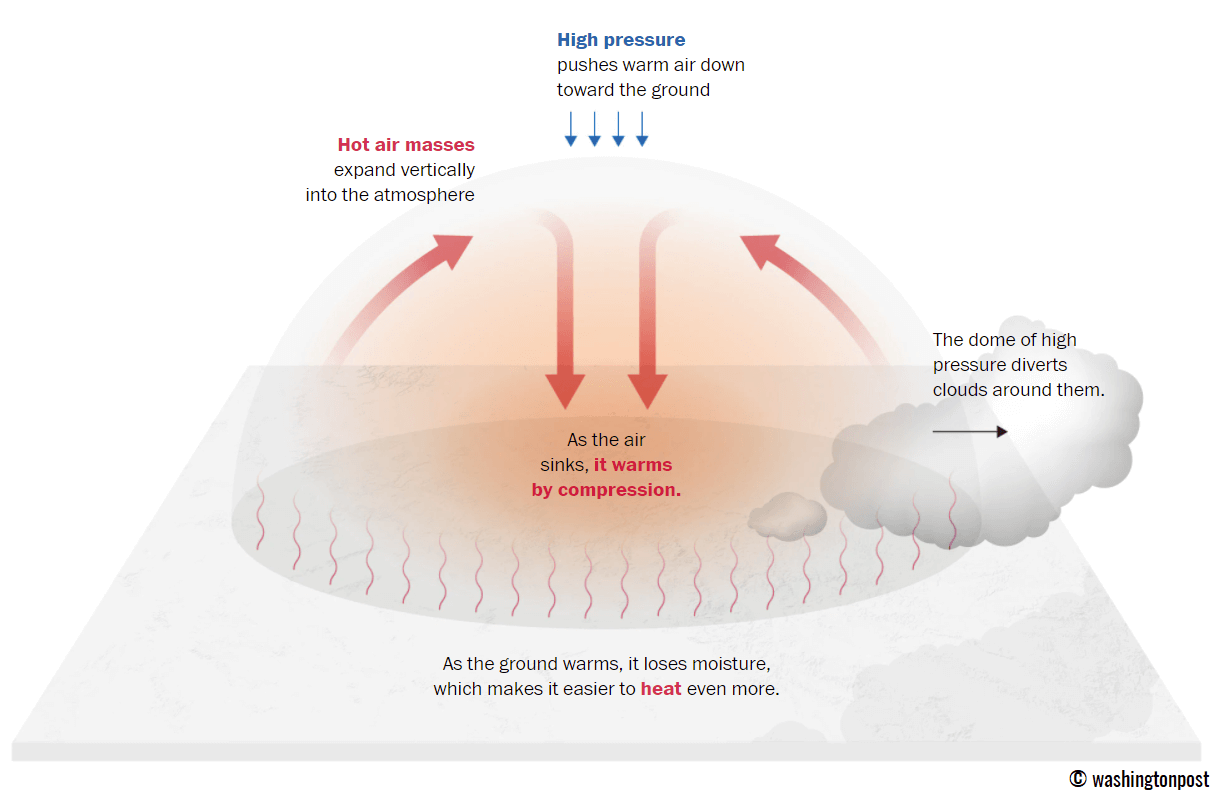
The atmospheric engine driving this extraordinary thermal event is a stubborn, slow-moving high-pressure system parked directly over the heart of the European continent.
- The Mechanism: Functioning much like a lid on a boiling pot, the Heat Dome traps massive volumes of warm air beneath sinking air masses that compress and intensely heat the lower troposphere.
- Peak Temperatures: Low-lying river basins—most notably the Po Valley in Italy and the Pannonian Basin spanning Hungary, Serbia, and Croatia—are bearing the brunt of the event. Peak surface temperatures are forecast to reach between 40°C and 43°C.
- Arid Conditions: Continental dry winds are currently sweeping through the region, maintaining low relative humidity levels while drastically accelerating soil moisture loss and fueling explosive wildfire risks across southern Europe and the western Balkans.
- Nocturnal Threat: Adding to the physiological danger, the region is experiencing relentless "tropical nights." Major urban centers are seeing overnight lows refuse to drop below 22°C to 26°C (and in some locales, staying above 24°C), denying human bodies and urban environments any meaningful window for recovery.
Chronology and Spatial Progression
The evolution of this severe weather pattern highlights a distinct eastward shift in the core of the extreme heat, transitioning from Central Europe toward the Balkans and Eastern Europe over the course of the week.
Early Week: Central Europe
The onslaught of extreme heat began impacting Germany, Eastern Austria, and the Czech Republic early in the week. Tuesday delivered severe temperatures, with Germany recording widespread highs of 36°C to 38°C, the Czech Republic peaking between 37°C and 40°C, and the plains of Eastern Austria reaching up to 40°C. Hungary and parts of Slovakia experienced even more aggressive heat indices during this initial push.
Mid-Week: Italy, the Pannonian Basin, and the Western Balkans
By Wednesday, an upper-level wave emerging over Western Europe began drawing in maritime Atlantic air, offering slight, temporary relief to the UK, France, and parts of the Iberian Peninsula. However, this dynamic forced the core of the Heat Dome to elongate and shift eastward.
The Po Valley in northern Italy experienced daytime highs surging into the low 40s. Simultaneously, the extreme heat expanded deeply into Croatia, Bosnia, western Romania, and northern Serbia, with temperatures consistently hitting 42°C.
Late Week: Eastern Europe and the Southern Balkans
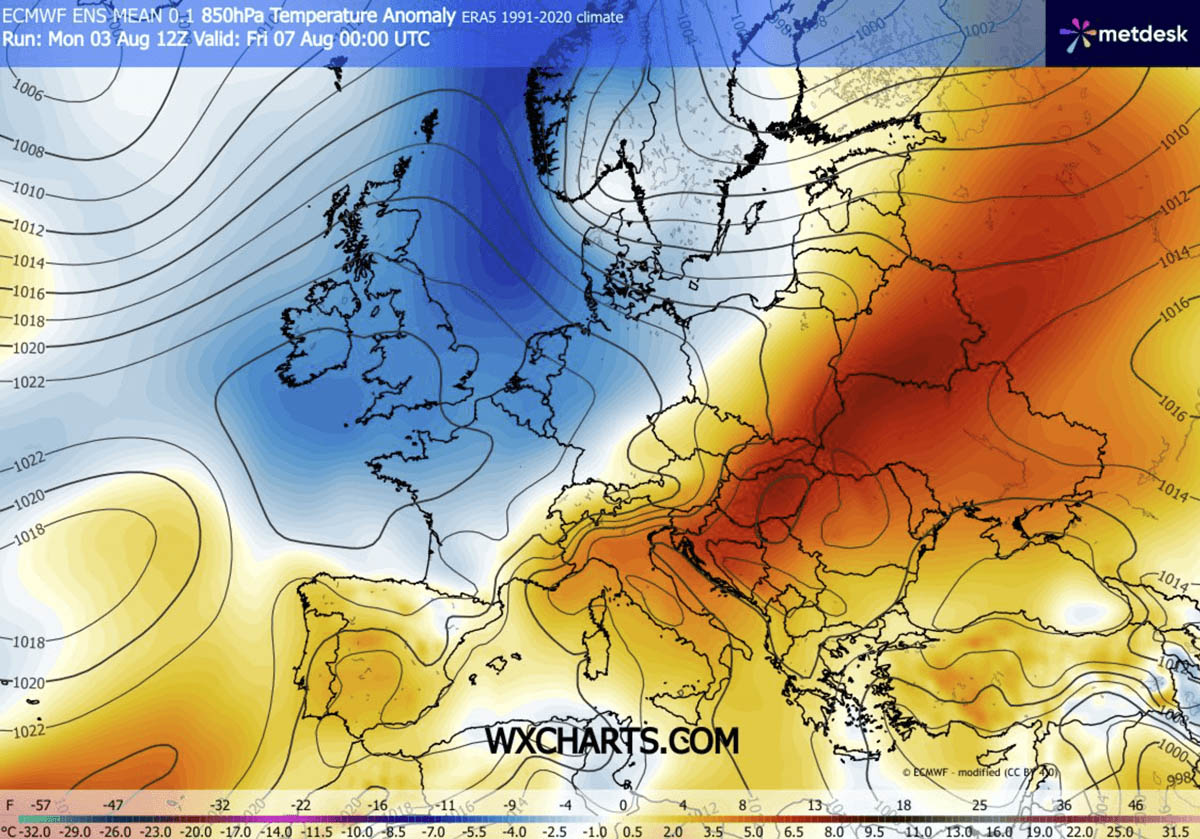
Thursday and Friday mark the zenith of the heatwave for the northern Balkans and Eastern Europe. The upper-level ridge firmly anchors itself over Ukraine, eastern Poland, southern Belarus, and western Russia. Valleys across these regions are registering sustained highs between 38°C and 41°C.
By the end of the workweek, the thermal surge reaches further south into Bulgaria and Greece, cementing a continent-wide weather crisis that has kept millions under severe weather alerts.
Supporting Data and Atmospheric Dynamics
To fully grasp the severity of this meteorological event, meteorologists look closely at the underlying synoptic setup and thermodynamic indicators.
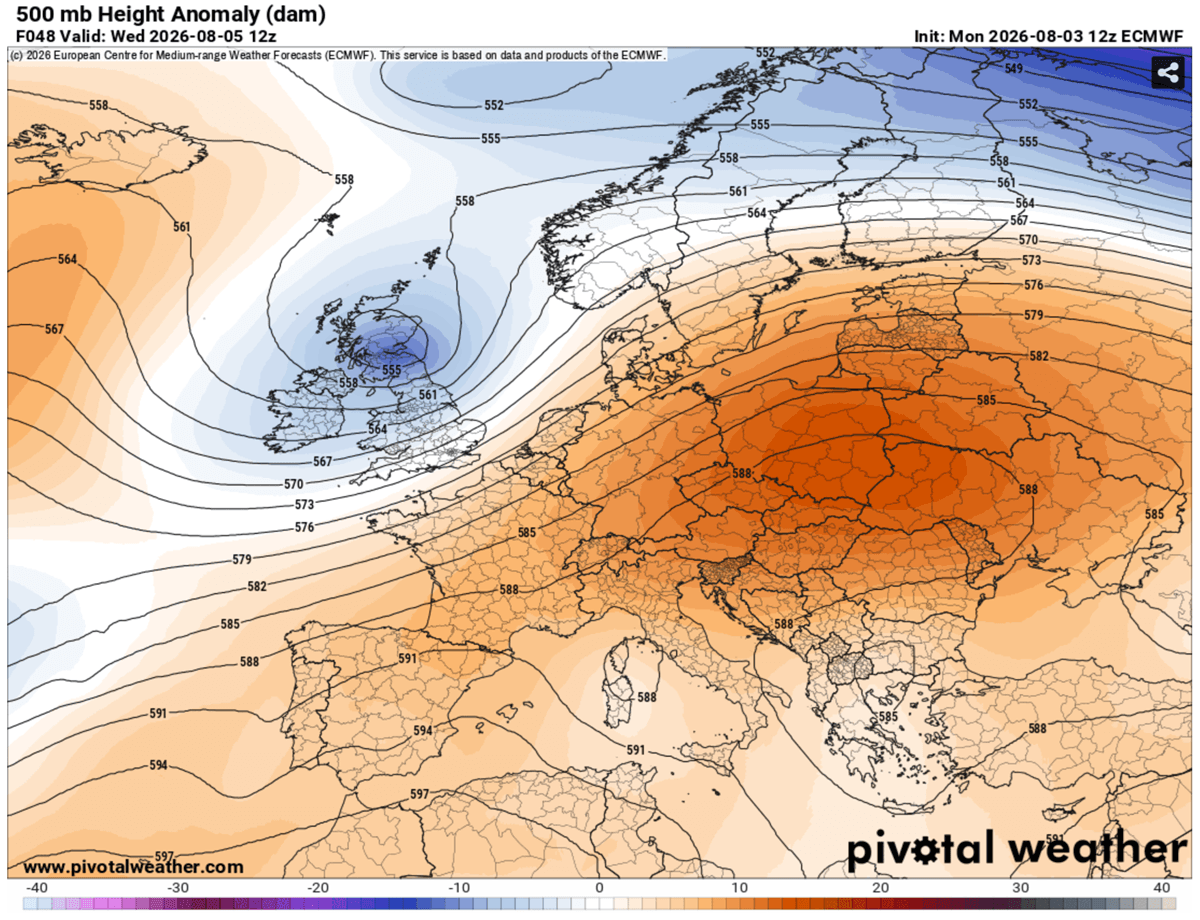
The Omega Block and Upper-Level Ridging
The synoptic pattern features an Omega block—named after the Greek letter ($Omega$)—where a high-pressure system is wedged between two low-pressure systems. This configuration stalls atmospheric circulation, freezing weather patterns in place for days or weeks. The upper high (or blocking high) creates a deep layer of descending air. As this air sinks, it compresses adiabatically, generating extreme surface heating and completely suppressing cloud formation, allowing maximum solar radiation to reach the ground.
850 hPa Thermal Anomalies and the Heat Index
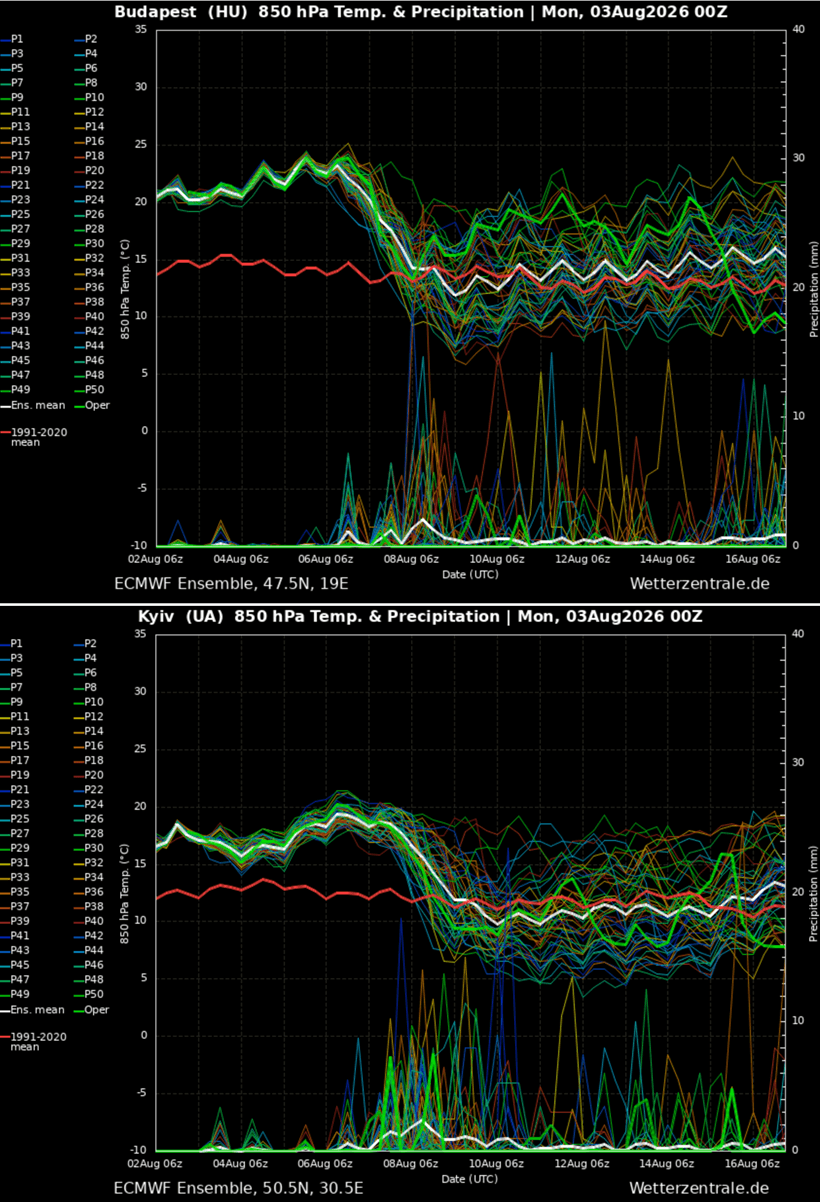
Upper-air charts at the 850 hPa pressure level (roughly 1,500 meters above sea level) illustrate thermal anomalies sitting comfortably in the 99th percentile for early August.
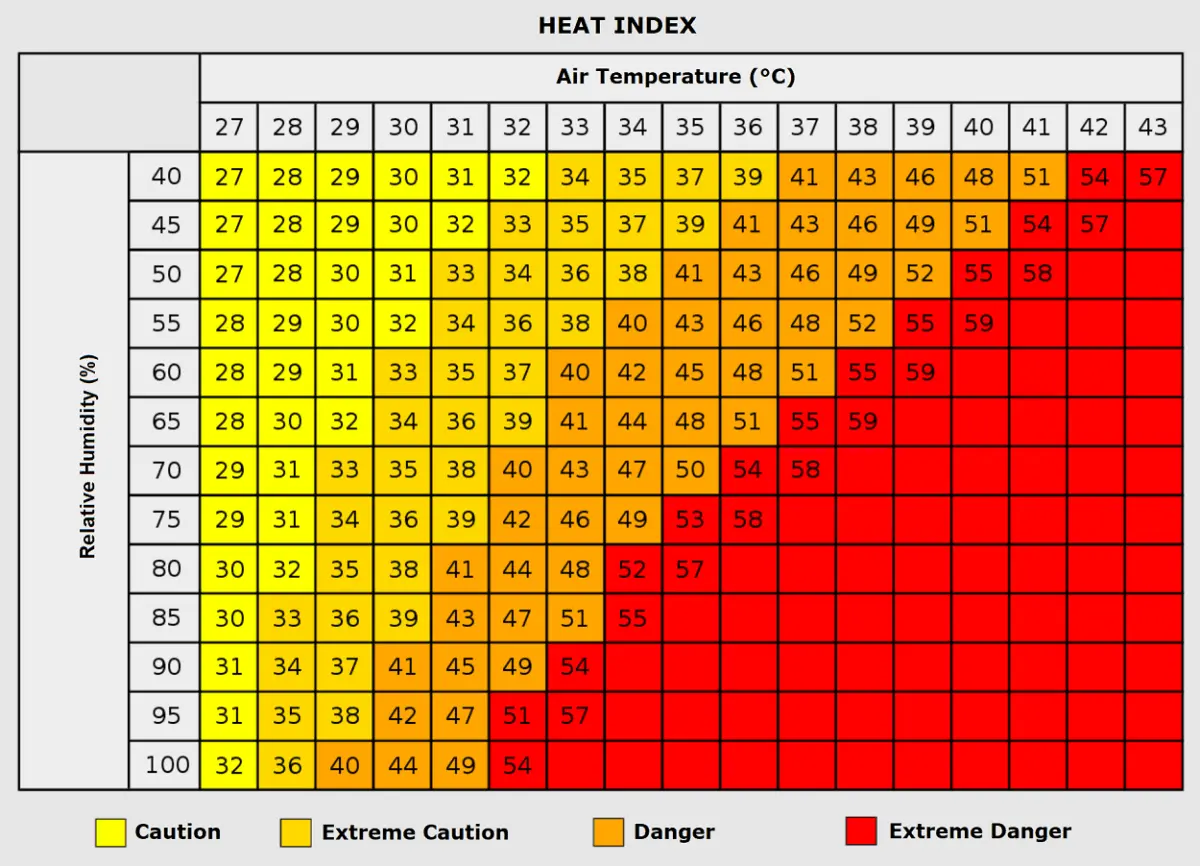
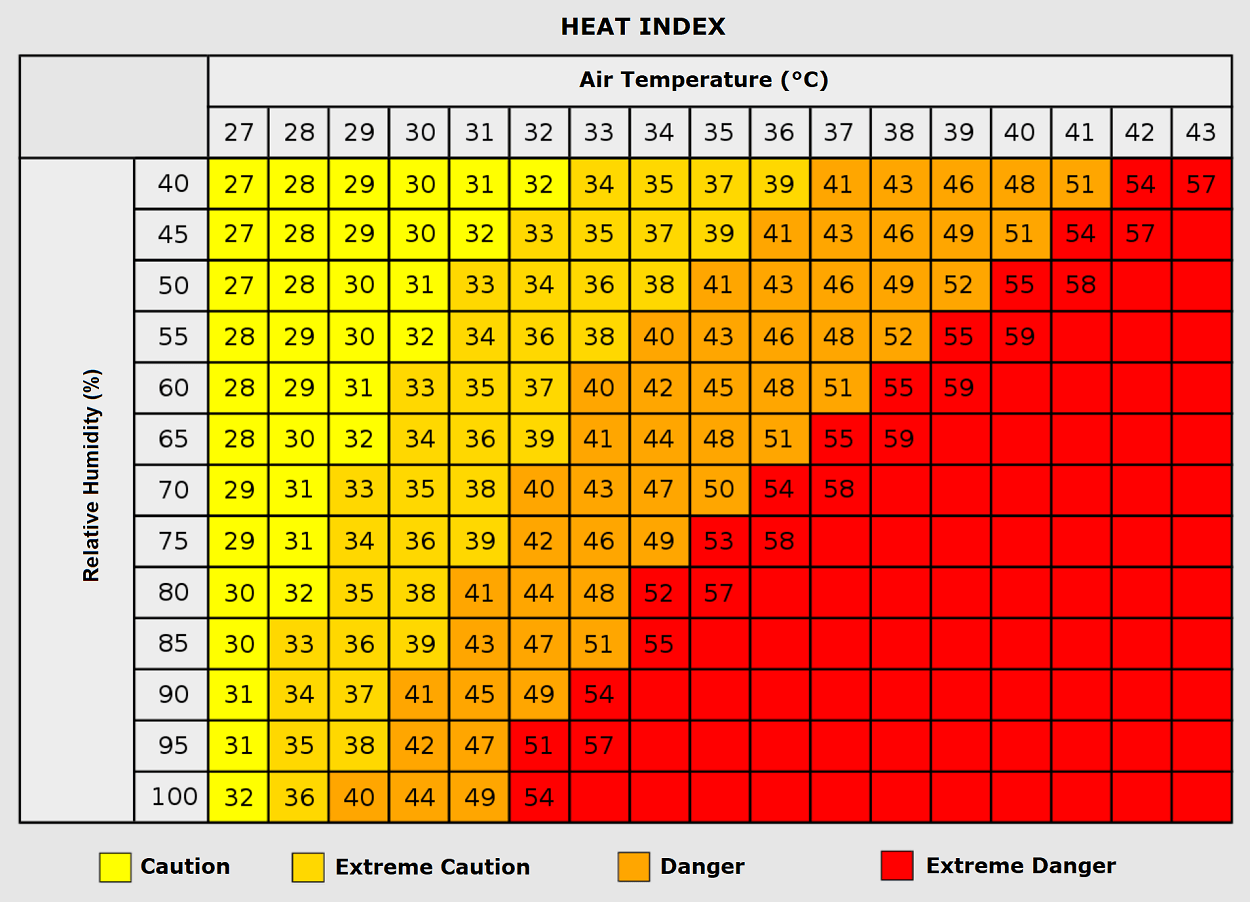
When evaluating human impact, meteorologists emphasize the Heat Index, which measures how hot weather actually feels to the human body by combining air temperature and relative humidity. While dry air can make a 35°C day somewhat manageable, high humidity combined with stagnant air masses dramatically elevates the physiological strain. Under high humidity conditions, the human body fails to cool itself efficiently through perspiration, raising real-feel temperatures toward the 50°C threshold and dramatically increasing the risk of heat exhaustion and heatstroke.
Official Responses and Public Health Implications
Public health authorities, civil protection agencies, and municipal governments across Central and Eastern Europe have raised emergency alert levels as the heatwave tightens its grip.
- Vulnerable Populations: Health ministries have issued urgent advisories targeting the elderly, infants, and individuals with pre-existing cardiovascular and respiratory conditions. Urban heat island effects—magnified by concrete, asphalt, and dense housing structures—pose lethal risks to lower-income urban populations lacking adequate climate control.
- Outdoor Labor Restrictions: Governments and industry regulators in Italy, Hungary, Croatia, and Serbia have implemented mandatory midday work bans or modified shift hours for construction workers, agricultural laborers, and other outdoor professions to mitigate the surging incidence of heat-related illnesses and occupational fatalities.
- Grid and Infrastructure Stress: Power grid operators are reporting record-breaking electricity demands driven by widespread air conditioning usage. Emergency services remain on high alert for sudden spikes in heart attacks, strokes, and respiratory hospitalizations linked directly to the multi-day persistence of tropical nights.
- Environmental and Agricultural Warnings: Forestry services across southern Europe have placed firefighting resources on maximum alert. Dried-out vegetation and depleted soil moisture have transformed vast swathes of the western Balkans and southern Europe into tinderboxes, heightening the threat of catastrophic, fast-moving wildfires.
Future Implications: Mid-Range Trends and Potential August Repeat
As meteorologists monitor the breakdown of the current ridge—expected to collapse over Eastern Europe and the Balkans by early next week—long-range ensemble models are already signaling the potential for a secondary weather shift.
Mid-range prediction models indicate strong agreement that yet another high-pressure ridge and corresponding Heat Dome could build and expand into southwestern, western, and central Europe by mid-August. While exact positioning remains subject to model adjustments given the 10-day outlook horizon, current trends suggest a fresh thermal surge could develop across Portugal, Spain, France, and the Alps, eventually creeping back toward the British Isles.
As climate patterns continue to display heightened persistence and volatility, meteorological agencies emphasize the importance of early warning systems, robust urban adaptation strategies, and ongoing public vigilance to mitigate the compounding dangers of prolonged extreme heat events.
