

Introduction: The Ground Beneath London Gives Way
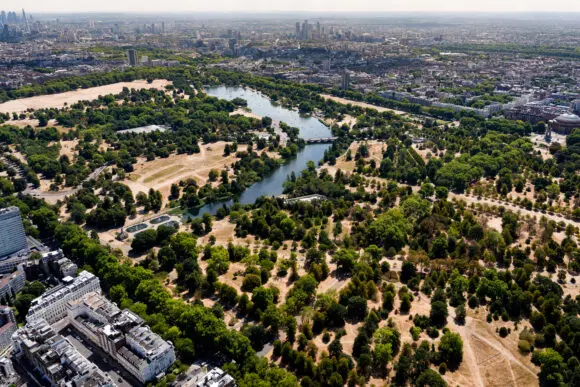
Beneath the iconic streets, historic townhouses, and bustling neighborhoods of the UK capital, a silent structural crisis is unfolding. Londoners are currently facing historic levels of property subsidence risk, driven by a punishing succession of extreme heat waves that have dried out the heavy, moisture-sensitive clay soil on which much of the city is constructed.
What was once considered an isolated insurance headache or an occasional engineering challenge has transformed into a systemic threat. As climate change accelerates, the shrinking and swelling of London’s earth are putting structural stability at risk, leaving homeowners facing soaring repair costs, devalued properties, and an insurance market pushed to its absolute limits.
Main Facts: The Anatomy of a Subsidence Crisis
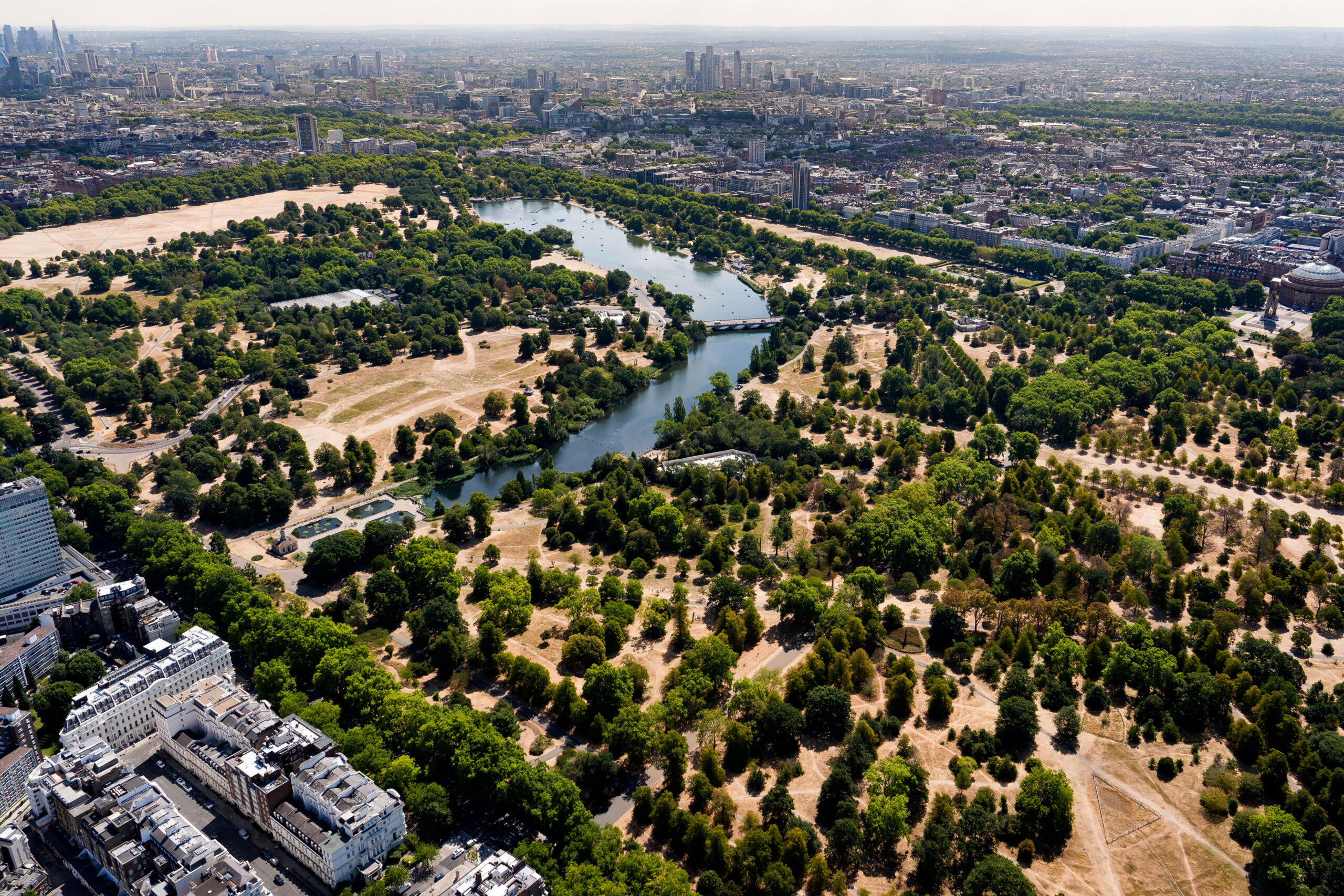
Subsidence—the downward movement of a building’s foundation caused by the destabilization of the ground beneath it—is fundamentally linked to bouts of prolonged hot and dry weather. London’s underlying geology is heavily defined by "London clay," a soil type notoriously sensitive to moisture fluctuations. When heavy rains arrive, the clay expands; when intense heat sets in, it dries out, shrinks, and causes foundations to crack, shift, and sink.
Recent Association of British Insurers (ABI) data reveals that insurance claims tied directly to subsidence hit record highs last quarter. On average, households have filed claims amounting to roughly £20,000 ($27,200) per incident, representing a staggering 15% jump compared to the same period in the previous year.
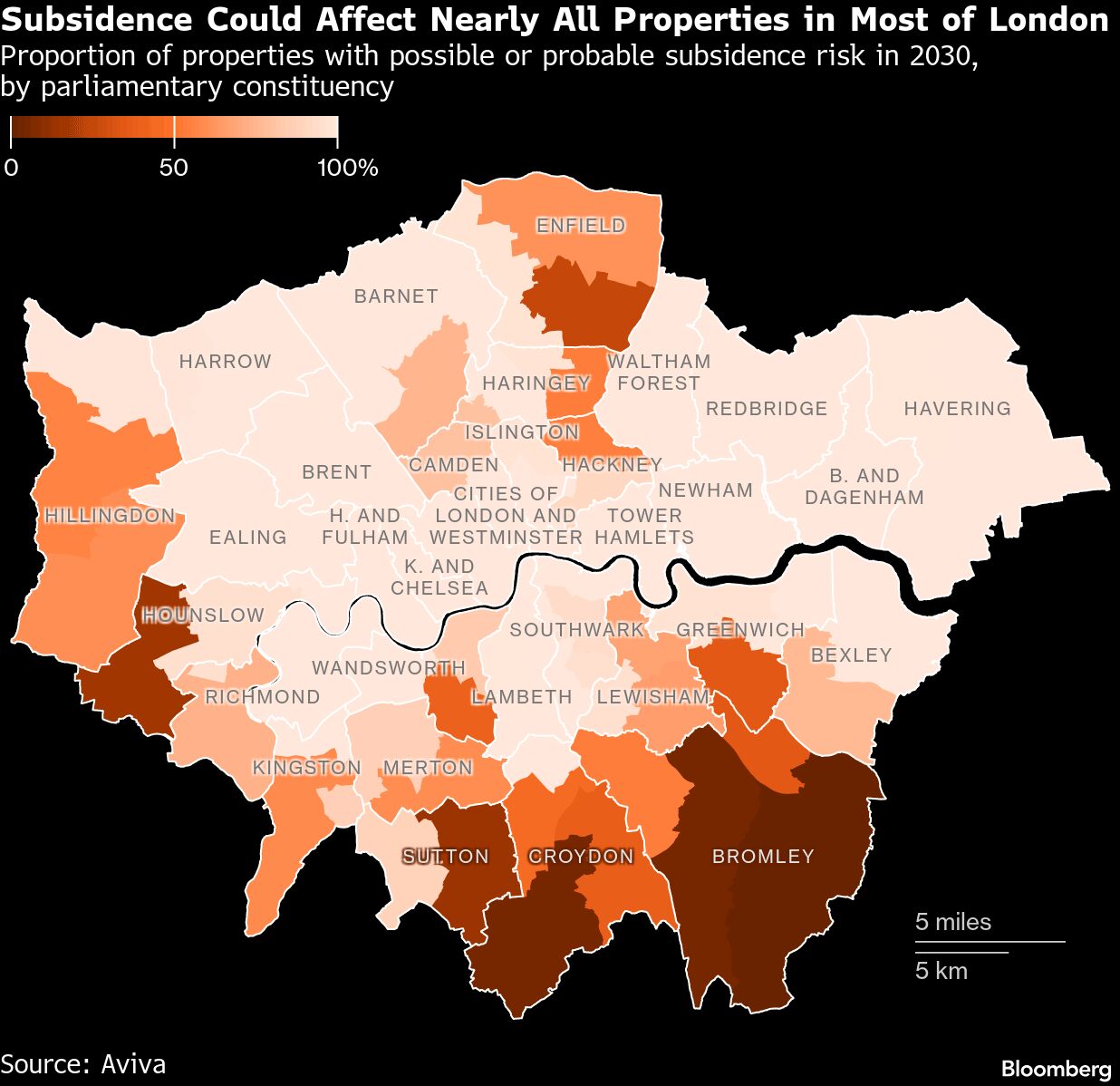
The geographic epicenter of this crisis is concentrated in and around London, as well as parts of the wider southeast of England. Ironically, some of the UK’s most affluent and sought-after boroughs—including Westminster, Kensington, and Chelsea—are among the hardest hit.
Vulnerability is largely a matter of architectural era. Older properties, particularly Victorian and Edwardian homes built directly onto the upper, shallow layers of London clay, bear the brunt of the damage. In contrast, modern high-rises and corporate office towers in the City of London or Canary Wharf are anchored by deep-piled foundations that bypass the volatile upper soil strata, leaving them significantly less exposed.
Chronology: How the Crisis Escalated
The trajectory of the UK’s subsidence emergency has accelerated rapidly over the past half-decade, driven by shifting weather patterns and recurring meteorological extremes:
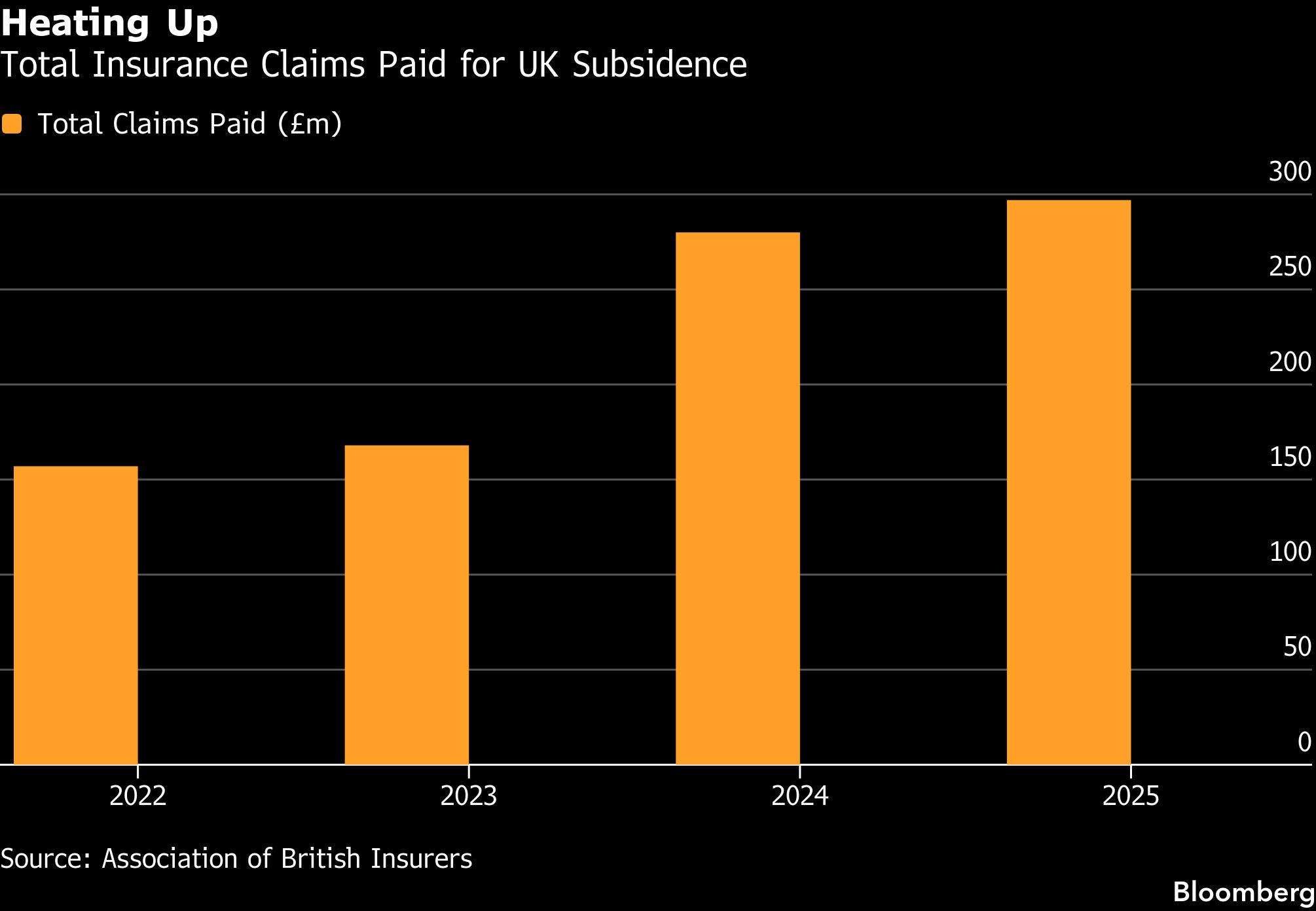
- 2021–2025 (The Surge Period): Over a four-year window leading up to 2025, cumulative insurance payouts for subsidence damage across the UK soared by roughly 90%, culminating in a record annual payout of £297 million.
- The Summer of 2026: A relentless succession of five successive heat waves struck England, triggering widespread drought conditions. This intense, prolonged heat desiccated urban soils, turning the subsurface into a patchwork of shifting cracks and voids.
- Late 2026 (The Insurance Breaking Point): By the third quarter of 2026, claims reached an all-time quarterly high. Engineering firms like Geobear reported receiving more homeowner inquiries than at any point in their operating history, with one insurer noting an unprecedented 180 claims filed in a single day.
Supporting Data: Numbers Behind the Ground Movement
The scale of the current crisis is quantified by alarming metrics from insurers, engineering firms, and geological institutions:
- £20,000: The average cost per household subsidence claim last quarter, up 15% year-on-year.
- £297 million: Total UK insurance payouts for subsidence damage over the four-year period leading to 2025.
- 20% to 25%: The average property devaluation inflicted by a documented history of subsidence, according to the Federation of Master Builders.
- £20,000 to £100,000+: The typical financial burden of traditional underpinning, the heavy-engineering fix required to stabilize severely compromised foundations.
- 1.8 million to 4.2 million properties: Projections from the British Geological Survey (BGS) detailing how many British homes will face a high likelihood of shrink-swell subsidence by 2070, depending on global emissions trajectories (under RCP 4.5 and higher-emissions scenarios, respectively). Dense urban concentrations in London, Kent, and the southeast remain the primary hotspots.
Official Responses: Warnings from Insurers, Engineers, and Civic Leaders
As the physical and financial cracks begin to show, stakeholders across the public and private sectors are sounding the alarm.
Laura Hughes, head of general insurance at the ABI, emphasizes that the current trajectory is not a temporary anomaly. "We expect to see more subsidence cases because of the hot weather," Hughes stated in an interview. "The impact that climate change is having is undeniable."
Engineering specialists echo these concerns. Otso Lahtinen, chief executive of Geobear—a firm specializing in resin-injection stabilization—notes that the situation has fundamentally shifted. "It’s crazy, what’s happening now," Lahtinen said. "It’s the new norm, and it seems it will happen more often in the next 20 to 30 years. If you’re looking to trade, sell or buy property, this is a trend you can’t ignore."
On the municipal level, London Mayor Sadiq Khan has warned that the capital faces mounting economic burdens as it adapts to a warming world. Projections from the Mayor’s office indicate that London may need to absorb annual costs as high as £36 billion into the 2050s to climate-proof the city’s infrastructure, expenses that will likely require substantial private investment.
Meanwhile, citizens have turned to digital forums to voice their anxiety. On platforms like Reddit, London homeowners share disconcerting accounts of "horrendous cracking" across interior walls, jammed doors that refuse to close, and the unsettling realization that foundations have shifted enough to throw kitchen floors off level. One user recounted speaking to a structural engineer who wryly remarked: "You and 20,000 other people in southeast London."
Implications: Financial Fallout, Insurance Pressures, and Future Resilience
The consequences of widespread subsidence extend far beyond cosmetic wall cracks, threatening the stability of the UK housing market, the solvency of home insurers, and the integrity of public infrastructure.
The Real Estate and Financial Burden
For individual homeowners, discovering subsidence is a financial nightmare. Beyond the immediate fear for structural safety, properties afflicted by foundation movement suffer an average market value drop of 20% to 25%. Many owners choose to bypass bureaucratic, friction-heavy insurance claims processes altogether, opting to self-fund remediation works—such as resin injection or traditional underpinning—that can quickly eclipse six figures.
Risks to the Insurance Industry
The insurance sector faces a critical inflection point. Cherry Chan, a partner at Deloitte, describes subsidence as "an increasingly material climate-related risk" that poses "a significant challenge for UK home insurers." Deloitte has warned that home insurers risk underwriting losses in 2026, driven not only by a surge in fresh claims but also by the financial deterioration of unsettled historical cases carried over from previous surge years like 2025.
Because of this exposure, insurers are being forced to completely recalibrate their long-term risk management strategies. Industry analysts predict that sustained high volumes of subsidence claims will inevitably lead to tightened underwriting criteria, higher deductibles, and increased insurance premiums for homeowners in vulnerable postcodes.
Infrastructure and Long-Term Adaptation
The threat is not restricted to residential real estate. The British Geological Survey warns that ongoing shrink-swell activity risks destabilizing underground utility pipeworks, transport infrastructure, and commercial structures across the southeast.
As climate projections indicate that up to 11% of all UK properties could face severe subsidence susceptibility by the latter half of the century, the imperative for national adaptation is clear. Whether through advanced engineering solutions, stricter zoning and building codes, or massive investments in urban climate resilience, the UK must fundamentally rethink how it anchors its built environment to a warming, drying earth.
