

DETROIT — In a quiet, high-stakes gathering behind closed doors in Las Vegas, Ford Motor Company recently pulled back the curtain to give its nationwide network of dealers a sneak peek at its product roadmap heading toward the end of the decade. While much of the automotive world has recently been fixated on Ford’s high-profile investments in all-electric vehicle (EV) architectures, the Blue Oval delivered a surprising twist.
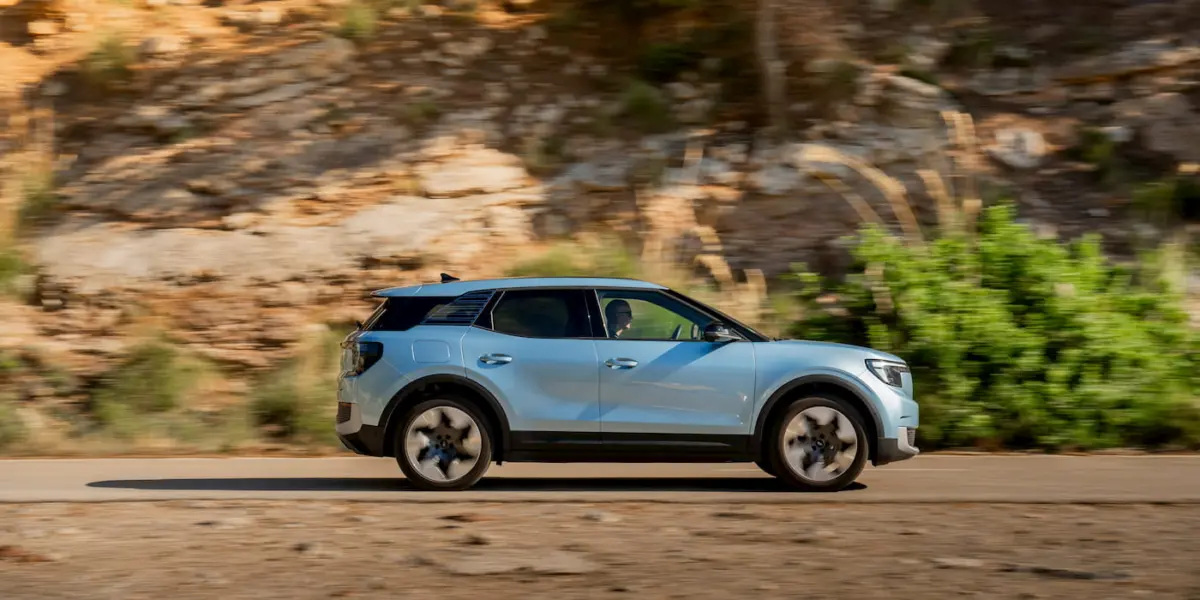
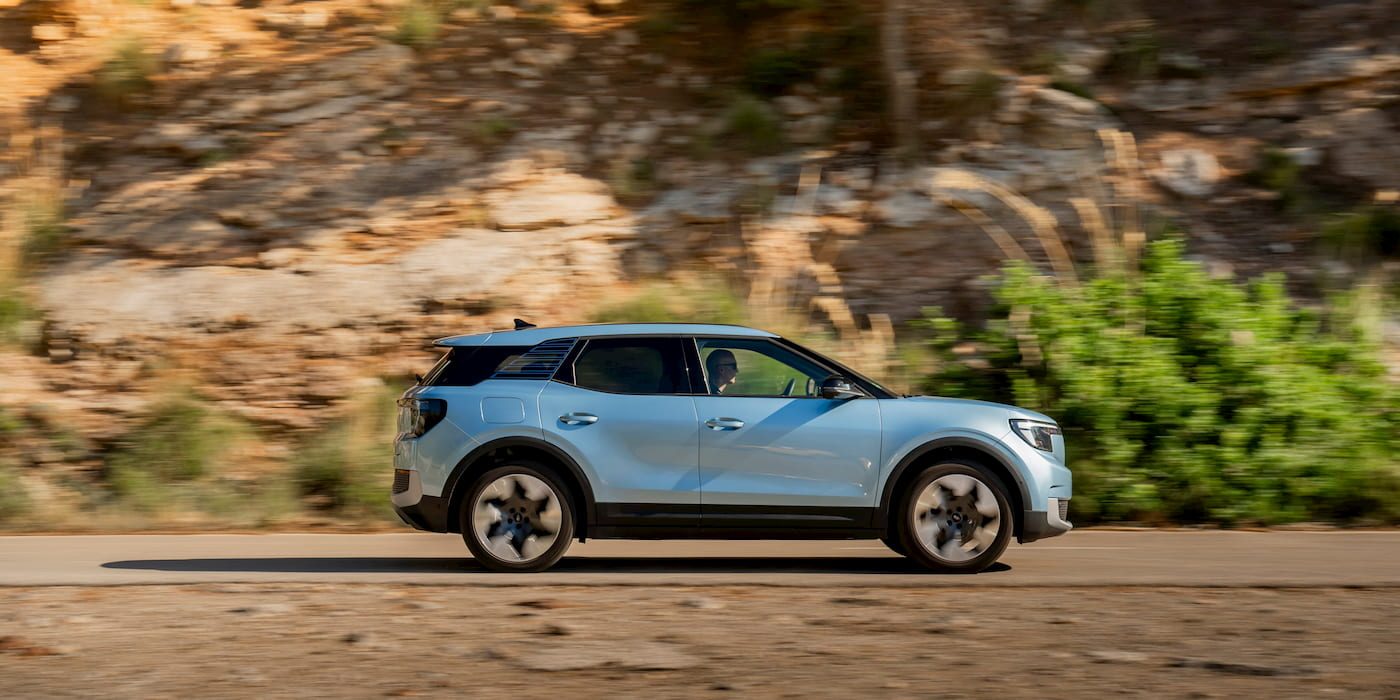
Among the future models previewed to dealers was an entry-level, boxy crossover SUV targeted to start at around $25,000. Set to launch around 2029, this vehicle is slated to become the least expensive offering in Ford’s global portfolio, undercutting even the popular Maverick compact pickup. However, the biggest surprise of the briefing wasn’t the aggressive price point—it was the powertrain choices. Contrary to expectations of a pure electric rollout, this upcoming budget crossover will skip Ford’s dedicated Universal EV platform entirely, offering traditional gas-powered and hybrid configurations instead.
This strategic pivot underscores a pragmatic recalibration by Ford leadership. As consumer demand for affordable transportation collides with the slower-than-projected adoption curves for high-cost battery-electric vehicles, traditional automakers are finding that multi-powertrain flexibility is no longer just a fallback plan—it is a survival strategy.
Main Facts: What We Know About Ford’s $25,000 Crossover
The contours of Ford’s upcoming entry-level vehicle are beginning to take shape through reports from industry publications like Automotive News and The Detroit Free Press, alongside leaks from attendees at the private Las Vegas dealer meeting.
- The Price Point: The crossover is projected to start at approximately $25,000, making it the most affordable vehicle in Ford’s lineup, positioned comfortably below the Maverick.
- Design and Styling: Early video mock-ups shown to dealers depict a wide, boxy SUV. Industry observers and dealers have noted that its proportions and aesthetic harken back to the rugged, utility-focused styling of the first-generation Ford Escape.
- Platform and Powertrains: Eschewing the company’s dedicated Universal EV (UEV) platform, the crossover will be built on an architecture capable of supporting internal combustion engines (ICE) and hybrid systems.
- Production Hub: Manufacturing is slated to take place at Ford’s Hermosillo Assembly Plant in Mexico, leveraging an established facility known for producing compact, cost-effective vehicles.
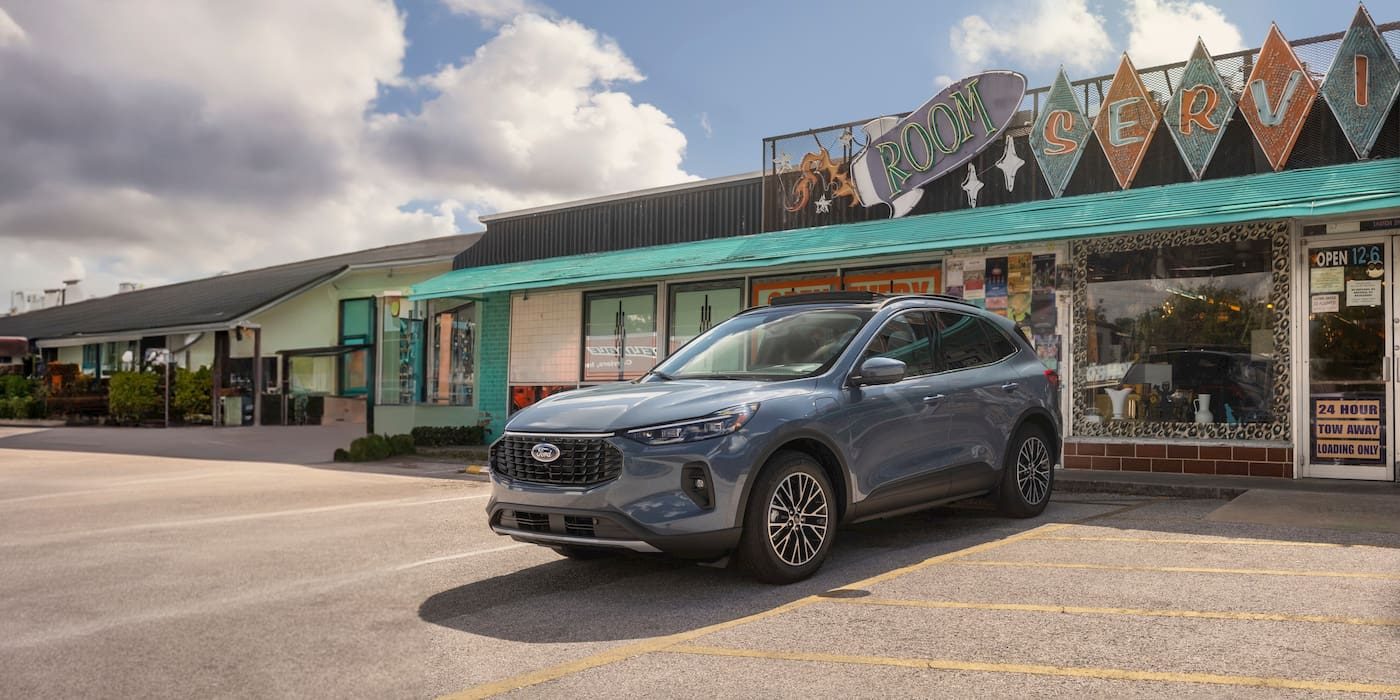
- Timeline: Production and market introduction are targeted for 2029. Industry analysts, including Sam Fiorani of AutoForecast Solutions, expect this vehicle to effectively serve as the long-term successor to the aging Ford Escape.
Simultaneously, Ford is pushing forward with its dedicated EV initiatives. Pre-orders for the newly named Fathom—an all-electric midsize pickup truck starting at $28,350—are set to open in early 2027, with customer deliveries anticipated later that same year.
Chronology of Events: The Road to 2029
To understand how Ford arrived at this crossroads of electrification and hybrid revival, it is helpful to trace the timeline of recent announcements, market shifts, and product developments:
- Early 2026: Market data highlights a shifting landscape in the United States. While compact and midsize electric crossovers (such as the Chevy Equinox EV, Toyota bZ series, Hyundai IONIQ 5, and Tesla Model Y) dominate the top tier of EV sales, dedicated EV models like the Ford Mustang Mach-E experience significant sales contractions, with Mach-E figures dropping 46% year-over-year in the first half of 2026.
- June 2026: Ford showcases prototypes and details regarding its lower-cost EV strategies, including early concepts for affordable electric pickup architectures meant to target the sub-$30,000 market sweet spot.
- Early August 2026: Ford officially announces the name and baseline pricing strategy for the Fathom, its upcoming midsize electric pickup, cementing plans to target the heart of the affordable EV segment.
- Mid-August 2026: During a private dealer meeting in Las Vegas, Ford executives unveil video mock-ups of the upcoming $25,000 boxy crossover SUV. Dealers learn that the vehicle will debut around 2029, will be built in Mexico, and will feature hybrid and gas options rather than a pure-EV layout.
- Late August 2026 and Beyond: Industry analysts publicly tie the new $25,000 crossover to the eventual retirement of the current Ford Escape, while executives double down on a broad corporate commitment to hybrid technology as an essential bridge for consumers.
Supporting Data and Market Dynamics
The strategic choices behind Ford’s upcoming vehicle lineup are heavily dictated by macroeconomic realities, shifting consumer preferences, and competitive pressures.
The Affordable EV Boom vs. Slowing Niche Adoption
Data from the first half of 2026 reveals a clear trend in the American automotive market: consumers are willing to buy electric vehicles, but only if they hit the right price-to-utility ratio. Four out of the top five best-selling EVs in the U.S. during this period were practical, relatively affordable crossover SUVs:
- Chevrolet Equinox EV
- Toyota bZ series
- Hyundai IONIQ 5
- Tesla Model Y
(Note: The Tesla Model 3 sedan captured the second overall spot).
Conversely, higher-priced or slower-moving EV lines have struggled to maintain momentum. Ford’s own Mustang Mach-E—once hailed as a spearhead for the brand’s electric transition—slumped to just 11,632 units sold in the first half of 2026, representing a steep 46% decline compared to the same period in 2025.

The Math of the $25,000 Price Point
Achieving a $25,000 starting price for a modern crossover is a formidable challenge for any automaker given strict safety regulations, technological demands, and rising labor and material costs. By choosing not to use the Universal EV platform for this specific model, Ford avoids the high initial cost burden of large, high-capacity battery packs. Instead, utilizing hybrid and gas powertrains allows Ford to spread development costs across proven manufacturing methodologies while hitting a price point that appeals to budget-conscious buyers priced out of the modern new-car market.
Official Responses and Industry Perspectives
Ford’s leadership has been transparent with its dealer network about the necessity of maintaining a diversified powertrain strategy. During the Las Vegas conference, executives explicitly assured dealers that the company remains deeply committed to expanding its hybrid offerings across multiple vehicle segments, ensuring that dealerships will have inventory to sell to customers who are hesitant to jump straight into full electrification.
Industry experts have been quick to dissect the implications of this strategy. Sam Fiorani, vice president of global vehicle forecasting at AutoForecast Solutions, pointed out in interviews with The Detroit Free Press that the forthcoming 2029 crossover is a logical replacement for the Ford Escape, which has seen its market dominance challenged by newer competitors.

Meanwhile, analysts tracking Ford’s platform strategy have raised questions regarding the utilization of the company’s heavily promoted Universal EV (UEV) architecture. Ford has repeatedly emphasized that the UEV platform is exceptionally flexible—capable of scaling from compact B-car-sized vehicles all the way up to large commercial vans. This flexibility leaves the door open for future all-electric products, but the decision to bypass it for the $25,000 crossover highlights a calculated hesitation to force pure-electric architectures into segments where consumers are still demanding traditional or hybrid reliability.
Implications for the Industry and Consumers
Ford’s dual-track approach—aggressively launching affordable EVs like the upcoming Fathom pickup while simultaneously cultivating low-cost hybrid and gas-powered stalwarts like the $25,000 crossover—carries profound implications for the automotive sector.
1. A Pragmatic Retreat from All-Or-Nothing Electrification
For several years, legacy automakers chased aggressive, strict timelines to phase out internal combustion engines entirely. The reality of 2026—marked by fluctuating supply chains, charging infrastructure bottlenecks, and consumer price sensitivity—has forced a recalibration. Ford’s strategy proves that profitability and volume require meeting customers where they are, rather than where regulators or corporate planners hope they will be.

2. The Battle for the Budget Buyer
The sub-$25,000 to $30,000 vehicle segment has been largely neglected by automakers in recent years as profit margins shrank in favor of luxury features and massive battery packs. By re-entering this space with a rugged, utility-oriented crossover built at the Hermosillo plant, Ford stands to capture a massive demographic of first-time buyers, young families, and fleet operators who have been priced out of the modern new-car market.
3. What Lies Ahead for the Mach-E and the UEV Platform?
As Ford refines its lineup, critical questions remain regarding its dedicated electric portfolio. With the Mustang Mach-E experiencing a sharp sales downturn, industry watchers are openly debating whether Ford should eventually pivot and replace or supplement the Mach-E with an affordable, UEV-based electric crossover. While the company’s current roadmap leans heavily on hybrids for its lowest-priced entries, the inherent flexibility of the Universal EV platform means that Ford retains the technical capability to deploy affordable battery-electric crossovers should market conditions tip decisively back in favor of plug-in adoption.
Ultimately, Ford’s latest moves signal an era of automotive pragmatism. By balancing the electric horizon with the hybrid and gas-powered present, the Blue Oval is hedging its bets to ensure it remains profitable, competitive, and relevant through the end of the decade and beyond.
