

Introduction: The Microscopic Battle for Macro Efficiency
In the high-stakes engineering theater of electric vehicles (EVs), the pursuit of greater range has traditionally focused on massive, highly visible components: higher-density battery chemistries, sleeker aerodynamic profiles, and heavier silicon-carbide modules. Yet, as the industry matures, automotive engineers are discovering that some of the most profound leaps in efficiency come not from scaling up, but from shrinking down.
Enter Texas Instruments (TI) and its latest technological breakthrough: the TMCS2100-Q1 multiaxial coreless Hall-effect current sensor. Designed specifically for the EV traction inverter, this microscopic component aims to solve a fundamental physics problem that has plagued automakers for years. By delivering unprecedented precision in current measurement, the new sensor promises to eliminate parasitic power loss, quiet noisy electric motors, smooth out torque delivery, and ultimately squeeze crucial extra miles out of standard EV battery packs.
While a single semiconductor component may not single-handedly transform the market overnight, the TMCS2100-Q1 represents a vital piece of the intricate engineering puzzle required to push electric mobility into its next generation.
Main Facts: What is the TMCS2100-Q1?
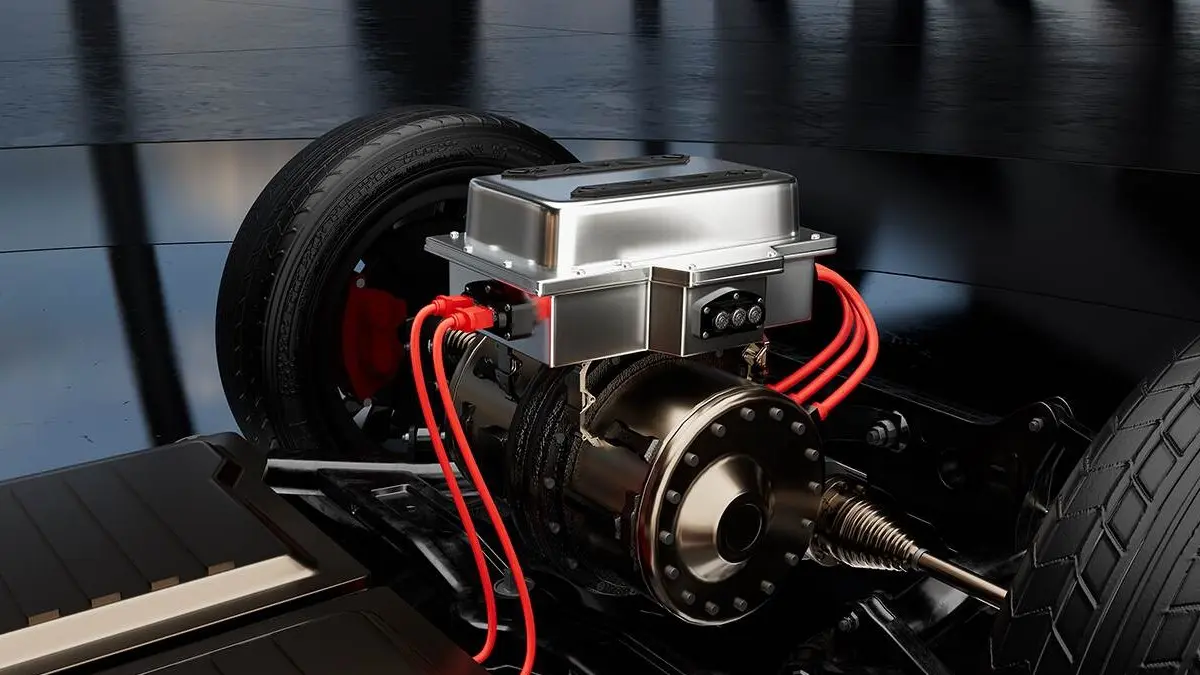
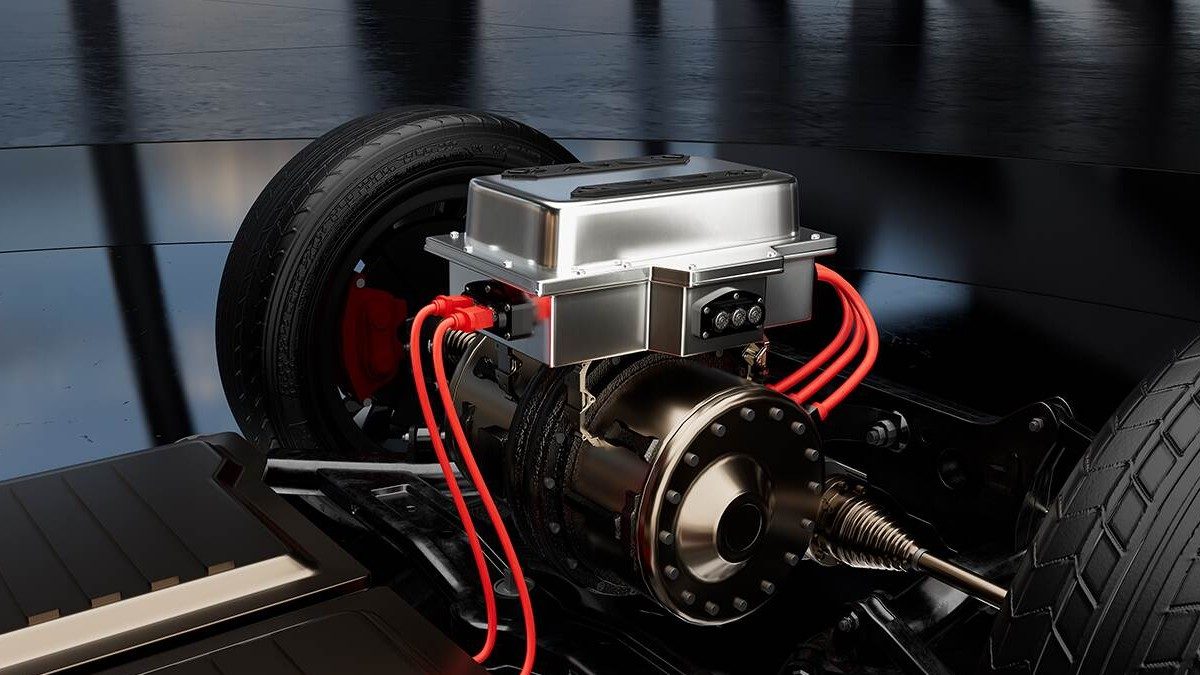
At its core, the Texas Instruments TMCS2100-Q1 is a specialized current sensor engineered for integration directly inside an EV’s traction inverter. To understand its value, one must first understand the role of the traction inverter. Often described as the brain and power manager of the electric motor, the inverter sits between the high-voltage battery pack and the electric motor. It translates direct current (DC) from the battery into alternating current (AC) to drive the motor, dynamically controlling speed and torque based on how heavily the driver depresses the accelerator pedal.
To execute this task flawlessly, the inverter requires real-time, ultra-precise data regarding how much electricity is flowing through its circuits at any given millisecond. If these measurements are flawed or delayed, the inverter delivers sub-optimal electrical pulses to the motor.
Historically, this has forced automotive tier-one suppliers and original equipment manufacturers (OEMs) into an engineering compromise:

- Magnetic-Core Sensors: Highly accurate and resilient against environmental shifts, but bulky, heavy, and expensive.
- Coreless Sensors: Compact and lightweight, but notoriously susceptible to physical vibrations, which can easily throw off their magnetic field readings as a vehicle travels over rough road surfaces.
TI’s TMCS2100-Q1 shatters this compromise. By utilizing a multiaxial architecture that measures magnetic fields simultaneously in both the horizontal and vertical planes, the sensor can dynamically compensate for physical shifts. According to internal metrics, this design makes the TMCS2100-Q1 roughly 20 times more accurate than traditional single-direction coreless sensors, holding measurement errors under 1% even when displaced by microscopic mechanical tolerances such as 0.4 millimeters.
Chronology: The Evolution of EV Inverter Sensing
The journey toward micro-precision in EV powertrains has been a gradual evolution, driven by the rapid scaling of vehicle architectures over the past decade.
- Early 2010s (The Dawn of Mass-Market EVs): First-generation modern EVs relied heavily on bulky, heavy, closed-loop Hall-effect sensors equipped with magnetic cores. While reliable, these units added undesirable weight and occupied precious volume inside crowded engine bays and chassis frames.
- Mid-to-Late 2010s (The Push for Integration): As EVs transitioned from niche products to mainstream offerings, automakers pressured suppliers to reduce powertrain footprints. Coreless sensors emerged as a lightweight alternative, but suffered from calibration drift and vulnerability to ambient mechanical vibrations, limiting their use in high-performance applications.
- 2020–2024 (The 800V Revolution): The industry-wide shift toward high-voltage 800-volt architectures—pioneered by brands like Porsche, Hyundai, and Lucid—allowed for lightning-fast charging and higher power delivery. However, these systems introduced severe electromagnetic interference (EMI) and demanded significantly tighter control tolerances to prevent component degradation.
- Present Day (Multiaxial Innovation): With the introduction of components like the TMCS2100-Q1, the industry is moving into an era of multi-dimensional sensing. By factoring in dual-axis vector measurements, sensor technology has finally caught up with the blazing speeds and high voltages of modern power electronics.
Supporting Data: The Metrics of Microscopic Precision
To fully grasp the engineering achievement of the TMCS2100-Q1, one must look at the hard data governing high-voltage power electronics:

- 20x Improvement: TI notes that the TMCS2100-Q1 achieves up to a twentyfold increase in overall accuracy compared to legacy single-axis coreless sensors.
- The 1% Threshold: The sensor successfully restricts measurement errors to under 1%, even under extreme operating conditions.
- 0.4 Millimeter Tolerance: In a moving vehicle, thermal expansion, mechanical stress, and road vibrations frequently cause components to shift by fractions of a millimeter. The TMCS2100-Q1 compensates for positional shifts up to 0.4 mm without sacrificing data fidelity.
- 800V Compatibility: Modern high-power inverters operate at frequencies and voltages that amplify minuscule timing or measuring errors into substantial thermal losses. Precise sensing directly tames these high-voltage environments.
Official Perspectives and Industry Implications
While Texas Instruments has not yet announced a definitive roster of automotive partners slated to use the TMCS2100-Q1 in upcoming production lines, components of this caliber typically undergo years of rigorous automotive qualification (such as AEC-Q100 standards) before finding their way into consumer showrooms.
Industry analysts point out that the semiconductor giant’s latest offering addresses a silent killer of EV efficiency: torque ripple. When a traction inverter miscalculates current flow, it creates microscopic fluctuations in motor output. While drivers may not consciously register a violent jerk, they will experience a less refined acceleration curve. More importantly, that erratic energy doesn’t simply vanish—it is converted into waste heat and audible motor whine.
By eliminating torque ripple at the firmware and hardware interface, the inverter runs cooler. Cooler electronics require less aggressive thermal management systems (which themselves consume parasitic energy from the battery), creating a positive feedback loop of overall vehicle efficiency.

Broader Implications: The Sum of Small Improvements
The introduction of the TMCS2100-Q1 underscores a fundamental truth about modern electric vehicle engineering: range is rarely won by a single revolutionary invention. Instead, it is accumulated through hundreds of fractional optimization gains across every subsystem of the car.
- Efficiency and Range Extension: While no single chip can magically grant an extra 50 miles of range, tightening the efficiency of the inverter reduces electrical losses. Over thousands of miles of driving, these micro-gains compound into measurable range extensions from the exact same battery capacity.
- NVH (Noise, Vibration, and Harshness) Reduction: Smoother electrical current delivery translates directly into a quieter cabin. By subduing high-frequency motor noise at its source, automakers can reduce the need for heavy acoustic damping materials.
- Weight and Space Optimization: By allowing manufacturers to abandon heavy magnetic-core sensors in favor of compact, multiaxial coreless alternatives, TI is helping engineers shave precious grams and cubic centimeters from the powertrain. In the world of EV design, shedding weight in the inverter creates a cascading benefit for suspension tuning, tire wear, and overall vehicle dynamics.
As automakers race to build lighter, cheaper, and longer-ranging electric vehicles, innovations like Texas Instruments’ TMCS2100-Q1 prove that the most impactful breakthroughs are often happening out of sight, deep within the microscopic architecture of the car’s electrical heart.
