

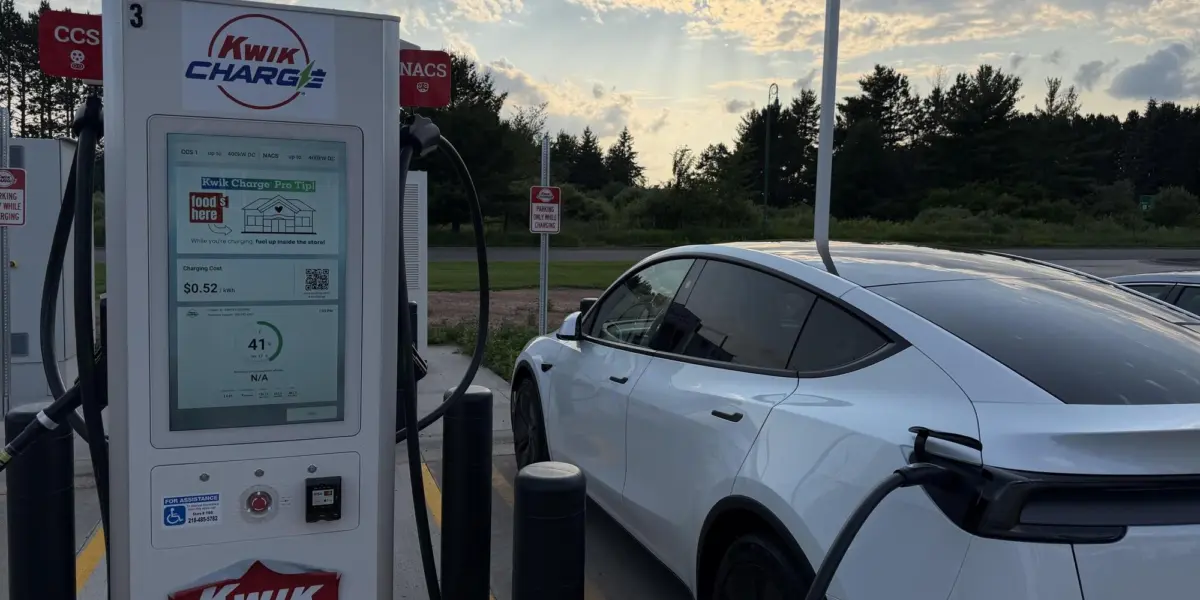
Introduction: Bridging the Charging Gap in Greater Minnesota
Minnesota is poised for a major leap forward in electric vehicle (EV) infrastructure. Following the successful buildout of its primary highway corridors, the state is turning its attention outward, aiming to eliminate charging deserts across rural and regional communities.
The Minnesota Department of Transportation (MnDOT) has announced the launch of its third—and largest—funding round under the federal National Electric Vehicle Infrastructure (NEVI) program. Injecting a substantial $41.2 million into the state’s charging ecosystem, this initiative is designed to fill critical fast-charging gaps in Greater Minnesota. By moving beyond the initial focus on major interstate corridors, the state aims to make long-distance electric vehicle travel seamless, accessible, and practical for residents and tourists alike, regardless of where their journeys take them.
Main Facts: The Scope of the $41.2 Million Investment
The latest federal funding round represents a pivotal shift in Minnesota’s electrification strategy. With tens of millions of dollars on the line, MnDOT is systematically expanding the geographic footprint of the state’s zero-emission vehicle infrastructure.
Key Details of the Funding Initiative:
- Total Investment: $41.2 million dedicated entirely to the third round of NEVI-backed grants.
- Target Area: Greater Minnesota, focusing on regional highways and secondary corridors outside the major interstate network.
- Project Capacity: MnDOT has identified 74 eligible areas where public and private developers can propose new stations. The state expects to award grants for up to 40 new sites, with a strict limit of one winning station per designated area.
- Cost-Sharing Structure: Federal NEVI funds will cover up to 80% of eligible project costs. Grant recipients—which can be public or private entities—are responsible for the remaining 20% and will own and operate the resulting stations.
Stringent Technical and Operational Requirements
To ensure reliability and user-friendly operation, MnDOT has established rigorous mandates for every station receiving federal funding:
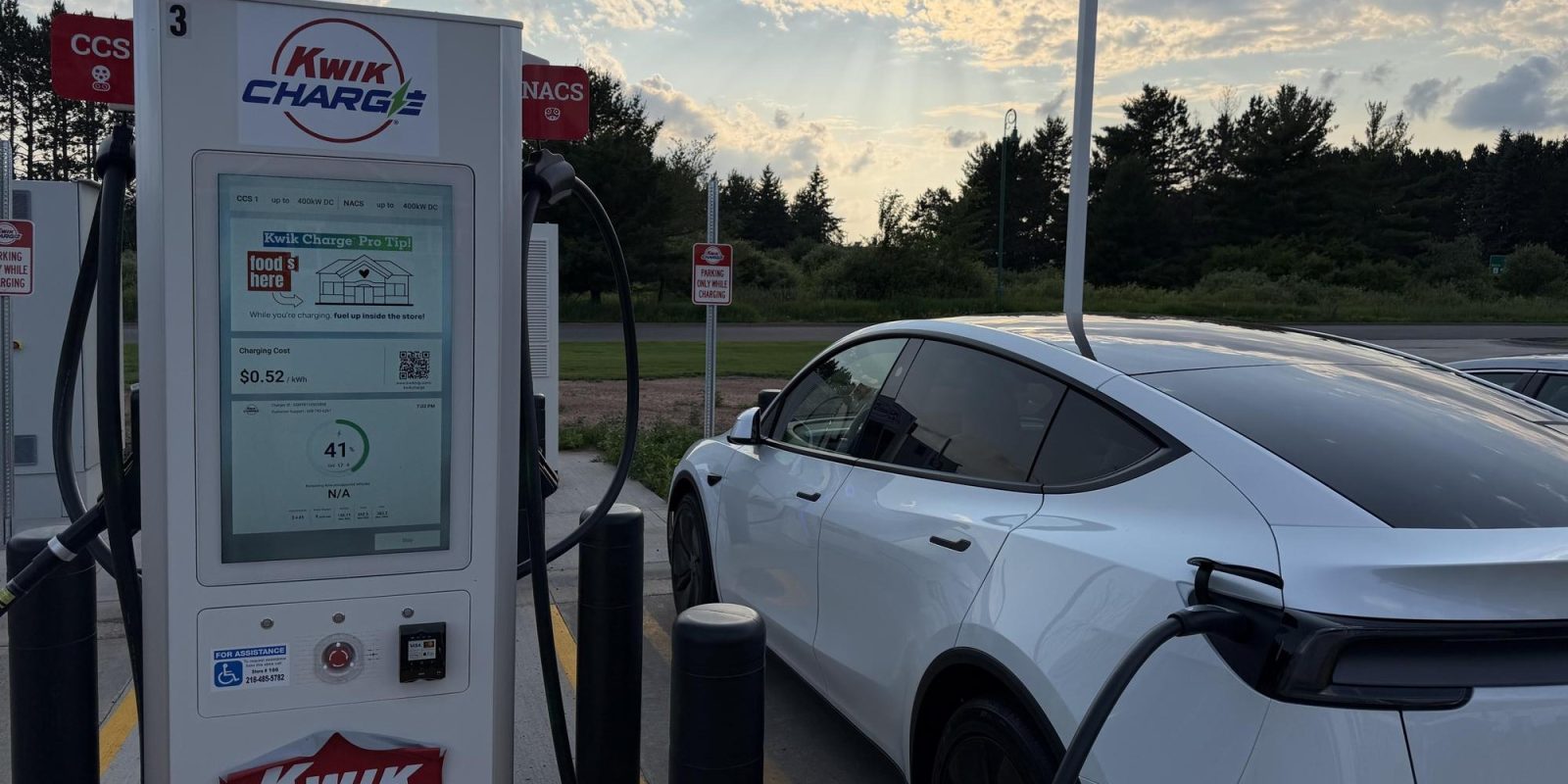
- Connector Diversity: Every funded site must feature a minimum of four NACS (North American Charging Standard) connectors and four CCS1 connectors.
- High Power Output: Each federally compliant charging port must be capable of delivering at least 150 kW of power concurrently, ensuring that charging speeds do not drop even during periods of heavy utilization.
- Accessibility and Safety: Stations must remain publicly accessible during the operating hours of the host business. Facilities must include at least one ADA-compliant charging space, adequate site lighting, and either on-site staff or security cameras.
- The "Minnesota Rule" for Winter Weather: Acknowledging the harsh realities of Upper Midwest winters, station operators are legally required to clear snow accumulation exceeding one inch within two hours of a storm ending.
Chronology: From Interstate Corridors to Statewide Coverage
The rollout of Minnesota’s EV infrastructure has followed a carefully phased, chronological approach dictated by federal guidelines and state transportation priorities.
Phase 1 and Phase 2: Conquering the Interstates
During the initial rollout of the federal NEVI program, funding was strictly restricted to designated alternative fuel corridors. For Minnesota, this meant focusing exclusively on three major arteries:
- Interstate 35 (I-35)
- Interstate 90 (I-90)
- Interstate 94 (I-94)
In these first two rounds, MnDOT awarded more than $16 million to support the development of 24 fast-charging sites along these corridors. As of August, eight of these stations are fully operational and open to the public, while the remaining sites are progressing through preconstruction and active construction phases.
The Turning Point: Corridor Certification
Once the infrastructure along I-35, I-90, and I-94 met federal density and distance requirements, the Federal Highway Administration (FHWA) officially certified these alternative fuel corridors as "fully built out." This certification unlocked the remaining flexibility within the state’s federal allocation, giving MnDOT the green light to direct its financial resources away from the major interstates and toward Greater Minnesota.
Phase 3 Timeline and Deadlines
The timeline for the current $41.2 million funding round is moving quickly:
- Application Deadline: Interested developers and site hosts must submit their proposals to MnDOT by 4:00 PM on November 2.
- Conditional Awards Announcement: MnDOT anticipates evaluating proposals and announcing conditional grant recipients in late December 2026 or January 2027.
Supporting Data: Explosive Growth in Minnesota’s EV Fleet
The urgency behind MnDOT’s infrastructure expansion is directly tied to the rapid adoption of electric vehicles by Minnesota residents. As more consumers transition away from internal combustion engines, the demand for public charging infrastructure has skyrocketed.

The Numbers Tell the Story:
- Tenfold Increase: According to state vehicle registration data, the number of registered EVs in Minnesota has grown tenfold since 2018.
- Growth Trajectory: The state’s EV population has surged from roughly 9,000 registered vehicles in 2018 to approximately 90,000 vehicles today.
- Resilience: The state’s commitment to building out charging infrastructure has persevered despite shifting federal landscapes, including previous funding freezes and economic hurdles. (Notably, Minnesota previously made headlines by advancing a separate $10 million state-backed expansion to keep momentum alive during federal policy debates).
This dramatic surge in consumer adoption means that existing urban and interstate chargers are experiencing higher utilization rates, making the expansion into rural areas and secondary highways an absolute necessity to prevent bottlenecks.
Official Responses: Leadership Perspectives
State leaders have emphasized that the third round of NEVI funding is not merely about installing hardware, but about economic vitality, regional equity, and regional mobility.
Nancy Daubenberger, Commissioner of the Minnesota Department of Transportation, highlighted the critical psychological and practical benefits of the program:
"NEVI funding is used to further develop a fast-charging network and will go a long way toward reducing range anxiety for long-distance travel needs in our state."
Transportation planners and local stakeholders have echoed these sentiments, noting that reliable charging infrastructure is essential for rural economic development. Communities located off the primary interstates have historically worried about being bypassed by EV-driving tourists and business travelers. By establishing up to 40 new fast-charging stations across Greater Minnesota, the state is ensuring that every corner of the commonwealth can participate in the electric mobility transition.

Furthermore, state energy officials have pointed out that private-public partnerships are key to the program’s success. By leveraging an 80/20 funding split, Minnesota is empowering local businesses—such as convenience store chains, travel plazas, and municipal utilities—to take ownership of the clean energy transition while drawing new customers to their storefronts.
Implications: What This Means for Drivers, Businesses, and the Grid
The deployment of $41.2 million in federal and state-backed funds will have profound ripple effects across multiple sectors of Minnesota’s economy and society.
1. For EV Drivers: The Death of Range Anxiety
For everyday motorists, the primary benefit is freedom of movement. Historically, driving an electric vehicle from the Twin Cities to the North Shore, the Boundary Waters, or the agricultural hubs of western Minnesota required careful route planning and anxiety over whether a charger would be operational or available. With up to 40 new high-power stations dotting Greater Minnesota, drivers can embark on weekend getaways and long-distance road trips with the same confidence as drivers of traditional gasoline-powered vehicles.
2. For Local Businesses: Economic Opportunity
Gas stations, convenience stores (such as Kwik Trip locations already participating in early charging rollouts), restaurants, and retail centers situated along secondary highways stand to gain immensely. Fast-charging sessions typically take between 15 to 30 minutes—the exact amount of time a traveler spends grabbing a coffee, eating a meal, or shopping. Local businesses that successfully secure NEVI grants and host charging stalls will capture a lucrative, tech-forward demographic of travelers.
3. For the Electrical Grid and Utilities
Rapidly scaling high-power chargers—each delivering a minimum of 150 kW across multiple simultaneous ports—presents unique engineering challenges for rural electric cooperatives and municipal utilities. Upgrading transformers, substations, and local grid capacity will be required in many of the 74 eligible Greater Minnesota areas. However, utilities view this as an opportunity to modernize rural grids, integrate more renewable energy sources like wind and solar, and manage load profiles through smart-charging technologies.

4. Setting a National Precedent
Minnesota’s proactive approach to utilizing NEVI funds serves as a model for other Midwestern and rural states. By successfully transitioning from interstate corridors to regional highways while maintaining strict standards for reliability, power output, and winter maintenance, Minnesota is proving that zero-emission transportation is viable and scalable in cold-weather, geographically diverse regions.
As the November 2 application deadline approaches, developers, utility providers, and local municipalities are rapidly finalizing their proposals. For Minnesotans, the finish line is coming into view: a fully connected, reliable, and winter-resilient charging network spanning the entire North Star State.
