

While cultural conditioning has long heralded spring as the mandatory season for sowing seeds and awakening landscapes, experienced horticulturists and master gardeners know a well-kept secret: autumn is the true pinnacle of the planting calendar. As the blistering heat of July and August subsides, September ushers in a harmonious window of mild daytime temperatures, refreshing cool nights, and warm, receptive soils.
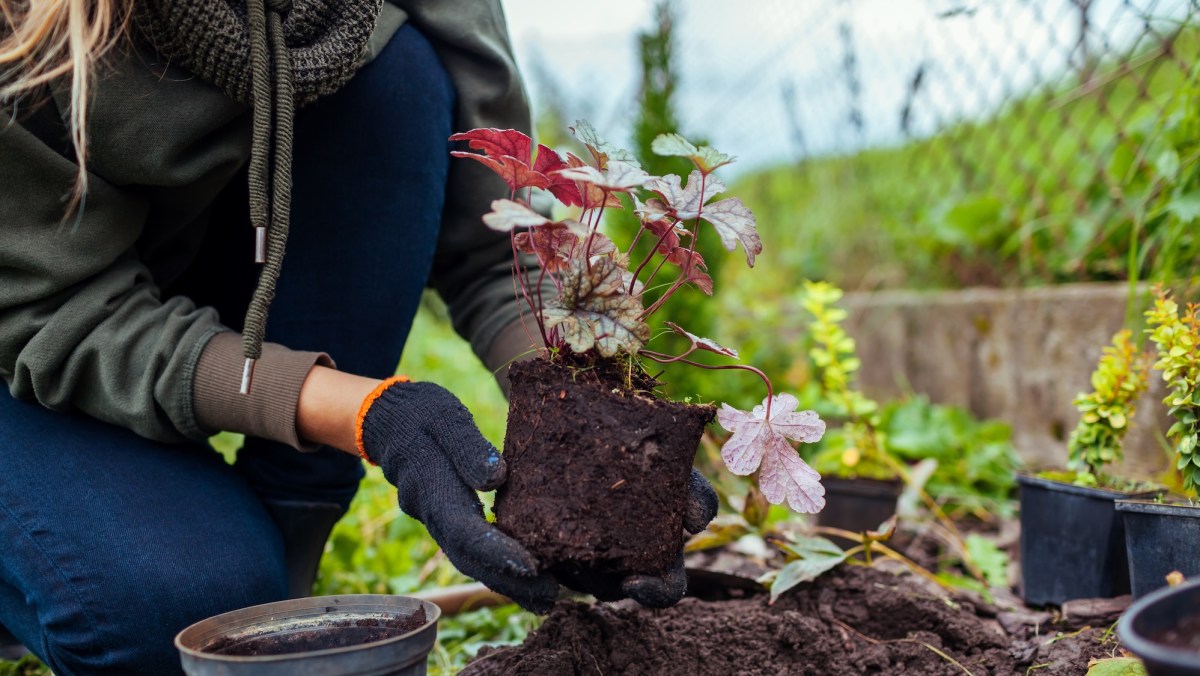
This meteorological sweet spot provides the ideal conditions for plants to establish deep, robust root systems without the punishing stress of summer drought. Whether you are aiming to cultivate a bounty of cool-season vegetables, establish structural shrubs and trees, sow a resilient lawn, or lay the groundwork for a breathtaking spring floral display, September offers a diverse and rewarding palette of possibilities.
Main Facts: The Science of Fall Planting
The transition from summer to fall triggers a physiological shift in plant behavior. During the spring, plants direct much of their immediate energy into above-ground growth—producing fresh leaves, stems, and flowers. Conversely, when planted in the autumn, flora pivot their developmental focus downward.
Warm soil temperatures, retained from the peak of summer, encourage rapid root elongation and branching, while cooler ambient air temperatures minimize moisture loss through foliage. This physiological dynamic means that perennials, trees, shrubs, and cool-season crops planted in September establish a superior foundation. By the time winter dormancy arrives, these plants possess an extensive root system capable of absorbing vital nutrients and moisture early in the spring, outperforming their spring-planted counterparts.
Furthermore, September gardening offers practical advantages for the green-thumbed enthusiast. Pest pressures—such as cabbage worms, aphids, and Japanese beetles—begin to wane as populations decline with the dropping temperatures. Weed competition also slows significantly, giving newly sown seeds and delicate seedlings a fighting chance to claim valuable garden real estate.
Chronology: A Timetable for September Success
Successful September gardening relies heavily on timing, regional climate variations (USDA Hardiness Zones), and the specific lifecycle of each plant category. Below is a chronological roadmap to help gardeners maximize their September efforts:
Early September: Structural Elements and Perennials
- Trees and Woody Shrubs: Begin planting long-term landscape investments such as Japanese maples (Acer palmatum), red twig dogwoods (Cornus sericea), and ornamental trees. The extended root-growth window ensures they will weather winter storms and emerge vigorously in spring.
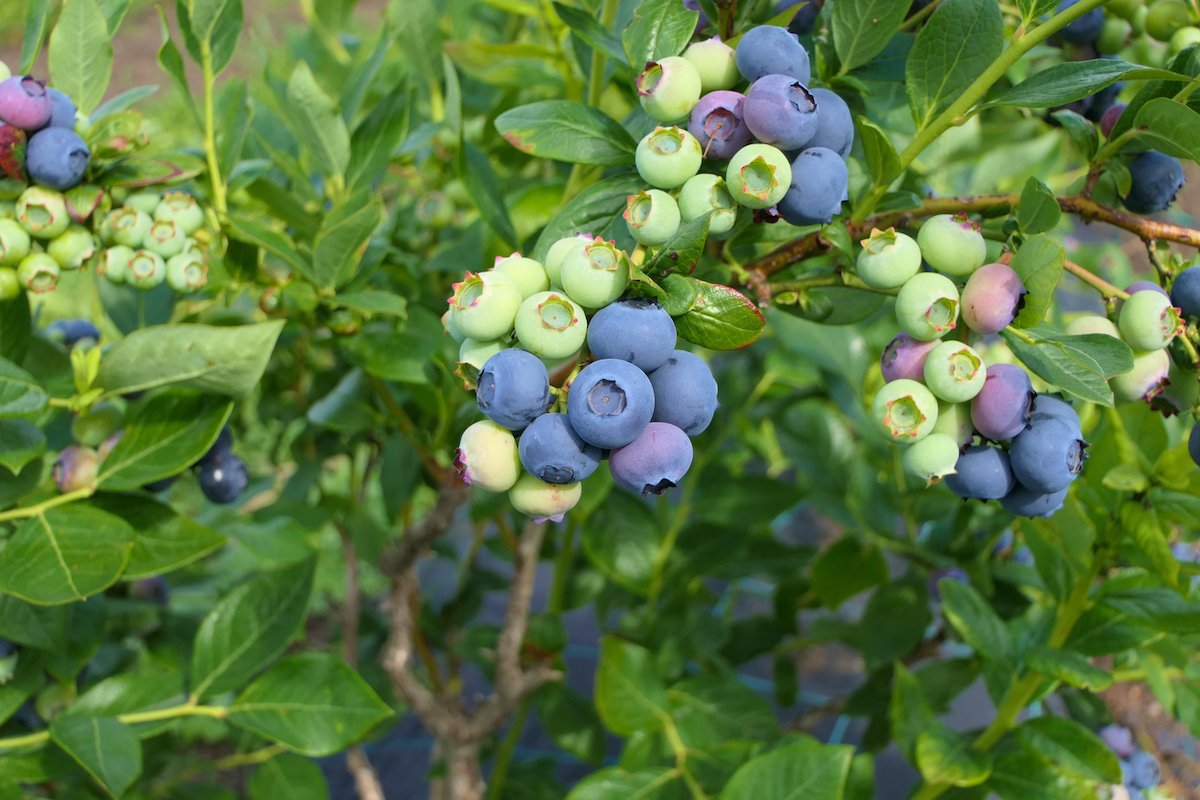
- Berry Bushes: Sow cold-hardy or southern-adapted blueberry cultivars (Vaccinium sect. Cyanococcus) to secure a prolific fruit harvest for subsequent seasons.
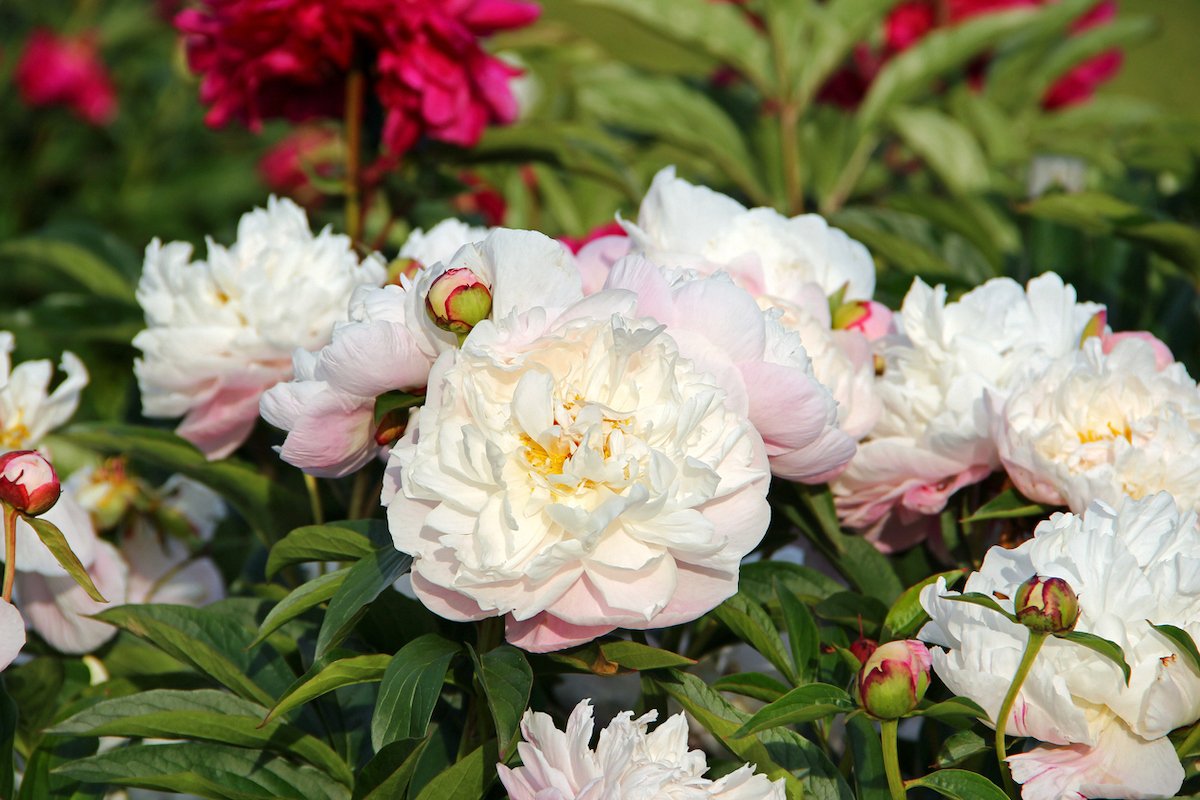
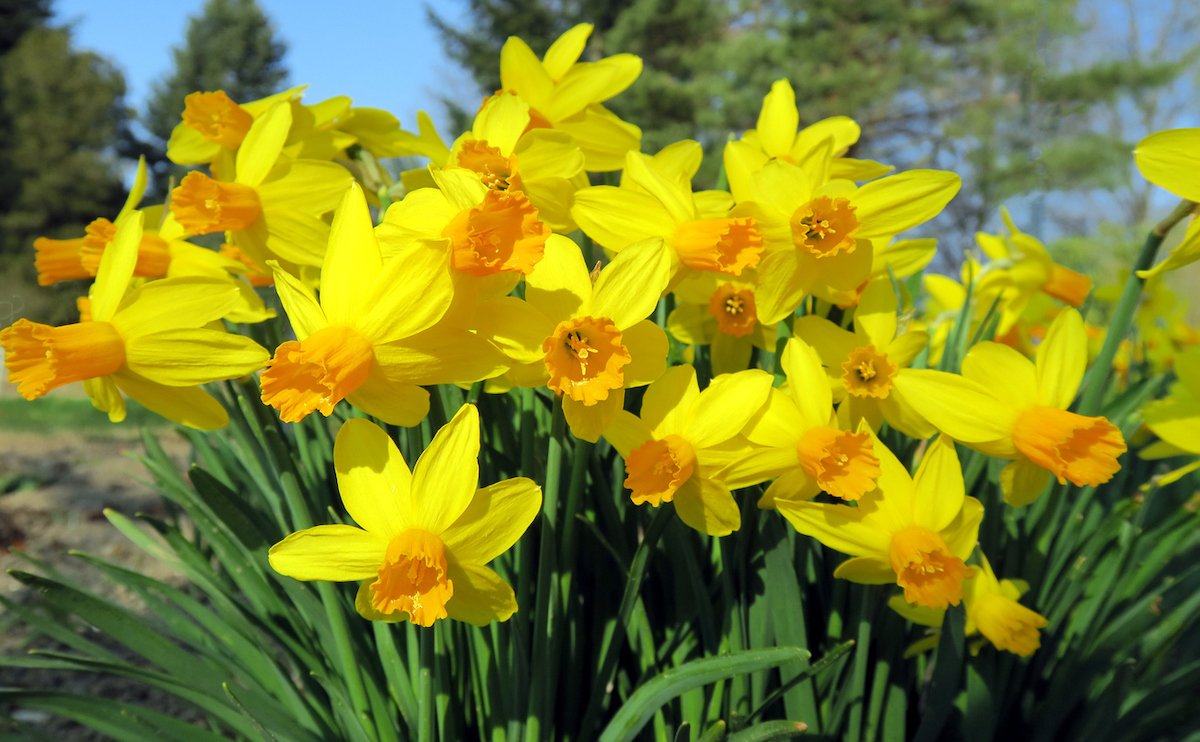
- Peonies and Early Bulbs: Herbaceous and tree peonies can be safely divided and planted early in the month. Similarly, early-arriving spring bulbs like daffodils (Narcissus) should go into the ground while the soil remains workable and consistently cool.
Mid-September: Cool-Season Edibles and Lawns
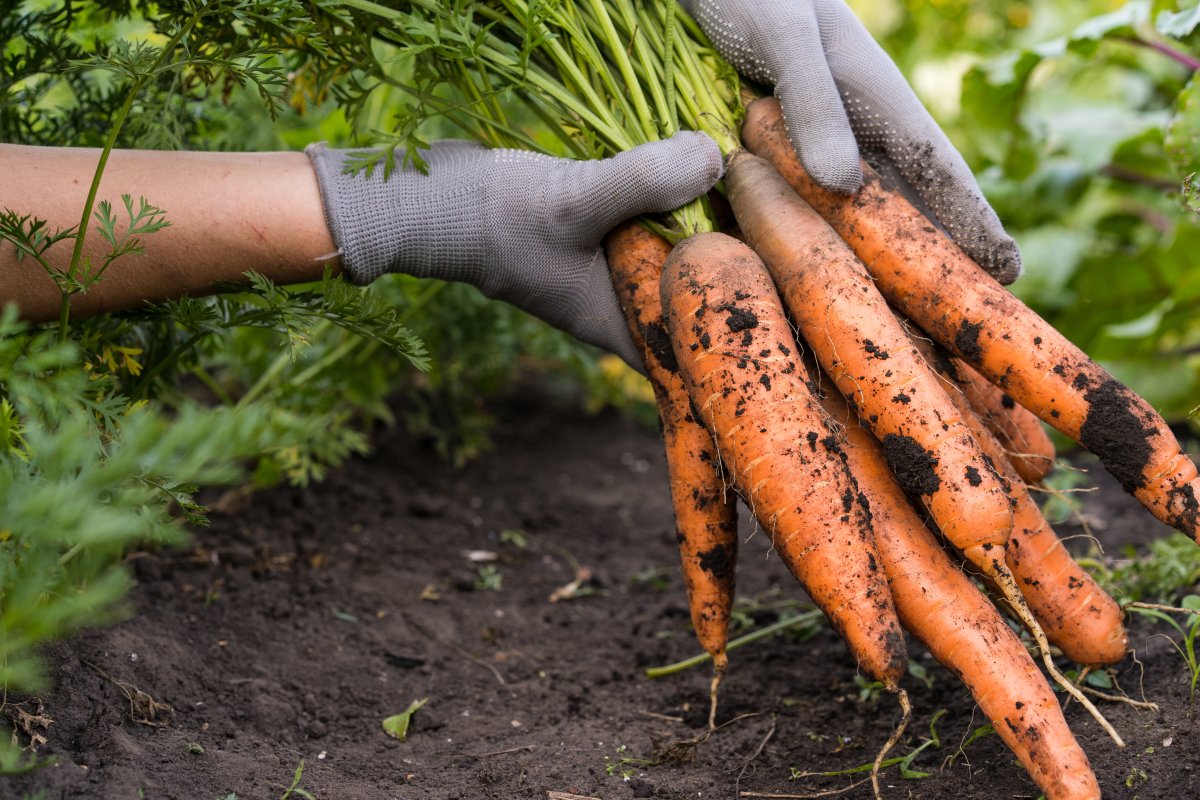
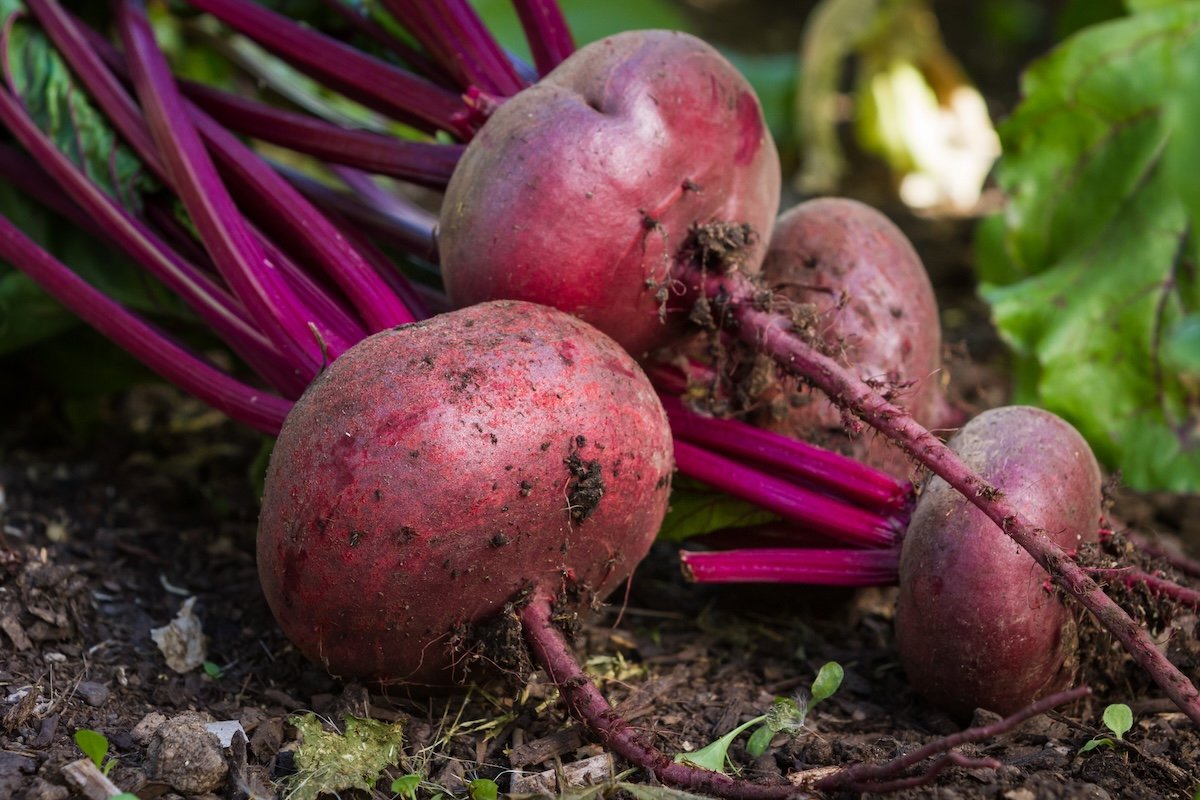
- Root Vegetables: Plant fast-maturing root crops such as carrots (Daucus carota subsp. sativus) and beets (Beta vulgaris). Because these crops tolerate—and often improve with—light frosts, they thrive in the declining heat of mid-autumn.
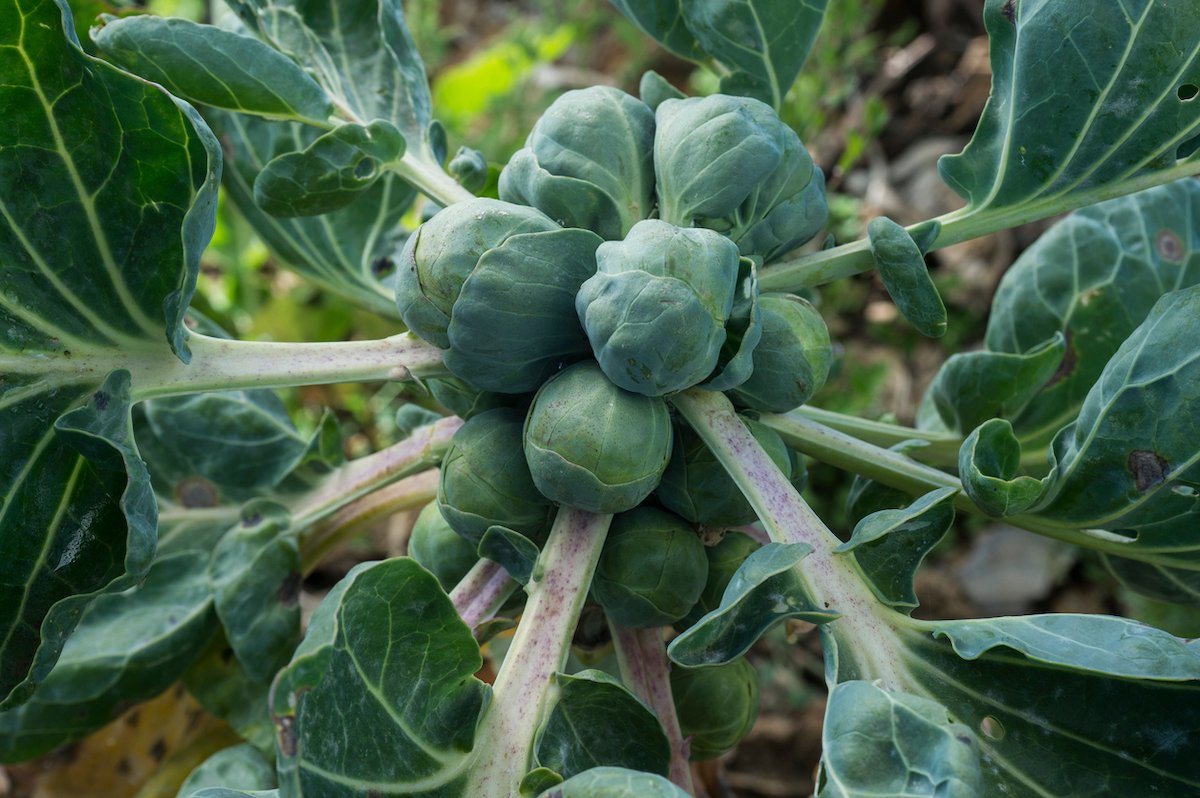
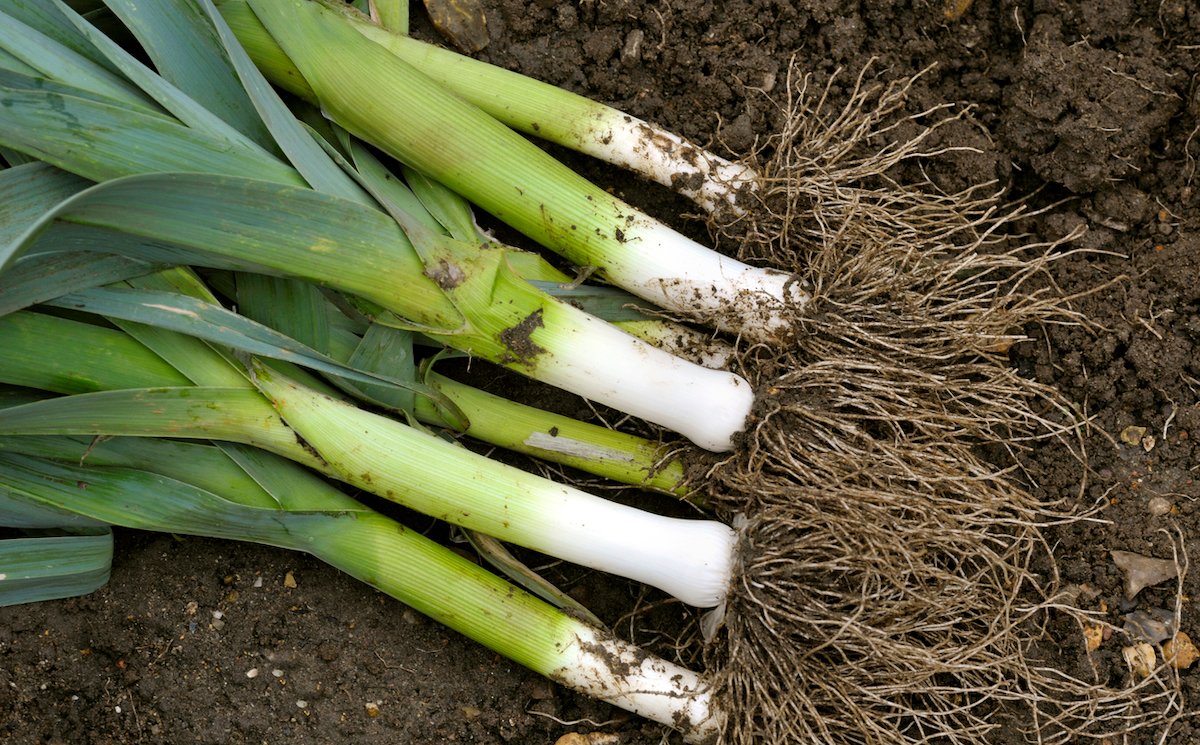
- Cole Crops: Transplant or seed cool-loving brassicas, including Brussels sprouts (Brassica oleracea var. gemmifera) and leeks (Allium porrum group), ensuring they have adequate time to size up before hard freezes.
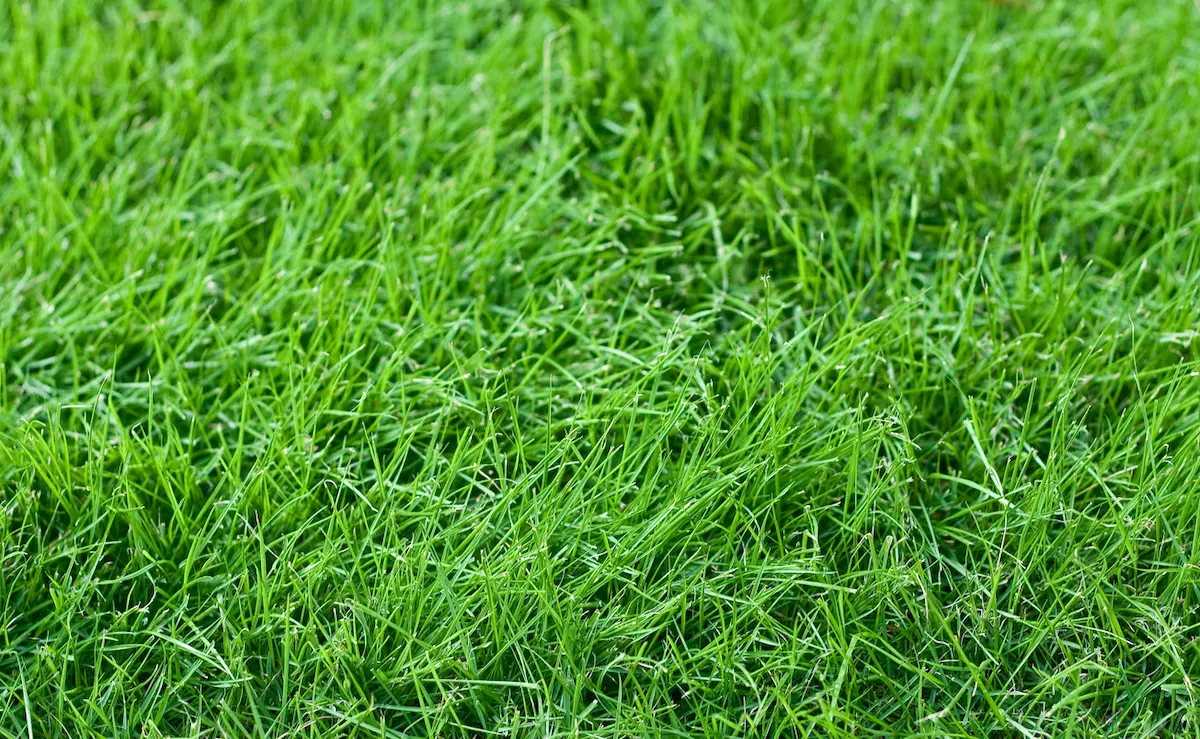
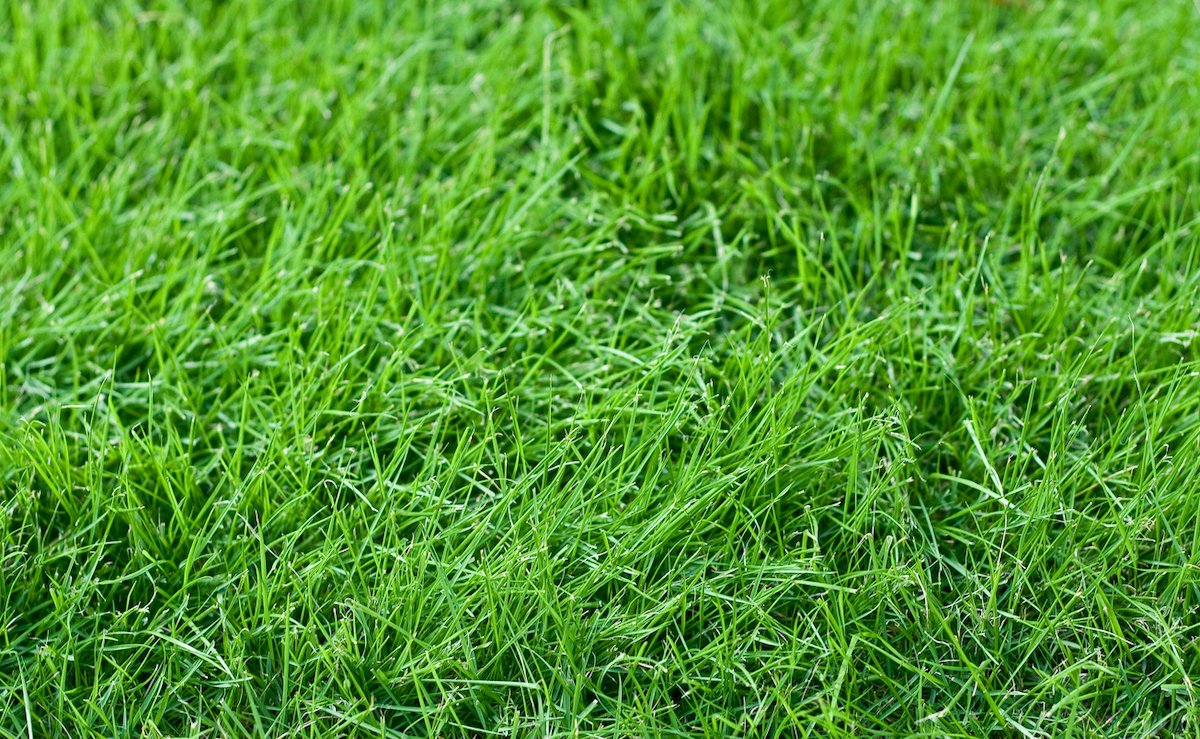
- Lawn Care: Overseed existing turf or establish new lawns using cool-season grass varieties such as fescue, ryegrass, and bluegrass. The warm soil paired with autumn dew promotes optimal germination rates.
Late September: Leafy Greens, Annuals, and Soil Health
- Salad Greens: Direct-sow lettuce (Lactuca sativa) seeds when daytime temperatures stabilize between 55 and 65 degrees Fahrenheit.
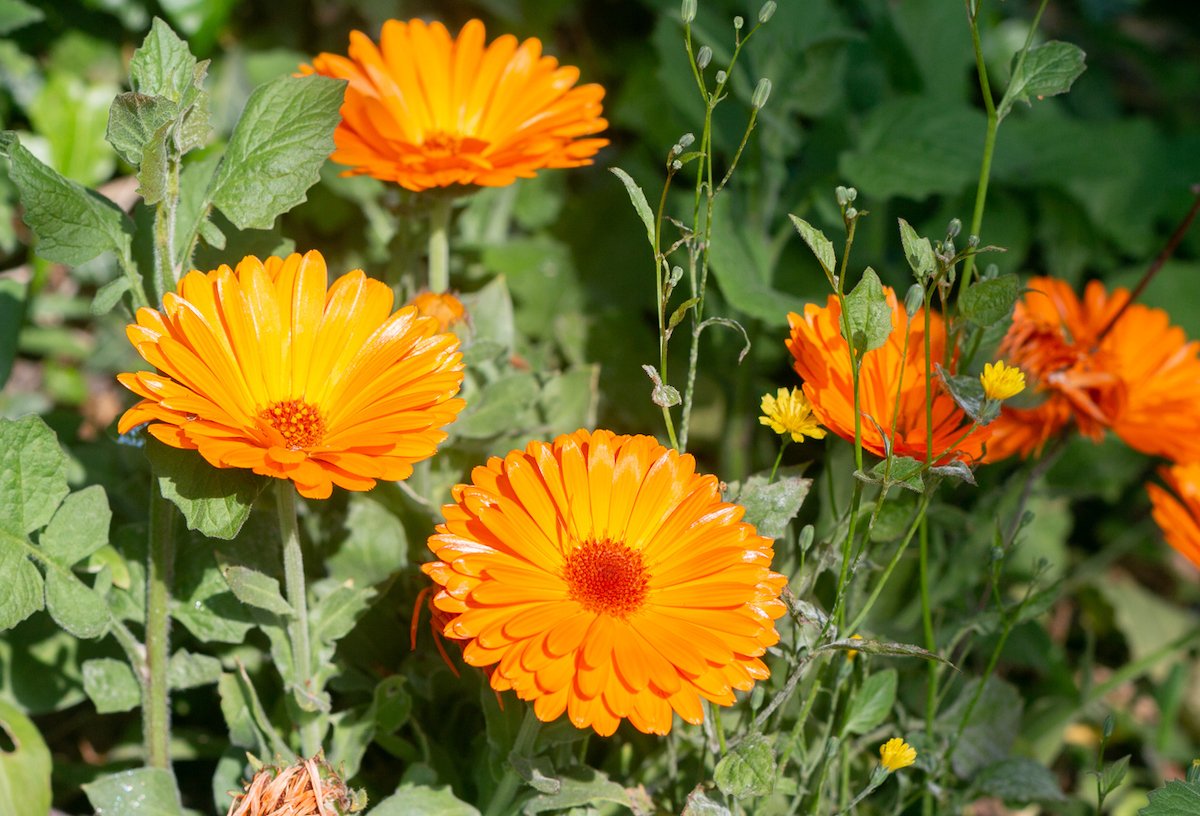
- Hardy Annuals and Color: Refresh tired summer containers and garden beds by introducing cold-tolerant annuals, including pansies (Viola tricolor hortensis) and pot marigolds (calendula).
- Cover Crops: As summer vegetable beds are cleared, immediately sow cover crops like crimson clover and buckwheat. These biological powerhouses suppress weeds, prevent soil erosion, and fix essential nitrogen back into the earth for the following year.
Supporting Data: Cultivating Diverse Varieties
To maximize garden productivity and visual appeal, selecting the correct cultivars for your specific geographic hardiness zone is paramount. The following breakdown highlights key plant selections categorized by their functional and aesthetic roles in the autumn landscape:
1. Edibles and Root Crops
- Brussels Sprouts (USDA Zones 2–9): Thriving in mild autumn weather, varieties like Catskill produce abundant, tightly packed heads. They remain viable in the garden until temperatures drop below 20°F. Gardeners should rotate cole crops away from previous brassica sites to avoid soil-borne pests like cabbage worms.
- Carrots (USDA Zones 3–10): Requiring loose, well-draining soil, carrots mature in approximately 60 days. Colorful mixes, such as the Kaleidoscope blend, offer yellow, purple, orange, and white roots rich in antioxidants.
- Beets (USDA Zones 2–10): Valued for both their earthy roots and nutrient-dense greens, varieties like Early Wonder reach maturity in roughly 55 days, making them ideal for regions with early frost dates.
- Leeks (USDA Zones 7–11 for fall; 2–11 for spring): Unlike bulb onions, leeks produce tall, blanchable stalks. Cultivars like Giant Winter Leek tolerate light freezes down to 20°F and overwinter successfully for a sweet spring harvest.
- Lettuce (USDA Zones 2–11): Because lettuce seeds fail to germinate if soil temperatures exceed 80°F, September provides the ideal thermal window. Heirloom choices like Paris White Cos and the cold-hardy red butterhead Four Seasons extend the salad season deep into the autumn.
2. Ornamental Shrubs and Trees
- Red Twig Dogwood (USDA Zones 2–8): A multi-seasonal marvel that provides spring blooms, vibrant autumn foliage, and striking crimson stems that contrast beautifully against winter snowscapes.
- Japanese Maple (USDA Zones 5–8): Slow-growing and elegant, cultivars like Bloodgood (deep crimson foliage) and the coral bark Japanese maple serve as architectural focal points in both ground-level beds and large containers.
- Harry Lauder’s Walking Stick (USDA Zones 3–9): Characterized by its twisted, gnarled branches, Corylus avellana ‘Contorta’ creates dramatic nocturnal lighting focal points and showcases draping catkins throughout the winter months.
- Karl Foerster Feather Reed Grass (USDA Zones 5–11): This low-maintenance ornamental grass reaches heights of 3 to 5 feet, producing bronzy, feather-like blooms that transition into attractive gold seed heads favored by floral arrangers.
3. Perennials and Bulbs
- Blueberries (USDA Zones 3–10): Requiring acidic soils, northern cultivars like Patriot and southern-adapted varieties like Pinky establish strong framework roots when planted in September.
- Peonies (USDA Zones 3–8): Whether choosing herbaceous cultivars like the crimson Karl Rosenfield or tree peonies, fall planting allows root systems to lock in energy for heavy spring blooms.
- Daffodils (USDA Zones 3–9): Unlike tulips, which prefer delayed planting, daffodils require early autumn coolness to anchor their root structures before winter. Classic varieties include the bright yellow Dutch Master and the peach-throated British Gamble.
- Pansies and Calendula (USDA Zones 2–11): These cold-tolerant annuals replace fading summer displays with vibrant splashes of color. Calendula (Calendula officinalis) also yields medicinal properties used in soothing minor skin irritations.
Official Responses: Horticultural Insights and Expert Consensus
Agricultural extension offices and master gardener networks across North America overwhelmingly endorse fall planting programs. According to university-backed horticultural studies, plants subjected to autumn transplanting experience significantly reduced transplant shock compared to those installed during the turbulent climate shifts of late spring.
"When you plant in September, you are working in partnership with nature’s biological timeline," notes Dr. Elizabeth Vance, a leading urban horticulturist and extension specialist. "The soil is still warm enough to stimulate root tip elongation, but the cooler air halts the rapid transpiration of water from leaves. It is the single most advantageous period for woody plant establishment."
Furthermore, environmental protection agencies and sustainable agriculture advocates strongly champion the inclusion of September cover crops. Planting green manures such as red clover and buckwheat prevents the leaching of vital soil nitrates during heavy winter rains, reducing agricultural runoff into local watersheds while simultaneously cutting down the need for synthetic chemical fertilizers in the spring.
Implications: The Long-Term Benefits of Autumn Gardening
Adopting a robust September planting strategy yields profound implications for home landscapes, household economies, and environmental sustainability.
Economically, investing in perennial shrubs, trees, and bulbs during the fall often coincides with nursery clearance sales, allowing homeowners to acquire high-value landscape stock at a fraction of spring retail prices. Because these plants establish stronger root networks autonomously over the winter months, they require less intensive human irrigation and intervention during their critical first year of life, translating to lower utility bills and reduced labor.
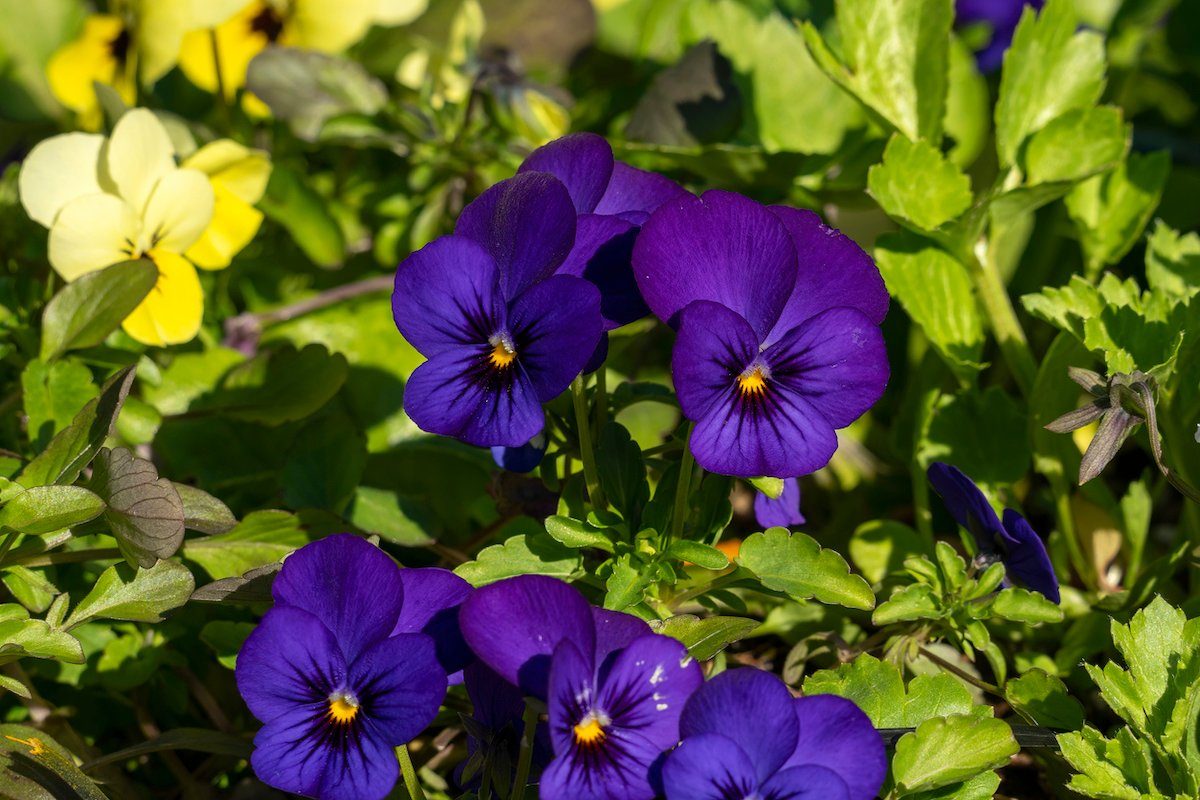
Ecologically, an active autumn garden supports local biodiversity. Late-blooming calendulas and pansies provide crucial, late-season nectar sources for lingering pollinators, including honeybees and monarch butterflies preparing for migration. Meanwhile, cover-cropped beds maintain vital subterranean microbial activity, fostering a rich, living soil ecosystem that naturally repels plant pathogens and mitigates the need for aggressive chemical treatments.
Ultimately, shifting focus toward September garden maintenance transforms autumn from a season of yard-cleanup dread into a period of creative renewal. By preparing the soil while nature rests, gardeners set the stage for a vibrant, resilient, and bountiful landscape when the calendar turns back to spring.
