

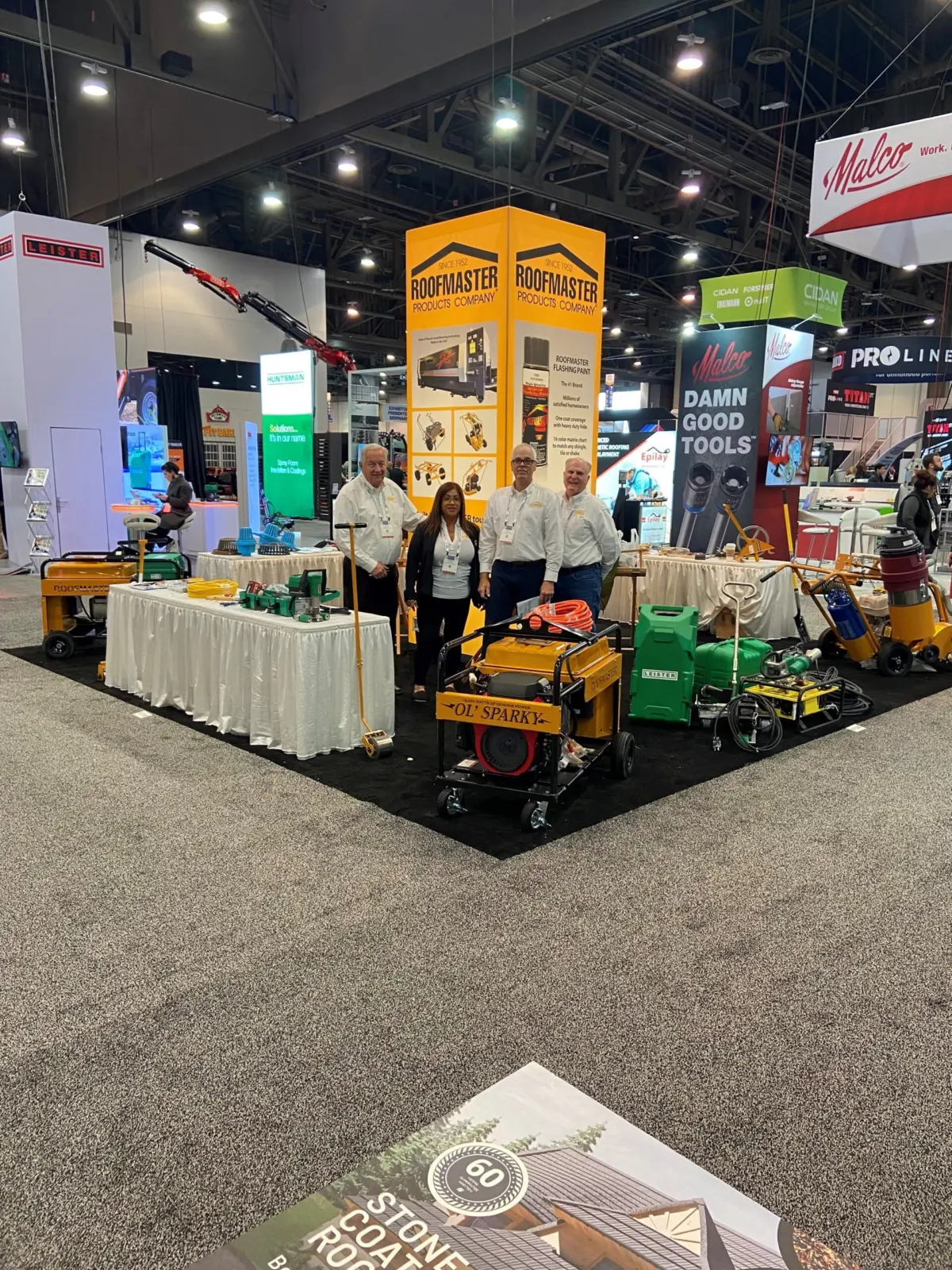
The commercial roofing industry is undergoing a period of rapid technological transformation, driven by shifting regulatory standards, labor shortages, and a fundamental transition in material preferences. At the center of this evolution is the supply chain of highly specialized machinery, hand tools, and safety equipment required to execute complex low-slope and steep-slope roofing projects.
An analysis of the extensive inventory managed by industry suppliers like Roofmaster Products reveals the sheer complexity of modern commercial roofing operations. From traditional built-up roofing (BUR) systems to advanced single-ply membranes and mechanized spray systems, the modern roofing contractor relies on a highly diverse array of tools to ensure safety, efficiency, and compliance on the deck.
Main Facts: The Multi-Tiered Infrastructure of Roofing Supply
Commercial roofing is not a monolithic trade; it is a collection of distinct engineering disciplines, each requiring a dedicated suite of tools. An examination of the primary product segments within the commercial roofing sector highlights the specialized nature of these operations:
1. Heavy Equipment and Material Handling
The physical demands of moving tons of asphalt, membrane rolls, and gravel onto elevated structures require specialized hoisting and conveying systems. This segment includes:
- Conveyors and Hoists: Systems such as FBR and HSDF conveyor parts, powered hoisting equipment, hoisting wheels, and non-powered roof hoists are critical for vertical material transport.
- On-Deck Transport: Once materials reach the roof deck, contractors utilize material handling carts, specialized wheelbarrows, and lifting equipment to distribute loads safely without compromising the structural integrity of the deck.
2. Thermal Management and Liquid Applied Systems
Traditional asphalt-based systems and modern liquid-applied membranes require precise thermal control.
- Roofmaster Kettles: These heavy-duty burners melt solid asphalt blocks into a liquid state. Operating them requires a highly specific ecosystem of replacement parts, including litewall tubing, LPG tanks, LP/Butane valves, frame run gear, and heavy-duty tanker pumps.
- Spraying Systems: For elastomeric coatings and liquid-applied membranes, contractors deploy advanced rigs like the WarmMaster and GranuleMaster systems, alongside specialized pole guns, spray tips, and material valves.
3. Single-Ply and Synthetic Systems
The market share of single-ply membranes (such as TPO, EPDM, and PVC) has grown significantly. This sector relies on highly precise hand and automated tools:
- Hot Air Welders: Used to fuse membrane seams together to create a monolithic waterproof barrier.
- Application Tools: Specialized steel and rubber rollers, adhesive rollers, frames, and single-ply testers are necessary to ensure proper membrane adhesion and seam integrity.
4. Drainage, Ventilation, and Roof Accessories
A roof’s primary function is shedding water and managing thermal transfer, which requires sophisticated penetration accessories:
- Drains: Systems range from aluminum and copper retrofit drains to cast iron large-sump and medium-sump drains, clamping rings, and scuppers.
- Vents and Flashings: Products like the CommDeck system, solar-powered vents, and pipe stands ensure that roof penetrations remain watertight while allowing building systems to function.
Chronology: The Evolution of Commercial Roofing Technology
To understand the current state of the roofing equipment market, it is essential to trace how these technologies developed in response to architectural trends, safety regulations, and material science over the past several decades.
[1950s–1970s] Traditional BUR Dominance
  │  • Reliance on hot asphalt, Roofmaster kettles, and cotton mops.
  │  • Heavy, labor-intensive processes with minimal automation.
  ▼
[1980s–1990s] Rise of Single-Ply & Mechanization
  │  • Introduction of TPO, EPDM, and PVC membranes.
  │  • Development of hot air welders, specialized rollers, and powered roof cutters.
  ▼
[2000s–2010s] The Safety and Regulatory Era
  │  • OSHA implements strict fall protection mandates.
  │  • Rapid adoption of fall arrest harnesses, perimeter warning systems, and roof anchors.
  ▼
[2020s–Present] Automation, Spray Systems, and Sustainability
     • Integration of advanced spray rigs (WarmMaster, GranuleMaster).
     • Rise of solar-compatible accessories and lightweight aluminum staging.
The Era of Traditional Built-Up Roofing (1950s–1970s)
During the mid-20th century, the commercial roofing landscape was dominated by Built-Up Roofing (BUR) systems. Contractors relied heavily on hot asphalt, coal tar pitch, and felt plies. The primary equipment of this era consisted of kerosene- or LP-fired kettles, cotton mops, mop carts, and gravel spreaders. Material transport was slow and highly labor-intensive, relying on simple non-powered gin poles and hoisting wheels.
The Single-Ply and Mechanization Revolution (1980s–1990s)
The introduction of single-ply thermoplastic (TPO/PVC) and thermoset (EPDM) membranes revolutionized the industry. This period saw a rapid shift away from hot asphalt toward cold-applied adhesives and heat-welded seams. Equipment manufacturers responded by developing automatic hot-air welding machines, silicone seam rollers, and specialized adhesive sprayers. Concurrently, the introduction of powered walk-behind roof cutters, carbide-bladed roof saws, and feltslitters significantly accelerated tear-off times.
The Safety and Regulatory Era (2000s–2010s)
With the Occupational Safety and Health Administration (OSHA) tightening enforcement on fall protection standards, safety equipment transitioned from an afterthought to a primary procurement category. Manufacturers expanded their catalogs to include certified fall arrest systems, mobile roof anchors, perimeter warning lines, and specialized personal protective equipment (PPE) such as safety harnesses and specialized shoe protection.
The Modern Era of Automation and Coating Systems (2020s–Present)
Today, the industry faces severe skilled labor shortages and a push toward sustainable building envelopes. This has driven the adoption of highly efficient spraying systems for liquid-applied restorative coatings, automated granule dispensers like the GranuleMaster, and highly portable, battery-powered hand tools.
Supporting Data: Categorical Analysis of Roofing Components
The diverse range of products required to complete a modern commercial roof highlights the logistical complexity faced by contractors. A typical commercial reroofing project requires coordinating tools and materials across several distinct categories:
| Equipment Category | Primary Applications | Key Specialized Components |
|---|---|---|
| Thermal & Hot Process | Asphalt melting, BUR systems, modified bitumen torching | Roofmaster Kettles, LPG tanks, litewall tubing, kerosene/LP burners, burner regulators, thermometers |
| Material Handling | Vertical lifting, on-deck distribution, waste removal | FBR/HSDF conveyor parts, powered hoists, gravel buckets, trash chutes, wheelbarrows, utility carts |
| Seaming & Adhesion | Membrane welding, adhesive application, seam testing | Hot air welders, steel/rubber rollers, adhesive rollers, single-ply scissors, seam testers |
| Water Management | Roof drainage, overflow prevention, penetration sealing | Retrofit drains (aluminum/plastic/copper), clamping rings, scuppers, vent flashings, pipe stands |
| Safety & Compliance | Fall prevention, debris containment, hazard marking | Fall arrest harnesses, roof anchors, perimeter warning lines, warning signs, fire extinguishers |
The Engineering of Retrofit Drainage
One of the most technically demanding aspects of commercial roof restoration is drainage engineering. When a roof is recovered or replaced, the existing drainage infrastructure must be preserved or adapted. The development of aluminum and copper retrofit drains has resolved a major pain point for contractors. These drains are engineered to insert directly into existing drain pipes from above the roof deck, utilizing expansion seals or clamping rings to create a watertight connection without requiring expensive interior plumbing modifications.
Official Responses: Industry Perspectives on Supply Chain and Safety
Industry experts, safety coordinators, and equipment manufacturers emphasize that the integration of high-quality equipment is directly tied to contractor profitability and safety compliance.
On Safety and Regulatory Compliance
According to safety consultants specializing in high-elevation construction, the transition to mechanized safety systems has drastically reduced catastrophic fall incidents.
"The commercial roofing sector has historically carried one of the highest risks for fall-related injuries," notes a regional OSHA compliance officer. "The widespread availability of engineered fall arrest systems, temporary perimeter warning lines, and certified roof anchors has transformed how contractors approach roof-edge safety. Compliance is no longer about doing the bare minimum; it is about deploying integrated safety systems on every deck."
On the Economics of Equipment Maintenance
Equipment distributors highlight the critical importance of replacement parts availability for minimizing downtime. On a busy commercial job site, a broken kettle pump, a ruptured LPG hose, or a failed conveyor motor can cost a contractor thousands of dollars per hour in lost labor productivity.
"A roofing kettle or a spray rig is only as reliable as its wear-and-tear parts," says a product manager at Roofmaster. "That is why maintaining a deep inventory of niche components—such as litewall tubing unions, replacement kettle engines, carburetor parts, and specialized spray tips—is just as important as selling the primary machinery. Contractors need to know they can source a replacement LP valve or a conveyor belt link on a moment’s notice."
Implications: The Future of the Commercial Roofing Field
The commercial roofing equipment market is poised for further evolution as several macro-environmental factors reshape the construction industry.
Addressing the Labor Crisis Through Automation
With fewer young workers entering the roofing trade, contractors are forced to do more with less. Equipment that increases labor efficiency will see accelerated adoption. This includes:
- Advanced Spray Rigs: Liquid-applied roof coatings can be applied rapidly with minimal crews using systems like the WarmMaster, extending the life of existing roofs without the labor-intensive process of a full tear-off.
- Powered Hand Tools: The shift from manual hand tools to specialized powered cutters, tile saws, and automatic welders allows smaller crews to complete larger square-footage projects in shorter windows.
Environmental Regulations and Energy Codes
Building codes are increasingly demanding higher energy efficiency from roof envelopes. This trend is driving the growth of:
- Cool Roof Systems: Requiring highly precise application of reflective coatings and light-colored single-ply membranes.
- Solar Integration: Roof structures must now be designed to accommodate solar racking systems, increasing the demand for specialized penetrations, solar accessories, and pipe stands.
- Sophisticated Drainage: Climate change has led to more frequent high-intensity rain events, pushing building codes to mandate larger sump capacities, overflow drains, and heavy-duty cast iron drainage systems to prevent structural overload from ponding water.
Conclusion
As the commercial roofing industry becomes more technically demanding and highly regulated, the relationship between contractors and specialized equipment suppliers will deepen. The ability to source everything from heavy-duty Roofmaster kettles to a simple roll of cotton fabric, a pair of knee pads, or a specific retrofit drain is critical to keeping projects on schedule and in compliance. In the modern construction landscape, the distributor is not merely a vendor, but an essential partner in operational safety and engineering execution.
