

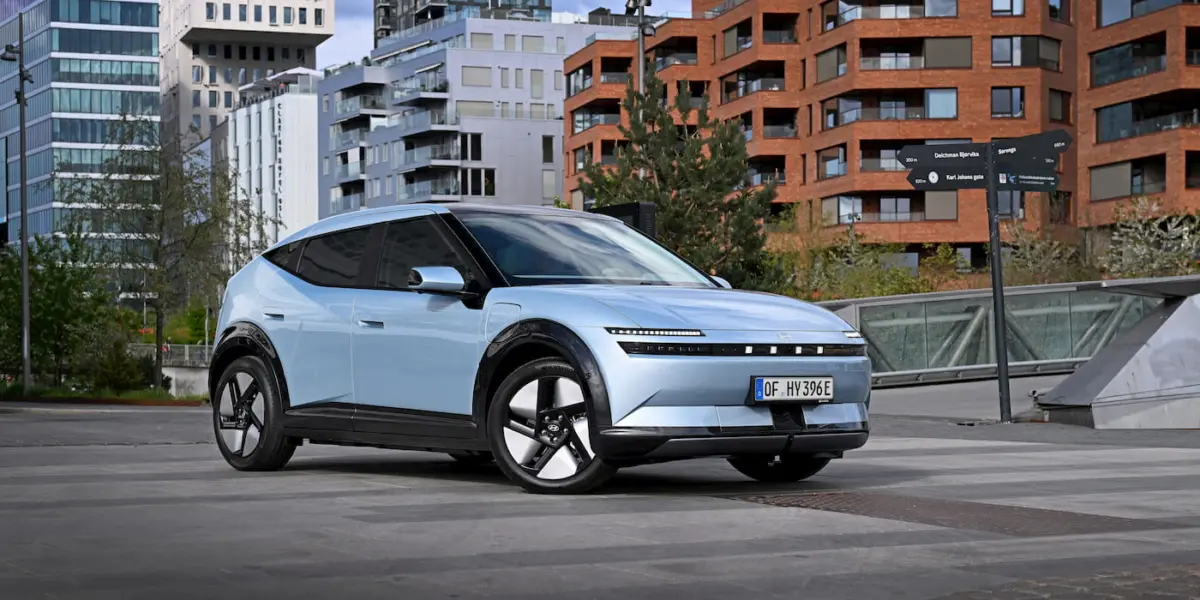
LONDON & THE HAGUE — In what is rapidly shaping up to be a defining moment for the mass-market electric vehicle sector, Hyundai has officially opened order books for the heavily anticipated IONIQ 3. Touted as the brand’s new entry-level electric hatch, the vehicle enters the European market with an aggressive starting price of approximately £22,245 (roughly $30,000 USD).
According to corporate disclosures released by Hyundai in July, the IONIQ 3 has already generated "the highest-ever level of customer interest recorded for a new Hyundai model"—surpassing the pre-launch buzz of any internal combustion engine (ICE) or electric vehicle in the brand’s storied history. Designed specifically to make zero-emission mobility accessible to a broader demographic of European households, the compact EV blends striking aerodynamic styling, smart interior packaging, and next-generation software architecture.
However, as European consumers rush to secure build slots, automotive analysts and North American EV enthusiasts are left looking across the Atlantic, confronting a stark geographical divide in vehicle availability.
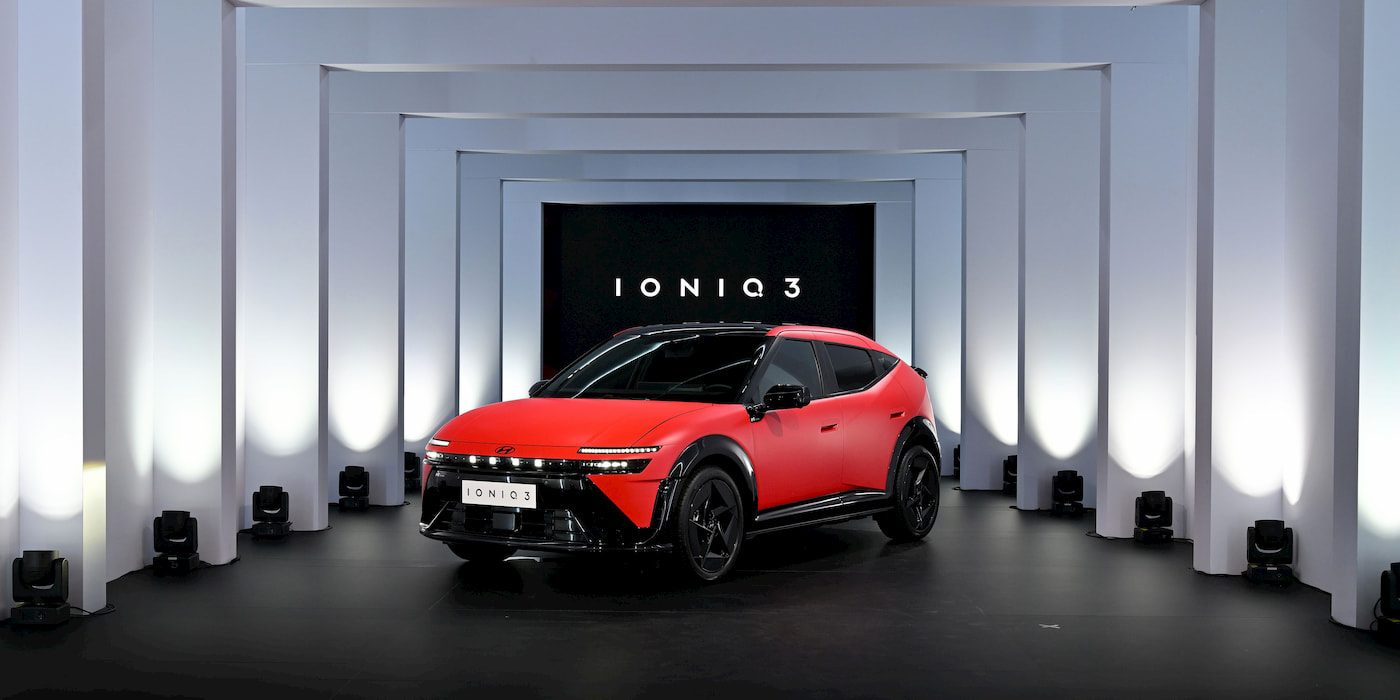
Main Facts: Pricing, Trims, and Specifications
The IONIQ 3 arrives in the UK and European markets structured around flexibility, offering two distinct battery capacities and four to six trim levels depending on the regional market.
At its core, the vehicle is built upon a cost-effective 400-volt electrical architecture—a strategic departure from the 800-volt systems found on its larger sibling, the IONIQ 5. This engineering choice allows Hyundai to keep manufacturing overhead low, translating directly into consumer savings. Despite the 400V setup, DC fast charging capabilities remain robust, allowing the vehicle to replenish its state-of-charge from 10% to 80% in approximately 29 to 30 minutes.
Battery and Range Options
- Standard-Range Battery (42 kWh): Paired exclusively with the entry-level Advance trim, this pack delivers a WLTP-certified driving range of up to 213 miles (343 km).
- Extended-Range Battery (61 kWh): Available across higher trims (Premium, Ultimate, and N-Line Evo), this larger pack pushes the vehicle’s driving range up to an impressive 308 miles (495 km) on a single charge.
UK Pricing and Trim Breakdown
- Advance (42 kWh): £22,245 (~$29,800) | 213 miles range
- Advance (61 kWh): £25,745 (~$34,500) | 308 miles range
- Premium (61 kWh): £27,445 (~$37,000) | 308 miles range
- Ultimate (61 kWh): £29,945 (~$40,000) | 308 miles range
- N-Line Evo (61 kWh): £31,945 (~$42,700) | 308 miles range
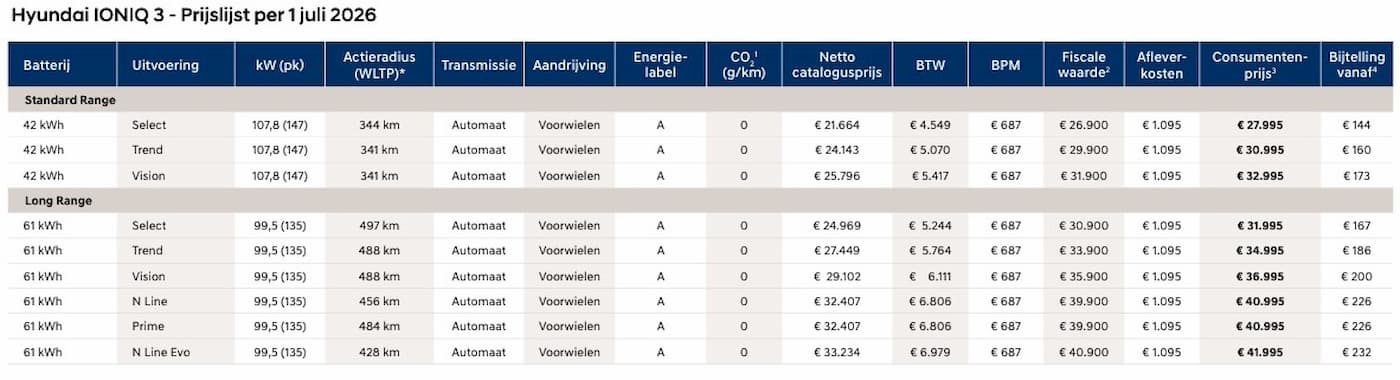
Continental European markets mirror this aggressive pricing structure. In the Netherlands, base prices start at €27,995 (~$32,000), spread across six unique trims: Select, Trend, Vision, N-Line, Prime, and N-Line Evo. Meanwhile, German consumers can acquire the vehicle starting at €28,950 (~$33,000), with Hyundai facilitating adoption through competitive monthly lease rates starting as low as €209 per month.
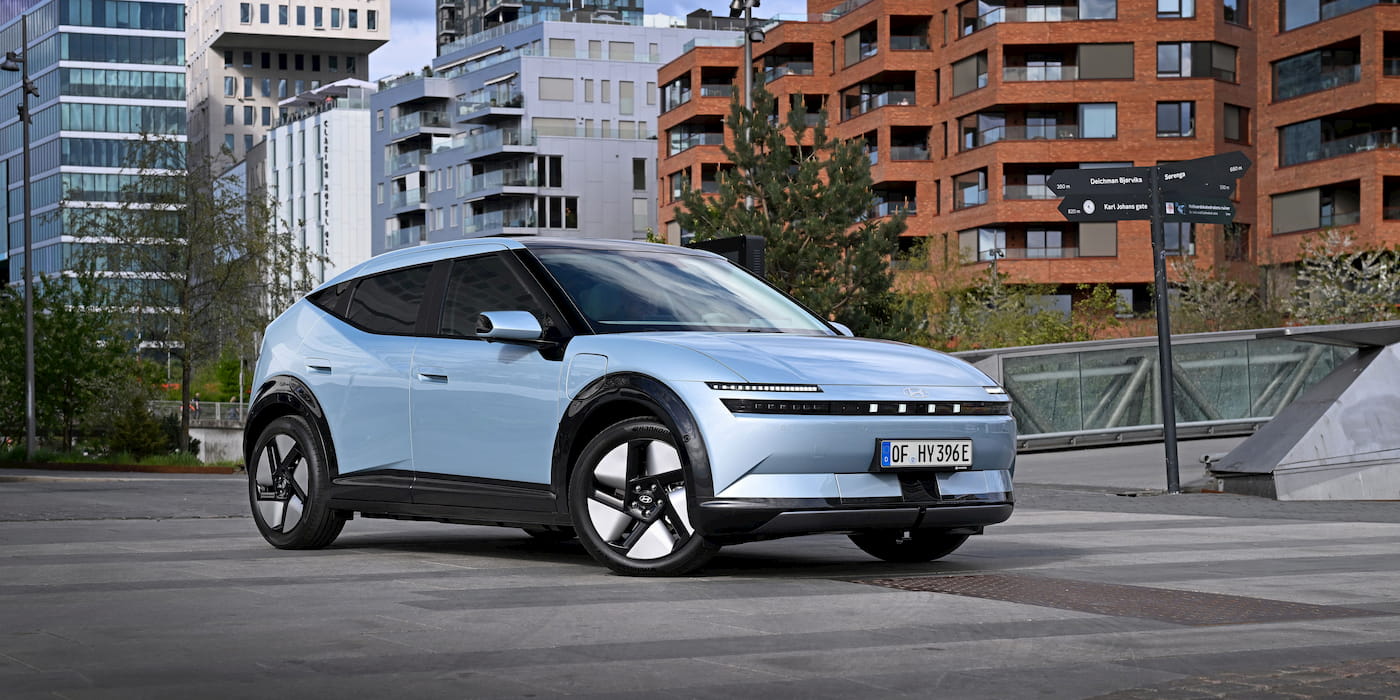
Chronology of the IONIQ 3 Launch
The path to the IONIQ 3’s commercial debut has moved at a breakneck pace, reflecting Hyundai’s urgency to capture the burgeoning affordable European EV segment.
- Late July 2026: Hyundai officially reveals the global pricing structure of the IONIQ 3, simultaneously announcing that consumer pre-interest has shattered all previous corporate records for both EV and gas-powered models.
- August 14, 2026: Mass production officially kicks off at Hyundai’s manufacturing facility in Izmit, Turkey. Initial facility output is projected at 30,000 units annually, with future production lines slated to build the next-generation BAYON and i20 models by next year.
- Late August to Early September 2026: Official order books open across the United Kingdom, the Netherlands, Germany, and select European territories.
- Mid-September 2026: The first wave of customer delivery vehicles is scheduled to arrive at European dealership showrooms, marking the physical market rollout of Hyundai’s first-ever compact IONIQ hatchback.
Supporting Data & Engineering: Design, Dimensions, and Technology
While the IONIQ 3 serves as the compact sibling to the wildly popular IONIQ 5, it introduces an entirely fresh aesthetic philosophy. Crafted under Hyundai’s new "Art of Steel" design language, the vehicle introduces an "Aero Hatch" silhouette that completely reimagines the traditional compact car profile.
Aerodynamics and Footprint
The vehicle achieves a class-leading drag coefficient of just 0.263. This aerodynamic efficiency not only maximizes battery range but also expands cabin ergonomics.
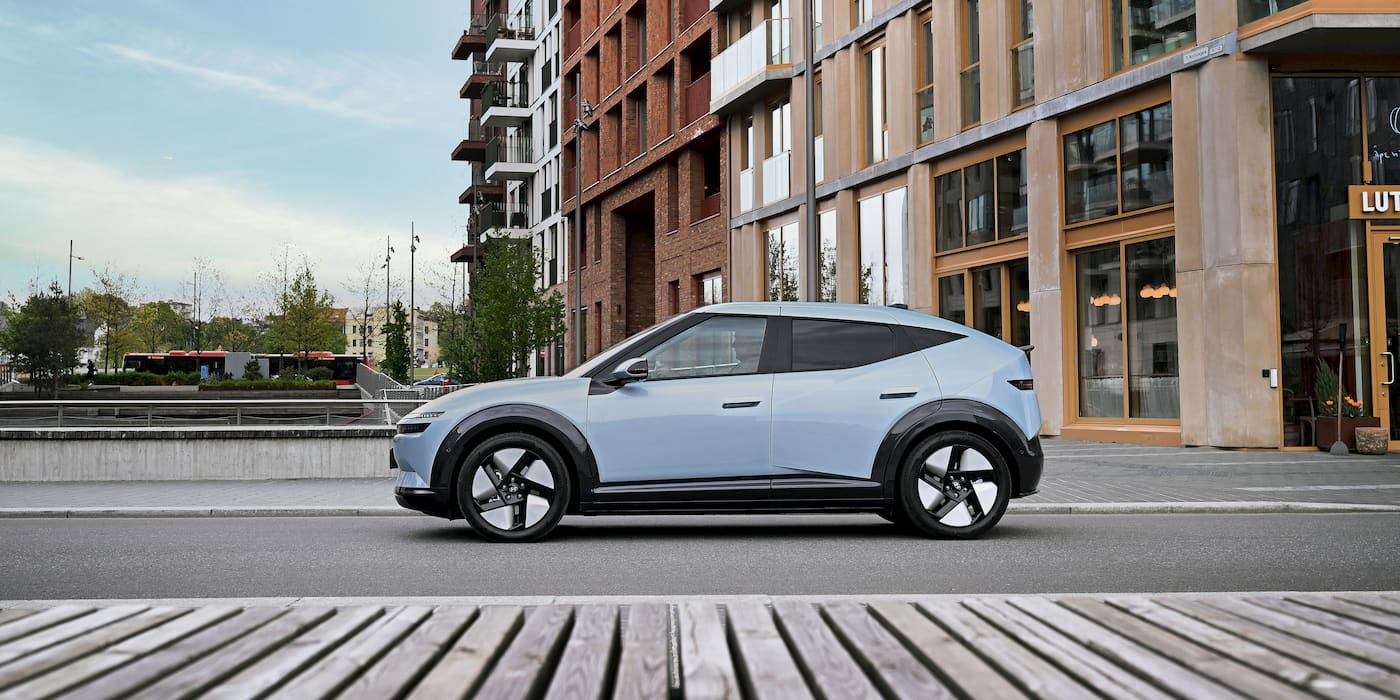
- Length: 4,155 mm (163.5 inches)
- Width: 1,800 mm (70.9 inches)
- Height: 1,505 mm (59.3 inches)
- Wheelbase: 2,680 mm (105.5 inches)
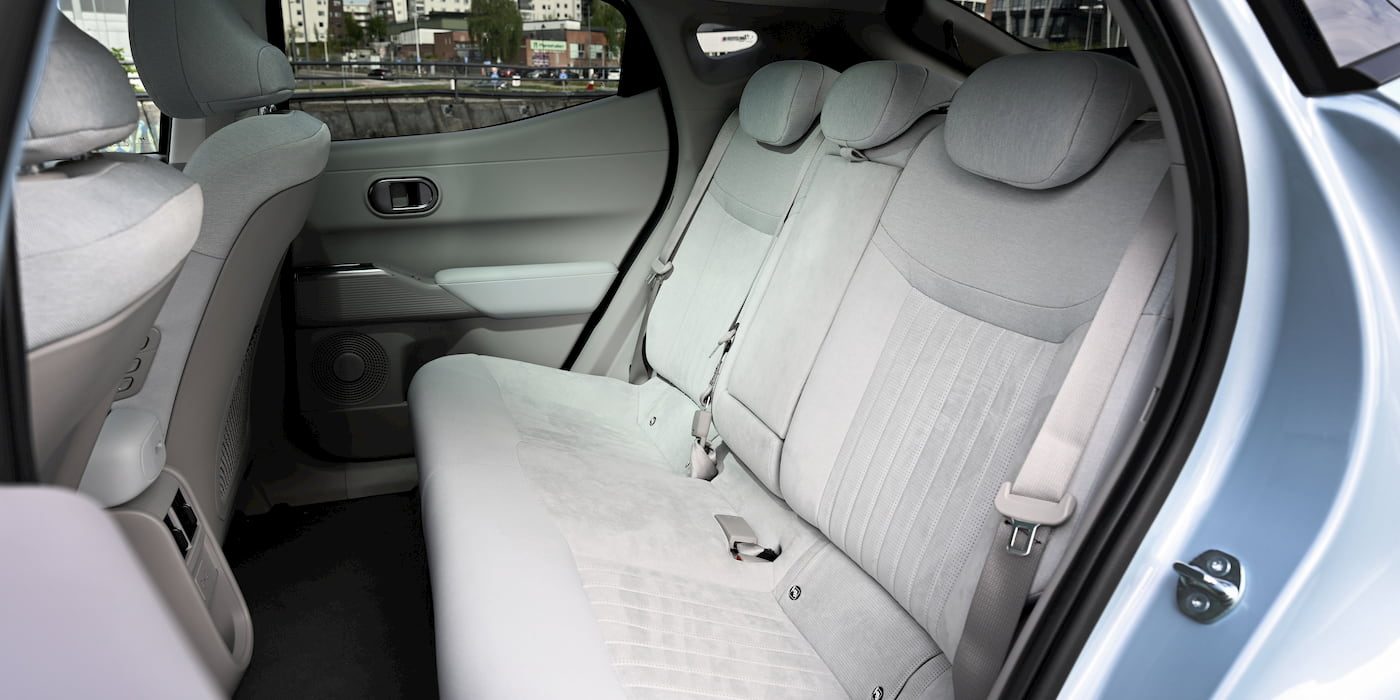
In terms of physical footprint, the IONIQ 3 is slightly more compact than its corporate cousin, the Kia EV3, as well as the Chevrolet Bolt EV. Yet, clever packaging yields an impressive total boot capacity of up to 441 liters, supplemented by practical interior solutions like an underfloor "Megabox" storage compartment.
Next-Gen Software: Pleos Connect
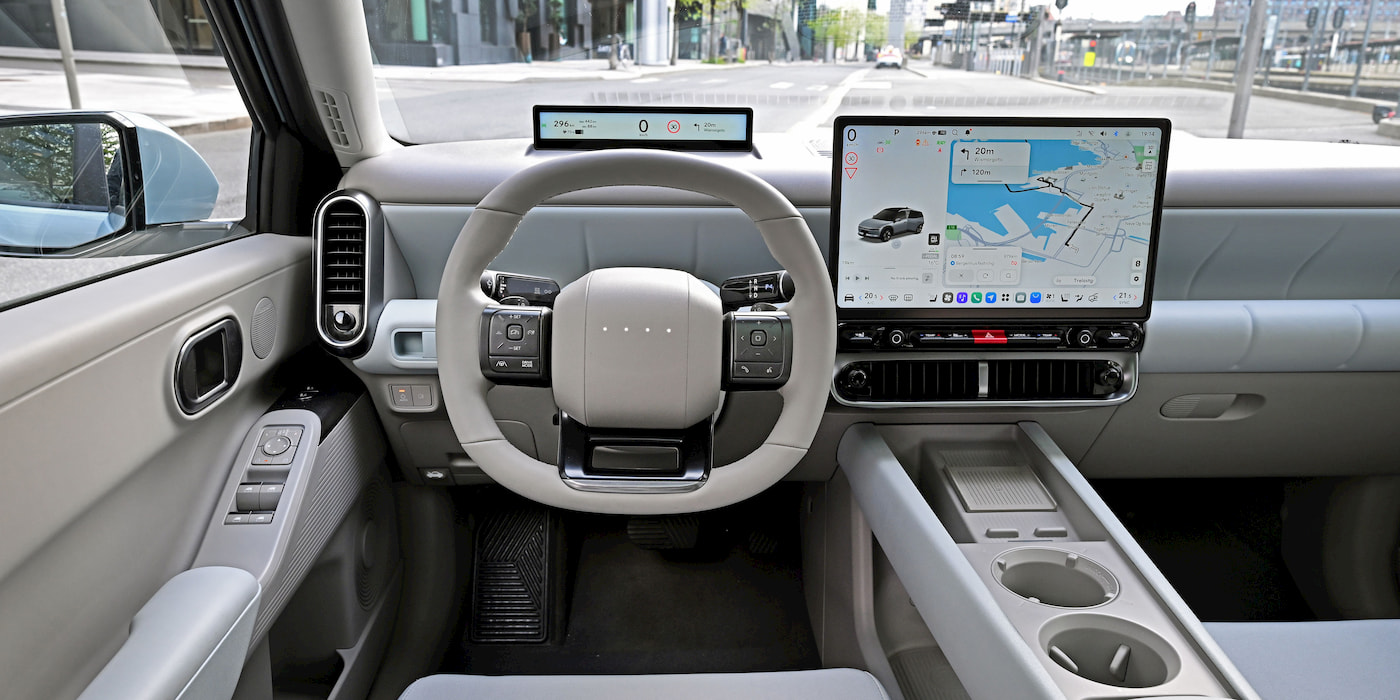
Significantly, the IONIQ 3 marks a major technological milestone as the first Hyundai vehicle in Europe and the UK to feature the brand’s proprietary Pleos Connect infotainment system.
Built on the Android Automotive OS framework, Pleos Connect ditches traditional, clunky automotive UI in favor of a smartphone-like experience characterized by deep app integration and highly customizable user screens—drawing direct design philosophies from Tesla. Drivers interact with the system via a choice of a 12.9-inch or 14.6-inch center touchscreen, complemented by an optional driver instrument display.
Additional tech features include:
- Hyundai Digital Key 2 (transforming smartphones into vehicle keys)
- Plug & Charge functionality for seamless public charging sessions
- An integrated EV Route Planner for hassle-free long-distance travel
- Vehicle-to-Load (V2L) capability, allowing the car to power external electrical appliances, tools, or camping equipment.
Official Responses and Executive Insights
The strategic importance of the IONIQ 3 cannot be overstated, a sentiment echoed directly by Hyundai’s regional leadership.
Ashley Andrew, President of Hyundai and Genesis UK, emphasized the democratizing effect of the new hatchback during the launch announcement:
"The IONIQ 3 delivers genuine EV innovation at a price point that makes electric mobility attainable for even more households. We have engineered this vehicle to compromise on neither style, range, nor digital capability, ensuring that transitioning to an electric vehicle is an effortless choice for our customers."
Industry analysts have similarly praised Hyundai’s timing. With legacy automakers struggling to profitably scale under-€30,000 electric vehicles, Hyundai’s utilization of its established Izmit production plant in Turkey provides a vital geographic and cost-saving advantage, allowing them to bypass heavy import duties on vehicles shipped from Asia while keeping labor and supply-chain expenditures optimized.
Implications: The Great Geographic Divide
Despite the celebratory tone echoing across European showrooms, the launch of the IONIQ 3 highlights a glaring geographical disparity that will frustrate consumers in North America.
Why the IONIQ 3 Is Not Coming to the US
The IONIQ 3 has been explicitly designed, engineered, and manufactured in Europe, for the European market. Consequently, exporting the vehicle to the United States is financially untenable.
Furthermore, trade policy realities—including stringent import tariffs maintained under the current political landscape—would erode the vehicle’s razor-thin budget margins, rendering its sub-$30,000 price point impossible to maintain stateside.
Alternative Options for North American Buyers
While American buyers will undoubtedly miss out on this specific European hatchback, the broader EV landscape in the US remains robustly competitive:

- The Hyundai IONIQ 5 Advantage: Unlike the European-built IONIQ 3, Hyundai manufactures the award-winning IONIQ 5 domestically at its cutting-edge "Metaplant" facility outside Savannah, Georgia. This localized production qualifies the vehicle for various consumer incentives, helping keep its starting price competitive near the $35,000 mark while cementing its status as one of the best-selling and most popular EVs in the United States.
- The Kia EV3 Alternative: Hyundai’s corporate sister company, Kia, has officially rolled out the 2027 model-year Kia EV3 in the American market, offering a similarly sized, highly capable budget-friendly electric crossover starting at an aggressive $29,890.
The Bottom Line
As European dealerships prepare to hand over keys to the first wave of IONIQ 3 buyers later this month, Hyundai has laid down a definitive marker for the budget EV sector. By refusing to compromise on range, aerodynamic design, and advanced Android-based software, the IONIQ 3 proves that affordable electric motoring does not have to feel like an automotive punishment. For Europe, the electric transition has just taken a massive, highly accessible leap forward.
