

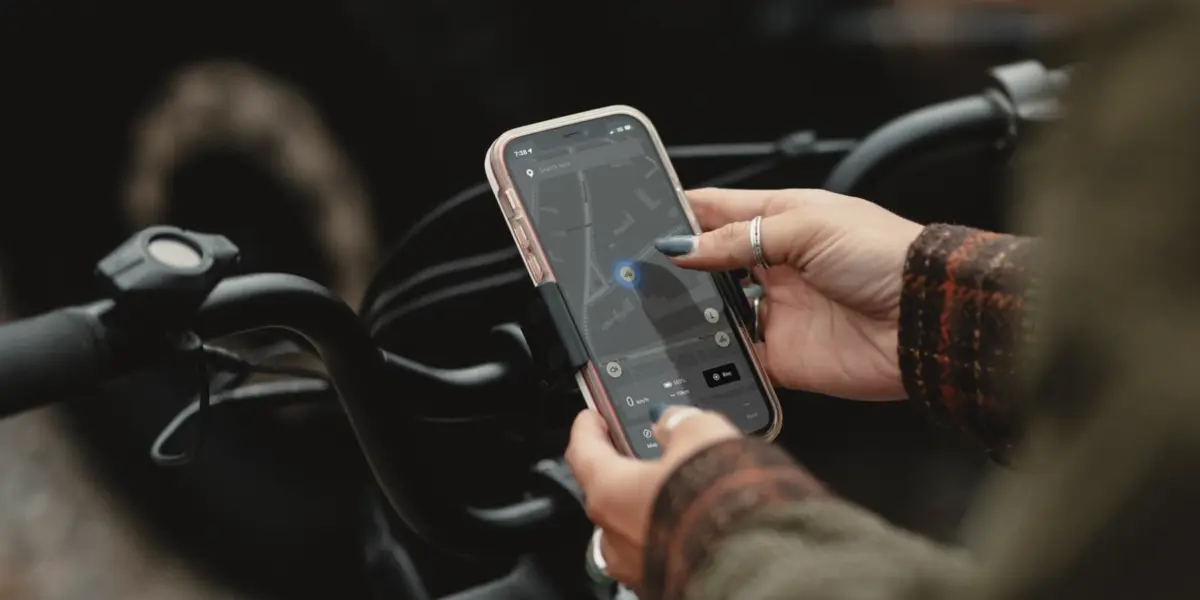
E-bike theft remains an ongoing epidemic in urban centers worldwide, serving as a persistent headache for commuters and recreational riders alike. Traditional physical security measures—heavy-duty chains, hardened steel U-locks, and folding locks—remain the essential first line of defense.
However, seasoned cyclists and security experts alike acknowledge a sobering truth: no physical lock is completely impenetrable. When a dedicated thief bypasses a lock and vanishes into the urban sprawl, the game changes instantly from prevention to recovery.
Enter Comodule, an Estonia-based connected vehicle specialist that has quietly powered the Internet of Things (IoT) infrastructure for more than 850,000 light electric vehicles over the past eleven years. The company has officially pulled back the curtain on its next-generation IoT hardware platform, Astra.
Engineered specifically to tackle the vulnerabilities of modern micromobility, Astra introduces a suite of groundbreaking features. Most notably, it boasts an unprecedented 12-month standby tracking capability, advanced urban positioning technologies, and electronic immobilization tools designed to render stolen e-bikes useless.
Main Facts
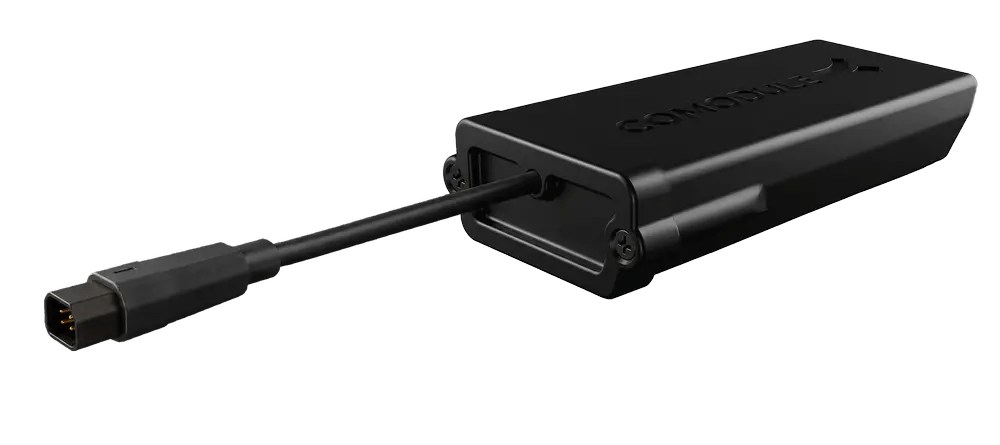
The Astra hardware platform represents a major technological leap forward for integrated e-bike connectivity and security. Designed to be built directly into the frame of next-generation electric bicycles, Astra acts as an intelligent nerve center communicating seamlessly with the bike’s drive system, battery, and smartphone ecosystem.
Key specifications and capabilities of the Astra platform include:
- 12-Month Standby Tracking: Through advanced power management algorithms, the security and tracking modules can remain operational for up to a full year while the bike is sitting dormant or in storage, even if the primary e-bike battery is critically low or detached.
- Wi-Fi Locate Technology: Supplementing traditional satellite positioning (GNSS), Astra integrates Wi-Fi positioning to drastically improve location accuracy in environments where satellite signals fail—such as dense downtown concrete canyons, indoor storage rooms, and subterranean parking garages.
- Cat-1bis Cellular Connectivity: This modern cellular standard ensures reliable data transmission in difficult reception zones, spanning deeply urbanized environments and remote rural regions alike.
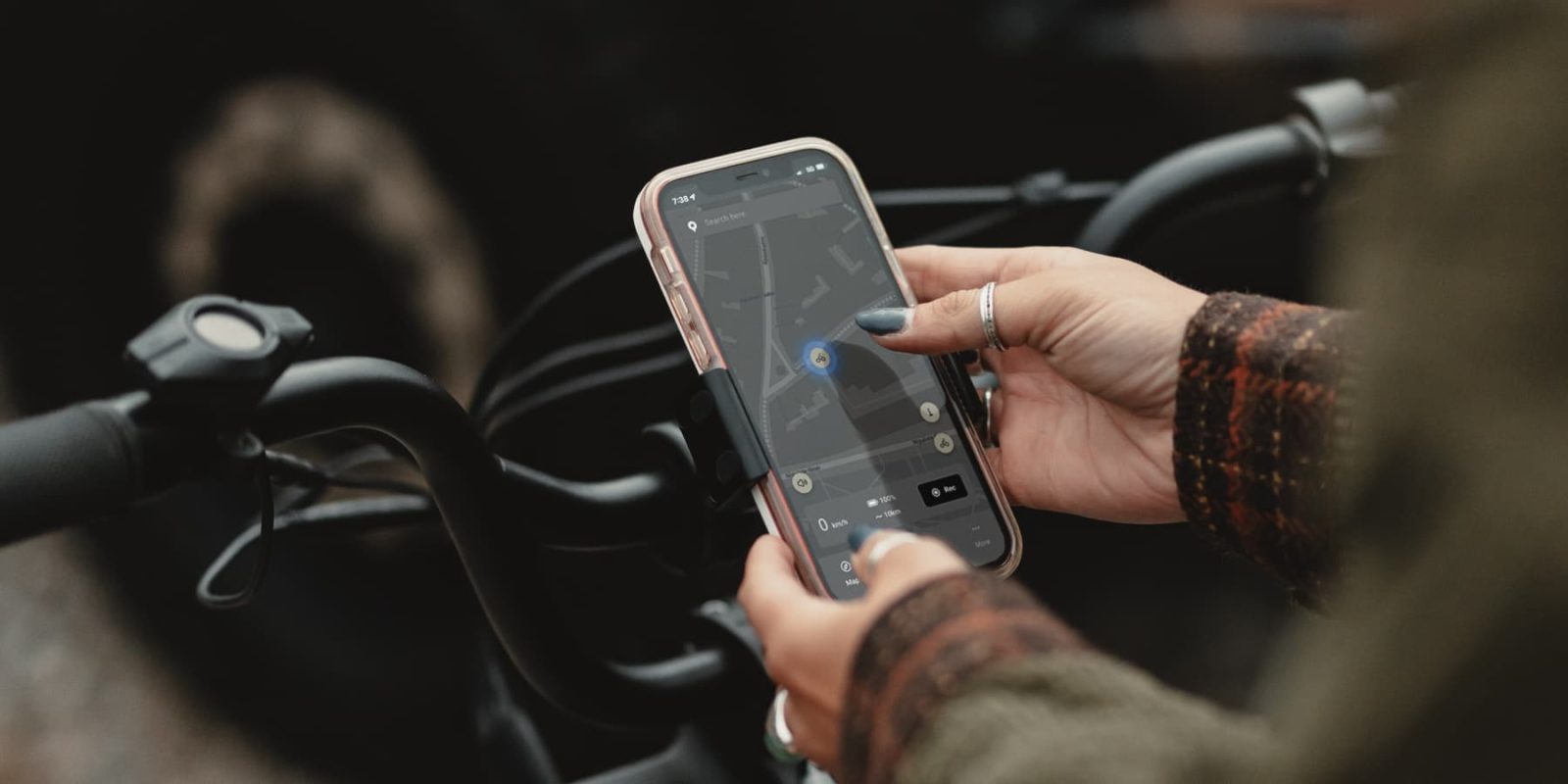
- Electronic Immobilization & Smart Locking: Depending on how manufacturers integrate the system, riders can execute remote electronic lockouts, trigger anti-theft alarms, share digital keys, and view live diagnostic data through dedicated smartphone applications.
- Comprehensive Ecosystem Integration: The platform supports digital bike passports, stolen vehicle recovery services, and native API/SDK software tools that allow bicycle brands to either use Comodule’s pre-built backend app or seamlessly merge Astra into their proprietary apps.
Comodule is currently offering hands-on demonstrations of the Astra platform to bicycle manufacturers, targeting integration into model year 2028 e-bike lineups.
Chronology of Innovation: Comodule’s Path to Astra
To understand the significance of the Astra launch, it helps to examine the evolutionary arc of connected micromobility and Comodule’s foundational role within the industry.
The Early Years (2015–2018)
Founded in Estonia, Comodule entered the market when connected e-bikes were still in their infancy. While consumer-facing brands captured media headlines, Comodule positioned itself as a business-to-business (B2B) invisible engine. The company specialized in designing durable cellular hardware modules and cloud software capable of handling telemetry data for shared e-scooter fleets and premium e-bike brands.
The Rise of Fleet Electrification and Shared Mobility (2019–2022)
As shared micromobility exploded globally, reliability became paramount. Comodule refined its hardware to withstand extreme weather, constant vibration, and network disruptions. During this period, the company crossed major milestones, ultimately connecting over half a million light electric vehicles worldwide. However, their technology was primarily optimized for fleet operators rather than individual retail consumers.
The Consumer Security Shift (2023–2025)
As e-bike adoption surged among individual consumers—driven by surging gas prices, climate consciousness, and urban congestion—the rate of sophisticated e-bike thefts skyrocketed. Standard GPS trackers available on the market suffered from two fatal flaws: short battery lifespans that required frequent recharges, and poor indoor signal penetration.
Recognizing that retail buyers needed automotive-grade security tailored to two-wheeled vehicles, Comodule engineers began developing an architecture that prioritized ultra-low power consumption and multi-layered positioning.
The Unveiling of Astra (September 2026)
Comodule officially announced Astra, targeting model year 2028 production cycles. By moving past traditional GNSS-only tracking and introducing a 12-month deep-storage tracking mode, Astra represents the culmination of over a decade of telemetry refinement.
Supporting Data: Why Astra Addresses Real-World Vulnerabilities
To appreciate why Astra’s feature set is generating buzz across the cycling industry, one must look at the specific failure points of conventional e-bike tracking solutions currently available to riders.
The Battery Life Dilemma
Simple consumer trackers like Apple AirTags or Tile devices offer multi-month or year-long battery life, but they rely on passive Bluetooth mesh networks (such as the Find My network). In rural areas, isolated highways, or regions with low smartphone density, passive tags are essentially useless.
Conversely, active GPS trackers that rely on continuous cellular communication consume vast amounts of power. Traditionally, these hardwired trackers drain an e-bike’s battery or internal backup cells within one to two months if the bike is left unridden.
If a stolen bike is stashed in a remote storage unit, garage, or shipping container for several months while law enforcement builds a case or thieves wait for the heat to die down, traditional active trackers inevitably go dark. Astra’s sophisticated sleep states and intelligent power management solve this bottleneck, maintaining location awareness for a full 12 months without requiring active rider maintenance.
The Urban Canyon and Indoor Tracking Problem
GPS signals rely on a direct line of sight to multiple satellites orbiting Earth. When a stolen e-bike is dragged into an apartment building stairwell, an underground parking garage, or a dense city center surrounded by high-rise skyscrapers, standard GPS accuracy can degrade from a precise pinpoint to a frustrating 100-meter radius circle.

By integrating Wi-Fi Locate technology alongside Cat-1bis cellular connectivity, Astra cross-references surrounding Wi-Fi router signatures and cellular tower triangulation. This allows the system to resolve location coordinates down to the specific floor of an apartment complex or the exact corner of a commercial warehouse—the precise granularity required for law enforcement to recover stolen property successfully.
Official Responses and Industry Perspectives
While Comodule operates largely behind the scenes as a B2B supplier, the implications of its technology ripple outward to bicycle manufacturers, insurance providers, and everyday riders.
Industry analysts note that bike theft is one of the primary deterrents holding back mainstream consumers from investing in premium, high-end e-bikes. When a consumer drops $4,000 to $8,000 on a high-torque cargo or commuter e-bike, the psychological friction of potential theft is immense.
Speaking on the launch of the platform, Comodule representatives emphasized that security must be holistic rather than reactionary.
"Physical security slows a thief down, but connected intelligence ensures accountability and recovery," a Comodule product strategist noted during early manufacturer briefings. "With Astra, we wanted to eliminate the blind spots. Whether a bike sits unridden in a dark garage for a year or gets dragged deep into a concrete basement, the owner and authorities should never lose sight of it."
Furthermore, insurance companies have taken notice. Insurers increasingly demand robust, OEM-integrated anti-theft systems before underwriting comprehensive theft policies for high-value e-bikes. By offering secure digital bike passports, tamper-resistant hardware architecture, and electronic immobilization, Astra positions partnering bicycle brands to secure more favorable insurance rates and coverage options for their retail customers.

Broader Implications for the Future of Micromobility
The introduction of hardware platforms like Astra points toward a broader transformation in how personal electric vehicles are viewed, managed, and protected.
1. Shift Toward Software-Defined Bicycles
For decades, bicycles were viewed as purely mechanical commodities. The rise of e-bikes transformed them into electrical appliances, and technologies like Astra push them firmly into the category of "smart devices." Features such as digital keys, remote electronic immobilization, and over-the-air (OTA) diagnostics mean that the value of an e-bike extends far beyond its physical frame and motor.
2. Deterrence Through Inutility
Stolen e-bikes are often stripped for parts or fenced cheaply on secondary online marketplaces because thieves know that recognizable frames are too hot to ride. However, when an e-bike can be electronically immobilized via a cloud dashboard—rendering the motor controllers, battery management system, and display completely unresponsive—the black-market resale value plummets to zero. Thieves targeting Astra-equipped bikes will quickly realize that the stolen asset is nothing more than an expensive, heavy paperweight.
3. Layered Security is the New Standard
Despite the marvels of IoT tracking, industry veterans agree that technology should never encourage complacency. The consensus among cycling safety advocates remains grounded in a multi-tiered approach:
- Physical Deterrence: Use two high-grade, Sold Secure-rated locks (such as heavy chain locks or folding locks) to anchor the frame and wheels to an immovable public fixture.
- Immediate Awareness: Utilize smart alarms and motion-sensitive notification apps that alert the owner the moment an unauthorized person begins tampering with the bicycle.
- Recovery and Tracking: Rely on advanced, deep-storage IoT trackers like Astra to silently log coordinates, penetrate indoor dead zones, and guide authorities directly to the stolen asset if the physical defenses are compromised.
As manufacturers prepare their model year 2028 lineups, platforms like Astra signal that the era of the vulnerable, easily fenceable e-bike may finally be coming to an end. For urban commuters and cycling enthusiasts alike, that offers a welcome measure of peace of mind on the open road.
