

Introduction: The Convergence of Labor Shortages and Fleet Decarbonization
As the modern global supply chain navigates an era of unprecedented transformation, third-party logistics (3PL) providers face a dual-pronged crisis: a persistent, nationwide shortage of qualified yard operators and mounting pressure to eliminate carbon emissions. Even the most efficient logistics experts are searching for innovative ways to keep freight moving safely and sustainably.
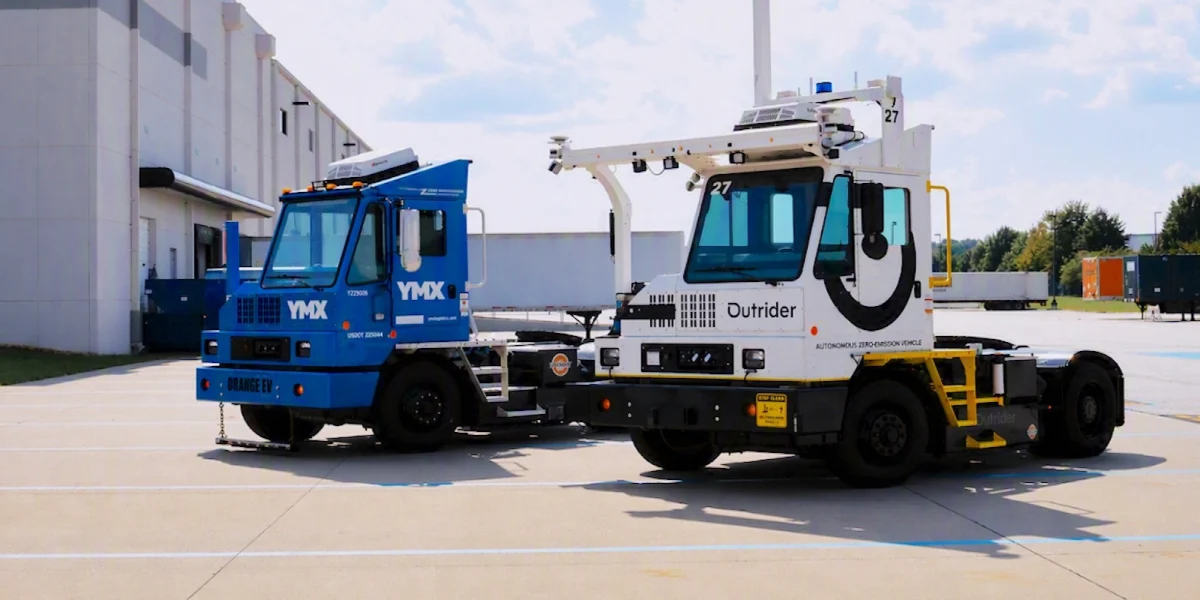
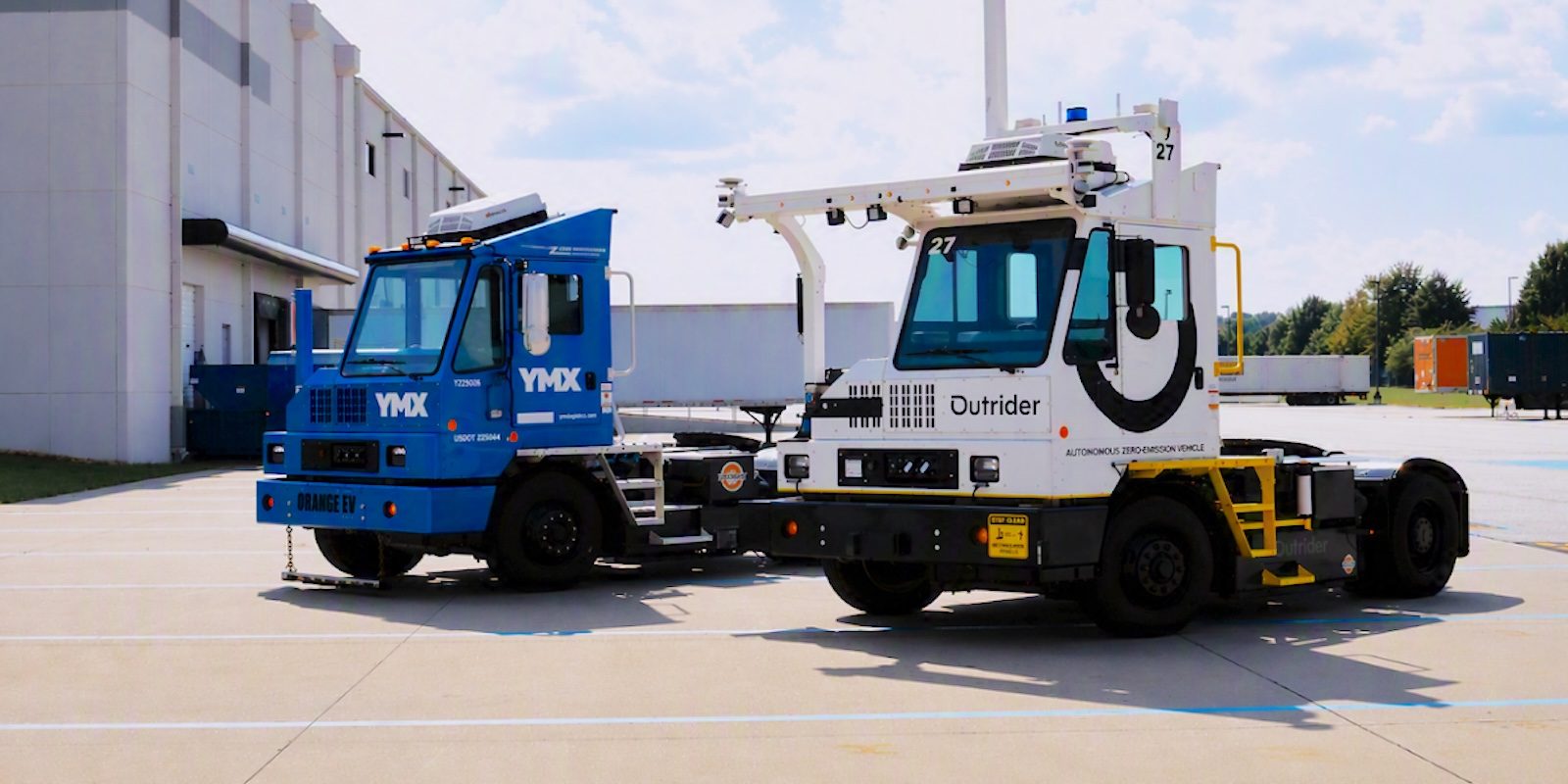
Enter a groundbreaking strategic partnership between 3PL leader YMX Logistics and artificial intelligence pioneer Outrider. Under a newly minted five-year commercial agreement, the two companies are set to deploy self-driving, zero-emission yard trucks across enterprise customer facilities. This collaboration marries YMX’s robust operational framework with Outrider’s cutting-edge autonomous technology, utilizing an existing fleet of all-electric Orange EV Class 8 heavy trucks.
By integrating physical AI into distribution yards, the partnership promises to reshape how heavy freight is managed, offering a turnkey solution that tackles labor deficits, drastically cuts operational emissions, and shields shippers from volatile diesel prices.
Main Facts: The YMX and Outrider Partnership
At its core, the collaboration between YMX Logistics and Outrider is designed to transition standard distribution yards into highly automated, zero-emission ecosystems.
- The Partnership Structure: A five-year commercial agreement deploying autonomous technology across select enterprise customer yards.
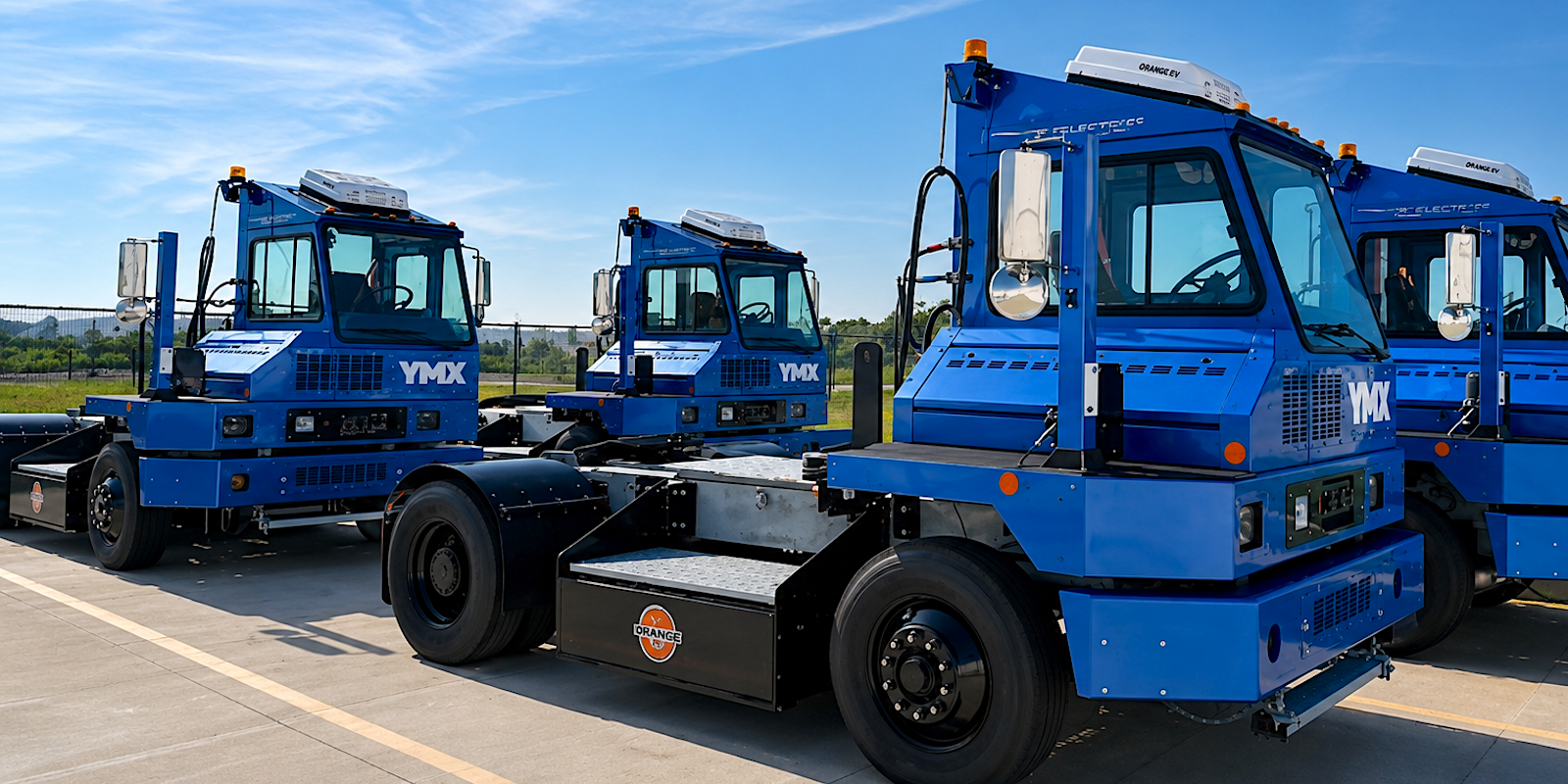
- The Hardware: The deployment relies on all-electric Orange EV Class 8 yard trucks (commonly known as "yard dogs"), which YMX already utilizes in its fleets.
- The Technology Stack: Outrider’s proprietary autonomous system equips these trucks with a robust sensor suite—combining LiDAR, radar, and high-resolution cameras—running on NVIDIA DRIVE hardware.
- Safety Validation: Rather than relying solely on traditional highway safety frameworks, the Outrider system’s functional safety has been rigorously evaluated and aligned with the Autonomous Vehicle Conformity Framework by independent testing giant TÜV SÜD.
- The Core Objectives: Mitigate the severe shortage of human yard drivers, optimize supply chain productivity, eliminate direct carbon emissions, and insulate shippers from spiking diesel costs.
Chronology: How the Autonomous Yard Revolution Unfolded
The road to fully autonomous, electrified yard operations has been paved by steady technological milestones and growing industrial necessity.
Phase 1: The Rise of Electrification in Distribution Yards
For years, distribution yards relied heavily on aging, diesel-powered internal combustion engine (ICE) trucks. These vehicles were notoriously noisy, expensive to fuel, and significant contributors to local air pollution. The initial shift began when pioneering fleets adopted all-electric alternatives, such as Orange EV yard trucks, to meet corporate sustainability goals and curb maintenance overhead. Companies like YMX recognized early on that transitioning to electric power was not merely an environmental statement, but a fundamental business imperative.
Phase 2: Identifying the Bottleneck—The Yard Driver Shortage
While electric trucks solved tailpipe emissions and reduced fuel exposure, supply chain managers soon hit a structural human resource ceiling. Finding, training, and retaining qualified yard operators became increasingly difficult. Distribution yards—busy, enclosed industrial environments where trailers are constantly shunted between loading docks and parking spots—were ripe for automation. However, developing an autonomous system robust enough to handle unpredictable yard conditions remained a formidable engineering challenge.
Phase 3: The Outrider Technological Leap
Outrider emerged as a category leader by focusing exclusively on distribution yard automation. By developing sophisticated autonomy kits designed specifically for the repetitive, rigorous tasks of yard shunting, the company bypassed the regulatory and technical quagmires associated with long-haul, open-highway self-driving vehicles. Their platform matured through rigorous testing in diverse operational environments, culminating in advanced perception systems capable of safely interacting with human workers, traditional semi-trucks, and sprawling warehouse infrastructure.
Phase 4: The Five-Year Commercial Agreement
The culmination of these technological advancements is the current alliance between YMX and Outrider. By building upon the Orange EV platform already familiar to YMX operations, the two companies have shortened the adoption curve. Beginning this year, enterprise customers utilizing YMX services will see self-driving electric yard trucks integrated directly into their daily supply chain workflows, setting a new standard for industrial automation.
Supporting Data and Economic Realities: Bypassing the Fuel Rollercoaster
The timing of this partnership is underscored by pressing economic and environmental metrics within the logistics sector.
The Diesel Price Volatility Factor
Logistics operators face constant margin pressures dictated by fossil fuel markets. With national average diesel prices hovering around $6.38 per gallon, fleet managers are actively seeking ways to decouple their operational overhead from petroleum pricing. Electrification offers an immediate hedge. Recent industry data highlights the massive long-term savings associated with electric fleet transformations; for instance, major enterprise investments in electric commercial vehicles are projected to yield hundreds of millions of dollars in diesel expenditure savings over their lifecycles.
The Engineering Behind the AI
To achieve complete autonomy in a complex, unstructured yard environment, Outrider’s system relies on a multi-layered perception stack:
- LiDAR (Light Detection and Ranging): Provides precise 3D point-cloud mapping of the environment, measuring distances to trailers, obstacles, and personnel with millimeter accuracy.
- Radar: Ensures reliable object detection and tracking regardless of weather conditions, such as heavy rain, fog, or dust.
- High-Resolution Cameras: Deliver crisp visual data for sign recognition, lane tracking, and contextual awareness.
- NVIDIA DRIVE Hardware: Serves as the high-performance computational brain, processing vast streams of sensor data in real-time to execute safe driving decisions via Outrider’s proprietary software.
Rigorous Independent Safety Certification
Because yard trucks operate off-highway in private, gated facilities, they are not subject to the same regulatory oversight frameworks as passenger autonomous vehicles regulated by bodies like the NHTSA. However, industrial clients demand uncompromising safety standards. To provide absolute assurance, Outrider subjected its functional safety architecture to TÜV SÜD—a globally recognized, highly stringent independent testing organization. TÜV SÜD determined that Outrider’s autonomy kit strictly aligns with its Autonomous Vehicle Conformity Framework, offering enterprise clients institutional peace of mind.
Official Responses and Industry Insights
Industry leaders from both YMX Logistics and Outrider emphasize that the partnership is rooted in pragmatism, designed to remove technological friction for enterprise shippers.
Matt Yearling, CEO of YMX Logistics, highlighted the strategic value of incorporating advanced artificial intelligence into their existing service offerings:

"Outrider’s self-driving yard trucks are a strategic addition to our Autonomous Yard Operating System, expanding how we use technology to execute yard operations and create value for our customers. We selected Outrider because of its industry-leading approach to system safety, use of advanced AI capabilities across diverse yard environments, and operational maturity."
Andrew Smith, CEO of Outrider, echoed these sentiments, pointing to the acute operational challenges faced by large shippers who often lack the bandwidth to develop and integrate emerging technologies independently:
"Large shippers are focused on running complex operations and often lack the time and resources to evaluate, deploy, and support new technologies themselves. At the same time, supply chain executives and site personnel are eager for safer, more productive yards. YMX has built an exceptional business around delivering turnkey, integrated technology and operating services to enterprise customers. The YMX and Outrider partnership gives enterprise shippers a simple path to deploy and scale physical AI across their yard operations."
Broader Implications for the Supply Chain
The strategic alliance between YMX and Outrider carries significant ripple effects for the broader logistics and manufacturing sectors.
1. The Real-World Deployment of "Physical AI"
For years, artificial intelligence has been associated primarily with software, data analytics, and generative text models. The YMX-Outrider partnership represents a tangible manifestation of "physical AI"—where machine learning algorithms, advanced sensors, and heavy machinery intersect to perform complex, physical labor in the real world. This sets a precedent for how other industrial sectors might automate hazardous or repetitive yard and warehouse tasks.

2. Streamlining the ESG (Environmental, Social, and Governance) Mandate
Corporate sustainability goals are no longer optional; they are central components of corporate governance. By combining zero-emission electric yard trucks with autonomous software that optimizes routing and minimizes idle time, companies can dramatically shrink their Scope 1 emissions. Furthermore, by removing human operators from potentially hazardous industrial yards—where heavy trailers and moving trucks pose continuous safety risks—the partnership directly addresses the "Social" pillar of ESG through enhanced workplace safety.
3. A Blueprint for Turnkey Technology Adoption
One of the greatest barriers to technological advancement in logistics is the friction of integration. Shippers want the benefits of electrification and autonomy, but they rarely want to become systems integrators or fleet maintenance experts. By packaging Outrider’s autonomous software with YMX’s turnkey operating services on top of familiar Orange EV hardware, the partnership provides a frictionless adoption model. Shippers can plug into an existing ecosystem without overhauling their internal engineering capabilities.
Conclusion: Setting a New Standard for Distribution Yards
As the five-year commercial agreement between YMX Logistics and Outrider takes effect, the logistics landscape witnesses a compelling preview of the future. By merging the reliability of all-electric Orange EV heavy trucks with sophisticated, TÜV SÜD-certified AI autonomy, the partnership successfully addresses two of the industry’s most vexing challenges: chronic labor shortages and the urgent necessity of fleet decarbonization.
As these self-driving, zero-emission yard trucks roll into enterprise customer sites this year, they represent much more than a temporary fix for driver deficits. They signal a permanent evolutionary step toward safer, cleaner, and radically more efficient supply chains worldwide.
