

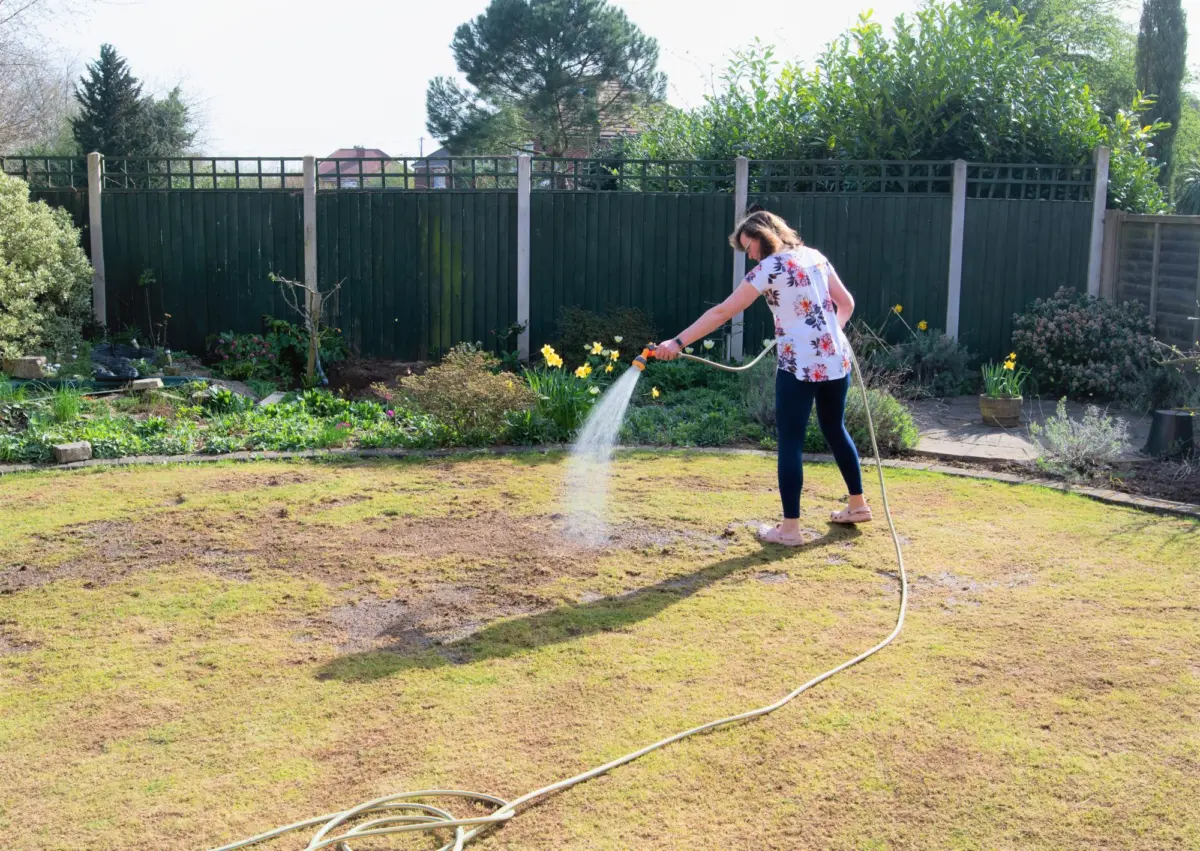
For generations, autumn has been heralded as the golden window for lawn care enthusiasts across North America. Horticultural guides, neighborhood landscapers, and retail garden centers traditionally recommend fall as the optimal season to reseed or overseed residential turf. The logic is sound: the scorching heat of summer has begun to wane, evening temperatures are cooler, and autumn rainfalls historically provide the consistent moisture required for fragile grass seedlings to take root. When executed correctly, overseeding helps crowd out stubborn weeds, fills in unsightly bare patches, enhances curb appeal, and fosters a dense root system capable of withstanding future environmental stressors.
However, modern turf management practices and shifting climate patterns suggest that a blanket recommendation for fall overseeding is no longer a one-size-fits-all solution. Applying grass seed indiscriminately without evaluating underlying site conditions can result in wasted financial investments, extensive labor, and ultimately, a disappointing lawn.
To help property owners navigate these seasonal decisions, leading agronomy and plant science experts have identified specific scenarios where skipping fall reseeding is not only advisable—it is essential for long-term lawn health.
Main Facts: The Truth Behind Fall Overseeding
The primary objective of overseeding is to introduce fresh, resilient grass varieties into an existing turf canopy. Traditionally undertaken every one to three years, this practice offers a multitude of benefits:
- Weed Suppression: A thick, densely packed turf naturally chokes out invasive weeds by blocking sunlight and competing aggressively for soil nutrients and water, reducing the need for chemical herbicides.
- Erosion Control: Dense root networks anchor topsoil securely, mitigating runoff and erosion on slopes or vulnerable garden borders.
- Disease and Pest Resilience: Introducing diverse, modern grass cultivars can significantly improve a lawn’s natural resistance to fungal pathogens and destructive insect pests.
Despite these advantages, professional horticulturists emphasize that fall is not a universal panacea. Throwing seed down blindly can backfire if the lawn’s biological and physical environment is unsuited for germination. Industry professionals point to three major conditions—healthy established turf, warm-season grass varieties, and compromised soil profiles—as clear indicators that homeowners should bypass fall reseeding entirely.
Chronology: The Seasonal Cycle of Turf Management
To understand why fall reseeding can sometimes fail, it helps to examine the biological clock of residential lawns throughout the calendar year:
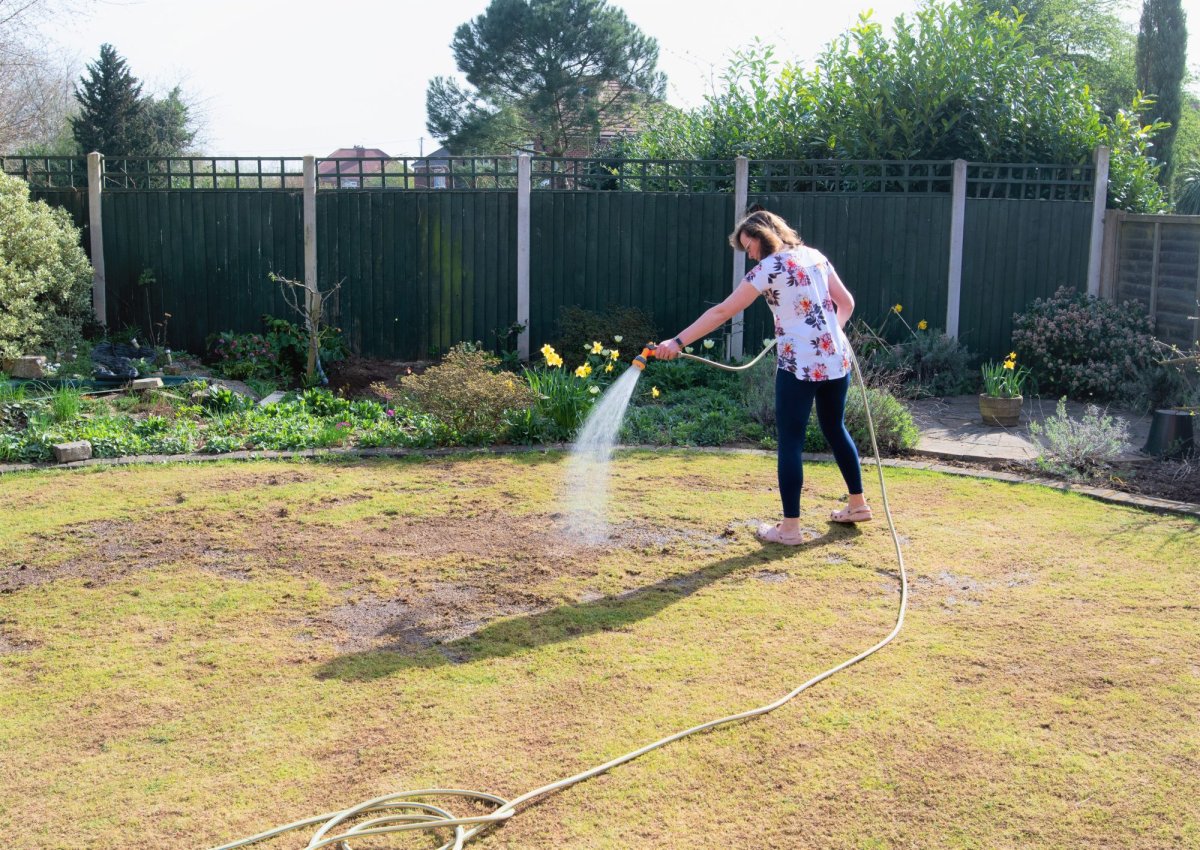
- Spring: As soils warm up, both cool-season and warm-season grasses emerge from winter dormancy. This is a period of rapid vegetative growth, making it a prime time for pre-emergent weed control and light fertilization, though heavy seeding is usually discouraged due to weed competition.
- Summer: High temperatures and drought conditions push many turfgrasses into summer stress or semi-dormancy. Cool-season grasses struggle against heat, while warm-season varieties hit their peak growing phase.
- Late Summer to Early Fall: In ideal conditions, cooling temperatures signal the resumption of vigorous growth for cool-season grasses (such as Kentucky bluegrass, tall fescue, and perennial ryegrass). This narrow window allows roots to establish deeply before the ground freezes.
- Late Fall to Winter: Temperatures drop toward freezing. For cool-season grasses, growth slows drastically, while warm-season grasses (such as Bermuda, zoysia, St. Augustine, and centipede) enter full dormancy to protect themselves from winter frost. Seeds sown too late in this cycle face devastation from foraging birds or lose viability entirely.
Supporting Data: Understanding Grass Types and Soil Mechanics
A successful reseeding project hinges on precise plant identification and soil physics. Misjudging either variable drastically lowers the rate of seed germination and seedling survival.
The Warm-Season vs. Cool-Season Divide
One of the most common mistakes homeowners make is failing to match their reseeding schedule to their turfgrass variety.
"Overseeding is not recommended if you have a warm-season lawn (Bermuda, zoysia, St. Augustine, centipede) because warm-season lawns are heading into dormancy in the fall, not active growth," explains Brian Feldman, senior director of operations and agronomy at TruGreen.
Because warm-season grasses shut down their metabolic processes as autumn temperatures cool, newly introduced seeds cannot compete or establish root systems before winter sets in. Conversely, properties dominated by cool-season grasses benefit immensely from late-summer or early-autumn seeding—provided the work is completed before plunging temperatures diminish seed viability and attract hungry wildlife.
The Dangers of Soil Compaction
Even if the calendar and grass type align perfectly, the physical condition of the earth beneath the turf can derail a reseeding effort. Soil that feels hard underfoot, pools water on the surface after a moderate rain, or resists penetration by a garden fork is severely compacted.
"If so, new grass seed is going to struggle no matter how good the seed is," notes Dr. Russell Sharp, a plant scientist and founder of Eutrema in the United Kingdom.
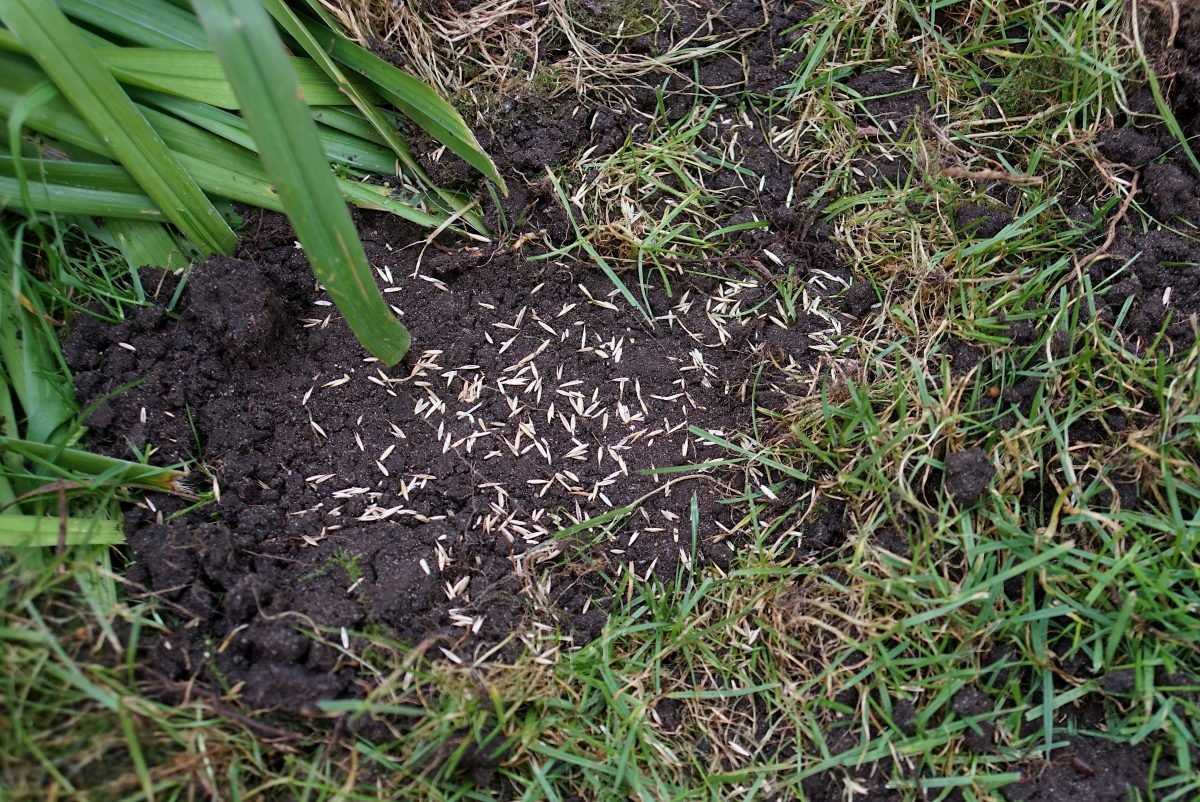
When grass seeds germinate, their embryonic roots must penetrate the soil rapidly to access moisture and anchorage. In compacted earth, these roots remain shallow, leaving the young plants highly susceptible to surface evaporation and structural failure.
"People often assume reseeding will fix a tired-looking lawn," Dr. Sharp explains, "but if the underlying soil is the problem, you’re just putting fresh seed onto the same conditions that caused the grass to thin out in the first place."
Official Responses and Expert Recommendations
Industry leaders advocate for a diagnostic approach to lawn care, urging homeowners to prioritize soil preparation and weather conditions over arbitrary calendar dates.
1. Evaluate the Visual Health of Your Turf
If your current lawn is vibrant, thick, and uniformly green, refrain from unnecessary intervention. "Don’t mess with success," experts advise. Save the financial investment and labor of overseeding exclusively for lawns displaying widespread thinning, bare patches, or declining vigor caused by previous seasonal stress.
2. Address Soil Compaction Prior to Seeding
If compaction is present, mechanical aeration should precede any thought of sowing seed. Aeration extracts small plugs of soil, opening pathways for air, water, and nutrients to penetrate deep root zones.
However, timing is critical here as well. "If that pushes you too late into autumn, I’d wait until spring rather than rush it," Dr. Sharp advises. "You’ll get a much better result from seed going into prepared ground than from throwing it onto a lawn that’s physically too hard for new roots to penetrate."
3. Monitor Soil Moisture Levels
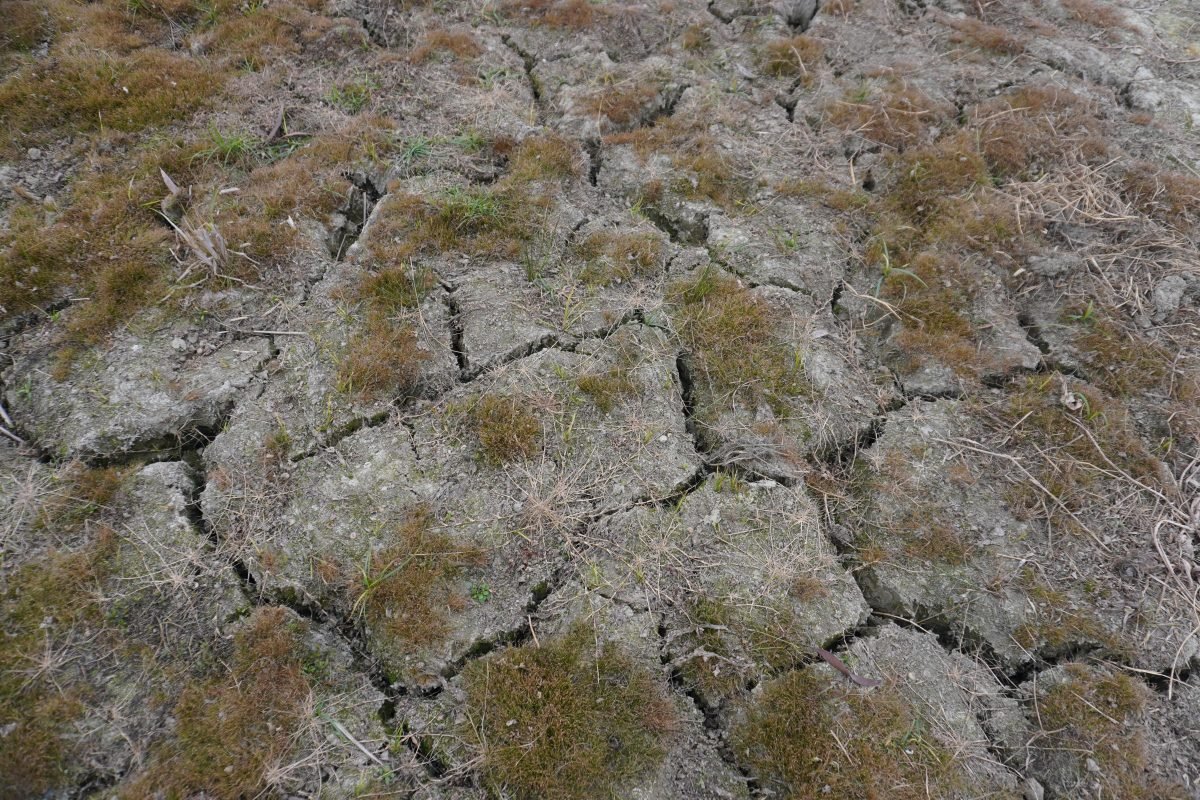
Autumn is favored for its historical moisture reliability, but climate variability means dry spells can persist well into the fall months. Newly germinated grass seeds require continuous, steady moisture.
"If the soil is dusty, cracked, or drying out within a day of watering, germination can be very uneven," Dr. Sharp warns. Property owners should base their timeline on actual soil conditions rather than seasonal assumptions. "The timing should be based on the condition of the soil, not the month. I’d rather wait for genuinely damp, settled weather than sow just because the calendar says it’s autumn."
Implications for Homeowners and the Lawn Care Industry
The shift away from rigid, calendar-driven lawn maintenance toward a condition-based approach carries significant implications for residential property management:
- Cost Efficiency: Homeowners save hundreds of dollars annually by avoiding redundant seed purchases, specialized fertilizers, and excessive water utility bills associated with failed germination projects.
- Environmental Stewardship: Minimizing unnecessary chemical treatments, artificial watering, and repeated soil interventions protects local watersheds from runoff and conserves vital water resources.
- Long-Term Turf Resilience: By focusing first on fundamental soil health—such as alleviating compaction and correcting pH balances—property owners foster deeper, more drought-resistant root systems that naturally require less maintenance over time.
Ultimately, achieving a pristine residential landscape requires patience, careful observation, and a willingness to skip seasonal chores when the underlying environment is unprepared. By listening to agronomic experts and evaluating your specific lawn and soil conditions, you can ensure that your next landscape investment truly bears fruit.
