As the golden days of late summer begin to wane and the final harvest of homegrown tomatoes is pulled from the vine, many gardeners make the mistake of packing away their trowels for the year. The vegetable patch can easily start to look tired and barren, signaling a premature end to the growing season. However, experienced horticulturists insist that the end of tomato season is not the end of your garden’s productivity—it is simply a transition.
According to top gardening and urban agriculture experts, the prime real estate left vacant by exhausted tomato plants offers a golden opportunity. The single best crop to plant immediately in its place is the humble radish. Offering incredible speed from seed to harvest, compact growth habits, and natural pest-deterrent properties through smart crop rotation, radishes are the ultimate late-season secret weapon for a thriving kitchen garden.
Main Facts: Why Radishes Follow Tomatoes Perfectly
The transition from summer nightshades to cool-season root vegetables is one of the most efficient strategies in modern backyard gardening. When tomato plants are cleared out, they leave behind loose, well-worked soil and distinct patches of open space. Radishes thrive in these exact conditions.
Lightning-Fast Harvests: Depending on the specific variety chosen, radishes can mature in as little as 21 to 25 days. This rapid turnaround ensures gardeners can secure a bountiful harvest well before the first autumn frost hardens the ground.
Smart Space Utilization: Because radishes have a remarkably compact footprint, they act as natural gap-fillers. They can be tucked neatly between larger, slower-growing autumn brassicas such as kale, broccoli, cabbage, and Swiss chard.
Zero Heavy Feeding Required: Tomatoes are notorious heavy feeders that deplete soil nutrients. Fortunately, radishes are light feeders. They require no heavy fertilization or soil conditioning before planting, making them low-maintenance successors.
Natural Soil Aeration: As root crops, growing radishes helps naturally break up and aerate the soil around the decomposing root systems of former tomato plants, preparing the earth for future plantings.
Built-In Crop Rotation: Switching from a heavy-feeding nightshade (tomato) to a quick-maturing root vegetable (radish) is a textbook application of crop rotation, helping to naturally disrupt pest lifecycles and suppress soil-borne diseases.
Chronology: A Step-by-Step Late-Season Timeline
Maximizing your garden’s yield after the tomato harvest requires precise timing. Here is how the late-summer-to-autumn gardening window unfolds:
Phase 1: Late August to Early September (The Tomato Clearcut)
As daytime temperatures begin to moderate and tomato production slows down, carefully pull up the old tomato plants. Take care to remove diseased foliage and shake excess soil from the roots.
Phase 2: Soil Preparation and Loosening
Once the tomato vines are cleared, inspect the soil. Foot traffic and root expansion often cause minor compaction. Gently loosen the top layer of soil with a hand fork or cultivator to ensure the upcoming radish seeds have an easy path downward and adequate oxygen for their roots. If you are growing in containers or pots, top off the depleted soil volume with a layer of fresh, high-quality organic compost.
Phase 3: Immediate Sowing (Days 1–3)
Do not let the bare soil sit exposed. Sow your fast-growing radish seeds directly into the freshly cleared patches. Plant seeds roughly half an inch deep, spacing them about an inch apart. Give the bed a thorough, gentle watering to settle the seeds into the earth.
Phase 4: Sprouting and Maintenance (Weeks 1–2)
Keep the soil consistently moist, providing roughly an inch of water weekly, especially if autumn rains are scarce. Position your plants to receive maximum sunlight. Within just a few days, you will notice vibrant green shoots breaking the surface. Thin out overcrowded seedlings so that mature roots have enough room to expand.
Phase 5: The Harvest Window (Weeks 3–5)
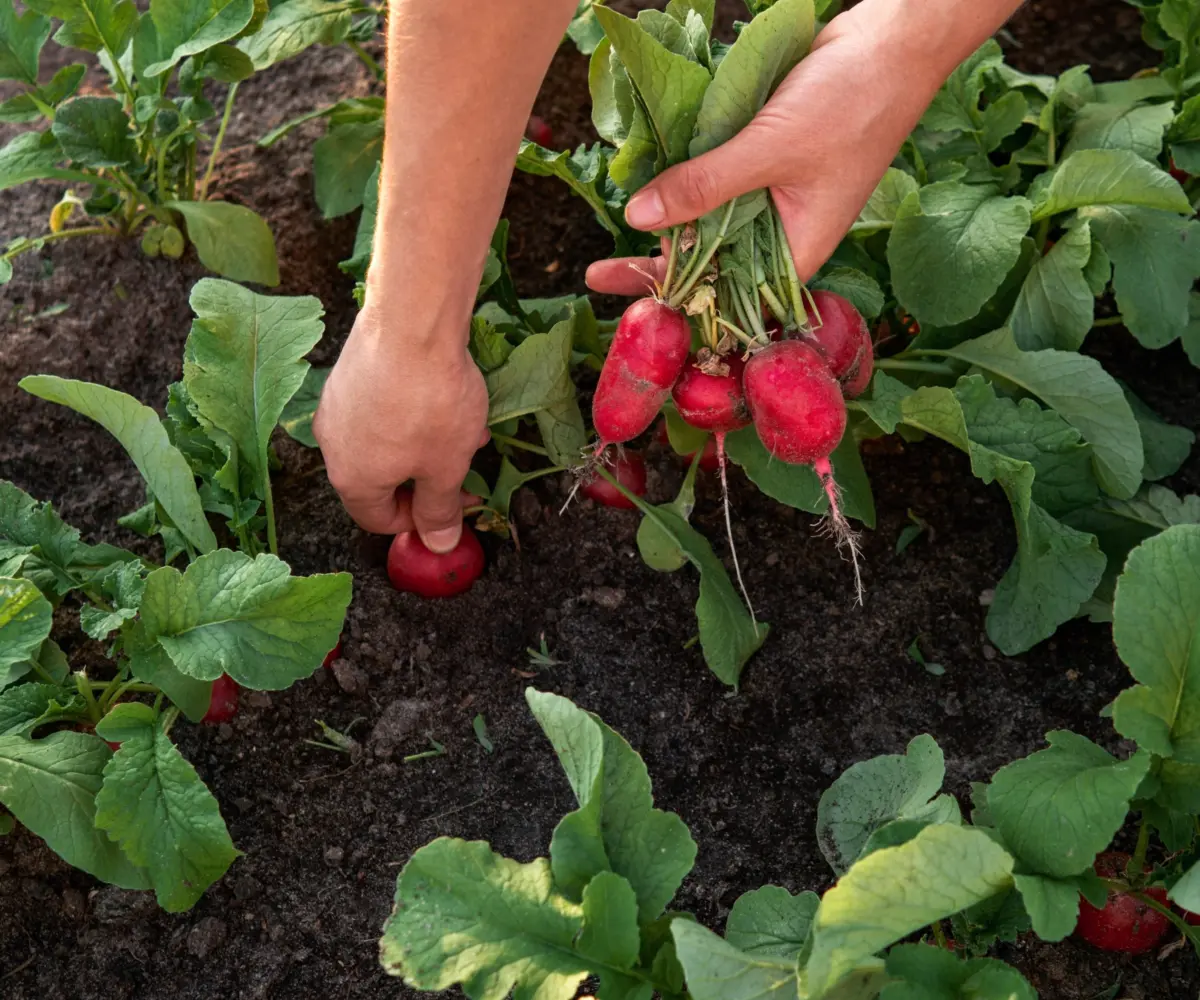
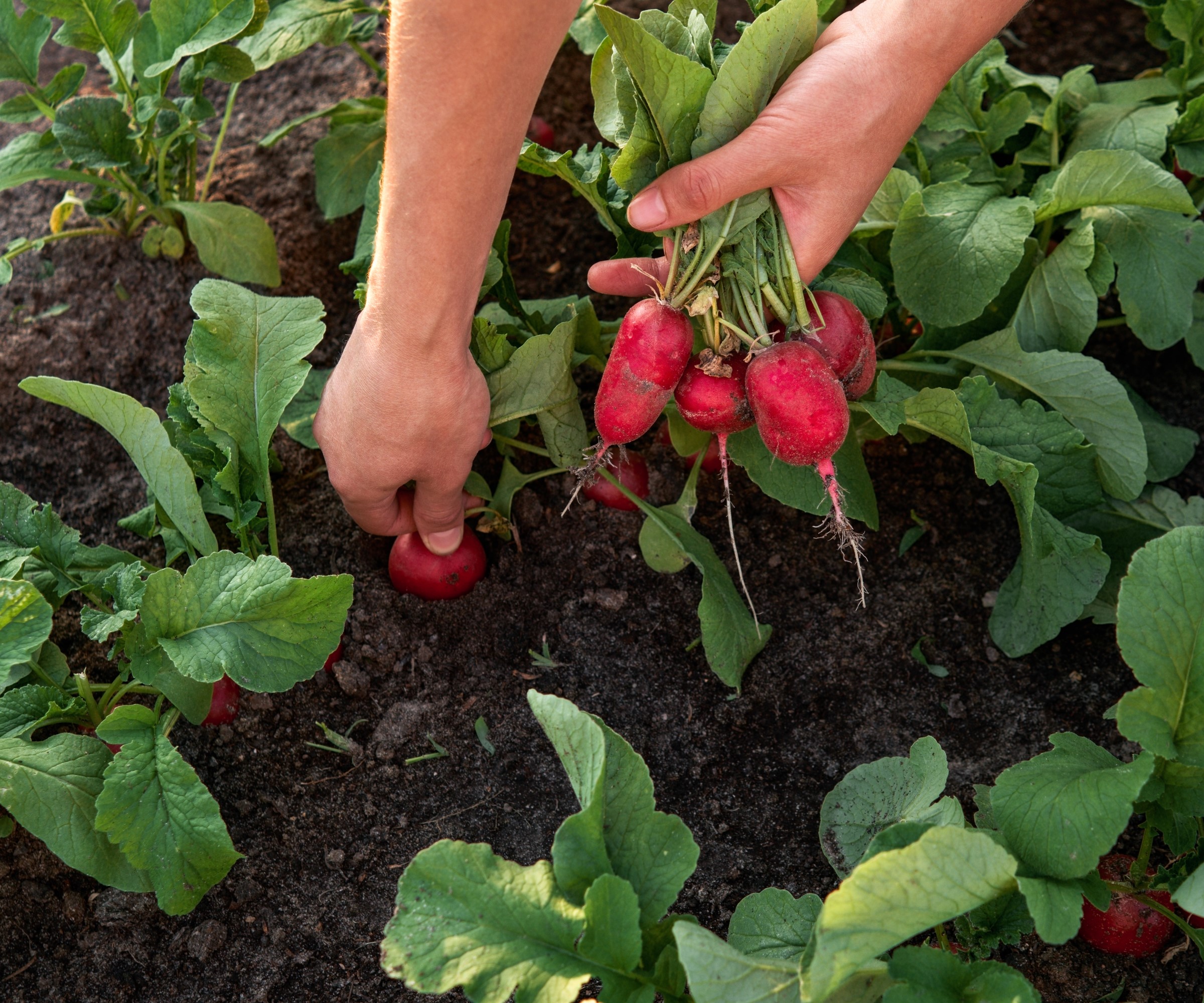
Around day 21 to 28, inspect your crop. You will know the radishes are ready for picking when their "shoulders" begin to push up and break the surface of the soil, reaching roughly one inch in diameter. Pull them promptly; leaving them in the ground too long can result in a woody texture and overly sharp flavor.
Phase 6: The Secondary Sowing (Mid-to-Late October)
Depending on your USDA growing zone (radishes are famously hardy across zones 2 through 11), once your first batch of radishes is harvested, you may have enough ambient warmth left in the season to plant a second consecutive round before hard frosts set in.
Supporting Data: Varieties and Cultivation Insights
Selecting the right cultivar can make or break your late-season radish experiment. According to urban gardening professionals, opting for fast-maturing, resilient varieties is essential for beating the frost.
Top Varieties Recommended by Experts
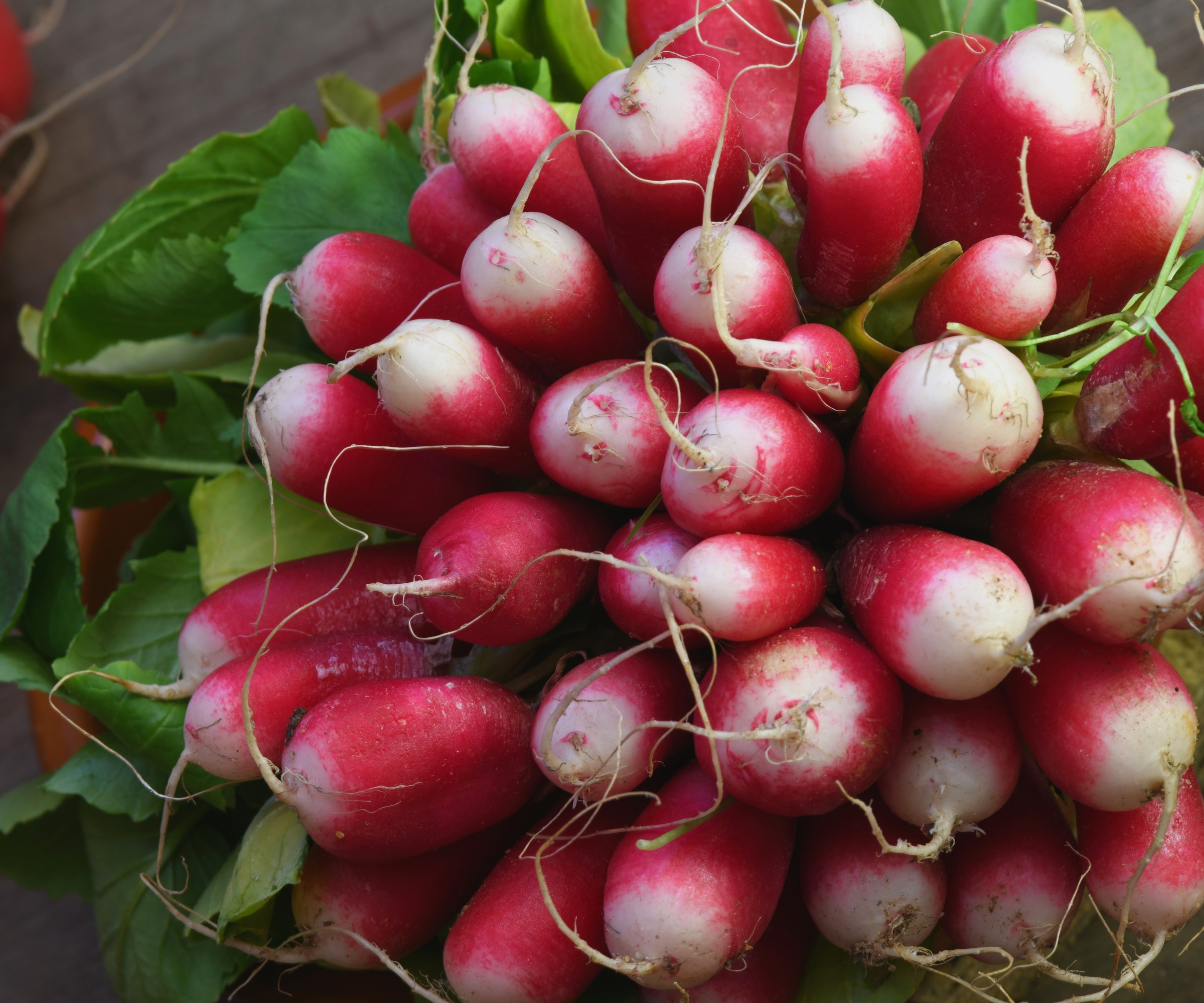
‘French Breakfast’: A favorite among kitchen gardeners, this variety features an elongated, eye-catching shape with distinct white tips. Maturing in roughly 25 days, they provide a delightful, crisp crunch for autumn salads.
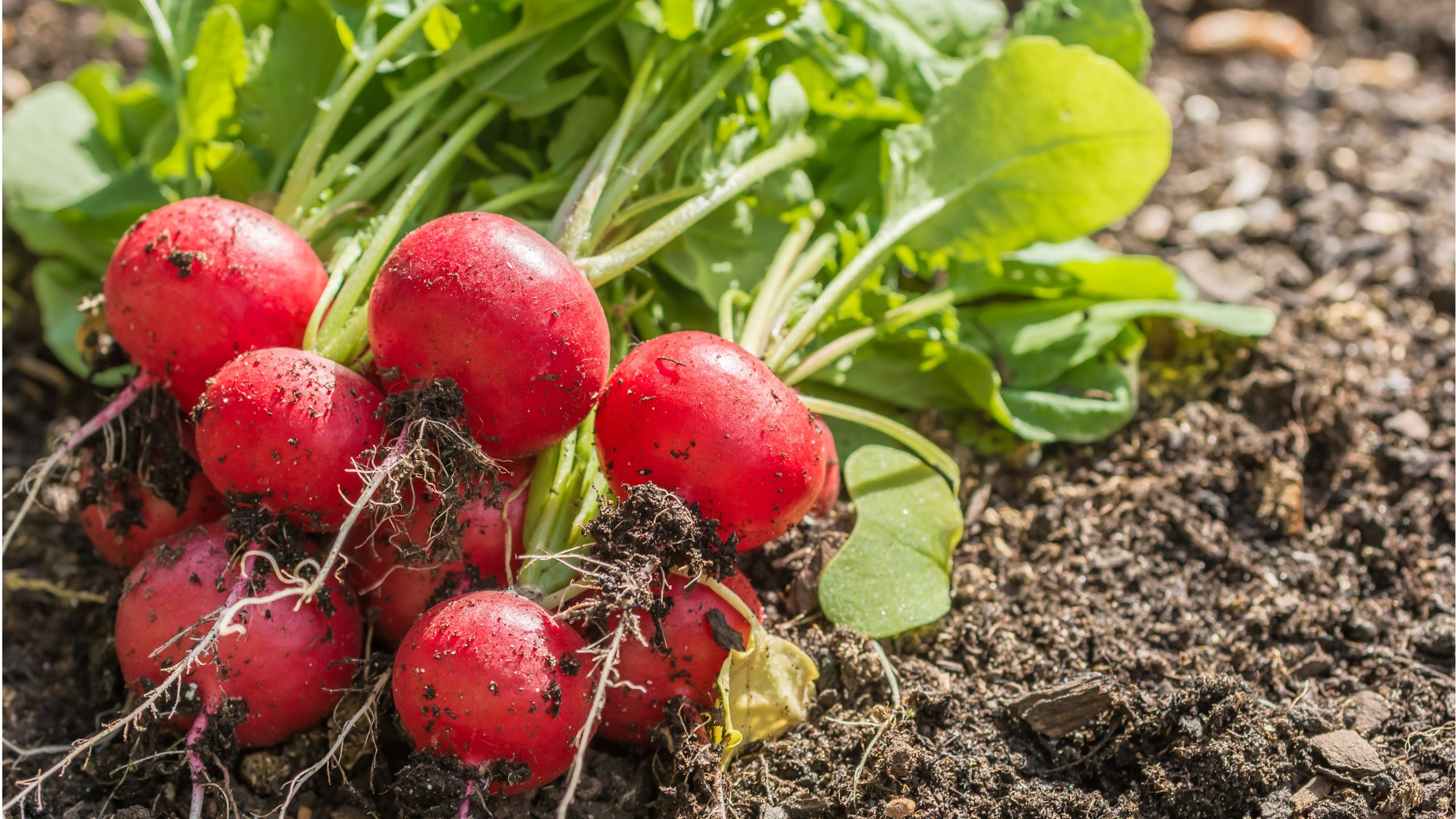
‘Cherry Belle’ and ‘Scarlet Globe’: Classic round red radishes that are remarkably forgiving for beginner gardeners and mature at lightning speed.
‘Crimson Giant’: Ideal for gardeners looking for a slightly larger root without sacrificing growth speed or flavor quality.
Daikon Radishes (Winter Varieties): For those willing to wait a bit longer, daikon radishes take up to 10 weeks to mature. While they require a longer runway, they store exceptionally well in the ground through colder weather and can be cooked and enjoyed much like carrots.
Container and Indoor Options
Radishes do not strictly require a sprawling ground plot. Because of their petite size, they are stellar candidates for urban container gardening. Gardeners with limited outdoor space can easily cultivate them in window boxes, shallow pots, or on sunny indoor windowsills, ensuring fresh greens and roots year-round.
Official Expert Perspectives and Guidance
Industry professionals emphasize that urban agriculture and kitchen gardening do not have to halt just because summer crops are finishing up.
Annette Hird, an urban gardening expert with an Associate Diploma in Horticulture, professional propagator, and garden manager, notes the resilience of the crop:
"Radishes are a good crop to grow after tomatoes because they can easily handle fall temperatures and grow so very quickly. They only take around three to four weeks before they’re ready to harvest, depending on the variety you’re growing. This should be plenty of time to get at least one more crop of radishes before the ground freezes, once again, depending on your growing region."
Hird adds a strategic tip for continuous yields:
"My top tip would be to sow the seeds as soon as the tomatoes are coming to an end and seed another crop after harvesting the first radishes if you still have ambient weather conditions."
Echoing this sentiment, Corinne Beirne, a kitchen gardener, planting coach, and founder of The Nourishes Garden, highlights how radishes serve a functional structural purpose in bed planning:
"They are perfect gap fillers in the veg garden in between larger plants that take longer to grow like Swiss chard, broccoli, kale, and cabbage. My favorite is ‘French Breakfast’; they can be harvested in just about 25 days or so. This variety also happens to look especially pretty for a kitchen garden, with an elongated shape with white tips, making them a great crunchy addition for fall salads."
Implications: Sustainable Kitchen Gardening and Food Security
Transitioning seamlessly from summer tomatoes to autumn root vegetables carries several broader implications for home growers, environmental sustainability, and household food security:
Extended Local Food Production: By utilizing fast-maturing cool-season crops, households can extend their fresh vegetable harvest well into the late autumn months, reducing reliance on store-bought produce.
Soil Health Preservation: Leaving garden beds bare over winter leaves them vulnerable to nutrient leaching, soil erosion, and weed infiltration. Planting cover crops or fast-growing root vegetables like radishes keeps the soil ecosystem active, structured, and biologically vibrant.
Pest and Disease Management: Adhering to strict crop rotation principles—such as alternating heavy-feeding solanaceous plants (tomatoes) with light-feeding brassicas or root crops (radishes)—prevents the buildup of species-specific soil pathogens, reducing the need for chemical interventions or soil sterilizers in subsequent years.
Low Carbon Footprint: Growing high-turnover crops in small spaces, patios, or urban containers minimizes food miles and empowers individuals to participate directly in sustainable, localized urban agriculture.
As the summer fades, don’t let your garden beds sit idle. Clear away the old tomato vines, rake the soil, drop in some quick-witted radish seeds, and enjoy a fresh, crunchy harvest before winter truly takes hold.