


In partnership with American Standard Heating and Air Conditioning
Modern residential construction techniques have revolutionized energy efficiency. By utilizing advanced building materials, higher insulation R-values, and tightly sealed thermal envelopes, contemporary homes drastically minimize energy loss. Overall, this is a profoundly positive development. Homeowners reap the rewards of significantly lower monthly energy bills, optimized indoor temperature control, and a substantially reduced environmental footprint.
However, as structural tightness increases to lock in conditioned air, another critical variable comes into sharp focus: indoor air quality (IAQ). When homes are sealed to trap thermal energy, they also trap airborne particulate matter, moisture, and chemical compounds. For modern homeowners, maintaining an ideal living space requires looking far beyond the digital readout on a living room thermostat. It demands a holistic approach to how air is conditioned, circulated, cleaned, and refreshed.
The Invisible Threat: Decoding Indoor Air Pollution
When the topic of air pollution arises, public perception typically defaults to outdoor imagery: urban smog banks, billowing industrial smokestacks, wildfire smoke, or heavy automotive exhaust. Yet, environmental health studies consistently demonstrate that indoor air can be significantly more polluted than the air outside—sometimes by a factor of two to five times.

While everyday activities like cooking meals, lighting candles, or using household cleaning supplies seem harmless, they continuously introduce micro-particles and chemical vapors into living spaces. Consider the roster of common indoor pollutants:
- Biological Particulates: Dust mites, microscopic pet hair and dander, mold spores, mildew, fungi, and specific strains of airborne bacteria and viruses.
- Domestic Byproducts: Tobacco smoke, cooking grease, fine lint, and settled dust that is constantly re-stirred by foot traffic.
- Chemical Compounds: Volatile organic compounds (VOCs) emitted by fresh interior paints, new carpets, modern synthetic furnishings, and various aerosol cleaning products.
- Infiltrating Pollutants: Outdoor allergens—predominantly tree and grass pollen—that bypass the building envelope via open windows, doorways, on clothing, and on family pets.
When ventilation is restricted by energy-efficient designs, these pollutants accumulate. Without robust filtration and air-exchange mechanisms, circulating air simply redistributes these irritants throughout the home, triggering chronic allergies, asthma attacks, persistent headaches, and general respiratory discomfort.
Chronology of Home Comfort: From Simple Heating to Holistic Air Management
To understand how the HVAC industry arrived at today’s advanced air purification standards, it helps to examine the evolution of residential climate control over the past century.
Era 1: The Age of Basic Thermal Control (Mid-20th Century)
For decades, residential heating and cooling systems operated on a binary premise: heat the air in the winter and cool it in the summer. Systems were largely oversized, single-speed, and inefficient. Thermostats acted as simple switches, turning the furnace or air conditioner on at full blast until the target temperature was met, then shutting down entirely. Air quality was rarely factored into system design, relying instead on drafty windows and doors for natural, albeit uncontrolled, ventilation.
Era 2: The Energy Efficiency Revolution (Late 20th Century)
Spurred by energy crises and rising electricity costs, the 1970s and 1980s introduced stricter building codes. Insulation standards improved, and windows became double- and triple-paned. While utility bills dropped, houses began experiencing "sick building syndrome." Stale air, high humidity, and trapped pollutants became rampant as homes could no longer "breathe" naturally through cracks and gaps in the framing.
Era 3: The Integration of Variable-Speed and Smart Technology (2000s–Present)
The modern era has shifted the HVAC paradigm entirely. Recognizing that temperature is only one component of human comfort, manufacturers began engineering variable-speed motors, smart communicating thermostats, and dedicated indoor air quality accessories. Today, industry leaders like American Standard Heating and Air Conditioning engineer integrated systems where temperature, humidity, ventilation, and advanced filtration operate simultaneously as a unified ecosystem.
Comfort is More Than a Thermostat Setting
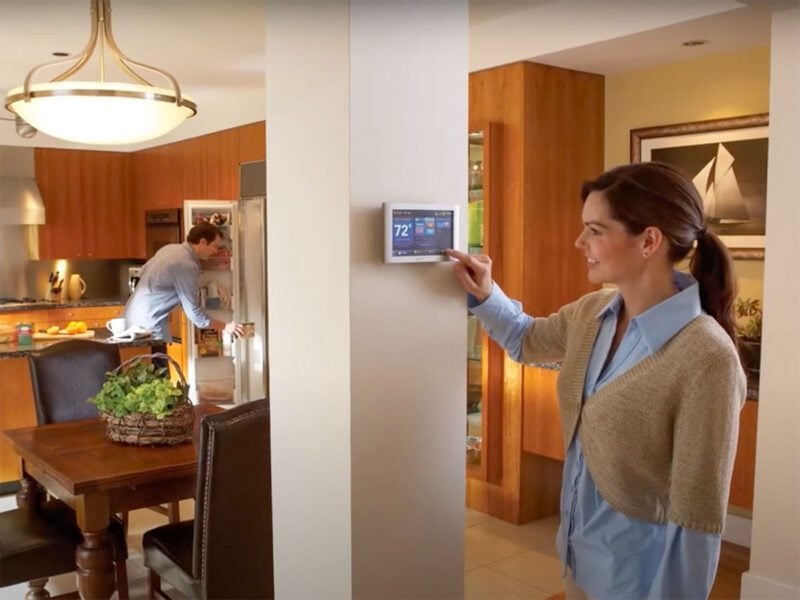
Maintaining a genuinely comfortable indoor environment is not merely a matter of dialing in 72°F on a wall-mounted control panel. True comfort is a delicate equilibrium managed by your HVAC system, balancing four core pillars: temperature, humidity, airflow, and filtration.
+-------------------------------------------------------+
│              THE FOUR PILLARS OF IAQ                  │
+-------------------+-----------------------------------+
│ Temperature       │ Precise target maintenance        │
│ Humidity          │ Ideal range: 30% to 50%           │
│ Airflow           │ Continuous mixing, zero dead zones│
│ Filtration        │ High-efficiency particle capture  │
+-------------------+-----------------------------------+
When an HVAC system successfully balances these elements, the difference is immediately palpable. Humidity levels should consistently hover between 30% and 50%—preventing the clammy discomfort of excess moisture while avoiding the static electricity and dry nasal passages associated with arid winter air.
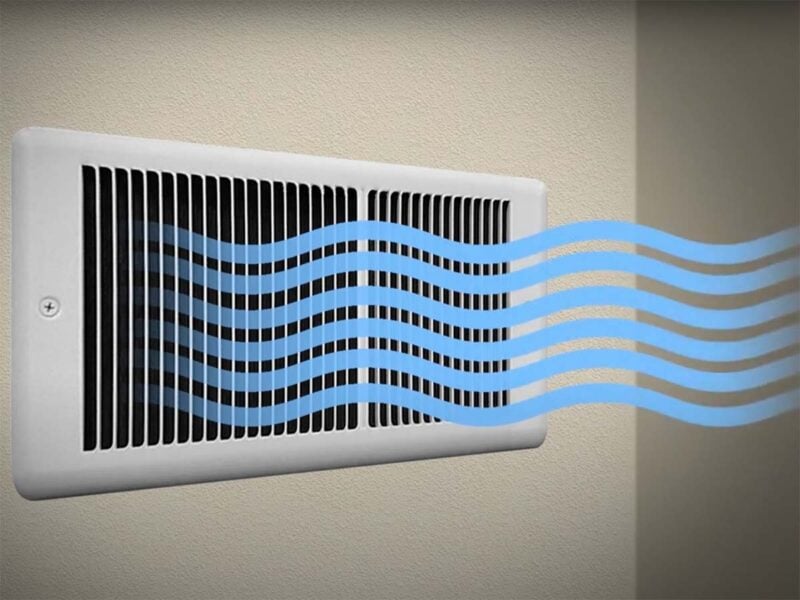
Simultaneously, consistent airflow eliminates thermal stratification (hot and cold spots) by continuously mixing air rather than allowing it to stagnate. Combined with high-efficiency filtration that strips out fine particles, the resulting atmosphere feels lighter, cleaner, and dramatically easier to breathe.
Supporting Data: The Hidden Costs of Poor Air Quality
Industry and medical research underscore the urgent need to address indoor air quality in tightly sealed residential structures:
- The EPA Finding: The U.S. Environmental Protection Agency (EPA) ranks indoor air pollution among the top five environmental risks to public health.
- Allergy Triggers: According to the Asthma and Allergy Foundation of America (AAFA), more than 50 million Americans experience various types of allergies each year, with indoor allergens serving as a primary catalyst for chronic year-round symptoms.
- The Filtration Gap: Standard, low-cost fiberglass air filters installed in many homes are designed primarily to protect the HVAC equipment’s internal blower fan from large debris—not to protect human lungs from microscopic particulate matter (PM2.5), bacteria, or mold spores.
Official Industry Insights: Engineering Cleaner Air
To uncover what it truly takes to optimize indoor air quality, experts point to a three-tiered HVAC framework: Variable-speed heating/cooling units, whole-home ventilation systems, and advanced air filtration.
1. Building a Foundation with Variable-Speed Technology
Traditional single-speed systems operate at maximum capacity or not at all, creating wide temperature swings and short run-cycles that fail to adequately dehumidify or filter the air.
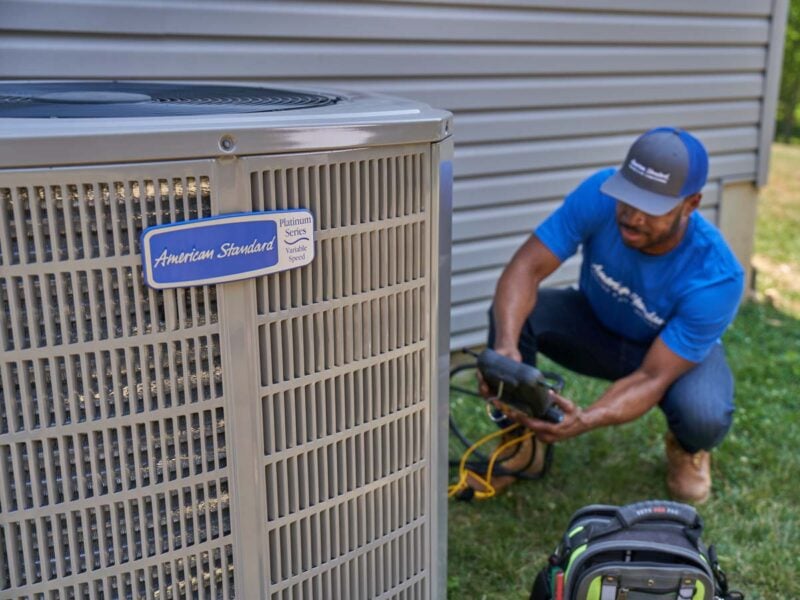
In contrast, advanced systems—such as the American Standard AccuComfort Variable Speed Platinum 20 Heat Pump—operate longer, lower, and more continuously. By automatically modulating their compressor and fan speeds in tiny increments to match real-time thermal loads, these systems maintain exceptionally tight temperature tolerances. Crucially, longer run times mean air is constantly passing through the filtration media, drastically improving overall dehumidification and particulate capture.
2. Filling the Gap with Whole-Home Ventilation
While variable-speed heat pumps optimize indoor air circulation, they do not inherently introduce fresh outdoor air. This is where dedicated ventilation equipment becomes essential.
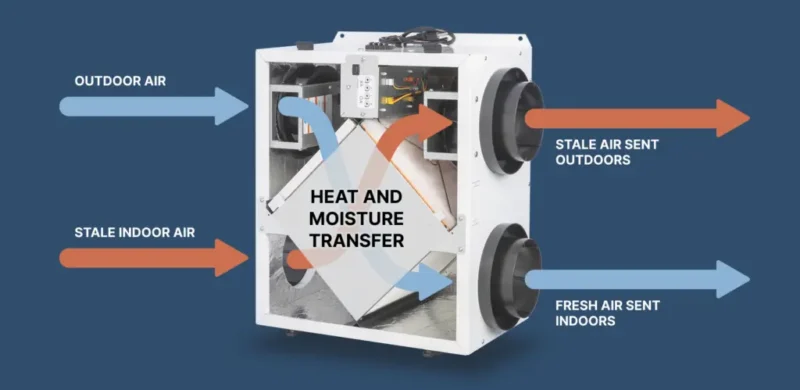
Modern manufacturers integrate specialized ventilation directly into home ductwork. Systems like American Standard Energy Recovery Ventilators (ERVs) systematically exchange stale indoor air for fresh outdoor air while transferring thermal energy and moisture to maintain peak energy efficiency. This process effectively dilutes indoor VOCs, carbon dioxide buildup, and stubborn odors without penalizing your utility budget.
3. Completing the System with Advanced Filtration
The final line of defense is the filtration medium itself. Upgrading to high-performance filtration systems—such as the American Standard AccuClean Whole-Home Air Cleaner—provides filtration capabilities far beyond standard retail filters. AccuClean technology boasts the ability to trap down to 0.1 microns in size, removing up to 99.8% of airborne allergens from the filtered air and neutralizing microscopic threats long before they can settle on surfaces or enter human airways.
However, mechanical performance relies heavily on proactive maintenance. Filters must be inspected and replaced every 30 to 90 days depending on household occupancy, pet ownership, and local environmental conditions. As filters load up with debris, airflow restrictions choke system efficiency and reduce pollutant capture rates.
Implications for Modern Homeowners
The transition toward airtight, energy-efficient homes represents permanent progress in residential architecture, but it permanently alters our relationship with domestic air. Ignoring indoor air quality in a tightly sealed home risks trapping biological and chemical contaminants in the exact spaces where families spend the vast majority of their time.
Fortunately, modern HVAC engineering provides the tools to bridge the gap between maximum energy efficiency and pristine indoor air quality. By adopting a comprehensive strategy that pairs variable-speed climate control with dedicated whole-home ventilation and advanced particulate filtration, homeowners can secure an environment that is energy-efficient, structurally sound, and fundamentally healthy.
Ready to Optimize Your Home’s Environment?
Homeowners should never have to compromise between climate control, energy efficiency, and clean air. If you are ready to evaluate and upgrade your home’s air ecosystem, connect with a certified local American Standard Customer Care Dealer to design a tailored solution for your living space.
Additional Resources
- American Standard Heating and Air Conditioning Official Website
- American Standard AccuClean Whole-Home Air Filtration System
- American Standard Link UX360 Smart Thermostat Review
- How American Standard Heat Pumps Deliver Ultimate Home Comfort
