As the sultry warmth of summer gives way to the crisp, invigorating air of autumn, gardens undergo a profound seasonal metamorphosis. Lawns transform under a blanket of amber and gold leaves, and gardeners shift their focus toward transitional decor. Enter the chrysanthemum—widely celebrated as the undisputed queen of fall flowers.
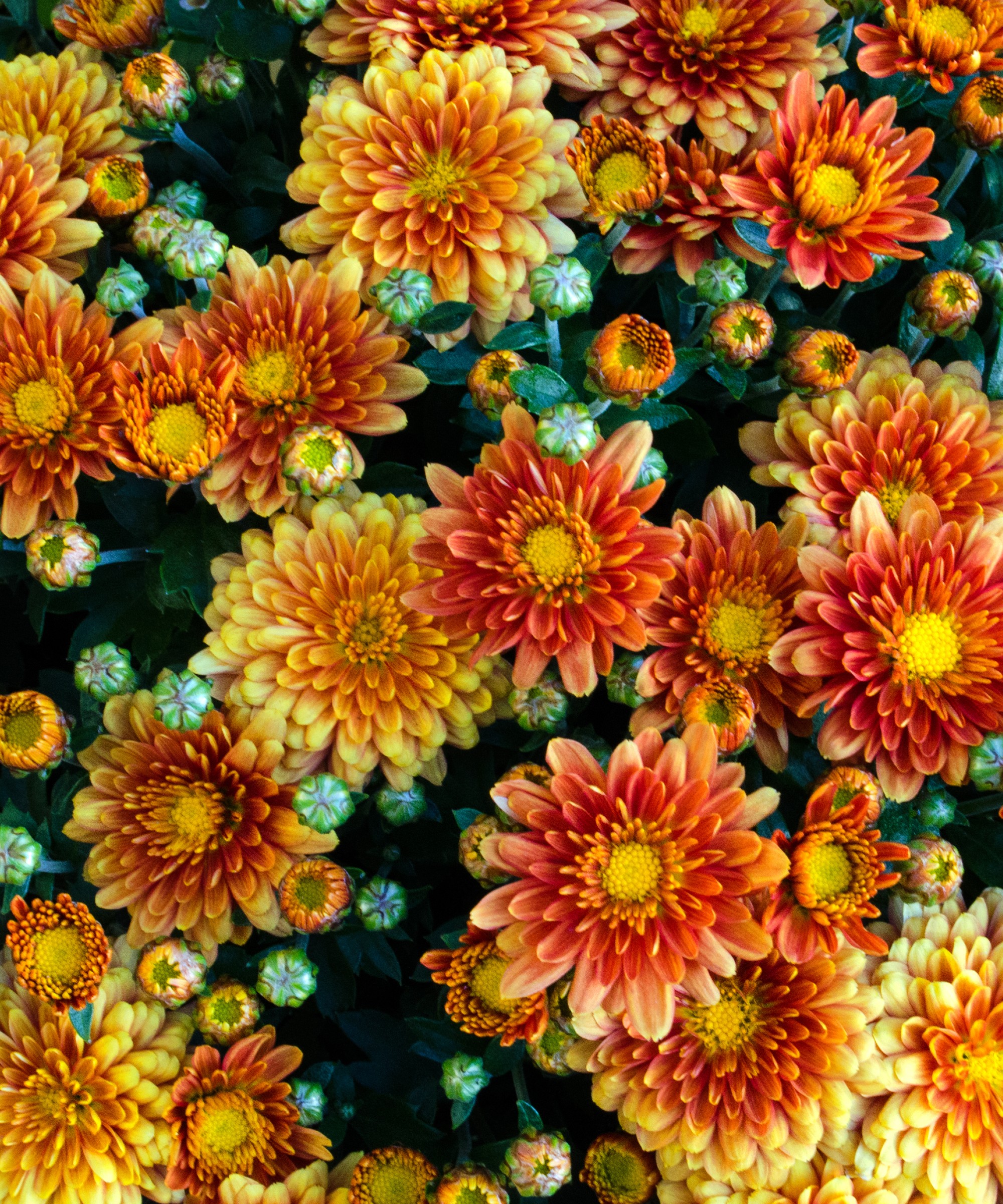
Tough, resilient, and boasting a dazzling array of vibrant colors, intricate petal geometries, and varied growth habits, chrysanthemums thrive in the shorter, cooler days of autumn. Yet, despite their reputation for hardiness, these beloved botanical icons require strategic intervention to perform at their absolute peak.
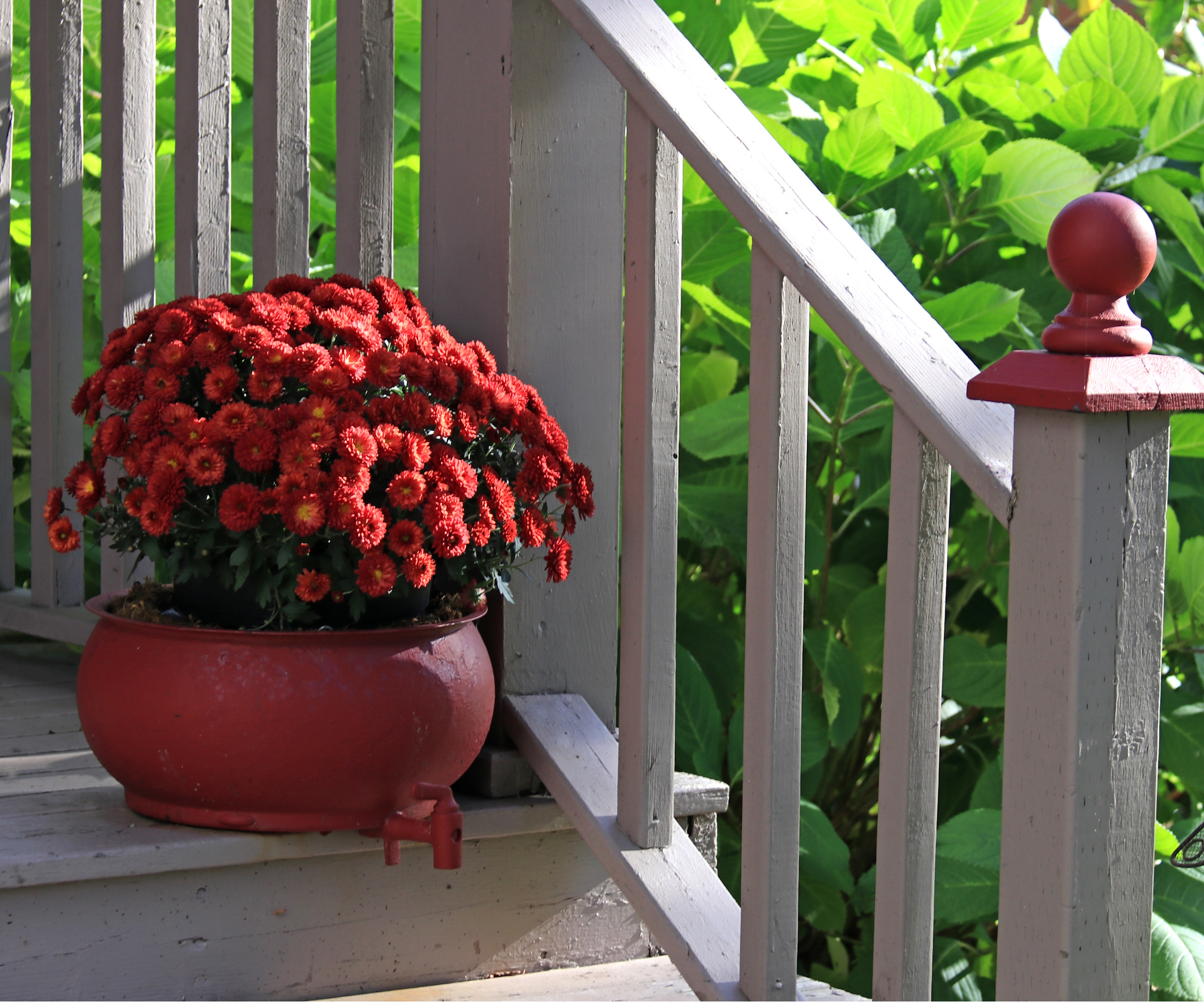
Whether you are designing a striking autumnal porch display with potted varieties or maintaining permanent garden beds, horticultural experts share essential insights to ensure your chrysanthemums deliver a spectacular, long-lasting show.
Main Facts: Understanding the Fall Chrysanthemum
Chrysanthemums (commonly known as mums) anchor the autumn garden, offering an explosion of color just as many summer annuals fade. Understanding their core requirements is the foundation of a successful display:
Sunlight Demand: Mums require a minimum of six hours of direct sunlight daily to produce rich, abundant blooms.
Hydration Needs: Characterized by relatively shallow root systems, chrysanthemums demand consistent moisture and can dry out rapidly—particularly when confined to nursery pots.
Nutritional Balance: Late-season feeding requires a mindful approach, favoring low-nitrogen, high-phosphorus formulas ("bloom boosters") to promote flower production over leafy green growth.
Hardiness Zones: Most garden mums are reliably perennial in USDA Hardiness Zones 5 through 9, though potted varieties grown for temporary seasonal displays are typically treated as annuals.
Frost Vulnerability: While the vegetative plant tolerates cool autumn weather, the delicate petals of open flowers are highly susceptible to frost damage.
Chronology: A Seasonal Care Timeline for Mums
Achieving a jaw-dropping display of autumn blooms is not a matter of luck; it requires a structured, time-sensitive approach. Experts recommend following this operational timeline:
Late Summer to Early Fall: Selection and Placement
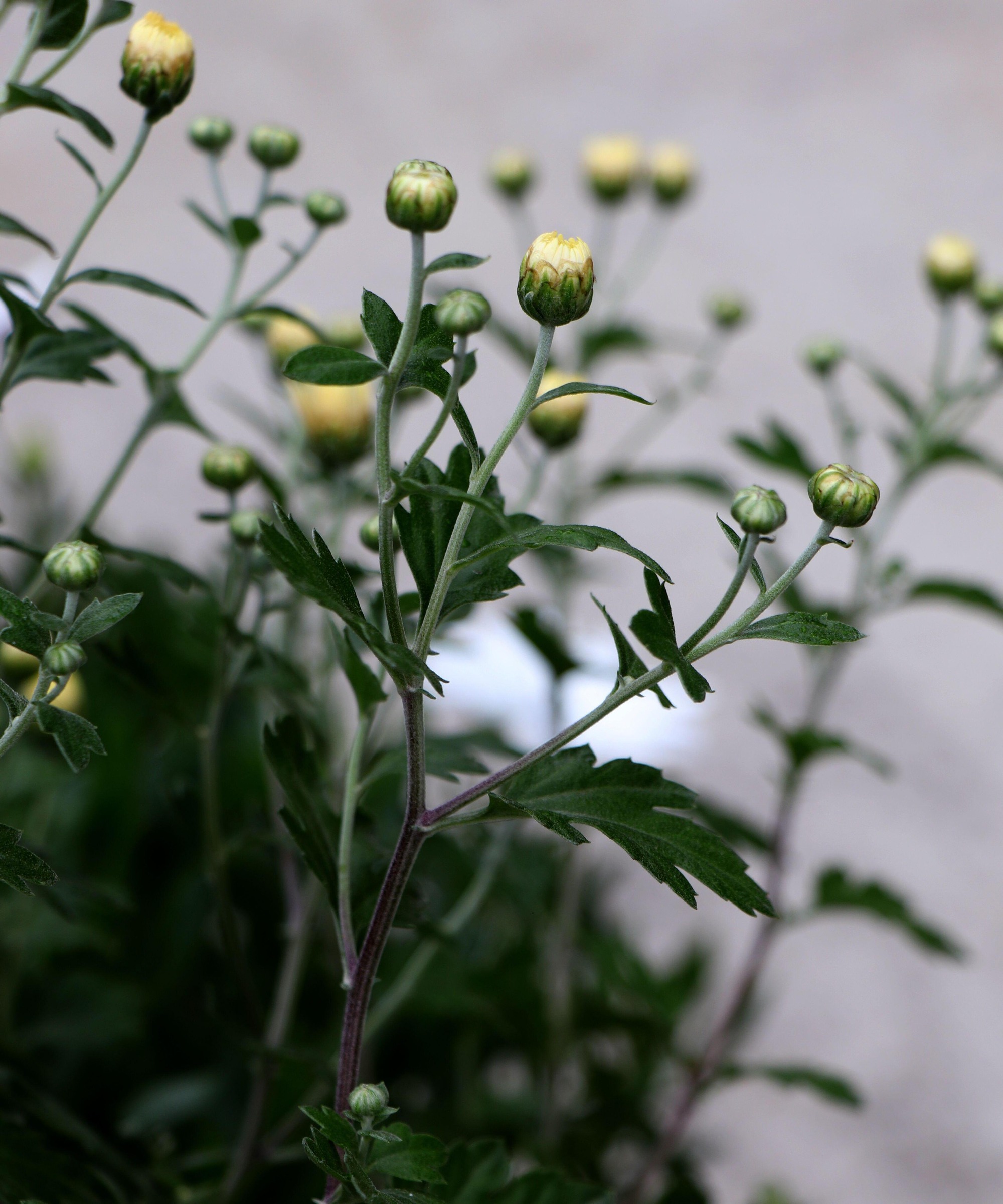
The journey begins at the nursery. To maximize longevity, horticulturists advise purchasing plants that are still heavily in bud rather than those already in full bloom.
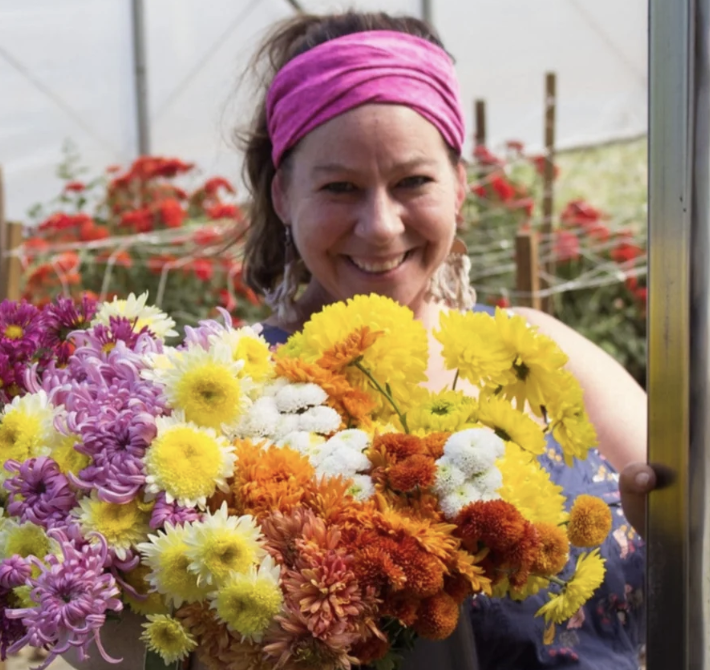
"Choose plants with mostly unopened buds amongst a few open flowers," advises Sharon Murphy, a third-generation greenhouse grower and founder of Gardening with Sharon.
Tim Pollak, Manager of Plant Production at the Chicago Botanic Garden, notes that fresh plants arrive weekly at retail centers. "Try to purchase the freshest plants, and stay away from older or discounted specimens," he cautions, adding that mature potted plants have reached their terminal size.
Once home, select a location that guarantees at least six hours of unobstructed autumn sunlight. If planting directly into garden beds, ensure the site offers good air circulation to prevent moisture retention and subsequent disease development.
Mid-Autumn: Maintenance, Hydration, and Mindful Feeding
As temperatures cool and the blooming cycle hits its stride, maintenance routines must adapt.
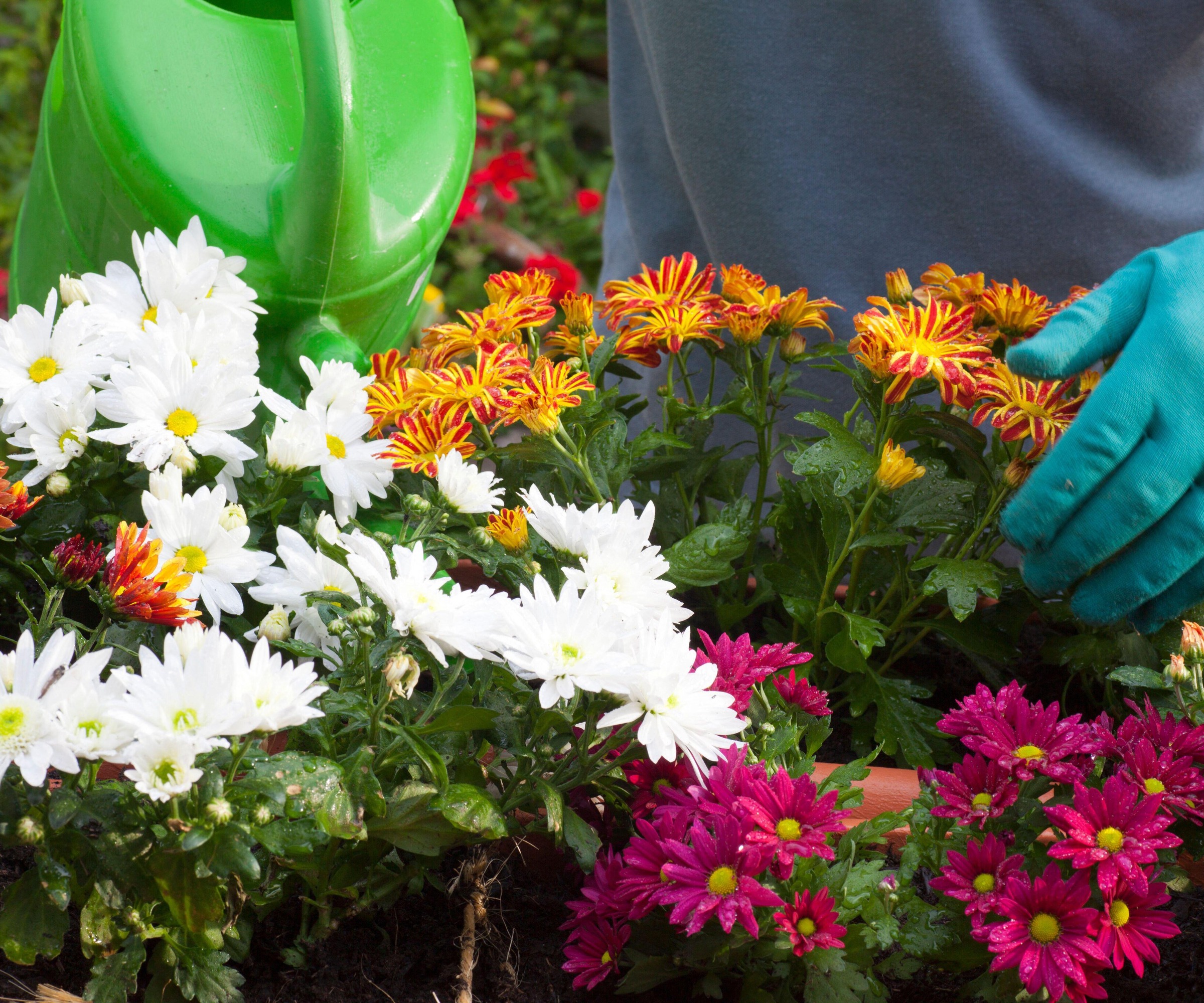
Deep Watering: Water deeply once or twice a week, allowing the top two inches of soil to dry out between waterings to prevent root rot.
Targeted Fertilization: Apply a light, low-nitrogen fertilizer once or twice during the early fall to support root strength and bloom production. Stop fertilizing entirely once flowers open.
Routine Deadheading: Snipping spent flower heads just above healthy sets of leaves keeps plants looking tidy and encourages the opening of secondary buds.
Late Fall: Frost Mitigation and Season Extension
As the threat of freezing temperatures looms, monitor local weather forecasts closely. Deploy breathable frost cloths or old sheets supported by stakes whenever a frost warning is issued, removing the covers once morning temperatures rise above freezing. This proactive measure can dramatically extend the blooming season well into late autumn.
Supporting Data & Expert Perspectives
The cultivation of healthy chrysanthemums is backed by decades of professional horticultural experience. Industry leaders emphasize that managing environmental stressors is the key to preventing premature decline.
The Science of Watering
Jessica Hall, co-founder of Harmony Harvest Farm in Virginia—an enterprise dedicated to championing American-grown flowers—stresses the importance of balancing hydration.
"Mums are very, very thirsty, but they don’t like wet feet," Hall explains. "Maintaining consistent moisture will prevent drought stress."
Potted chrysanthemums face unique challenges due to their constrained root systems. Tim Pollak of the Chicago Botanic Garden points out a common misconception regarding natural precipitation:
"Don’t rely on rain, as the plants are full and create an umbrella effect over the root zones. Water thoroughly as often as required."
Furthermore, Pollak advises utilizing containers slightly larger than the original nursery pot when repotting, ensuring the new vessel features adequate drainage holes to mitigate the risk of root rot.
Feeding Philosophies
The transition from summer maintenance to fall care demands a shift in nutritional input. Applying high-nitrogen fertilizers late in the season is a common pitfall.
"Too much nitrogen late in the season can encourage soft, leafy growth when what we really want is flowers," warns Sharon Murphy.
Instead, growers advocate switching to a specialized "bloom booster" formula rich in phosphorus and potassium—such as continuous-release granules like those offered by Sunniland—to encourage heavy, vibrant flowering and bolster root development for winter survival.
Official Responses and Industry Insights
The American floral industry is experiencing a notable shift toward domestic sourcing and sustainable gardening practices. With over 80 percent of cut and potted flowers traditionally imported into the United States, independent growers are championing locally adapted varieties.
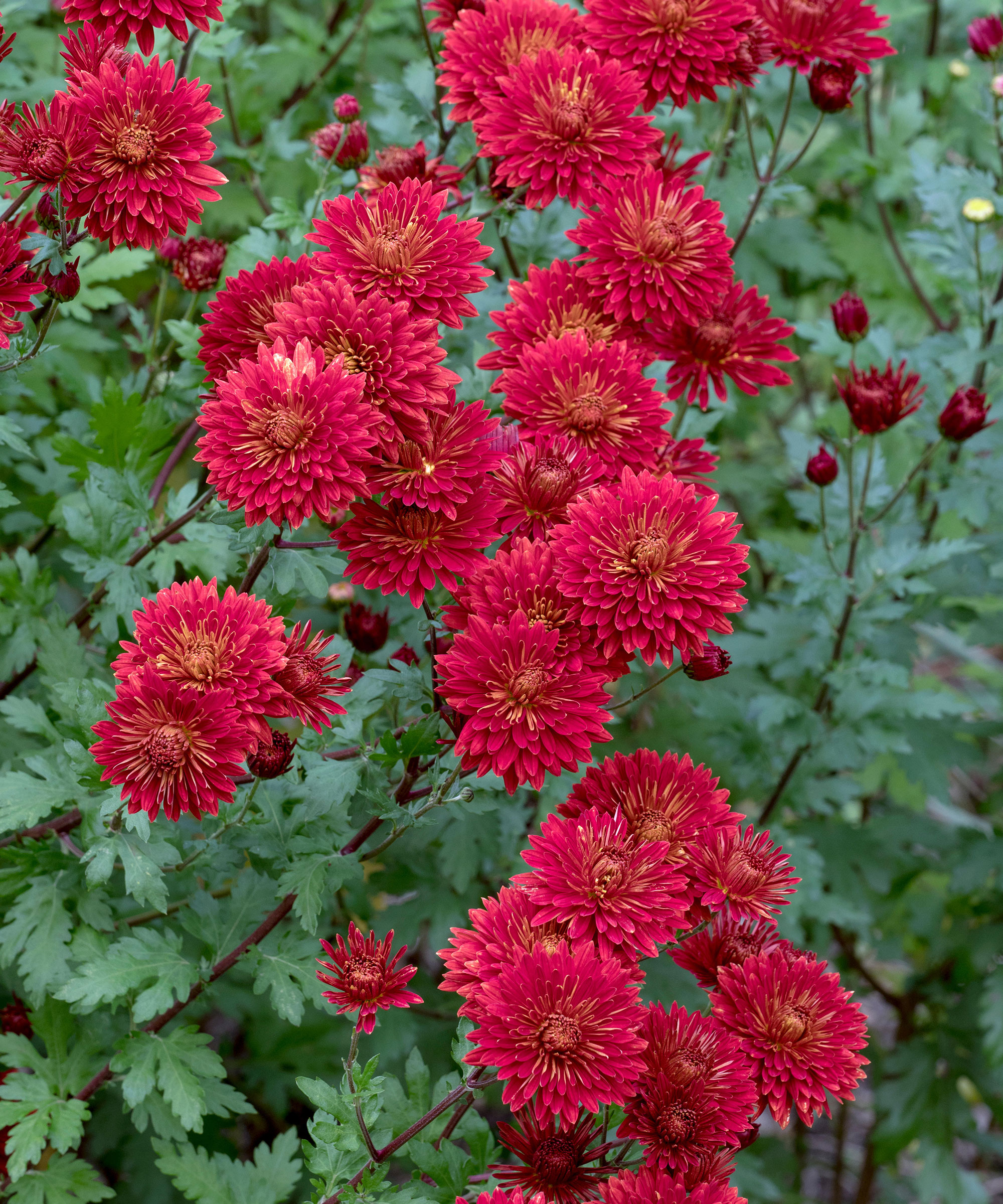
Farms like Harmony Harvest are leading the charge, educating consumers and floral professionals alike on the resilience and versatility of domestically cultivated chrysanthemums. By selecting robust cultivars—such as the striking Matchsticks or the bold Mammoth Daisy Red from Burpee—gardeners can leverage genetic advancements designed to withstand regional climate fluctuations.
Botanical institutions, including the Chicago Botanic Garden, continuously trial hundreds of chrysanthemum cultivars across their vast permanent collections. Their observational data confirms that proper spacing, rigorous sanitation (such as the removal of diseased foliage), and proactive frost management are the three most critical variables determining the longevity of seasonal displays.
Implications for Home Gardeners and the Retail Market
The growing consumer appetite for autumnal porch displays carries significant implications for both domestic gardeners and the retail horticulture sector.
For the Home Gardener
Investing time in proper mum care transforms a temporary, disposable seasonal decoration into a thriving perennial asset. By purchasing plants in the bud stage, practicing deep root watering, and protecting plants against early freezes, gardeners can enjoy weeks of vibrant color that bridges the gap between the end of summer and the arrival of winter.
Additionally, mastering techniques like "disbudding"—removing side buds to encourage massive, show-quality central blooms—elevates home gardening from a passive hobby to a refined craft.
For the Retail Sector
Retail nurseries and garden centers must adapt to consumer demand for sustainable, high-performance plant varieties. As buyers become more discerning—favoring fresh, robust stock over discounted, root-bound clearance plants—retailers are incentivized to partner with regional growers. Providing clear educational signage regarding watering habits, sunlight requirements, and frost protection ultimately drives customer satisfaction and repeat business in the competitive fall garden market.
Summary Checklist for Fall Mum Success
Sunlight: Position pots or garden beds in areas receiving a minimum of six hours of direct daily sunlight.
Watering: Soak soil deeply once or twice a week; allow the top two inches to dry out before rewatering. Avoid wetting foliage.
Feeding: Use low-nitrogen, high-phosphorus bloom boosters early in the fall; cease feeding once flowering begins.
Maintenance: Regularly deadhead spent blooms using clean micro-tip snips to encourage continuous flowering.
Protection: Monitor forecasts and shield plants with breathable frost cloths during freezing nights to extend the display window.