


LOS ANGELES — How does one make a classic, centuries-old architectural feature feel genuinely modern and inspired again? According to Hollywood icon Nicole Kidman, the answer is surprisingly simple: look up.
On the set of her upcoming projects, including the highly anticipated atmospheric aesthetic surrounding Practical Magic, Kidman and her set design teams have breathed new life into the traditional Victorian greenhouse. Rather than leaning into the sterile, predictable minimalism that has dominated contemporary landscaping for the past decade, this approach embraces a lush, multi-dimensional maximalism. By transforming the vertical volume of a glasshouse into a thriving, layered ecosystem, Kidman has inadvertently set a fresh blueprint for garden and interior enthusiasts worldwide.
Main Facts: The Anatomy of Vertical Maximalism
At first glance, the greenhouse featured on Kidman’s set is a masterclass in botanical abundance. However, a closer inspection reveals a distinct departure from conventional floor-bound container gardening.

- The Layout: While traditional Victorian glasshouses typically utilize clean, open floor plans with low-tier staging, this maximalist iteration utilizes every square inch of vertical space.
- The Flora: Golden Pothos and variegated English ivy aggressively yet gracefully climb the iron and wooden pillars. Flowering Chinese Lantern plants are positioned proudly on raised wooden staging, and smaller, delicate potted specimens find safe haven on high-altitude shelving.
- The Result: By shifting the focal point upward, the floor space remains open and accessible—creating room for movement, seating, and entertaining—while fully maximizing the soaring ceilings inherent to historical glasshouse architecture.
Industry experts point out that this layout is more than just a visual trick; it solves a fundamental spatial constraint. "Using the walls, pillars, and shelves leaves more floor space to move around, while making the most of the height of these older glasshouses," notes garden design analysts.
Chronology: The Evolution of the Glasshouse Aesthetic
To understand why Kidman’s vertical approach feels so revolutionary, it helps to look back at the historical trajectory of the greenhouse:
- The Victorian Era (Mid-to-Late 19th Century): Originally constructed as status symbols for the wealthy elite, Victorian glasshouses were designed to shelter exotic plants brought back from tropical colonies. These structures prioritized structural ironwork and expansive panes of glass to maximize sunlight, but interior planting was largely functional, restricted to ground-level beds and basic potting benches.
- The Mid-20th Century Minimalist Shift: As residential architecture shifted toward mid-century modernism and suburban sprawl, standalone greenhouses dwindled in popularity. When they did appear, they were treated as sterile agricultural workshops rather than aesthetic extensions of the home.
- The Contemporary Urban Garden Boom (2010s–Present): With the rise of urban densification and smaller backyard footprints, gardeners began looking for ways to maximize micro-spaces. Vertical gardening became a buzzword, primarily applied to urban balconies and indoor living walls.
- The Hollywood Influence (Present Day): By merging the grandeur of Victorian architecture with modern vertical gardening techniques on screen, productions like Practical Magic have bridged the gap between historic preservation and contemporary lifestyle trends.
Supporting Data & Practical Execution: Bringing the Look Home
Translating a Hollywood set design into a functional residential garden requires careful planning, strategic container selection, and an understanding of plant biology.

Sourcing the Right Planters
To achieve this layered, aged look, design experts recommend starting with planters that offer varying heights and weathered textures. Traditional, heavy clay can be cumbersome on elevated shelving, prompting manufacturers to create modern alternatives.
- Weathered Terracotta & Double-Walled Planters: Options like the Crescent Garden Madison Double-Walled Planter mimic the porous, earthy aesthetic of aged clay while offering lightweight durability—making them ideal for higher shelves and staging units.
- Rustic Urns and Heirloom Pieces: Glazed natural clay urns (such as those offered by West Elm) can withstand the elements outdoors during the growing season and transition seamlessly into indoor living spaces during colder months.
- Architectural Wall Hangers: Cast-iron, powder-coated swing hooks and Victorian-style brackets allow gardeners to mount pots directly onto brick walls or greenhouse pillars, freeing up valuable surface areas.
Spatial Dynamics and Container Gardening
According to prominent horticultural voices, height variation is the secret sauce of container gardening.
"Having a decent area to work and display your plants and crops is essential in any kind of greenhouse, whether it’s a working house or used more for entertaining and relaxing," says Tori Tomlin, director at White Cottage Greenhouses. "Staging, at table height, is needed to allow you to easily work with and display your plants."

Tomlin emphasizes that varying container heights is a functional necessity rather than purely an aesthetic choice. "Trailing greenery brings the eye upwards, while flowering plants on higher shelves stand out against the surrounding foliage. It also keeps smaller plants from getting lost among larger pots on the ground."
Official Responses and Expert Insights
As the "Nicole Kidman greenhouse effect" ripples through lifestyle blogs and design publications, horticulture and architecture professionals have weighed in on the engineering and environmental demands of vertical maximalism.
Balancing Microclimates
Elevating plants to varying heights fundamentally alters their immediate environment. Plants positioned near the apex of a glasshouse receive significantly more intense solar radiation and heat, while dense clusters of foliage at lower levels can restrict vital air circulation.

"Maintaining the right balance of light, heat, ventilation, shading, and even humidity in the greenhouse can transform the growing environment so that near-perfect conditions are met at all times," explains Tomlin. "Computer control of these systems is available to ensure the ideal balance for your plants and your guests."
The Role of Artificial Lighting
With plants distributed across multiple tiers, natural sunlight distribution becomes uneven. Taller plants near the top can inadvertently cast shadows over lower-level species, requiring supplemental intervention, especially as autumn and winter approach.
"As well as lighting the interior for working, artificial light in a greenhouse helps with plant growth," Tomlin adds. "Artificial light can support plants when natural sunlight is insufficient. This can extend daylight hours, improve plant productivity, and help enable year-round production."
Implications: What This Means for Modern Gardeners and Real Estate
The renewed appreciation for Victorian glasshouse aesthetics backed by vertical planting strategies carries several broad implications for architecture, interior design, and the home improvement market:
- A Shift Away from Minimalist Sterility: The trend signals a broader cultural fatigue with stark, minimalist white-and-grey spaces. Homeowners are increasingly craving warmth, history, maximalist texture, and a tangible connection to nature.
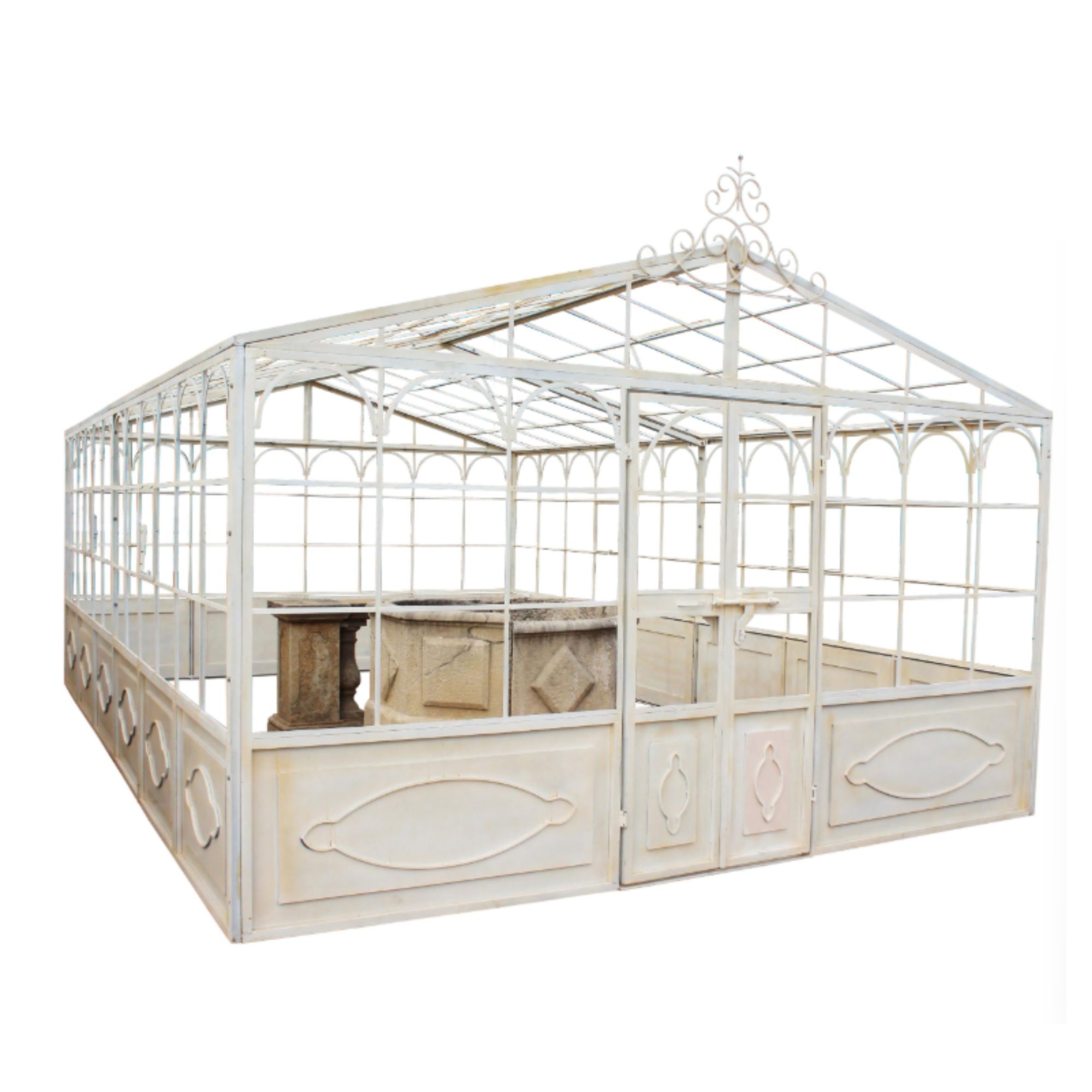
- Revival of Heritage Architecture: Historic and reproduction greenhouse sales—ranging from high-end French wrought-iron structures to modular backyard kits—are seeing a surge in demand as consumers look to create dedicated sanctuary spaces outdoors.
- Multifunctional Outdoor Rooms: By clearing floor space through vertical integration, greenhouses are no longer viewed merely as functional horticultural workshops. Instead, they are being reimagined as sophisticated entertaining spaces, reading nooks, and botanical lounges.
Final Takeaway
Whether you are blessed with an authentic Victorian glasshouse, a modest modern greenhouse, or simply a collection of sunny windowsills in a compact urban apartment, the core lesson from Nicole Kidman’s aesthetic pivot remains the same: stop thinking horizontally.
By utilizing pillars, hanging brackets, floating shelves, and multi-tiered staging, you can lift your greenery off the floor, maximize your square footage, and completely transform a familiar architectural feature into something fresh, vibrant, and magical.
