

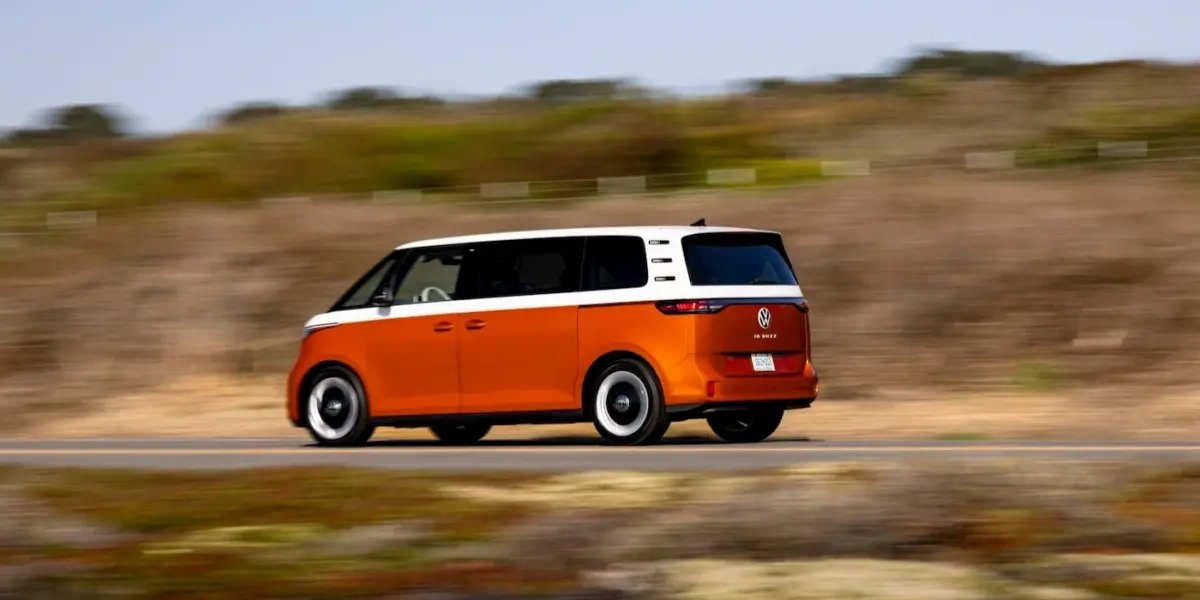
Volkswagen is doubling down on driver assistance, vehicle connectivity, and electric mobility with the rollout of its comprehensive IQ.Drive Advanced Driver Assistance Systems (ADAS) suite for the 2027 model year. Spearheaded by major upgrades to its underlying platforms and a triumphant, feature-rich return for the all-electric ID. Buzz van, the German automaker is aiming to cement its position at the forefront of mass-market automotive technology.
Spanning core volume drivers like the Atlas, Golf, Tiguan, and the iconic ID. Buzz, the 2027 updates introduce sophisticated semi-autonomous features previously reserved for luxury segments, bridging the gap between everyday practicality and cutting-edge tech.
Main Facts: What’s New in Volkswagen’s 2027 Portfolio?
The core of Volkswagen’s 2027 announcement centers on the expansion and refinement of its proprietary IQ.Drive system. Widely regarded as one of the most comprehensive standard ADAS packages available in the North American mass market, IQ.Drive now incorporates advanced hardware and software capabilities across vehicles built on Volkswagen’s versatile MQB Evo and MEB platforms.
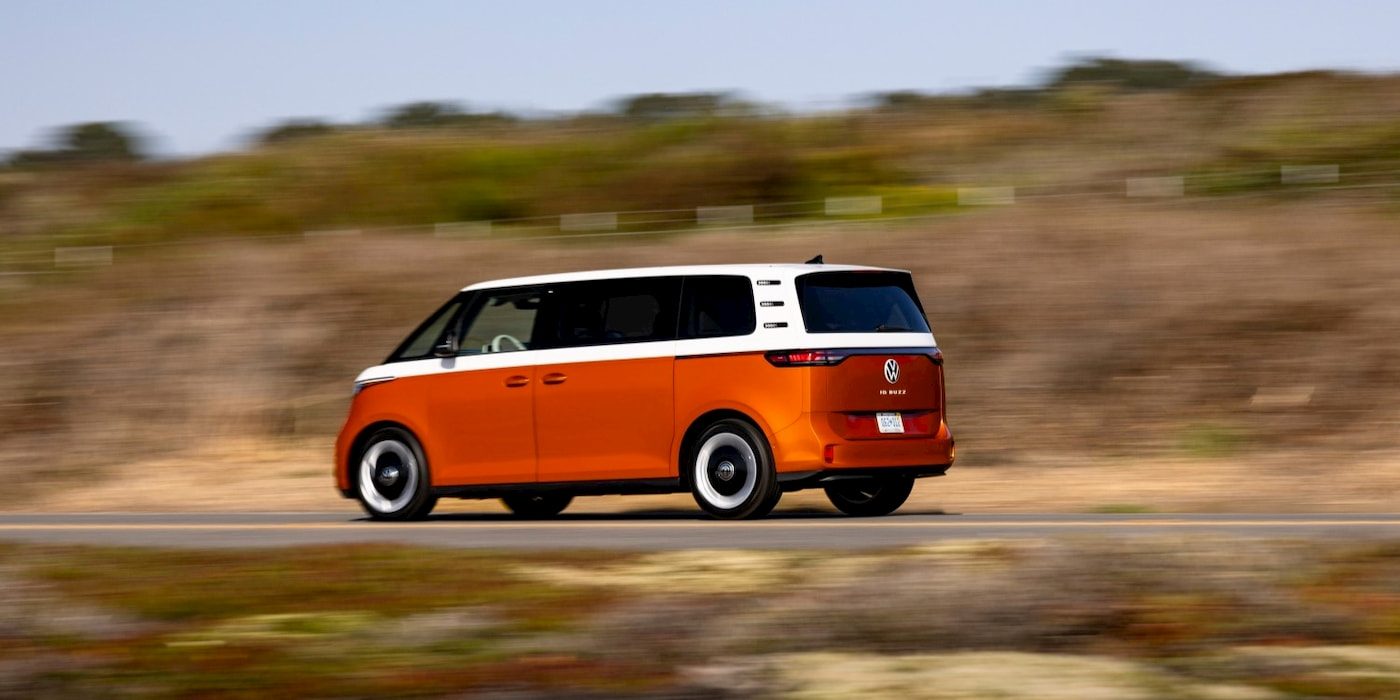
Key highlights of the 2027 update include:
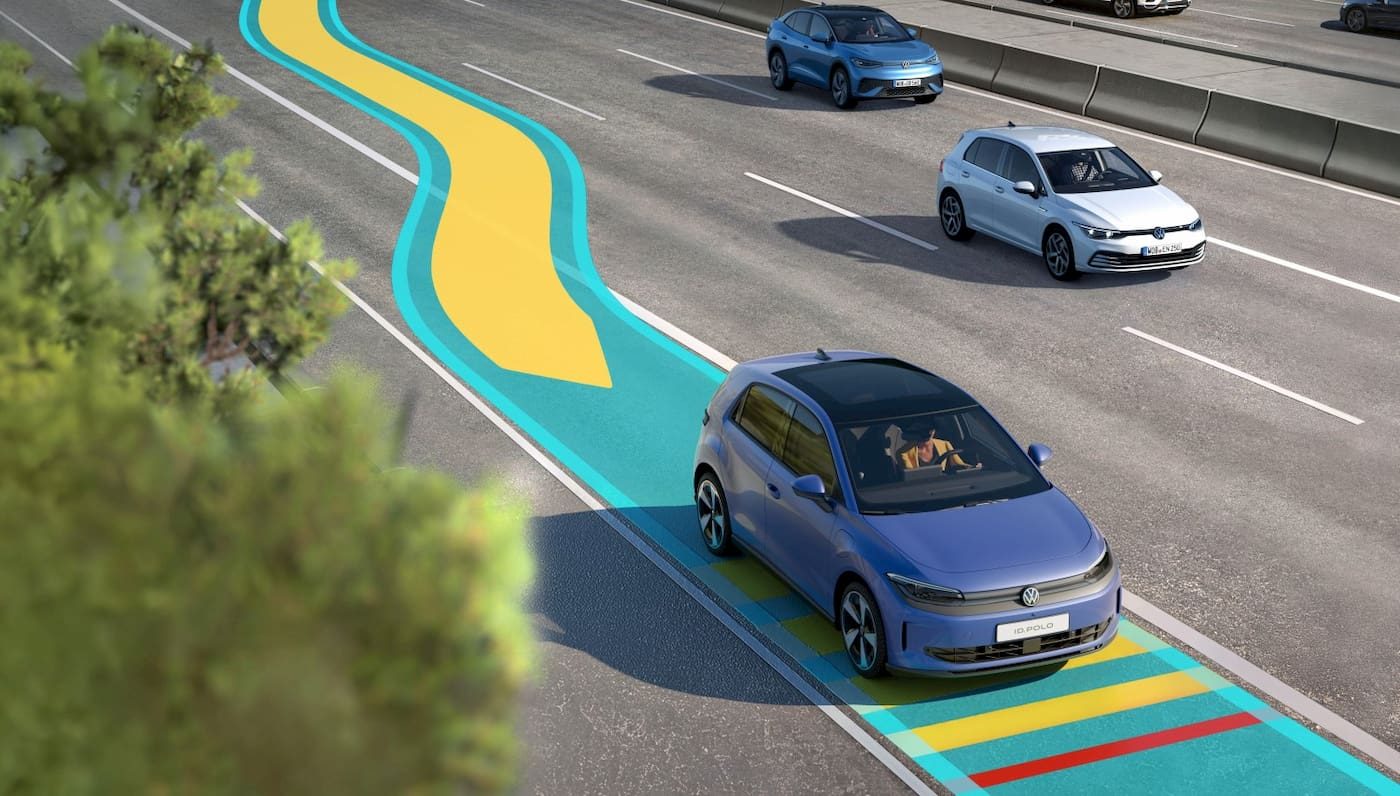
- Assisted Lane Changes: Drivers can now effortlessly initiate lane changes simply by tapping the turn signal while using Travel Assist.
- Emergency Assist Plus: Designed to mitigate catastrophic medical emergencies behind the wheel, this updated system can actively guide the vehicle safely to the shoulder of the road and bring it to a complete halt if the driver becomes unresponsive.
- Refined Predictive Cruise Control (paCC): Operating parameters for predictive cruise control have been fine-tuned for smoother acceleration, deceleration, and navigation of changing speed limits.
- Enhanced Safety Hardware: The Atlas, Tiguan, and ID. Buzz models receive an upgraded rear-view camera system equipped with advanced pedestrian detection algorithms.
- Road Experience Management (REM): Utilizing crowdsourced data from real-world drivers, REM pulls high-resolution data regarding lane markings, street signs, and traffic lights to continuously refine map quality and improve vehicle centering during low-visibility conditions.
Chronology: The Journey of the ID. Buzz and the Evolution of IQ.Drive
To understand the significance of the 2027 lineup, it is helpful to look at the timeline of Volkswagen’s recent electrification and software strategy.
The Launch and Brief Hiatus
When Volkswagen first introduced the North American-spec ID. Buzz in 2025—starting at an MSRP of $59,995—it immediately captured the cultural zeitgeist, blending nostalgia for the classic Microbus with a modern, all-electric architecture. However, as Volkswagen continuously evaluates its production lines and software integration timelines, the ID. Buzz took a strategic brief hiatus for the 2026 model year, allowing engineers to overhaul its interior technology, mechanical trims, and software stack.
The 2027 Comeback
The ID. Buzz returns stronger than ever for the 2027 model year. Rather than a simple re-release, the van re-enters the market packed with Volkswagen’s latest infotainment software, an expanded trim strategy, and the integration of next-generation ADAS hardware. Simultaneously, Volkswagen has rolled out its upgraded IQ.Drive architecture across its broader internal combustion and hybrid stables, ensuring brand-wide uniformity in its safety philosophy.
Supporting Data and Trim Architecture
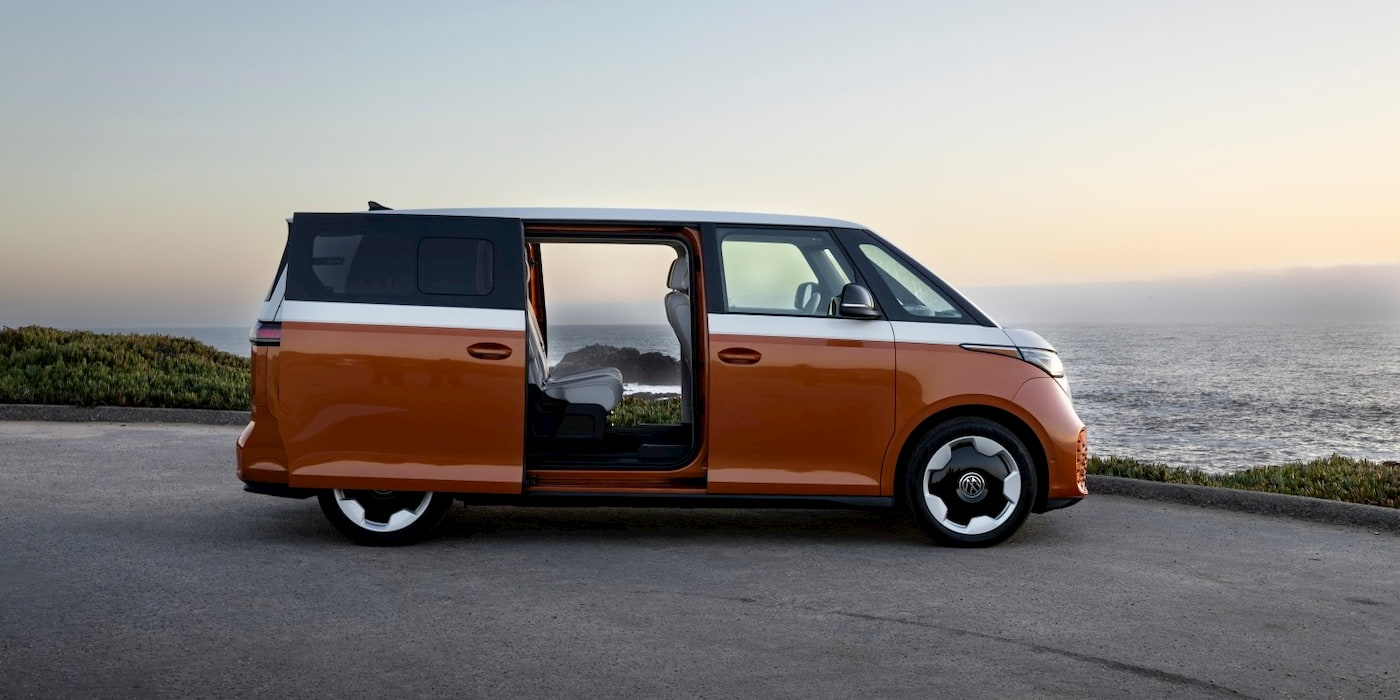
The 2027 Volkswagen ID. Buzz is structured to cater to both traditional family utility and adventurous lifestyle buyers. It will be available in four distinct trim levels:
- Pro S RWD: The entry point for rear-wheel-drive efficiency and classic driving dynamics.
- Pro S 4Motion: Adding dual-motor all-wheel-drive capability for enhanced traction in inclement weather.
- Tourer 4Motion: A specialized, adventure-ready variant specifically designed with features tailored for overnight camping and road-tripping enthusiasts.
- Pro S Plus 4Motion: The flagship trim combining top-tier comfort amenities, premium audio, and comprehensive safety tech.
The In-Vehicle Premium Ecosystem
A major component of the 2027 tech rollout is the In-Vehicle Premium subscription service. When purchasing or leasing a 2027 VW ID. Buzz, owners receive a complimentary one-year trial of the service.
In-Vehicle Premium unlocks the true potential of features like Road Experience Management (REM). By tapping into anonymized crowdsourced data harvested from Volkswagen’s global fleet, the vehicle can "see" beyond its immediate line of sight. If lane markings are faded, covered in snow, or obscured by heavy rain, the cloud-connected navigation and ADAS pull from up-to-date topographical and infrastructural data to keep the vehicle safely centered and operating at legal speeds.
While Volkswagen has not yet released official pricing for the individual trims of the 2027 ID. Buzz or the broader 2027 vehicle lineup, industry analysts expect pricing structures to reflect modest inflationary adjustments over the 2025 baseline, offset by the inclusion of advanced standard safety features and trial software services.
Official Responses and Industry Context
Volkswagen’s leadership has repeatedly emphasized that democratization of safety is a primary company objective. By refusing to gatekeep advanced driver assistance behind expensive luxury packages, the automaker hopes to set a new benchmark for mass-market automotive safety.

"Our goal with the latest iteration of IQ.Drive is to reduce driver fatigue and elevate safety margins without removing the joy of driving," noted a company spokesperson during the initial technical briefing. "By integrating cloud-based intelligence like Road Experience Management into everyday vehicles like the ID. Buzz, Tiguan, and Atlas, we are providing our customers with a glimpse into the future of automated mobility today."
Industry observers have praised Volkswagen’s inclusion of turn-signal-initiated lane changes and Emergency Assist Plus as meaningful steps toward true Level 2+ semi-autonomous driving capability. While competitors like Tesla and General Motors have long utilized advanced hands-free highway driving systems (such as Super Cruise and Full Self-Driving), Volkswagen’s implementation relies heavily on robust tactile feedback, intuitive turn-signal integration, and transparent driver-monitoring systems that prioritize user engagement.
Implications: What This Means for Consumers and the EV Market
The return of the ID. Buzz paired with a powerhouse safety update has significant implications for both consumers and the broader electric vehicle market.

For the Consumer
- Heightened Safety Standards: Families shopping for an SUV or a multi-passenger electric van can now benefit from safety nets—such as pedestrian-detecting rear cameras and medical emergency mitigation—that were historically reserved for luxury German sedans.
- Subscription Hesitancy: While the one-year trial of In-Vehicle Premium is a welcome perk on the 2027 ID. Buzz, the eventual requirement to pay a recurring subscription fee for cloud-enhanced map data (REM) may draw scrutiny from consumers who are increasingly fatigued by automotive software paywalls.
- Lifestyle Versatility: The introduction of the Tourer 4Motion trim signals Volkswagen’s acute awareness of the booming "vanlife" and overland camping demographic. An electric camper van with all-wheel drive and advanced automated cruising capabilities represents a uniquely compelling package for outdoor enthusiasts.
For the EV Market
The EV landscape in 2027 is fiercely competitive. By refining the ID. Buzz and addressing early criticisms regarding software stability and trim configurations, Volkswagen is ensuring its halo electric vehicle remains relevant against a backdrop of aggressive new product launches from domestic and Asian competitors. Furthermore, the seamless integration of MEB-platform software improvements proves that Volkswagen’s heavy investments in digital architecture are finally bearing fruit across its mass-market portfolio.
As dealerships prepare to receive the 2027 inventory, all eyes will be on final pricing announcements and real-world consumer reception of the upgraded IQ.Drive system. If Volkswagen can deliver on the promise of smoother predictive cruising, reliable turn-signal lane changes, and a robust camper-ready ID. Buzz, the brand is poised for a very strong commercial year.
