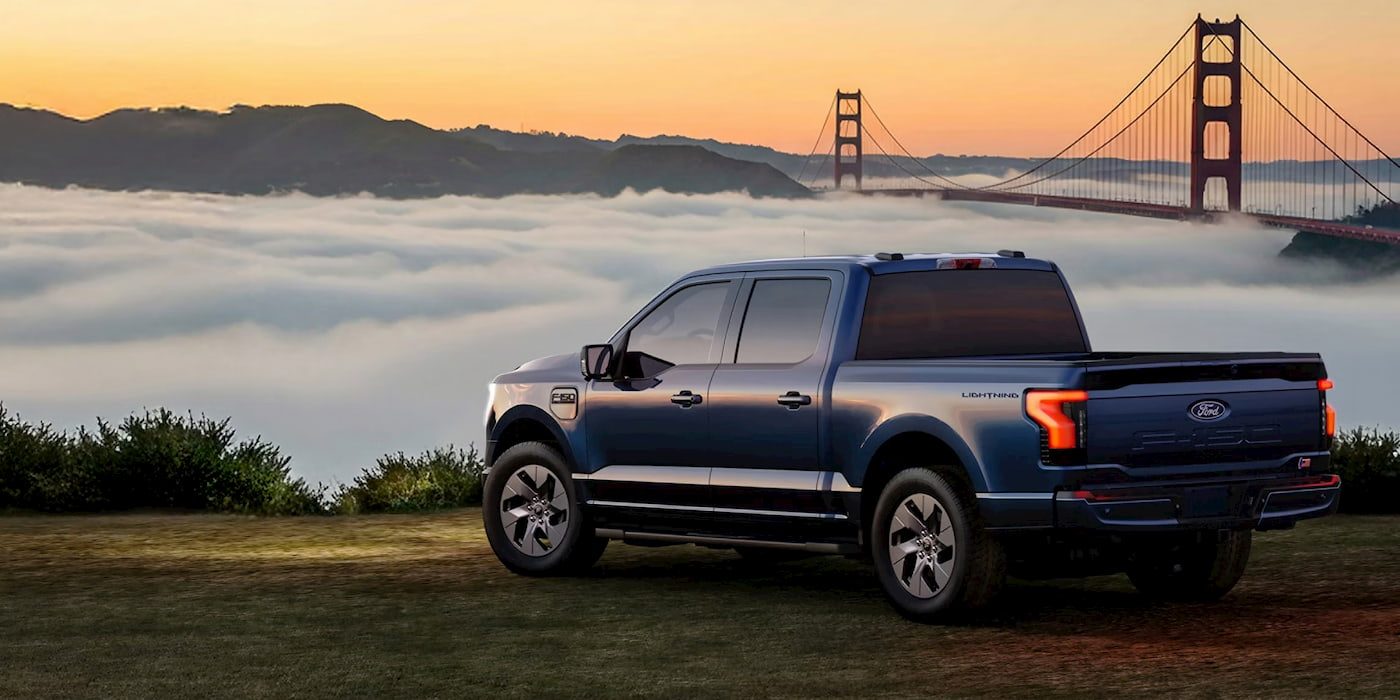
DETROIT — In a definitive shift that underscores the rapidly evolving landscape of the American automotive market, Ford Motor Company has officially pulled the plug on the F-150 Lightning. Once celebrated as a pioneer that mainstreamed electric utility trucks, the original battery-electric full-size pickup has quietly vanished from Ford’s consumer ordering website.
The retirement of the Lightning marks the end of Ford’s first major chapter in modern electrification. However, the Blue Oval is far from abandoning the EV space. Instead, the company is pivoting hard toward affordability and consumer pragmatism. Ford is preparing to launch a radically re-engineered product portfolio anchored by two distinct vehicles: the upcoming Fathom, an all-electric midsize pickup starting under $30,000, and a groundbreaking Extended-Range Electric Vehicle (EREV) variant designed to bridge the gap between pure battery power and long-haul utility.
Main Facts
The automotive giant’s strategic pivot centers around a complete overhaul of its truck strategy, shifting away from expensive, large-battery full-size EVs toward higher-efficiency, lower-cost alternatives.
The F-150 Lightning is Officially Retired: Following its initial phase-out announcement in December, the current-generation F-150 Lightning has been completely removed from Ford’s official lineup. Ford has assured existing owners that comprehensive support—including software updates, servicing, repairs, and live customer assistance—will remain fully operational.
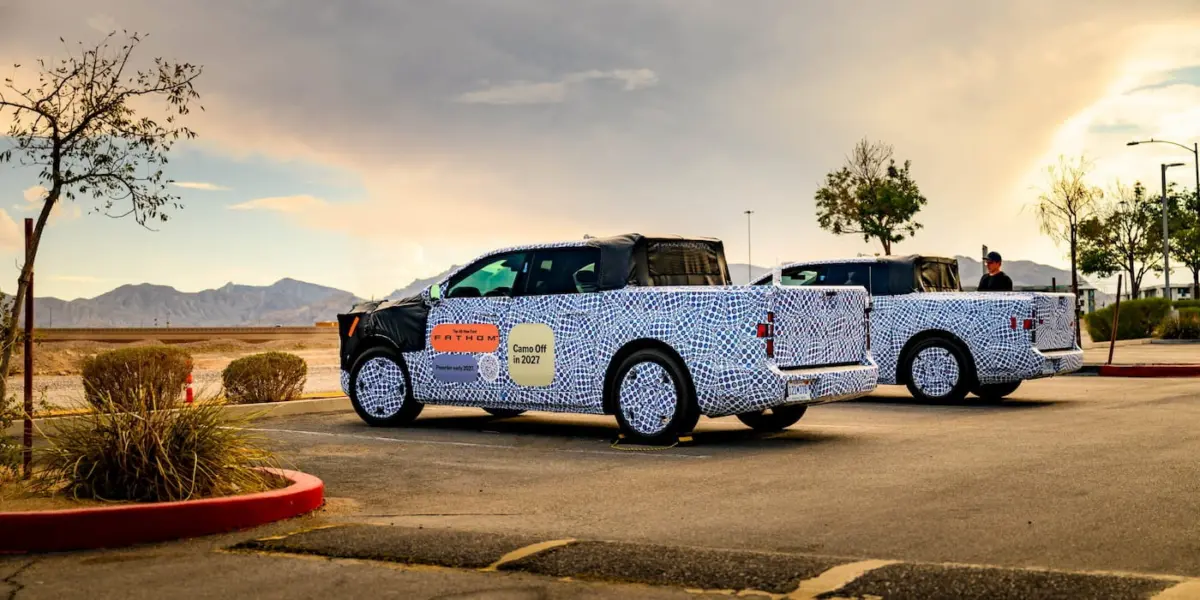
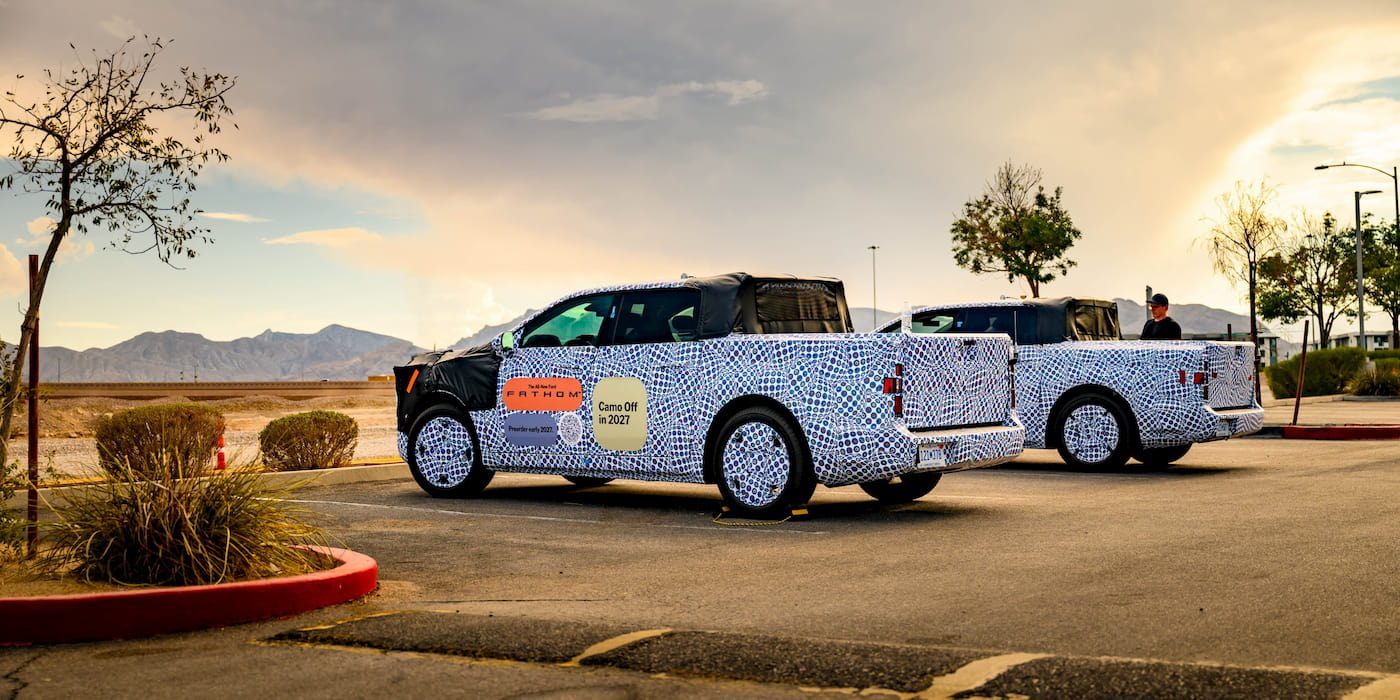
Enter the Ford Fathom: Slated for production in early 2027 at Ford’s Louisville Assembly Plant, the Fathom is a brand-new, all-electric midsize pickup. It will carry a base MSRP of $28,350 (excluding a $1,595 delivery fee), keeping its total entry price safely under the $30,000 threshold.
The Universal Electric Vehicle (UEV) Platform: The Fathom will be the inaugural vehicle built on Ford’s new UEV architecture, a platform engineered specifically to dramatically lower production costs and maximize manufacturing profitability.
The EREV Solution: To replace the full-size electric truck void left by the Lightning, Ford is developing an Extended-Range Electric Vehicle (EREV). This system utilizes an onboard gas generator to deliver a staggering total driving range exceeding 700 miles while operating on pure electricity for roughly 90% of daily driving conditions.
Chronology: From Lightning’s Peak to the UEV Pivot
Understanding how Ford arrived at this pivotal juncture requires tracing the rapid shifts in EV adoption over the last several years.
Late 2021 – 2023: The Lightning Rush
When the F-150 Lightning first rolled off assembly lines, it captured the imagination of the American public. Hailed as a watershed moment for electrification, it quickly became one of the best-selling electric pickups in the United States. Ford rushed to scale production, betting heavily that early adopters would eagerly embrace full-size, heavy-battery electric trucks regardless of price.
Late 2025: The Writing on the Wall
As the market matured, automakers ran into a stark reality: high-end, premium EVs priced between $50,000 and $80,000 faced plateauing demand. High interest rates, infrastructure anxiety, and battery costs squeezed profit margins. In December 2025, Ford CEO Jim Farley made waves during a high-profile interview with CNBC, bluntly admitting that expensive, large-battery EVs simply weren’t moving at the volumes required to sustain long-term business health.
During this same period, Ford officially signaled the death of the original F-150 Lightning layout, announcing its decision to pivot toward the UEV platform and the EREV concept.
Mid 2026: The Naming of the Fathom and First Looks
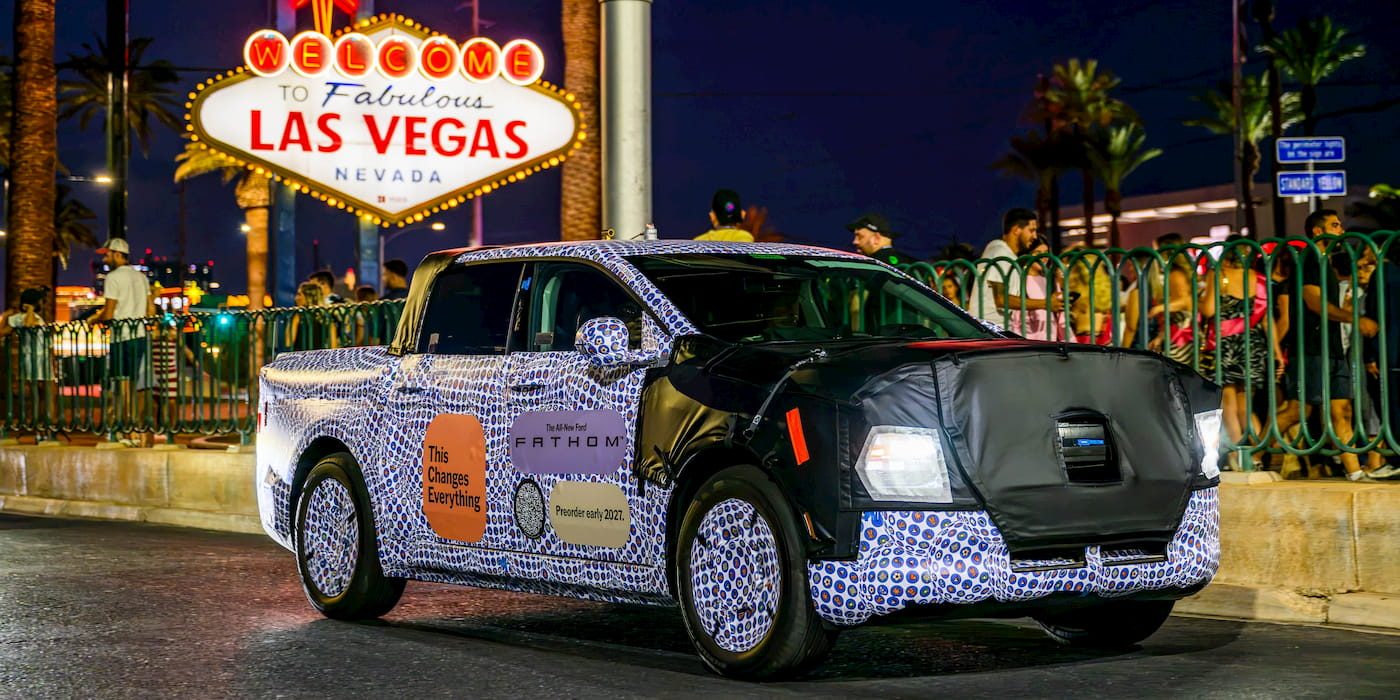
In August 2026, Ford officially unveiled the name of its upcoming affordable EV: the Fathom. Priced aggressively at $28,350 for the standard-range trim, the announcement sent ripples through the industry, positioning Ford to challenge incoming low-cost global competitors.
By September 2026, Ford CEO Jim Farley provided the public with an early sneak peek via video, showcasing a prototype of the Fathom and building anticipation for its official public debut. Simultaneously, Ford updated its consumer website, wiping the F-150 Lightning from its configurator pages with a placeholder promising that the "F-150 Lightning is Transforming."
Early 2027 (Projected): Production Kickoff
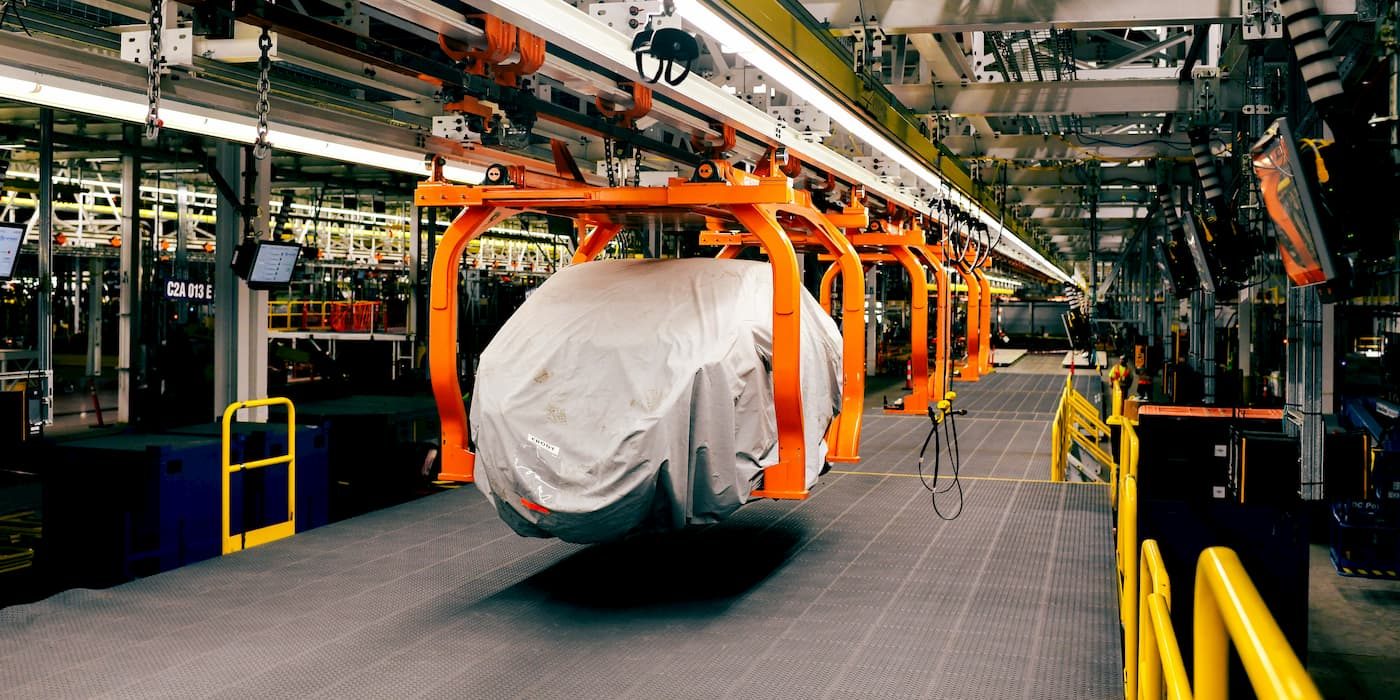
Production for the Fathom is officially scheduled to begin at the Louisville Assembly Plant in early 2027. Deliveries are expected to follow shortly thereafter, marking the commercial rollout of Ford’s next-generation EV strategy.
Supporting Data & Vehicle Specifications
While complete technical specifications for both the Fathom and the upcoming EREV are still being finalized by Ford engineers, early disclosures provide a clear picture of what consumers can expect.
Vehicle Model
Powertrain Type
Target Production Start
Base Price (MSRP)
Key Highlight / Feature
Ford F-150 Lightning(Retired)
Battery Electric (BEV)
Ended (Dec 2025)
~$50,000+ (Historical)
Former best-selling full-size EV pickup; phased out due to shifting market dynamics.
Ford Fathom
Battery Electric (BEV)
Early 2027
$28,350 (+ $1,595 delivery)
Built on the UEV platform; midsize footprint; interior space rivaling compact SUVs; direct Apple Maps navigation integration.
Ford F-150 EREV
Extended-Range EV (Gas + Battery)
Forthcoming
TBD
Integrates an onboard gas generator; offers 700+ miles of total range; runs entirely on battery for 90% of routine driving.
Packaging and Technology
Despite being categorized as a midsize truck—making it notably smaller and more maneuverable than the full-size Lightning—Ford claims the Fathom will punch well above its weight class in interior packaging. Company executives have stated that the cabin will offer more interior volume than a Toyota RAV4, prioritizing ergonomic efficiency thanks to the clean-sheet design of the UEV platform.
Furthermore, the Fathom will achieve a significant technological milestone as the first vehicle to feature native, direct integration of Apple Maps into its primary vehicle navigation system, streamlining the user interface for tech-forward drivers.
Official Responses and Industry Context
Ford’s executive team has been remarkably transparent about the motivations driving this dramatic pivot. Rather than viewing the retirement of the F-150 Lightning as a retreat from electrification, Ford frames it as a necessary correction to align with economic realities.
"The very high-end EVs—the $50K, $70K, $80,000 vehicles—they just weren’t selling at the scale we needed," Ford CEO Jim Farley explained during his December 2025 CNBC interview. Discussing the introduction of the EREV architecture, Farley noted it represents a much more pragmatic compromise for truck owners: "It’s a better solution. You get 700 miles on a tank of gas, and for 90% of the time, you are driving all-electric."
Industry analysts point out that Ford’s strategy addresses the two primary hurdles holding back mass EV adoption in North America: high upfront purchase costs and range anxiety. By splitting its efforts into a hyper-affordable urban/lifestyle EV (the Fathom) and a ultra-long-distance working vehicle (the EREV), Ford is hedging its bets across different consumer demographics.
Implications for the Market and Current Owners
The transformation of Ford’s truck division carries broad implications for the automotive sector at large:
Pressure on Competitors: A sub-$30,000 electric pickup puts immense pressure on legacy automakers and EV startups alike to engineer genuinely affordable vehicles rather than relying solely on high-margin luxury models.
The Rise of the EREV: Ford’s embrace of extended-range hybrids suggests that pure battery-electric vehicles (BEVs) may face a slower adoption curve in heavy-duty and towing-heavy segments. By offering an electric driving experience backed by a gasoline generator for long trips, Ford could capture buyers who were previously hesitant to abandon internal combustion engines.
Reassuring Current Lightning Owners: With the abrupt retirement of the F-150 Lightning, early adopters naturally harbor concerns regarding vehicle depreciation and ongoing support. Ford has moved quickly to mitigate these fears, emphasizing that software updates, spare parts, and dedicated service channels will remain fully active to protect the value of existing vehicles on the road.
As Ford prepares for the official rollout of the Fathom and finalizes details on its EREV lineup throughout 2027, the automotive world will be watching closely to see if this pragmatic approach can successfully turn consumer interest into sustainable profitability.