

NEW YORK — In an era defined by economic mindfulness and a surging appetite for personalized home aesthetics, the humble can of spray paint has quietly undergone a profound industrial and cultural evolution. Once relegated to utilitarian touch-ups in the dark corners of the garage or grungy industrial applications, aerosol coatings are now celebrated design instruments.
With an influx of sophisticated color palettes, matte finishes, metallic sheens, and specialized formulations engineered to bond with everything from weathered timber and galvanized metal to slick plastics and dense concrete, aerosol paint offers homeowners an accessible gateway to high-end design on a budget.
However, industry experts caution that while the barrier to entry is low, achieving a factory-smooth, professional-grade finish requires more than a steady hand and a sunny afternoon. Mastering the medium demands strict adherence to preparation protocols, environmental controls, and precise application techniques.
Main Facts: The Anatomy of Modern Aerosol Upgrades
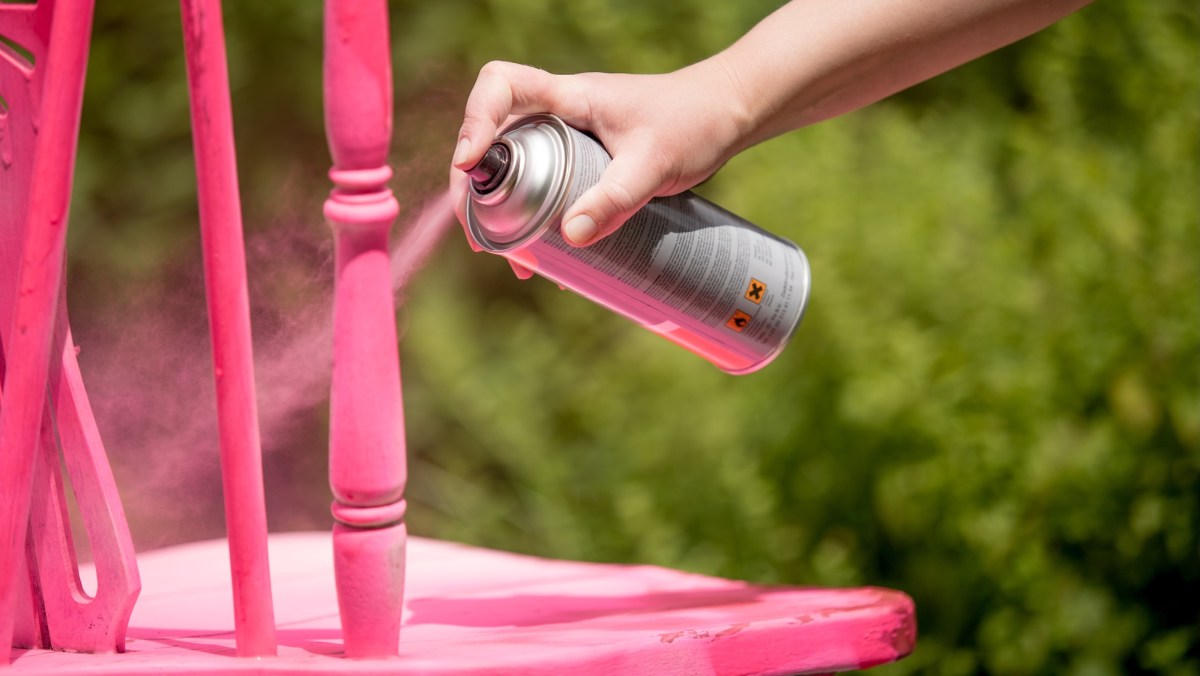
The appeal of spray paint lies in its versatility and cost-efficiency. Unlike traditional brush applications that can leave behind unsightly bristles, lap marks, and uneven textures, pressurized atomization distributes microscopic droplets of pigment evenly across a target substrate.
Today’s market features formulas designed specifically for high-heat applications, rust conversion, plastic adhesion, and ultra-durable appliance enamels. Yet, the physics of aerosol application remain unforgiving. Environmental variables, distance, stroke velocity, and thorough surface preparation dictate whether a project yields a breathtaking designer statement piece or a sticky, dripping mess.
Chronology of a Project: From Concept to Curing
Successfully transforming an object with spray paint is a disciplined, multi-step process. To help DIYers navigate a project from conception to the final reveal, industry veterans break down the workflow into a chronological sequence of best practices.
Phase 1: Environmental Selection and Safety Setup
Before picking up a can, painters must establish a controlled work zone. Good ventilation is non-negotiable due to volatile organic compounds (VOCs) and aerosolized particulates.
- Outdoor Painting: Ideal for mild, calm days. However, excessive wind can disrupt the spray pattern, causing uneven coverage or carrying airborne debris to land directly on the wet paint film.
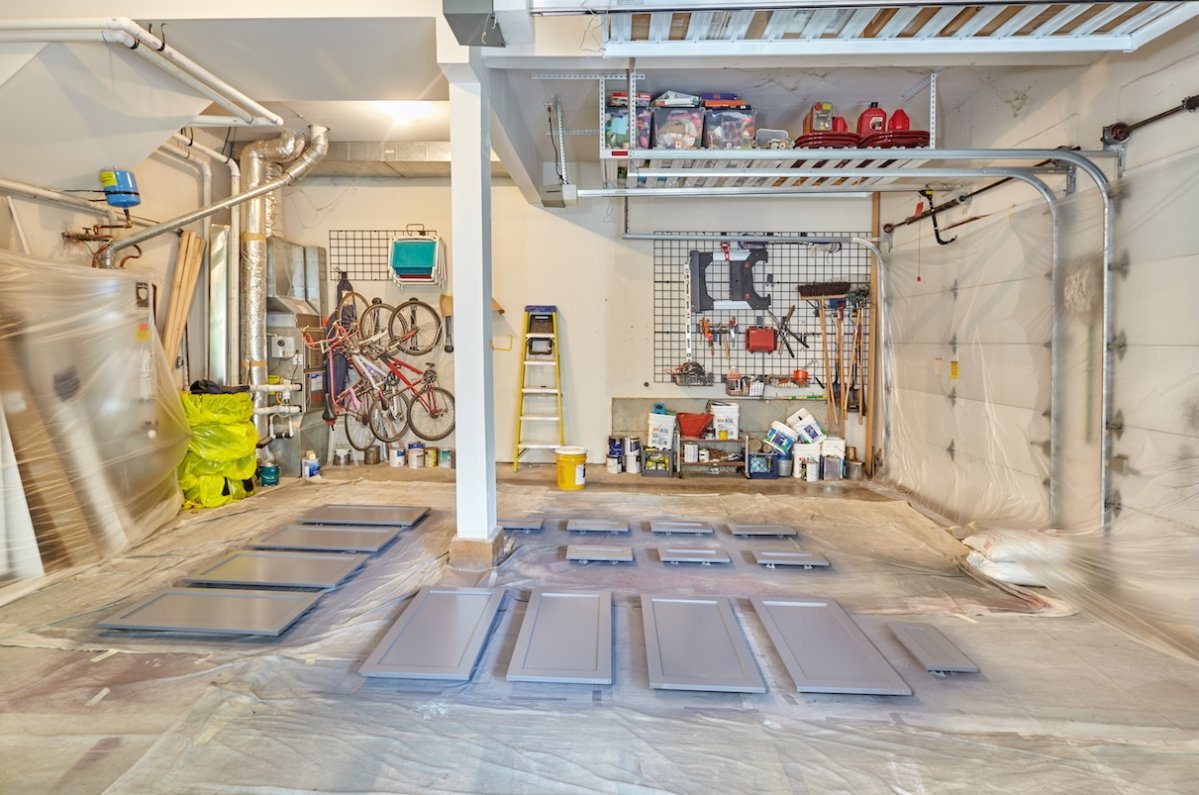
- Indoor Painting: If working inside a home or workshop, maximize airflow by opening all windows or setting up shop inside a garage with the main door fully open.
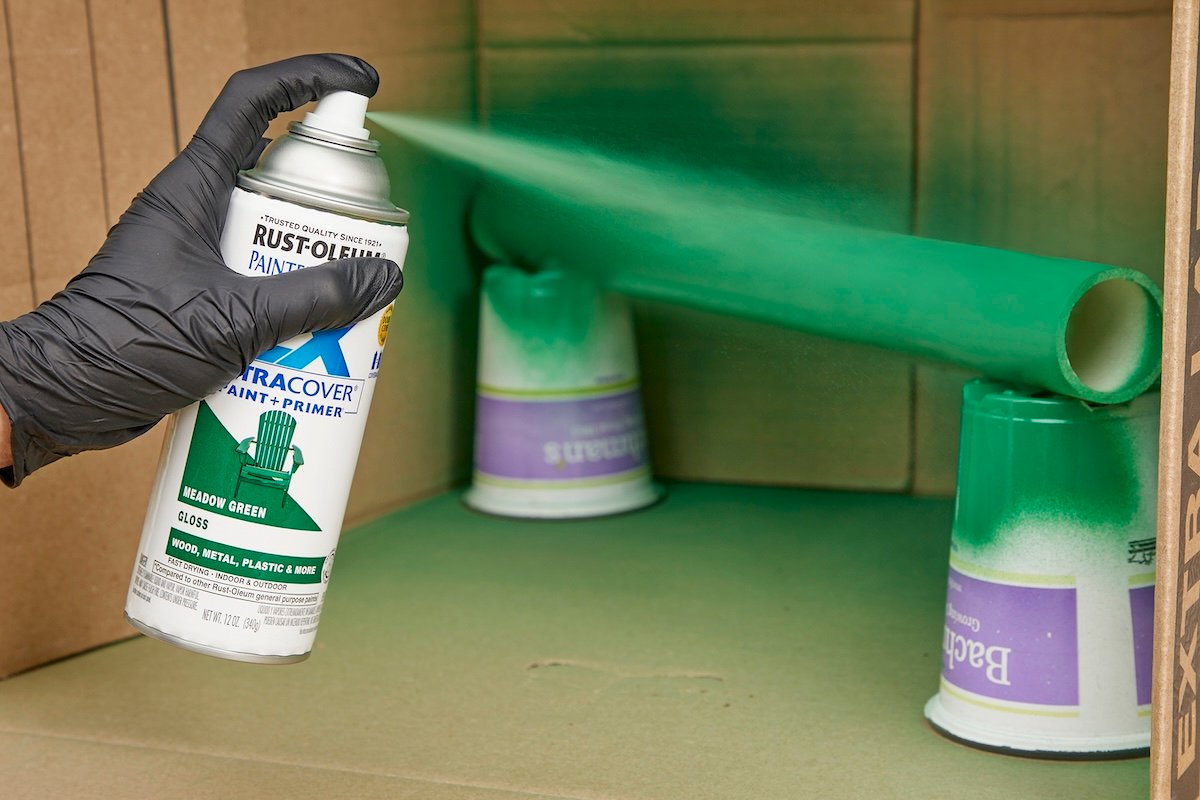
- Safety Protocols: Aerosol mist easily infiltrates the respiratory tract and eyes. Workers should consistently wear safety goggles, a dust mask or respirator, and protective gloves. Additionally, overspray can travel considerable distances; protect surrounding surfaces with heavy drop cloths, or contain small items inside a simple cardboard box. Professionals also advise checking the soles of your shoes before walking away from the drop zone, as microscopic overspray on concrete floors easily adheres to footwear and tracks across the house.
Phase 2: Surface Preparation
As any seasoned artisan will attest, a paint job is only as good as the preparation underneath it. Skipping this phase is the leading cause of premature peeling, bubbling, and uneven textures.
- Repair: Begin by filling any gouges, scratches, or structural holes using wood putty, spackle, or appropriate fillers. Allow them to dry completely.
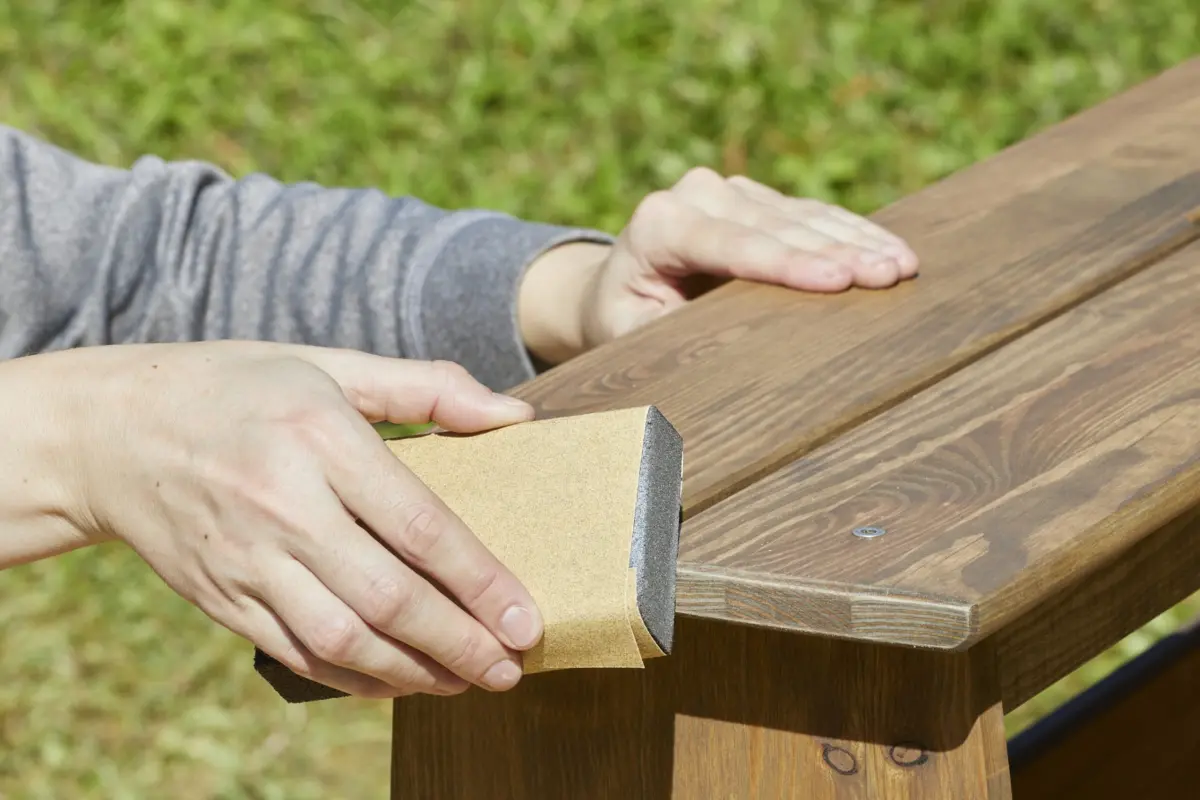
- Sand: Smooth out rough spots, feather out filler edges, and scuff-sand glossy legacy finishes to provide a mechanical "tooth" for the new paint to grip.
- Clean: Wash the item thoroughly with a mild detergent solution to remove grease, dust, and oils. Rinse thoroughly with clean water and—crucially—allow the substrate to dry entirely before introducing any paint.
Phase 3: Application Mechanics
With the piece prepped and the environment secured, the actual painting demands rhythmic precision.

- Patience Over Speed: Never attempt to achieve full coverage in a single heavy pass. Spray paint is designed to be applied in multiple, ultra-thin coats. If the first or second coat looks translucent, resist the urge to lay it on thick; patience prevents unsightly runs and sags.
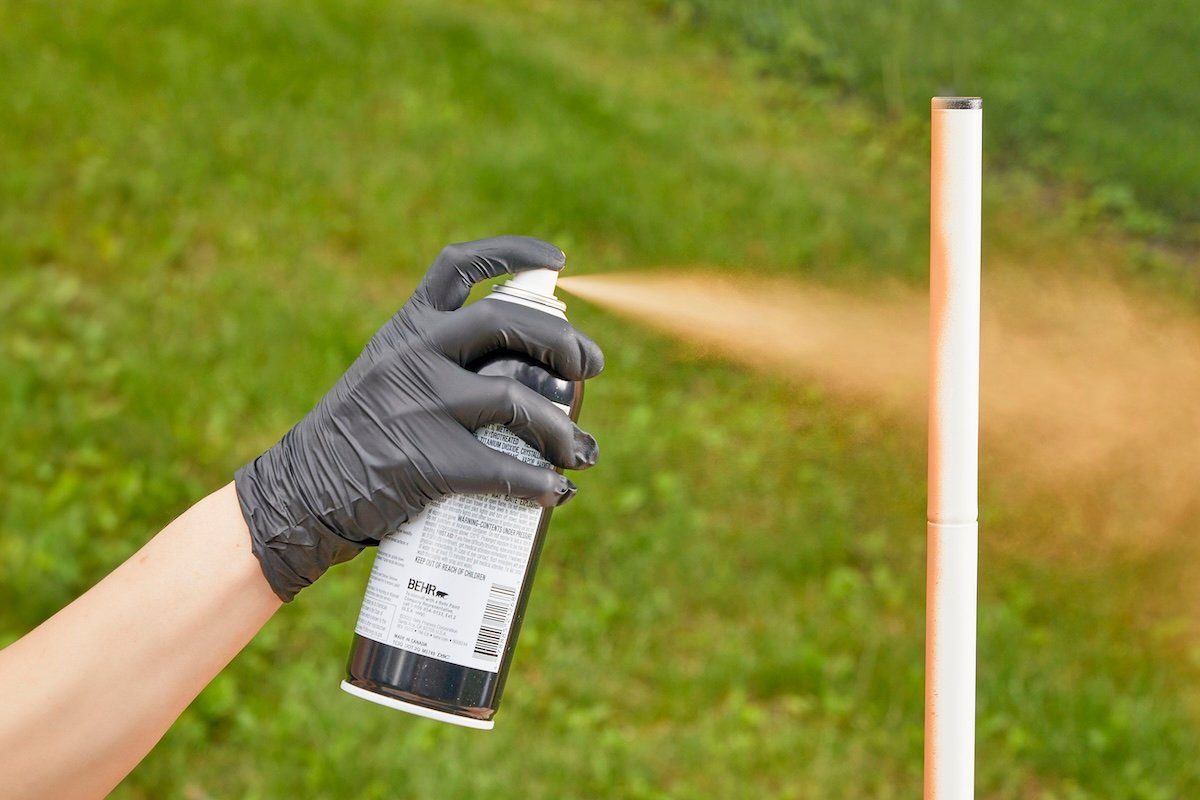
- The Sweeping Motion: Hold the aerosol can approximately 6 to 8 inches away from the surface. Initiate movement before pressing the nozzle, sweeping horizontally from left to right, and then back from right to left. Never pause the motion in a single spot, as pooled paint will instantly form drips.
- Intermittent Spraying: To avoid glops and optimize propellant pressure, spray in short, controlled bursts rather than a continuous, steady hiss. Listen for the rhythm of the can—brief bursts of air indicate proper technique and help conserve product.
Phase 4: The Curing Window
The final and perhaps most psychologically challenging phase is waiting. While modern spray paints often feel dry to the touch within 15 to 30 minutes, surface dryness is vastly different from chemical curing. Most quality formulations require a minimum of 24 hours—and sometimes up to several days—to fully harden and bond to the substrate. Handling the piece, reattaching hardware, or stacking items prematurely risks leaving permanent fingerprints or scratches that are exceptionally difficult to correct.
Supporting Data and Market Trends
According to recent home improvement and consumer goods market research, the DIY and craft sector continues to experience sustained growth, driven heavily by upcycling trends. Consumer interest in sustainable living has turned curbside furniture finds and dated home accessories into prime candidates for aerosol transformations.
Market analysis highlights that spray paint innovations—such as ultra-matte chalk finishes, high-gloss metallics, and rust-inhibiting primers built directly into the color coats—have reduced project times by nearly 40% compared to traditional multi-step brush painting. Furthermore, consumer data indicates that projects utilizing proper preparatory sanding and multi-coat application techniques boast a longevity rate three times higher than those rushed in a single application.
Official Recommendations and Industry Insights
Home improvement authorities and safety councils emphasize that while spray painting is remarkably user-friendly, safety compliance remains a primary concern for residential DIYers.
- The American Coatings Association (ACA) stresses the importance of adequate personal protective equipment (PPE), noting that prolonged exposure to aerosolized solvents in enclosed spaces without respirators can lead to respiratory irritation and neurological headaches.
- Environmental Protection Agencies routinely urge consumers to utilize water-based or low-VOC aerosol alternatives when available, and to properly dispose of empty metal cans according to local municipal hazardous waste guidelines rather than tossing them into standard residential trash or attempting to puncture them.
Industry trade groups also highlight the economic efficiency of the medium. For a fraction of the cost of purchasing new furniture or architectural hardware, consumers can completely revitalize existing home inventory, diverting tons of reusable material away from local landfills each year.
Implications: The Economic and Environmental Ripple Effect
The resurgence of spray-paint-driven DIY culture carries significant broader implications for both household economies and environmental sustainability.
Economically, inflation and rising costs for new consumer goods have prompted households to look inward, transforming existing assets through creative restoration. This "circular economy" mindset empowers everyday consumers to act as designers, reclaiming thrift-store furniture, vintage metal lighting fixtures, and dated cabinetry with professional-looking outcomes.
Environmentally, the shift toward repurposing durable goods reduces the demand for mass-produced, short-lifecycle furniture manufactured overseas, thereby lowering the cumulative carbon footprint associated with global shipping, assembly, and disposal. When executed with proper environmental controls—such as capturing overspray and utilizing low-VOC formulas—spray painting transforms from a simple weekend hobby into a micro-scale contribution to sustainable living.
As manufacturers continue to refine nozzle designs for ergonomic comfort and formulate more eco-friendly, durable pigments, the horizon for aerosol DIY projects has never looked brighter. For those willing to respect the process—investing time in preparation, safety, and patient, methodical execution—the humble spray can remains one of the most powerful tools in the modern homeowner’s arsenal.
