

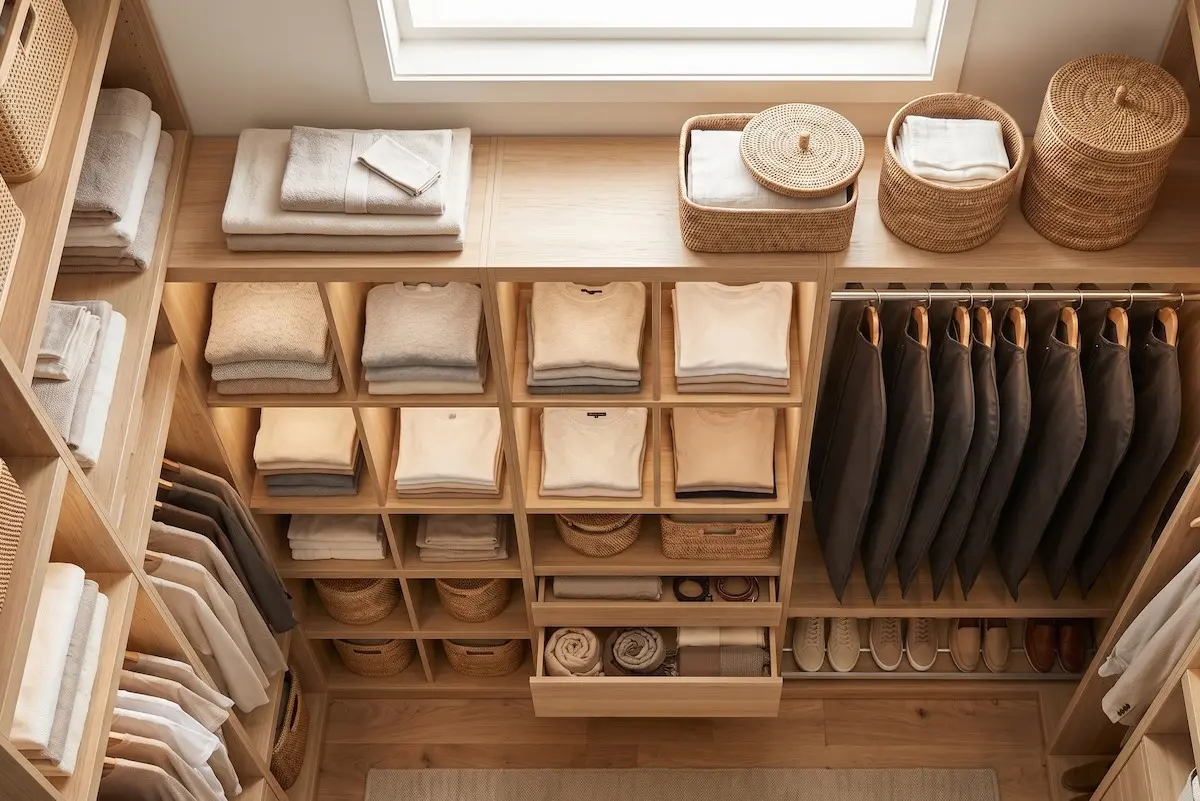
Older homes possess an undeniable, magnetic charm. From intricate handcrafted millwork and original hardwood floors to high ceilings and distinct architectural character, century-old properties tell the rich story of a bygone era. However, this historic aesthetic often comes with a distinct modern challenge: a severe lack of closet space.
In the 18th and 19th centuries, architectural design prioritized segmented living spaces over expansive storage. People simply owned a fraction of the clothing, linens, and personal items that the average modern household accumulates. For today’s homeowners, falling in love with a historic property usually means grappling with compact wardrobes, cramped entryways, and zero walk-in closets.
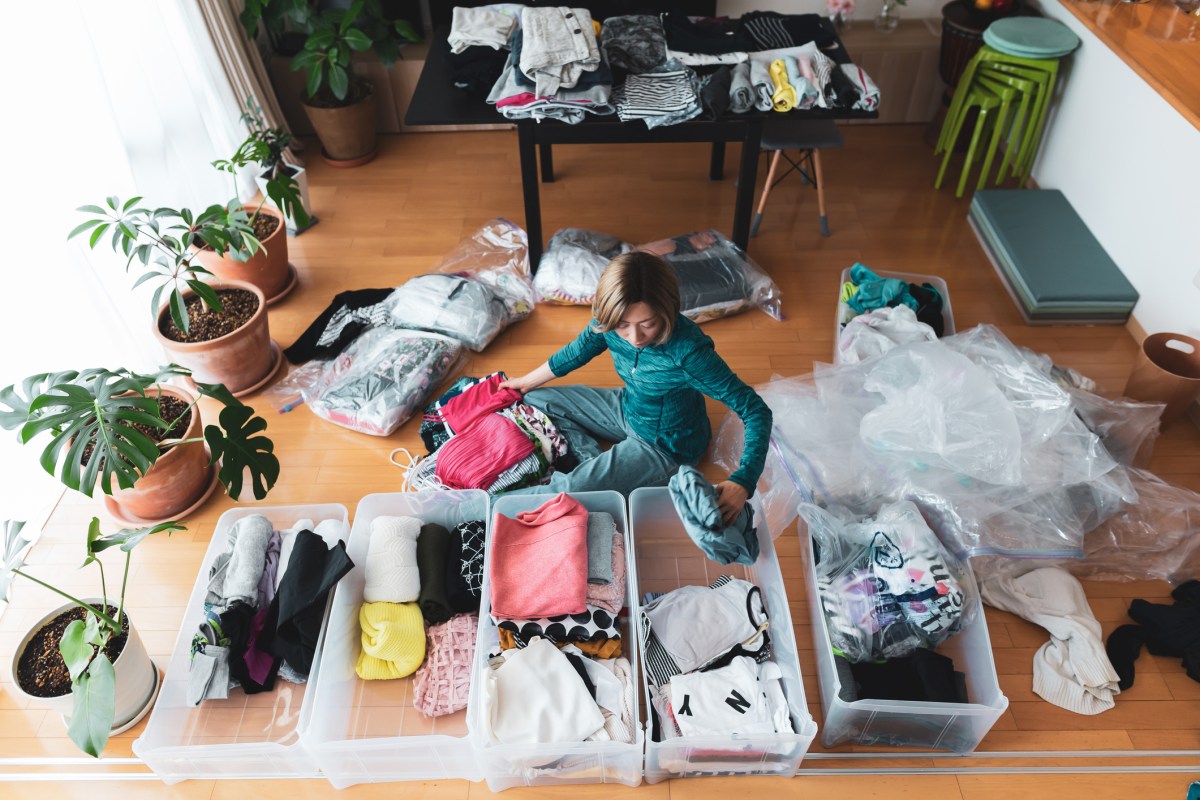
Fortunately, living without built-in storage does not mean sacrificing modern convenience or resigning your living quarters to perpetual clutter. Interior designers, historic preservationists, and DIY experts have perfected innovative ways to introduce functional storage without compromising a home’s historic integrity.
Main Facts: The Historic Storage Deficit
The primary obstacle for owners of older homes is the total absence of integrated, deep-wall closets. Modern lifestyles require spaces for voluminous seasonal wardrobes, tech accessories, athletic gear, and extensive footwear collections. When square footage and structural walls cannot be altered—particularly in historical districts with strict preservation guidelines—homeowners must rely on creative, non-invasive storage hacks and period-appropriate furniture.

- The Scale Challenge: Historic rooms often feature delicate proportions, meaning bulky modern storage units can easily overwhelm the space.
- Structural Limitations: Lath-and-plaster walls and solid brick construction make carving out new recessed closets complex and costly.
- The Solution Ecosystem: Storage strategies range from freestanding historical furniture (like armoires) and vertical space maximization (such as hooks and over-the-door shelving) to aggressive inventory reduction.
Chronology: The Evolution of Domestic Storage
To understand why older homes lack closets, it helps to examine how domestic storage evolved alongside fashion and lifestyle over the last few centuries.
The Pre-Industrial Era (Pre-1900s)
Prior to the 20th century, closets as we know them today were rare. Clothes were folded and stored in large wooden chests, blanket boxes, or freestanding wardrobes known as armoires and chifferobes. Homes were taxed in some regions based on the number of rooms with built-in "cupboards," making standalone furniture a practical and aesthetic standard.

The Mid-Century Shift (1950s–1980s)
As mass manufacturing lowered the cost of textiles and consumer goods, suburban architecture shifted dramatically. The post-war housing boom popularized built-in bedroom closets, walk-in master spaces, and dedicated utility rooms. Older urban and rural homes were left behind, creating a distinct architectural divide between historic charm and modern utility.
The Contemporary Organization Movement (2000s–Present)
Today, a massive multi-billion-dollar home organization industry exists specifically to help owners of historic and compact homes maximize every square inch. From modular wire-track systems to multi-functional furniture, homeowners now have unprecedented access to tools that bridge the gap between historic architecture and modern accumulation.

Supporting Data & Architectural Insights
According to recent residential real estate trends, historic homes consistently rank high in desirability for their aesthetic appeal, but storage constraints remain the number one deterrent for buyers transitioning from newer constructions.
Interior designers emphasize that storage in small or historic spaces must be intentional. According to home organization studies, utilizing vertical space—such as the walls above door frames or floor-to-ceiling shelving—can increase a room’s usable storage capacity by up to 40% without encroaching on valuable floor space. Furthermore, adopting a "capsule wardrobe" mindset and regularly purging unused inventory is statistically proven to reduce household clutter fatigue.

Official Responses & Expert Recommendations
Design professionals and preservation specialists advocate for a balanced approach that respects a home’s heritage while accommodating 21st-century lifestyles.
“When working with historic architecture, you want to avoid permanent alterations that damage original framing or plaster unless absolutely necessary,” notes a leading architectural preservationist. “Instead, look to reversible solutions: freestanding furniture, tension-mounted organizers, and creative use of dead space like under-stair alcoves.”

Implications for Modern Homeowners
For those currently navigating life in a closet-free historic home, adopting these storage strategies yields profound implications for daily organization, interior aesthetics, and property value. By treating storage as a design feature rather than an afterthought, homeowners can maintain the visual integrity of their historic investment while enjoying a clean, streamlined living environment.
14 Ingenious Ways to Store Your Belongings When Your Home Has No Closets
1. Go Old School with a Traditional Armoire
Lean into the historic feel of an old home by filling it with the types of furnishings your predecessors used. Armoires, chifferobes, and large chests of drawers serve as beautiful statement pieces that provide substantial hanging and folding space while anchoring the room’s character. Because wardrobes consume significant floor space, they are best suited for larger bedrooms.

2. Hang Hooks Everywhere
Hooks offer a fast, affordable method for managing clothing and everyday accessories. Older homes frequently lack drop zones in entryways; affixing a sturdy row of hooks above a bench with an integrated shoe rack transforms a chaotic entrance into an organized mudroom. Hooks can be mounted on virtually any vertical surface, including the backs of doors and inside cabinet panels. Stainless steel options, such as the Dseap Wall Mounted Metal Coat Hook Rail, provide durability and diverse color finishes.
3. Build a Custom Closet
For hands-on DIYers, constructing a custom closet in an underutilized corner or dead space is a rewarding weekend project. Taking the build a step further by recessing the framework directly into a stud wall or utilizing the irregular footprint underneath a staircase maximizes storage efficiency while minimizing the physical footprint in the room.

4. Repurpose a Spare Room
Many older floor plans consist of multiple small rooms that may no longer serve their original purposes. If you have a spare bedroom or an unused study, consider converting it entirely into a dedicated dressing room or walk-in closet. Customizable modular systems—like the Rubbermaid Configurations Deluxe Custom Metal Closet System—make it simple to install comprehensive shelving, drawers, and hanging rods tailored to your wardrobe.
5. Turn an Accent Wall Into an Open Closet
If you embrace an open-concept aesthetic and don’t mind your apparel being on display, transform an entire bedroom wall into a functional wardrobe. Installing a modular wire-track system or a floor-mounted wooden shelving kit along one side of the room provides expansive storage. Affordable kits like the ClosetMaid Style Floor Mount 6-Shelf Closet Kit offer an accessible pathway to open storage.

6. Find Space in Unexpected Places
Scavenge for storage wherever architecture permits. Tuck out-of-season garments and shoes into low-profile bins beneath beds or couches. Place decorative woven baskets on top of kitchen cabinets and bookshelves. Utilize the awkward triangular nooks beneath staircases by installing custom pull-out drawers or shelving units, and invest in dual-function furniture such as storage ottomans and hollow-core benches.
7. Utilize Garages and Outbuildings for Seasonal Gear
When living space is at a premium, year-round wardrobe rotation can quickly overwhelm indoor storage. Keep off-season garments, bulky winter coats, and specialized gear stored safely in heavy-duty, moisture-resistant storage bins located in a garage, basement, or waterproof outdoor shed.

8. Set Up a Portable Closet
For renters and homeowners seeking a flexible, non-permanent storage fix, portable wardrobes are an invaluable asset. Units like the Songmics 59-inch portable clothes wardrobe are easy to assemble, lightweight, and capable of holding impressive quantities of hanging garments and shoes while allowing you to reconfigure your room layout at a moment’s notice.
9. Optimize Existing Closet Space
If your historic home features even a single, modest closet, ensure every square inch works at peak efficiency. Double your hanging capacity by installing a second lower rod, mount wire pocket organizers on the interior of doors, and utilize vertical airspace by placing high shelves above the primary clothing rod.

10. Pare Down Your Closet Inventory
Regardless of how many clever storage hacks you implement, a home without closets ultimately has finite physical limits. Combat clutter accumulation by conducting seasonal clothing purges. Donating or selling items you no longer wear ensures your available storage remains focused exclusively on pieces you actively use and love.
11. Build Over-the-Door Shelving
The vertical wall space directly above a room’s doorway is frequently overlooked. As demonstrated by interior design experts, constructing a shallow custom shelf just above the door frame creates an out-of-the-way repository for decorative bins, keepsakes, or infrequently used seasonal items that require a step stool to access.

12. Tidy Up Your Closet Floor
A chaotic jumble of loose shoes and discarded laundry renders even the best closet space useless. Reclaim this prime real estate by installing a stackable shoe rack—such as the Simple Housewares 3-tier organizer—and corralling dirty garments inside a dedicated, slim-profile laundry hamper.
13. Deploy Rolling Utility Carts
Modern utility carts have evolved far beyond utilitarian metal baskets into chic, highly mobile storage units. Tucking a multi-drawer rolling cart, such as the Rebrilliant 10-drawer organizer, into an unused bedroom corner or rolling it directly into a wardrobe provides flexible storage for accessories, undergarments, and daily essentials.

14. Maximize the Back of Every Door
The interior face of bedroom, bathroom, and closet doors represents prime real estate. Equip these surfaces with hanging fabric organizers featuring clear plastic pockets. This keeps smaller accessories, scarves, belts, and footwear visible, accessible, and completely out from underfoot.
