

As summer fades into memory, gardeners are reminded that the cold months will arrive faster than anticipated. While the changing seasons bring a welcome break from intensive summer maintenance, they also present an existential threat to productive gardens, tender perennials, and late-harvest vegetables.
Protecting plants from freezing temperatures, heavy frost, and winter winds is a priority for both hobbyist gardeners and commercial growers. Among the various tools available to extend the growing season and safeguard plant life, frost cloth—also widely known as horticultural fleece or floating row covers—remains the gold standard.
However, not all frost cloths are created equal. Understanding material grades, temperature thresholds, light transmission rates, and deployment techniques is essential for successfully overwintering a garden. This comprehensive guide explores everything you need to know about selecting, purchasing, and utilizing frost cloth to keep your garden thriving year-round.
Main Facts: What is Frost Cloth and Why Grade Matters
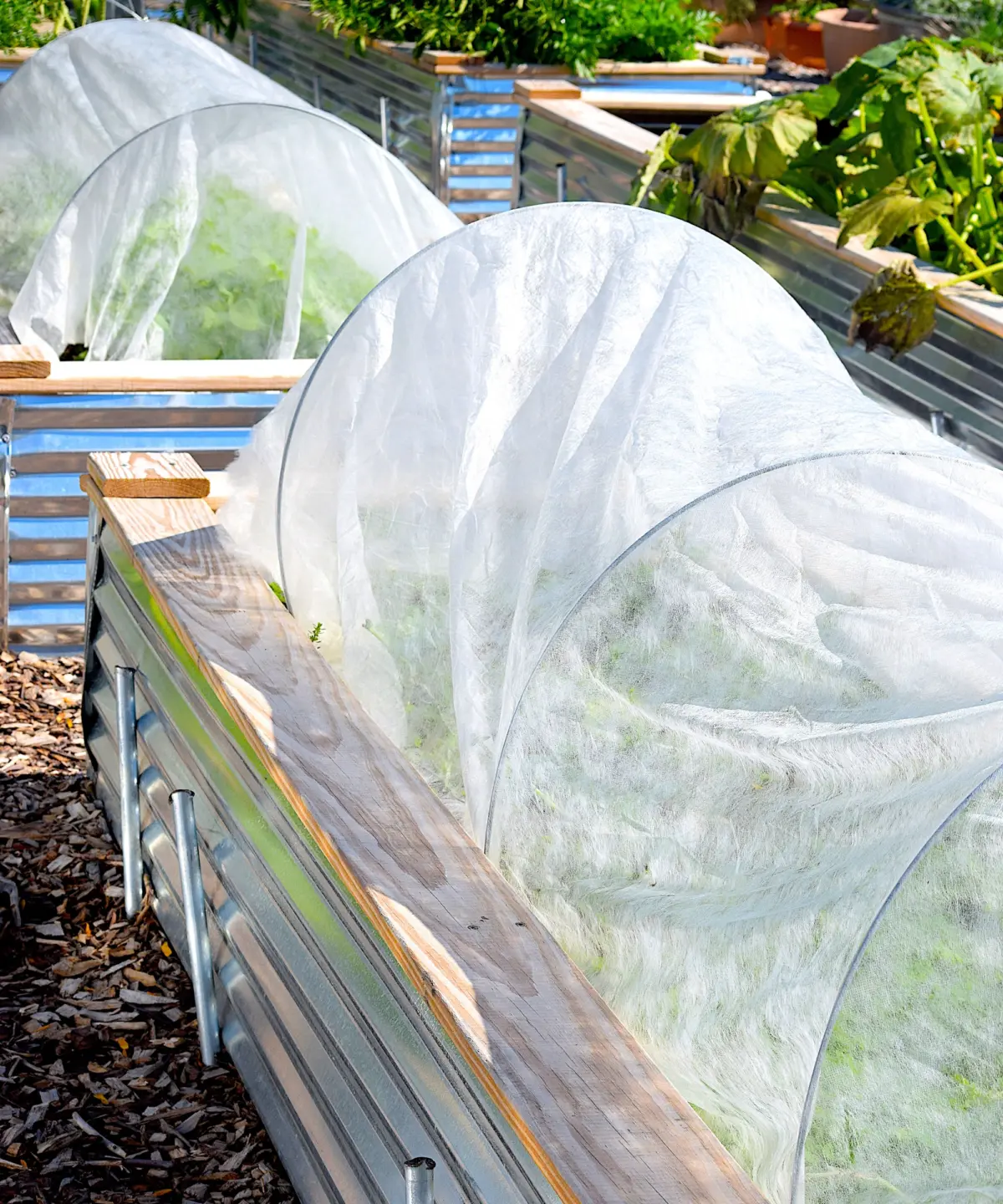
Frost cloth is a lightweight, breathable material—typically manufactured from high-quality spun polypropylene fabric—that is placed over plants to create a protective microclimate. By trapping heat radiating from the soil and blocking harsh winds, frost cloth can elevate the temperature beneath the cover by several degrees compared to the ambient air outside.
The most critical factor when purchasing frost cloth is its grade, measured in ounces per square yard (oz/sq. yd.). The weight of the fabric directly correlates to two competing factors:
- Cold Protection: Heavier fabrics provide superior insulation against lower temperatures.
- Light Transmission: Lighter fabrics allow more sunlight to penetrate the material, which is vital for photosynthesis and daytime solar heat trapping.
Understanding this balance prevents gardeners from inadvertently starving their plants of light while trying to protect them from frost.
- Lightweight Grades (0.55 oz to 0.9 oz): Ideal for mild frosts, early spring seed germination, pest control, and extending the autumn growing season. These fabrics offer high light transmission (often 70% to 85%) and protect down to roughly 26°F–28°F.
- Mid-Range Grades (1.2 oz to 1.5 oz): The most versatile option for general winter gardening. These fabrics balance moderate frost protection (down to 22°F–24°F) with decent light transmission (50% to 60%), making them ideal for overwintering hardy vegetables and shrubs without breaking the bank.
- Super Heavyweight Grades (2.0 oz and above): Designed for harsh winters and deep freezes, protecting down to 20°F or lower. However, light transmission drops significantly (often to 30% or less), making these materials best suited for short-term emergency freezes or wrapping dormant potted plants rather than long-term season extension.
Chronology: A Seasonal Guide to Garden Protection
Successfully utilizing frost cloth is not a one-time event; it requires a strategic, year-round approach aligned with seasonal shifts.
Spring: Germination and Early Protection
As winter thaws, lightweight frost cloths (around 0.55 oz) serve a dual purpose. Laid over newly planted beds, they create a mini-greenhouse effect that accelerates seed germination by warming the soil. Furthermore, they act as an effective physical barrier against early-season insect pests without trapping excessive heat as daily temperatures begin to climb.
Summer: Heat Shielding and Pest Control
While frost cloth is primarily associated with cold weather, lightweight variations are frequently repurposed during peak summer. Gardeners use high light-transmission fabrics to gently shade delicate crops—such as cool-season greens that might bolt in a heatwave—while continuing to deter destructive pests.
Autumn: Season Extension
As temperatures dip below comfortable thresholds in the fall, gardeners deploy mid-range (1.2 oz) frost cloths over raised beds and vegetable patches. This practice shields sensitive plants from the season’s first unexpected hard frosts, allowing late-season root crops, brassicas, and leafy greens to mature safely for weeks past their natural expiration date.
Winter: Overwintering and Deep Freezing
When true winter arrives, the strategy shifts based on local hardiness zones. Borderline-hardy plants, perennial shrubs, and winter vegetables are encased in mid-to-heavyweight row covers supported by garden hoops. For regions experiencing severe sub-zero vortexes, super heavyweight cloths or specialized wrapping techniques are deployed to protect vulnerable root systems and woody stems.
Supporting Data: Comparing Frost Cloth Grades
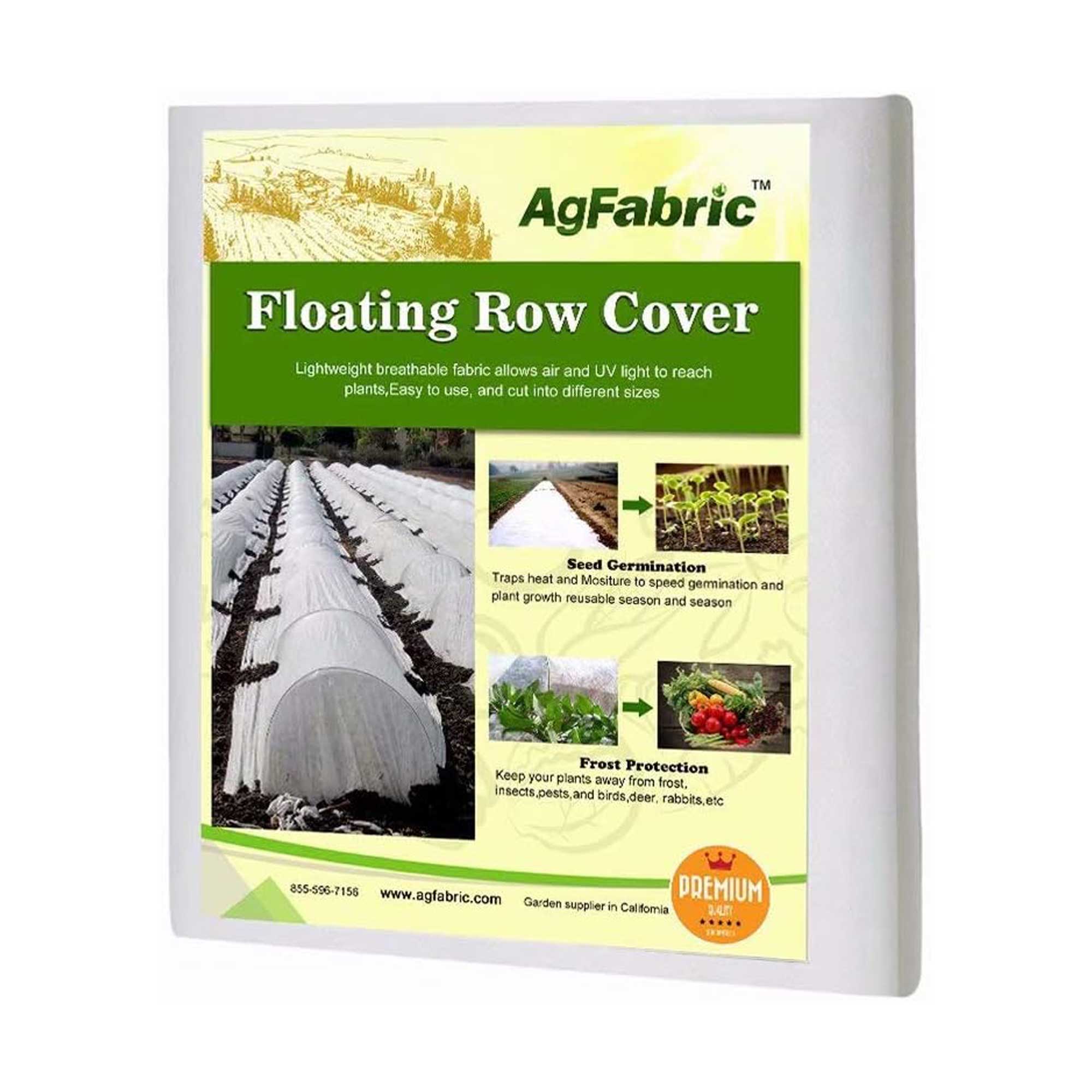
To help gardeners make informed purchasing decisions, industry standards for popular Agfabric options illustrate how weight impacts performance:
| Fabric Weight (oz/sq. yd.) | Typical Dimensions | Cold Protection Threshold | Light Transmission | Best Recommended Use |
|---|---|---|---|---|
| 0.55 oz | 10 ft. x 100 ft. | Down to 28°F | 85% | Spring germination, mild frost, pest barrier, summer shading |
| 0.9 oz | 10 ft. x 25 ft. | Down to 26°F | 70% | Autumn season extension, light frost protection |
| 1.2 oz | 10 ft. x 25 ft. | Down to 24°F | 60% | General winter protection, overwintering vegetables, mid-range zones |
| 1.5 oz | 16 ft. x 25 ft. | Down to 22°F | 50% | Colder climates, snow/hail resistance |
| 2.0 oz+ | Custom / Heavy | Down to 20°F & below | ~30% | Deep freezes, wrapping potted plants, emergency storm cover |
Note: Availability spans major home improvement retailers and online marketplaces, including The Home Depot, Amazon, and Walmart.
Practical Application: Best Practices for Installation
Owning the right grade of frost cloth is only half the battle; proper installation determines whether your plants survive or succumb to the elements.
1. Always Use Support Hoops
One of the most common mistakes beginners make is draping frost cloth directly over plant foliage. When moisture freezes on the fabric, it can freeze directly to the plant leaves, causing severe cellular damage. Furthermore, direct contact restricts air circulation.

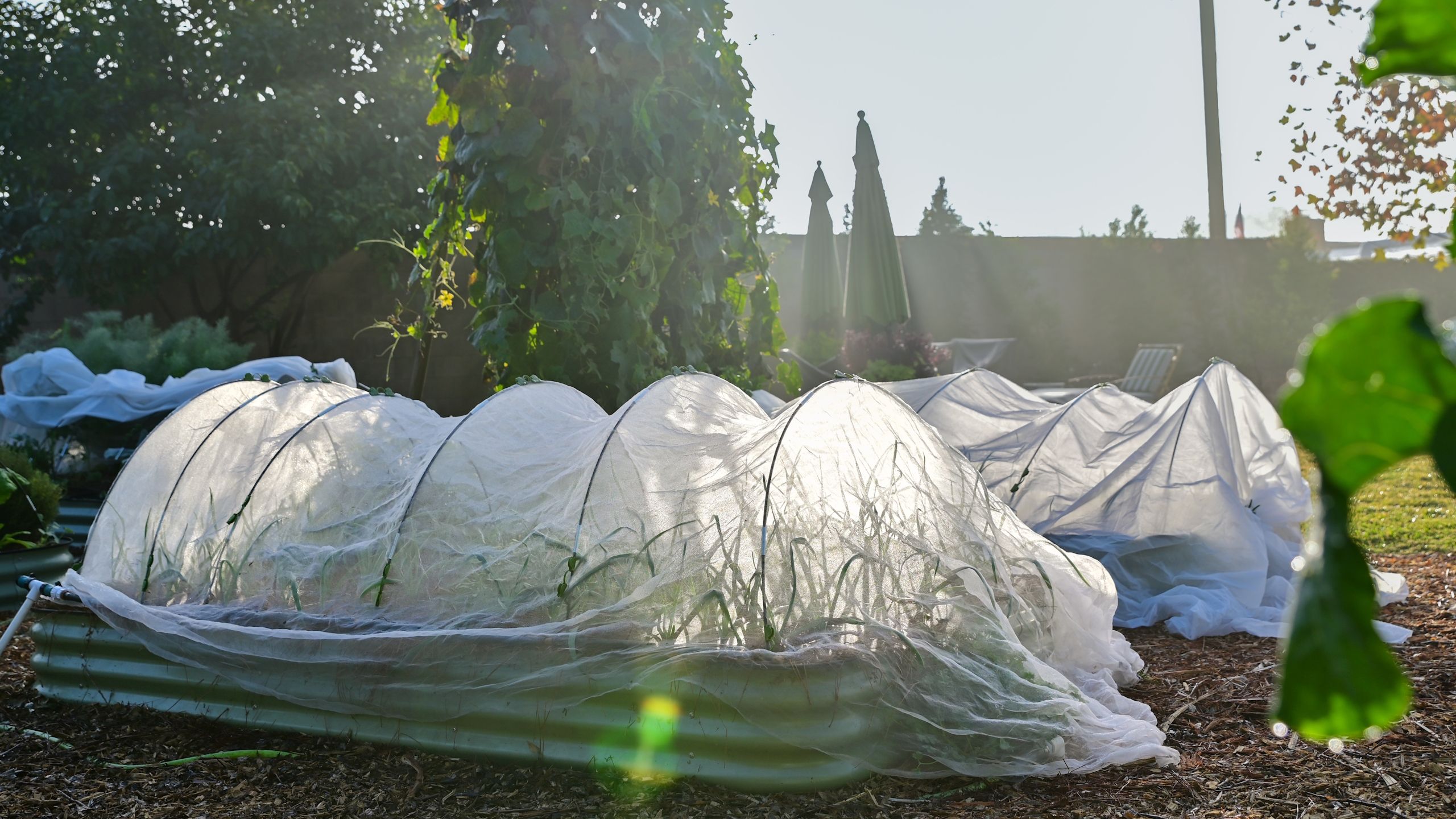
- The Solution: Install rust-free fiberglass or metal garden hoops across your raised beds or in-ground rows. Draping the cloth over these hoops creates an insulated dome where warm air can circulate safely around stems, leaves, and buds.
2. Secure the Edges Tightly
Winter winds can easily catch loose fabric, whipping it away from beds and exposing plants to sudden freezes.
- The Solution: Weigh down the edges of the frost cloth securely using bricks, heavy stones, or specialized landscape staples. Ensuring a tight seal at ground level prevents cold drafts from seeping underneath the canopy.
3. Match Fabric to Climate
Do not automatically assume that thicker is better. If you live in a mild climate (such as USDA Hardiness Zones 8–10) and use a 2.0 oz super heavyweight cloth during a mild winter day, the trapped heat and lack of ventilation can actually cook or suffocate your plants. Conversely, gardeners in Hardiness Zones 4–6 will find lightweight cloths entirely inadequate against deep, prolonged freezes.
Implications: Sustainable Alternatives and Future Outlook
As environmental awareness grows among consumers, the horticultural industry faces increased scrutiny regarding the proliferation of single-use and synthetic materials. Standard frost cloths are predominantly constructed from spun polypropylene—a form of plastic.
For eco-conscious gardeners seeking to minimize their ecological footprint and eliminate plastic from their yards, several traditional, biodegradable alternatives offer viable cold protection:
- Burlap Fabric Rolls: Natural, breathable, and biodegradable, burlap is an exceptional choice for wrapping tree trunks, shrubbery, and container plants against winter frost.
- Organic Mulches: Applying thick layers of straw, leaf mold, or wood chips around the base of perennial plants insulates root systems from sub-freezing soil temperatures.
- Wooden Cold Frames: Traditional glass or wooden cold frames provide rigid, long-lasting structural protection that can be utilized year after year without relying on synthetic textiles.
Conclusion
As the climate continues to exhibit unpredictable weather patterns—featuring sudden, unseasonal drops in temperature—investing in proper garden protection is more important than ever. By understanding the nuances of frost cloth grades, light transmission rates, and proper installation techniques, gardeners can successfully extend their growing seasons, protect prized perennials, and ensure a vibrant, resilient garden ready to burst into life when spring returns.
