

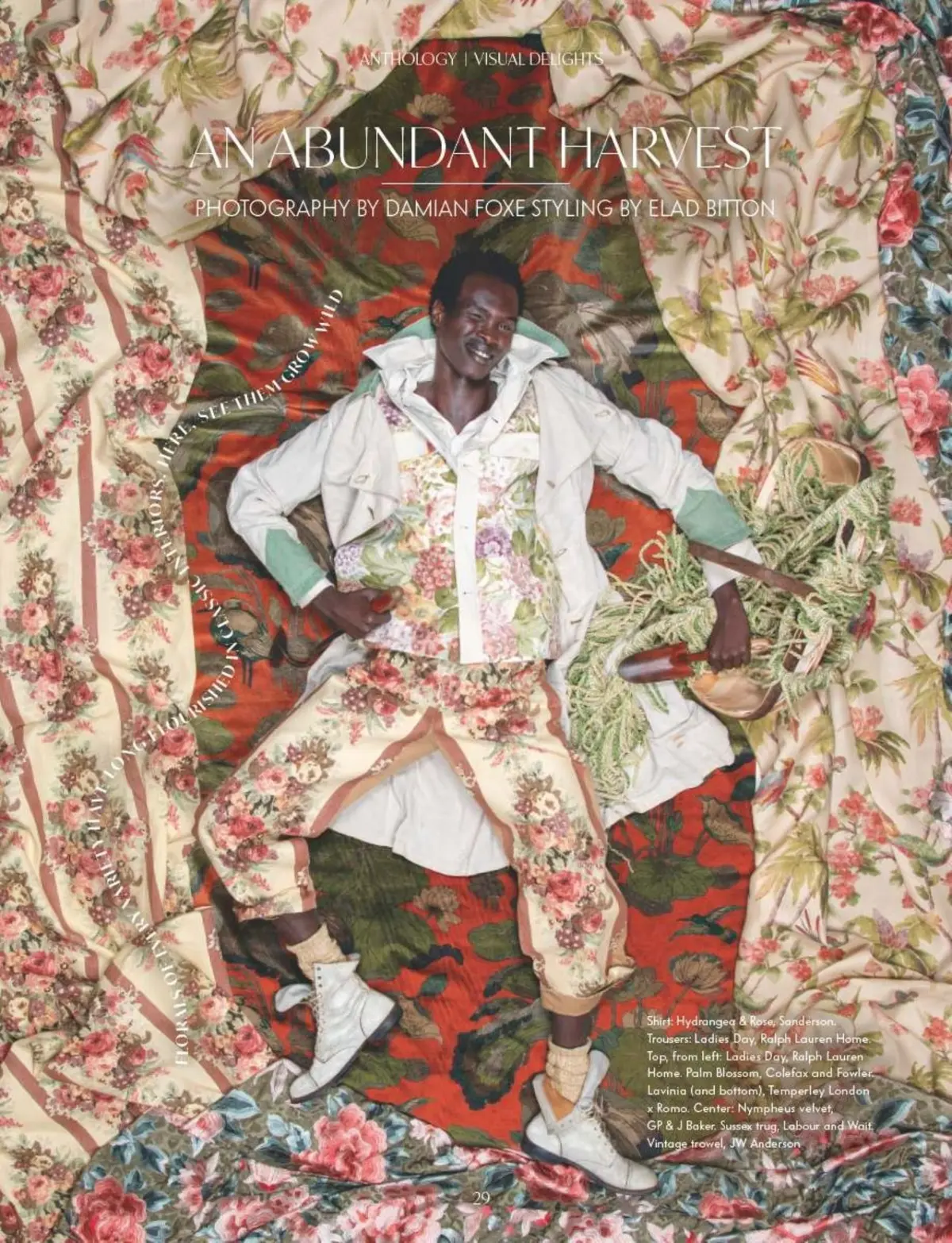
NEW YORK — In an era dominated by rapid-fire scrolling, algorithmic feeds, and the constant hum of digital acceleration, one of the most enduring names in interior design is hitting the pause button. For over a century, Homes & Gardens has chronicled the evolving aesthetic of domestic life, establishing a gold standard for elegance, comfort, and horticultural grace. Today, the storied publication is expanding its cultural footprint with the debut of Homes & Gardens Anthology—a meticulously crafted, large-format, biannual print publication and accompanying digital destination designed to give design narratives the space, depth, and time they truly deserve.
Curated for a devoted and expanding American readership as well as design aficionados globally, Anthology arrives as a deliberate antidote to transient media. It is conceived not merely as a magazine to be consumed and discarded, but as a collector’s item: a physical object meant to be kept, displayed, revisited, and savored slowly.
Main Facts: What is Homes & Gardens Anthology?
At its core, Homes & Gardens Anthology is an independent-spirited offshoot of its century-old parent publication, engineered to explore the world of design through a richer, more thoughtful, and occasionally irreverent lens.
- The Format: A premium, large-format, biannual print publication supported by a dynamic weekly digital ecosystem.
- The Focus: Extraordinary homes, original intellectual property, intimate profiles of tastemakers, cultural commentary, and a heavily curated selection of people, places, and objects worth knowing.
- The Inaugural Theme: The first issue dives deeply into the enduring, symbiotic relationship between British and American design.
- The Leadership: Shaped by "The Anthologists"—a collective of leading international editors, designers, makers, and visionaries defining contemporary interiors.
- The Aesthetic Vision: Rooted in a classic English perspective yet expansively international in its worldview, balancing timeless architectural craft with modern sensibilities.
Chronology: A Century of Storytelling Evolves
To understand the genesis of Anthology, one must look at the remarkable trajectory of Homes & Gardens over the past hundred years and its recent digital renaissance.
1919 – 1999: Establishing the Blueprint
Founded in the United Kingdom in the wake of the First World War, Homes & Gardens emerged during a period when society was radically rethinking domestic spaces. Originally focused on practical domestic economy combined with high aesthetic standards, the magazine quickly became an indispensable guide for homeowners navigating the interwar period, mid-century modernism, and the shifting paradigms of late-20th-century interior architecture.
2000 – 2023: The Digital Expansion
As media consumption shifted toward the web, Homes & Gardens successfully transitioned into a powerhouse digital presence. Over the last decade, the brand cultivated a massively devoted digital readership across the United States, proving that an appetite for sophisticated architectural storytelling, gardening tips, and interior inspiration transcends geographic boundaries.
2024 – Present: The Birth of Anthology
Recognizing a growing cultural fatigue with fast-paced digital content, the editorial team began conceptualizing a companion publication that would honor the tactile nature of print. Anthology was born from the desire to offer an alternative: a space where photography could be printed at a true scale, and where complex stories about craft, history, and design philosophy could unfold over multiple pages rather than fleeting seconds.
Supporting Data: The Resurgence of Print and the Transatlantic Design Exchange
The launch of Anthology is underpinned by fascinating shifts in both media consumption habits and international design trends.
The Print Renaissance Among Digital Natives
Market research over the last five years has consistently highlighted an unexpected demographic trend: younger audiences—particularly Millennials and Generation Z—are driving a resurgence in physical, high-end print publications and "slow media." According to publishing industry metrics, consumers suffering from screen fatigue are increasingly willing to invest in premium, tangible reading experiences that act as decorative objects in the home ("coffeetable culture"). Anthology’s large-format, biannual print strategy is precisely calibrated to meet this demand.
The Transatlantic Design Dialogue
The inaugural issue of Anthology focuses on the centuries-old exchange of architectural and decorative ideas between Britain and the United States. Historical data underscores how profound this relationship has always been:
- The 18th and 19th Centuries: American Federal and Colonial revival architecture drew heavily from British pattern books (such as those by Asher Benjamin, inspired by English contemporaries).
- The 20th Century: The migration of modernist ideas, the Arts and Crafts movement, and mid-century antiques trade saw a continuous loop of taste-making cross the Atlantic.
- The Modern Era: Today, supply chains, digital globalization, and digital nomadism among designers have rendered this exchange more reciprocal than ever. British interior designers frequently source from American flea markets and craftspeople, while American tastemakers constantly look to English country house aesthetics for inspiration in creating layered, soulful spaces.
Official Perspectives and Behind the Scenes
The philosophy driving the new publication is rooted in the belief that great design cannot be rushed. Editorial leaders behind the project have emphasized that Anthology serves as a sanctuary for voices that often get sidelined in fast-paced media cycles.
"Print offers something fundamentally different," notes the editorial collective behind the launch. "It gives stories room to breathe, lets photography have true scale, and allows complex ideas to unfold over pages rather than seconds. In an increasingly fast-moving digital world, Anthology is deliberately slower and more considered."
The title itself—Anthology—was chosen with deliberate care. Historically, an anthology represents a curated collection of literary or artistic works gathered together to form a cohesive, elevated whole. True to its name, the publication brings together disparate creative threads:
- Intimate Profiles: Deep dives into the minds of contemporary artisans, architects, and gardeners.
- Cultural Commentary: Essays exploring why we live the way we do and how our living spaces reflect societal shifts.
- Behind-the-Scenes Access: The publication has rolled out exclusive digital content, including a look behind the scenes of its inaugural cover shoot, giving readers an unvarnished view of how its striking visual identity is constructed.
Weekly updates, essays, and interviews continue to live online via the Anthology digital portal, curated by "The Anthologists"—a handpicked brain trust of top-tier editors, designers, and cultural critics.
Implications: What Anthology Means for the Future of Design Media
The launch of Homes & Gardens Anthology carries significant implications for the publishing and interior design industries at large.
1. The Validation of "Slow Journalism" in Design
For years, digital publishing models have forced media outlets to prioritize SEO-driven listicles, quick home tours, and viral trend pieces. By creating a dedicated, high-end print product alongside a contemplative digital space, Homes & Gardens is proving that there is commercial and cultural viability in "slow journalism." It signals to the broader media landscape that audiences crave intellectual rigor and historical context alongside aesthetic inspiration.
2. Redefining the Anglo-American Design Axis
By centering its first issue on the transatlantic dialogue between British and American aesthetics, Anthology is actively shaping how designers view cross-cultural influences. In an era where globalization often threatens to homogenize design—leading to a ubiquitous "Pinterest-neutrals" aesthetic—highlighting regional craft, historic preservation, and cultural idiosyncrasies encourages a return to authentic, character-driven interiors.
3. A New Standard for Brand Extensions
For legacy media brands, transitioning from digital to print in the 21st century is a counter-intuitive move. Most legacy brands are desperately trying to cut print costs to move entirely online. Anthology flips this script, demonstrating that a trusted century-old brand can leverage its digital audience to launch a luxury, tactile print product that enhances brand equity rather than diluting it.
How to Engage with Anthology
For those looking to immerse themselves in this new chapter of design storytelling, Anthology is available across multiple platforms:
- Subscribe: Readers can secure the biannual print edition via Magazines Direct.
- Explore Online: Weekly stories, interviews, and essays can be accessed by bookmarking the Anthology Online Portal.
- Join the Community: Follow the editorial journey on Instagram at @homesandgardensanthology for daily doses of visual inspiration, behind-the-scenes access, and a richer, more thoughtful view of design.
