

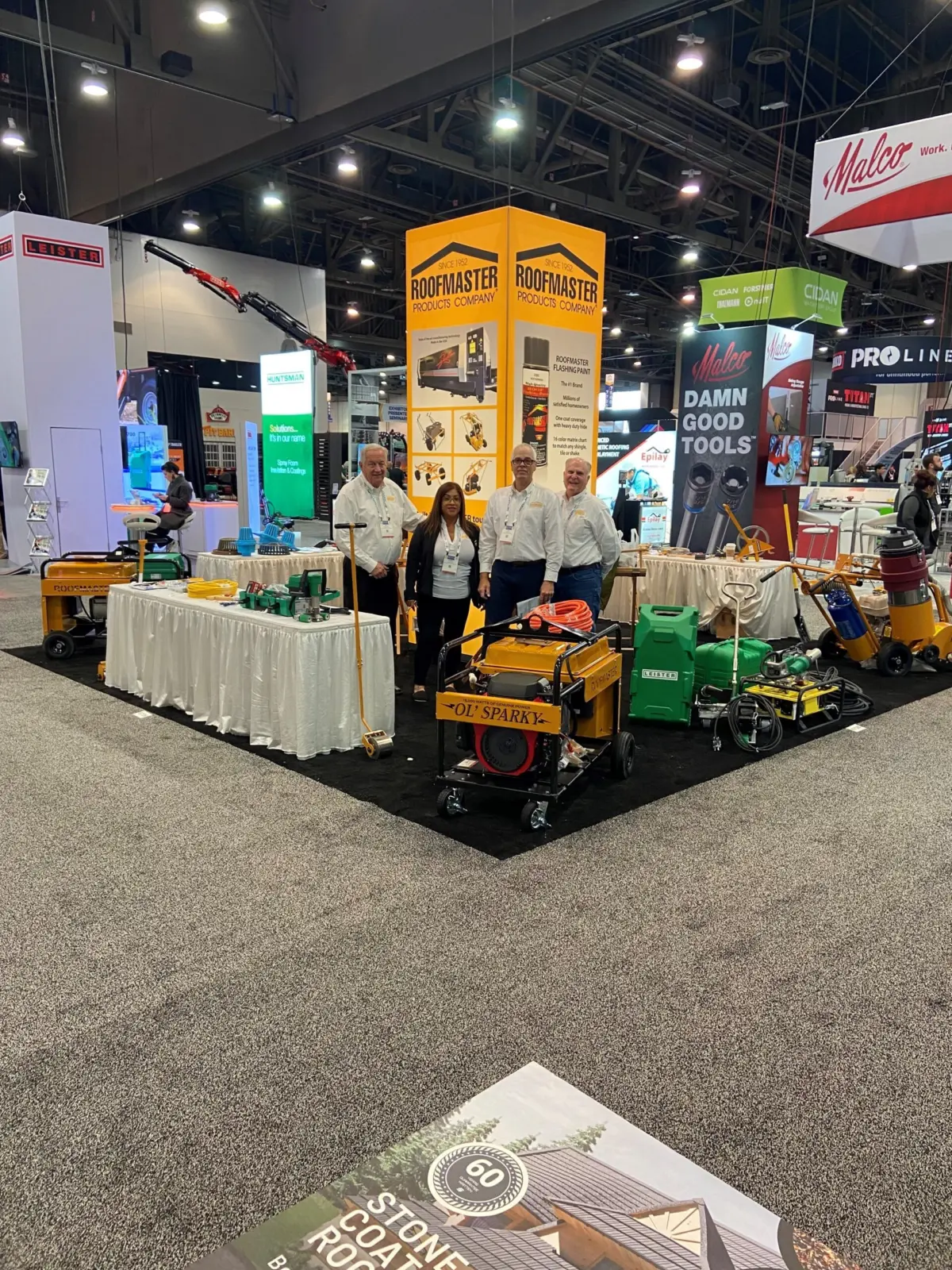
LOS ANGELES, CA — In an era defined by volatile supply chains, shifting safety regulations, and a persistent labor shortage in the construction sector, Roofmaster Products, a leading manufacturer and distributor of commercial roofing equipment, has finalized a comprehensive restructuring of its distribution infrastructure. The company’s newly optimized catalog consolidates thousands of highly specialized stock-keeping units (SKUs) into a streamlined, multi-tiered digital procurement platform.
This operational shift comes at a critical juncture for the commercial roofing sector. Contractors are increasingly forced to balance the high-intensity demands of traditional Built-Up Roofing (BUR) and modified bitumen systems with the rapid growth of single-ply membranes and solar-ready installations. By restructuring its extensive inventory—ranging from heavy-duty hot asphalt kettles to precision single-ply hot air welders and advanced drainage systems—Roofmaster aims to reduce procurement friction and mitigate project delays for commercial contractors across North America.
Main Facts: Addressing Vendor Fragmentation in a Specialized Market
The commercial roofing industry has long struggled with vendor fragmentation. Unlike residential roofing, which relies on a relatively uniform set of materials and tools, commercial roofing requires highly specialized equipment tailored to specific architectural designs, weatherproofing requirements, and structural decks.
+-----------------------------------------------------------------------------+
|                         ROOFMASTER PRODUCT ECOSYSTEM                        |
+-----------------------------------------------------------------------------+
|  [Heavy Thermal BUR]   [Single-Ply Systems]   [Safety & Fall Arrest]  ...   |
|  - Asphalt Kettles     - Hot Air Welders      - Roof Anchors          |   |
|  - Litewall Tubing     - Adhesive Rollers     - Harnesses             |   |
|  - Mops & Mop Carts    - Steel/Rubber Rollers - Perimeter Warnings    |   |
+------------------------------------+----------------------------------+-----+
                                     |
                                     v
                  +------------------------------------+
                  |    Optimized Procurement Engine    |
                  +------------------------------------+
                                     |
                                     v
                  +------------------------------------+
                  |  - Reduced Lead Times              |
                  |  - Standardized Safety Compliance   |
                  |  - Multi-System Compatibility      |
                  +------------------------------------+
Roofmaster’s restructured catalog addresses this challenge by organizing its inventory into distinct operational nodes:
- Thermal Application & BUR Equipment: Including Roofmaster hot asphalt kettles, litewall tubing, tanker pumps, and kerosene or LP burner parts.
- Single-Ply & Modified Bitumen Tools: Featuring automatic hot air welders, modified bitumen LP torches, adhesive rollers, and steel/rubber compression rollers.
- On-Deck Transport & Materials Handling: Comprising powered tear-off equipment, heavy-duty conveyors (including FBR and HSDF conveyor parts), turntables, outriggers, and material handling carts.
- Water Management & Drainage Systems: A comprehensive suite of retrofit and new-installation drains in cast iron, aluminum, copper, and plastic, alongside clamping rings, domes, and scuppers.
- Fall Protection & Personal Safety: OSHA-compliant fall arrest systems, harnesses, roof anchors, perimeter warning lines, and heat/burn first aid kits.
By consolidating these disparate categories under a single digital roof, the company provides a single source of truth for procurement officers managing diverse project portfolios.
Chronology: The Evolution of Commercial Roofing Technology
To understand the necessity of Roofmaster’s inventory restructuring, it is essential to trace how commercial roofing technology and materials have evolved over the last several decades.
The Era of Built-Up Roofing (BUR) and Hot Asphalt (1950s–1980s)
For decades, commercial roofing was synonymous with hot asphalt, felt layers, and gravel. Contractors relied heavily on mechanical equipment designed to melt, transport, and apply hot bitumen. Roofmaster established its foundational footprint during this era, developing heavy-duty kettles, tanker pumps, mop carts, and hand tools like scoop shovels and tear-off spades. The supply chain was relatively straightforward, focused on durable metal fabrication and mechanical parts.
The Rise of Single-Ply Membranes and Modified Bitumen (1990s–2000s)
The introduction of single-ply membranes (such as TPO, PVC, and EPDM) and modified bitumen systems revolutionized the market. These materials offered faster installation times and reduced the carbon footprint on-site. However, they required an entirely new class of tools.
Contractors needed precise temperature-controlled hot air welders, specialized adhesive rollers, and modified bitumen torches. This transition forced distributors to carry parallel inventories: one for traditional "hot" roofing and another for "cold" or single-ply applications.
Digital Integration and Safety Mandates (2010s–Present)
In recent years, the regulatory landscape has tightened. OSHA has intensified its enforcement of fall protection and heat-stress standards, making safety equipment a primary line-item on every commercial bid. Simultaneously, supply chain disruptions and inflation have squeezed contractor margins.
In response, Roofmaster began the multi-phase development of its unified digital database, culminative in this month’s launch of a streamlined procurement portal designed to eliminate order errors and reduce lead times for critical replacement parts.
Supporting Data: Operational Breakdown of the Product Ecosystem
An analysis of Roofmaster’s inventory reveals the sheer breadth of technical specifications required to keep a modern commercial roofing crew operational. The following sections detail the core divisions of the restructured catalog and their field applications.
1. Thermal and Heavy Equipment Systems
Traditional hot-applied roofing remains a staple for high-security, long-life-cycle structures like hospitals and municipal facilities. Maintaining these systems requires robust thermal management.
| Equipment Class | Key Components / SKUs | Field Application |
|---|---|---|
| Hot Kettles | LP & Butane Burners, Kerosene Parts, Valves, Frame Run Gear | Melting bulk asphalt to application temperatures (400°F–500°F). |
| Fluid Transfer | Tanker Pumps, Litewall Tubing, Unions, Rubber Flex Hoses, Top Swivels | Transporting molten bitumen from ground level to high-rise roof decks. |
| Application Tools | Mop Carts, Cotton/Fiberglass Mops, Red Top Mops, Hand Pouring Pots | Even distribution of asphalt across base plies and glass fabrics. |
2. Single-Ply and Spraying Infrastructure
Single-ply installations require absolute precision to ensure watertight seams. Even a minor temperature fluctuation in a hot air welder can lead to seam failure.
- Hot Air Welders & Parts: Automated and hand-held welders join TPO and PVC sheets using heat and compression. Roofmaster’s inventory includes specialized welder parts and accessories to prevent on-site downtime.
- Adhesive Rollers and Frames: Heavy-duty frames designed to apply bonding adhesives evenly without degrading under harsh solvents.
- Spraying Systems: Advanced systems like the GranuleMaster and WarmMaster, alongside pole guns, hoses, swivel adaptors, and replacement engines, allow for the rapid application of protective coatings and gravel toppings.
3. Safety Compliance and Fall Protection
With falls remaining the leading cause of fatalities in the construction industry, safety equipment is no longer an afterthought. It is a highly regulated, mandatory component of every job site.
                  +------------------------------------+
                  |   OSHA COMPLIANT FALL ARREST NODE  |
                  +------------------------------------+
                                     |
      +------------------------------+------------------------------+
      |                              |                              |
      v                              v                              v
+------------+                 +------------+                 +------------+
|  Harnesses |                 |    Roof    |                 | Perimeter  |
|  & Lanyards|                 |  Anchors   |                 |  Warnings  |
+------------+                 +------------+                 +------------+
Roofmaster has grouped its safety inventory to facilitate rapid compliance audits:
- Fall Arrest & Harnesses: Ergonomic, multi-point harnesses designed for prolonged wear on high-slope or flat decks.
- Roof Anchors: Temporary and permanent anchorage points engineered to secure to various deck types (wood, concrete, metal).
- Perimeter Warning & Warning Lines: Cones, warning flags, and barrier tapes used to establish safe work zones and roof-edge boundaries.
4. Water Management and Retrofitting
Commercial flat roofs are highly susceptible to ponding water, which can cause structural failure if left unaddressed. Roofmaster’s drainage division provides solutions for both new construction and retrofitting existing structures.
- Retrofit Drains: Available in aluminum, copper, and plastic, these drains allow contractors to replace failed drainage points without tearing out the surrounding roof membrane.
- New Installation Drains: Cast iron drains (ranging from small to large sump systems) designed to handle high-volume rainfall.
- Accessories: Clamping rings, domes, scuppers, and side-outlet drains ensure compatibility with various deck configurations.
Official Responses: Industry and Corporate Perspectives
Commenting on the strategic restructuring, industry analysts and company representatives emphasize the shift toward digital-first procurement in industrial construction.
"The commercial roofing contractor can no longer afford to spend hours calling multiple suppliers to source a specialized kettle valve, a TPO hot air welder tip, and OSHA-compliant roof anchors," said Marcus Vance, a senior supply chain analyst specializing in the construction sector. "By integrating these niche categories into a unified database, distributors are essentially acting as an extension of the contractor’s project management team."
In an internal communication regarding the platform upgrade, Roofmaster’s product development team highlighted the technical precision behind the catalog structure:
"Our goal was to eliminate the technical ambiguity that often plagues industrial purchasing. Whether a contractor is looking for a specific FBR conveyor part, a replacement kettle engine, or a particular copper retrofit drain, our restructured platform ensures they can locate the exact part number and its compatible accessories in under three clicks. This is about keeping crews on the roof and minimizing costly machine downtime."
Implications: How Streamlined Procurement Shapes the Commercial Sector
The modernization of Roofmaster’s product database has several long-term implications for the commercial construction and roofing sectors.
Mitigating Labor Shortages Through Specialized Tooling
As skilled labor remains scarce, contractors are relying on labor-saving machinery to maintain project schedules. Tools like powered tear-off machines, automated feltlayers, and high-efficiency conveyors can reduce the manpower required on deck by up to 30%. Easy access to replacement parts for these advanced machines ensures that contractors can maximize their mechanical leverage without fear of extended downtime.
Enhancing Regulatory Compliance and Reducing Liability
By grouping fall protection, personal safety, and disposal/containment systems into a highly visible, easily accessible category, Roofmaster encourages contractors to order safety gear alongside their standard installation tools. This integration helps safety managers ensure that every crew is equipped with compliant harnesses, anchors, and first aid kits, ultimately lowering the risk of OSHA citations and reducing corporate liability.
Streamlining Historical Preservation and Specialty Work
Many commercial projects involve historical structures that require niche materials, such as copper nails, slate cutters, soldering tools, and Irish felt. By maintaining a robust inventory of these traditional tools alongside cutting-edge single-ply technologies, Roofmaster preserves its support for specialty craftsmen while pushing the industry toward a more efficient, digitally integrated future.
