

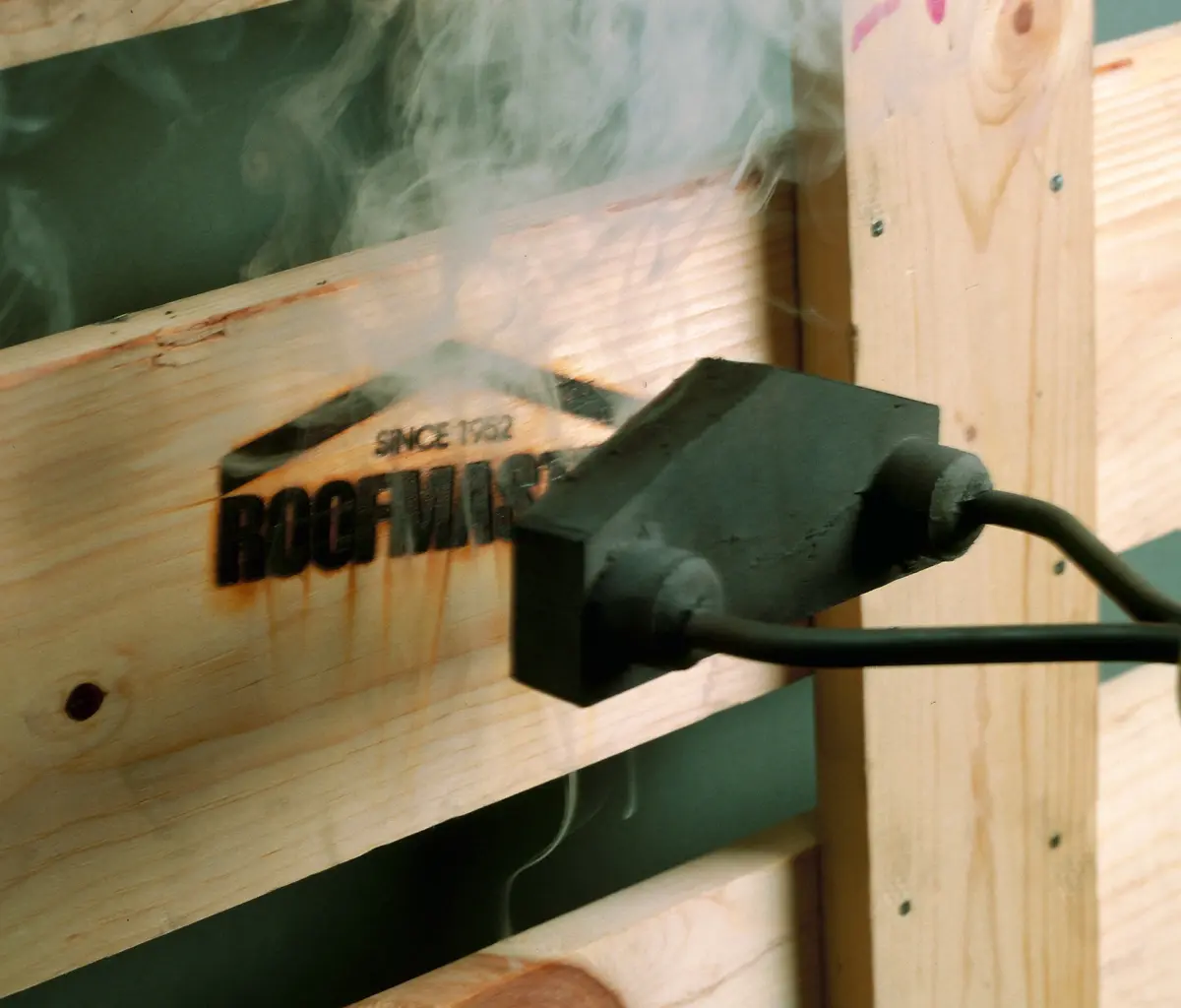
The commercial and residential roofing industries represent some of the most labor-intensive, hazardous, and logistically complex sectors within modern construction. As building codes tighten, safety regulations expand, and material technologies evolve, the demand for highly specialized tools has surged. At the center of this supply chain is Roofmaster Products Company, a manufacturer and distributor whose expansive product portfolio serves as a blueprint for modern roofing practices.
From traditional hot-asphalt systems to cutting-edge thermoplastic single-ply membranes, the equipment utilized on modern roof decks must meet rigorous standards of durability, efficiency, and regulatory compliance. This comprehensive industry analysis explores the technical, economic, and safety dimensions of the roofing equipment market, utilizing Roofmaster’s extensive product ecosystem as a primary case study.
Main Facts: The Scope and Scale of Roofing Equipment Supply
The roofing industry is divided into distinct segments based on material composition, building structure, and application methods. To support these diverse methodologies, suppliers must maintain a vast inventory of mechanical, chemical, and structural products. An analysis of the commercial roofing supply chain reveals several critical realities:
- Diversified Application Methodologies: Modern commercial roofing is no longer dominated by a single technology. Contractors must navigate Built-Up Roofing (BUR), Modified Bitumen (Mod-Bit), Single-Ply (TPO, PVC, EPDM), and Liquid-Applied systems. Each requires a completely distinct set of tools, ranging from traditional cotton mops and kerosene-fired kettles to advanced electronic hot-air welders and automated spray rigs.
- Logistical Complexity on the Roof Deck: Operating a construction site multiple stories in the air presents unique material-handling challenges. Contractors rely on specialized hoisting equipment, non-powered roof hoists, conveyors (such as FBR and HSDF systems), and material-handling carts to safely transport tons of material from ground level to the roof deck.
- The Regulatory Safety Mandate: Roofing consistently ranks among the most hazardous occupations globally. Consequently, the safety equipment market—spanning fall arrest harnesses, roof anchors, perimeter warning lines, and shoe protection—is not merely accessory; it is a legally mandated, highly engineered sector of the industry.
- Maintenance and Lifecycle Support: The commercial roofing market is heavily weighted toward re-roofing and maintenance rather than new construction. This drives continuous demand for tear-off tools, debris tarps, trash chutes, retrofit drains (including aluminum, plastic, and copper variants), and localized repair tools like soldering irons and seam testers.
Chronology: The Evolution of Roofing Technology and Equipment
The tools found on a modern roof deck are the result of more than a century of industrial evolution. Understanding this timeline explains why highly traditional tools coexist alongside computerized automated machinery in modern equipment catalogs.
The Era of Hot Asphalt and Built-Up Roofing (1890s–1970s)
For decades, commercial roofing was synonymous with Built-Up Roofing (BUR). This process required melting solid asphalt blocks in large, towable kettles heated by kerosene or liquid propane (LP) burners. The molten asphalt was pumped to the roof deck and spread using cotton or fiberglass mops to laminate layers of organic or fiberglass felt.
During this era, innovation focused on the mechanics of heat and flow. Manufacturers developed heavy-duty asphalt kettles, high-flow tanker pumps, litewall tubing, and specialized mop carts to improve the safety and speed of hot-asphalt transport.
The Rise of Modified Bitumen and Single-Ply Membranes (1970s–1990s)
In response to oil crises and the demand for less labor-intensive installations, the industry introduced Modified Bitumen (Mod-Bit) and single-ply synthetic membranes like EPDM (rubber), PVC, and TPO (thermoplastics).
Mod-Bit introduced the use of open-flame propane torches to melt the underside of polymer-modified sheets. Single-ply systems, conversely, required entirely new cold-applied adhesives or thermal welding technologies. This transition catalyzed the development of:
- Hand-held and automated hot-air welders to fuse membrane seams.
- Adhesive rollers, frames, and material hose clamps for cold-applied bonding agents.
- Steel and rubber silicone rollers to ensure uniform pressure during seam bonding.
The Safety and Automation Revolution (2000s–Present)
The 21st century has been defined by federal safety crackdowns, particularly by the Occupational Safety and Health Administration (OSHA) in the United States, alongside a chronic shortage of skilled labor.
These pressures have shifted the industry’s focus toward safety integration and mechanical automation. Equipment manufacturers have responded with advanced fall arrest systems, perimeter warning lines, and motorized deck equipment such as powered feltslitters, roof saws equipped with carbide blades, and automated spraying systems like the "GranuleMaster" and "WarmMaster" for liquid-applied coatings.
Supporting Data: Mapping the Product Ecosystem
To understand the operational flow of a commercial roofing project, it is instructive to categorize the hundreds of individual tools and components required to execute a modern installation. These products can be organized into six primary functional categories.
                      ┌──────────────────────────────────────────┐
                      │       ROOFING PRODUCT ECOSYSTEM          │
                      └────────────────────┬─────────────────────┘
                                           │
         ┌───────────────────┬─────────────┴─────────────┬───────────────────┐
         ▼                   ▼                           ▼                   ▼
┌─────────────────┐ ┌─────────────────┐         ┌─────────────────┐ ┌─────────────────┐
│Thermal & Asphalt│ │Single-Ply & Mod │         │Water Management │ │Safety & Fall    │
│    Systems      │ │    Bitumen      │         │   & Drainage    │ │   Protection    │
└────────┬────────┘ └────────┬────────┘         └────────┬────────┘ └────────┬────────┘
         │                   │                           │                   │
         ├─ Kettles & Pumps  ├─ Hot-Air Welders          ├─ Retrofit Drains  ├─ Fall Arrest
         ├─ Litewall Tubing  ├─ Silicone Rollers         ├─ Scuppers & Domes ├─ Roof Anchors
         └─ Mops & Carriers  └─ LP Torches               └─ Clamping Rings   └─ Warning Lines
1. Thermal Processing and Asphalt Handling
For projects utilizing traditional asphalt-based systems, precise thermal control and safe fluid dynamics are paramount. This segment includes:
- Kettles and Burner Accessories: High-capacity kettles heated by LP or butane burners require specialized regulators, high-pressure hoses, and precise thermometers to prevent dangerous flashpoints.
- Fluid Delivery Systems: Heavy-duty tanker pumps, litewall tubing, unions, flexmetal hoses, and top swivel assemblies are engineered to transport molten asphalt at temperatures exceeding 400°F (204°C) from ground level to the roof deck.
- Manual Application Tools: Once on the deck, asphalt is distributed using specialized cotton or fiberglass applicator mops (such as "Red Top" and "Super Spread" variants), mop handles, mop carts, and pouring pots.
2. Single-Ply and Thermoplastic Welding Equipment
The installation of TPO and PVC membranes relies on molecular fusion achieved through heat and pressure.
- Thermal Welders: Hand-held hot-air welders and heavy self-propelled robotic welders are used to heat the overlapping seams of thermoplastic membranes to their melting point, fusing them into a single, continuous waterproof sheet.
- Compression and Testing Tools: Steel, brass, and silicone rubber rollers are used immediately behind the welder to press the heated membranes together. Contractors then use single-ply seam testers and specialized scissors to physically inspect every inch of the welded seam for voids.
- Adhesive and Primer Delivery: Cold-applied single-ply systems require robust adhesive rollers, frames, and sprayers to apply bonding adhesives and asphalt-based primers evenly across the roof substrate.
3. Spraying Systems and Fluid-Applied Membranes
Liquid-applied roofing membranes and elastomeric coatings have gained massive market share due to their seamless application and reflective properties.
- Application Rigs: Large-scale, engine-powered roof rigs and sprayers are used to apply thick coatings over existing roof substrates. These systems require specialized spray tips, pole guns, swivel adaptors, and high-pressure material hoses.
- Material Conditioning: High-viscosity coatings must often be heated to achieve the correct spraying consistency. Devices like the "WarmMaster" system and dedicated pail warmers ensure materials remain at optimal working temperatures in cold weather.
- Aggregate Distribution: For systems requiring a granulated finish, specialized pneumatic tools like the "GranuleMaster" are used to distribute reflective mineral granules evenly across the wet coating.
4. Water Management and Drainage Systems
A roof’s primary function is shedding water. Commercial flat roofs rely on sophisticated drainage networks to prevent structural overloading from ponding water.
- New Installation Drains: Cast iron and heavy-duty plastic roof drains are installed in large, medium, and small sump configurations to accommodate varying rainfall capacities.
- Retrofit and Repair Drains: During re-roofing projects, contractors install aluminum, copper, or plastic retrofit drains. These units insert directly into existing drain pipes, utilizing expanding gaskets or clamping rings to create a watertight seal without requiring demolition of the interior plumbing.
- Scuppers and Overflow Systems: Secondary drainage systems, including wall scuppers and combo/overflow drains, act as critical safety backups to prevent roof collapse if primary drains become clogged.
| Drain Material | Sump Size Options | Primary Application | Key Advantage |
|---|---|---|---|
| Cast Iron | Large, Medium, Small | New Construction / Heavy Industrial | High durability, fire-resistant, structural longevity |
| Aluminum | Retrofit sizes (typically 3" to 6") | Re-roofing / Commercial Retrofits | Lightweight, corrosion-resistant, easy mechanical seal |
| Copper | Retrofit and Custom | High-end Commercial / Historical | Superior lifespan, natural biocide (resists algae), solderable |
| Plastic/Poly | Medium, Small | Light Commercial / Budget-conscious | Cost-effective, chemical-resistant, easy installation |
5. On-Deck Logistics, Hoisting, and Tear-Off Equipment
Before a new roof can be installed, the old, deteriorated system must be removed, and new materials must be staged.
- Tear-Off Machinery and Hand Tools: Motorized tear-off equipment, heavy-duty scrapers, shingle spades, and specialized tear-off bars (designed for either built-up or shingle roofs) are used to rip up old membranes, insulation, and fasteners.
- Debris Management: Debris is gathered using scoop shovels and heavy-duty debris tarps, then channeled off the building using modular trash chutes.
- Hoisting and Transport: Materials are lifted using powered or non-powered roof hoists, gravel buckets, and hoisting forks. Once on the deck, materials are distributed using wheelbarrows, material-handling carts, and motorized conveyors.
6. Safety, Fall Protection, and Personal Protective Equipment (PPE)
Due to the inherent height hazards of roofing, safety gear is highly regulated and technically sophisticated.
- Active Fall Arrest: This includes engineered roof anchors (both temporary and permanent), full-body safety harnesses, shock-absorbing lanyards, and lifelines.
- Passive Fall Protection: Perimeter warning lines, safety flags, and roof-edge stanchions are used to establish visual barriers, keeping workers away from unprotected roof edges.
- Personal Safety Gear: Standard PPE on a roof deck includes specialized heat-resistant gloves, heavy-duty knee pads for prolonged kneeling, shoe and head protection, first aid kits, and portable fire extinguishers.
Official Responses and Regulatory Frameworks
The design, manufacturing, and field utilization of roofing equipment are heavily dictated by regulatory bodies and industry associations. Equipment manufacturers and contractors do not operate in a vacuum; they must constantly align their products and practices with strict federal and private standards.
OSHA Standards and Enforcement
The United States Occupational Safety and Health Administration (OSHA) maintains strict oversight over roofing activities under 29 CFR Part 1926 (Subpart M – Fall Protection). Under these rules, any roofing worker operating at heights of 6 feet (1.8 meters) or more above a lower level must be protected by a guardrail system, safety net system, or personal fall arrest system.
OSHA representatives frequently note that falls remain the leading cause of death in the construction industry. This regulatory reality has forced equipment suppliers to subject their roof anchors, harnesses, and perimeter warning systems to rigorous load-testing protocols. A compliant roof anchor, for example, must be capable of supporting at least 5,000 pounds (2,268 kg) per worker attached, or be designed as part of a complete personal fall arrest system with a safety factor of at least two.
Industry Association Perspectives
Organizations such as the National Roofing Contractors Association (NRCA) and the Midwest Roofing Contractors Association (MRCA) play a crucial role in vetting equipment safety and efficiency. These associations provide continuous feedback to manufacturers regarding the real-world performance of tools.
Technical directors from these organizations emphasize that as single-ply membranes have grown to command over 60% of the commercial market, the reliability of hot-air welding equipment has become a primary determinant of roof lifespan. Poorly calibrated welders or worn-out silicone pressure rollers can lead to cold welds, which eventually fail under thermal expansion and wind uplift pressure, leading to catastrophic building leaks.
Implications: The Future of Roofing Technology
As the construction sector faces macroeconomic pressures, the tools and equipment used by roofing contractors are undergoing rapid transformations. Several key trends are set to define the next generation of roofing technology:
1. Combatting the Labor Shortage through Automation
The construction industry faces a severe shortage of skilled labor. This demographic shift is driving the adoption of labor-saving, semi-automated machinery on the roof deck.
- Robotic Welders: Self-propelled seam welders reduce the physical strain on workers, allowing a single technician to oversee hundreds of feet of perfectly welded seams per hour.
- Motorized Tear-Off Equipment: Walk-behind scrapers and motorized debris carts reduce the manual labor required to strip old roofs, allowing smaller crews to complete tear-off operations in a fraction of the time.
2. The Integration of Solar and Green Technologies
The push for sustainable building envelopes has turned the roof deck into a power-generation and environmental-management platform.
- Solar Mounting Systems: Modern equipment catalogs increasingly feature solar accessories, pipe stands, and specialized deck penetrations (such as the "CommDeck" system) designed to route solar conduit, HVAC lines, and satellite wiring securely through the roof membrane without compromising its waterproofing integrity.
- Thermal Efficiency: The demand for high-performance insulation has increased the use of heavy-duty deck screws, plates, and low-density deck fasteners (like the "Tube Lok" system) to secure thick polyisocyanurate insulation boards, minimizing thermal bridging.
3. Advanced Material Formulation and Delivery
The transition away from volatile organic compound (VOC)-heavy adhesives toward solvent-free, water-based, and polyurethane-based adhesives has altered tool design.
- Precision Spraying: New adhesive formulations require highly precise spraying and mixing systems. Advanced fluid delivery equipment must prevent clogging and maintain strict temperature ranges to ensure proper chemical cross-linking during application.
- Ergonomic Tool Design: Hand tools are being redesigned using lightweight materials such as aluminum and high-strength polymers. Ergonomic trowels, squeegees, knives, and snips reduce repetitive strain injuries, helping contractors retain their aging workforce.
In conclusion, the modern roof deck is a highly technical, tightly regulated environment where safety, speed, and precision must be carefully balanced. By maintaining a vast, specialized inventory that spans from traditional BUR kettles to automated single-ply welding systems, suppliers like Roofmaster Products provide the physical infrastructure that allows the global roofing industry to safely and efficiently build the modern skyline.
