

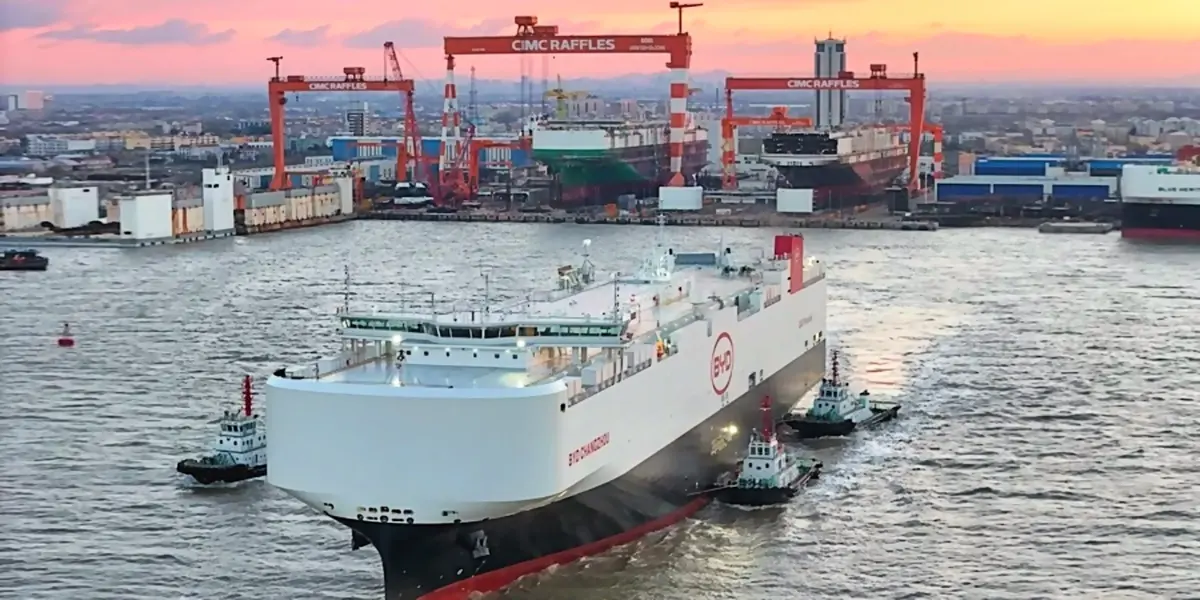
SHENZHEN, China — In a definitive move that underscores the breathtaking scale of its international ambitions, Chinese electric vehicle powerhouse BYD has reportedly placed an order for ten additional pure car and truck carriers (PCTCs). Each vessel boasts an astonishing capacity of 9,200 cars, reinforcing the automaker’s transition from a domestic powerhouse into a dominant, vertically integrated global shipping titan.
Citing industry supply chain sources and maritime disclosures shared across professional networks like LinkedIn, Middle Eastern maritime publication Robban Assafina broke the news of the massive new acquisition. If confirmed, this latest order will swell BYD’s proprietary maritime fleet to 18 liquefied natural gas (LNG)-powered vessels. Together, this armada will possess a staggering combined cargo capacity capable of transporting more than 130,000 vehicles across the globe simultaneously.
This aggressive push into private maritime logistics highlights a critical bottleneck facing modern automakers: access to reliable, cost-effective car-carrying capacity. As traditional roll-on/roll-off (RoRo) charter rates skyrocket amidst a global boom in Chinese vehicle exports, BYD is taking its shipping destiny into its own hands.
Main Facts: The Anatomy of a Mega-Fleet
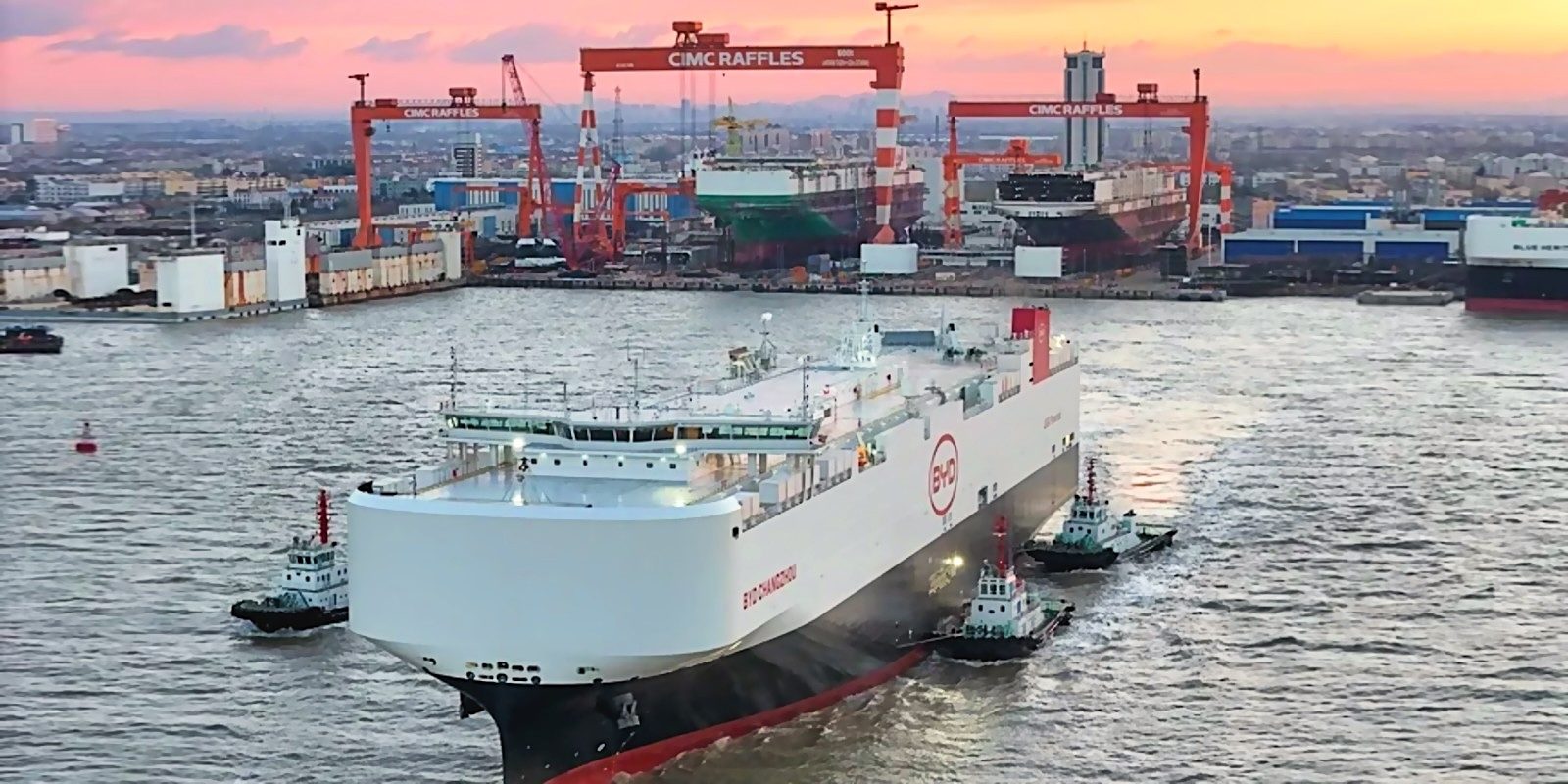
The centerpiece of BYD’s maritime strategy is its class of ultra-large car carriers, epitomized by the maiden voyage of the BYD Shenzhen last year.
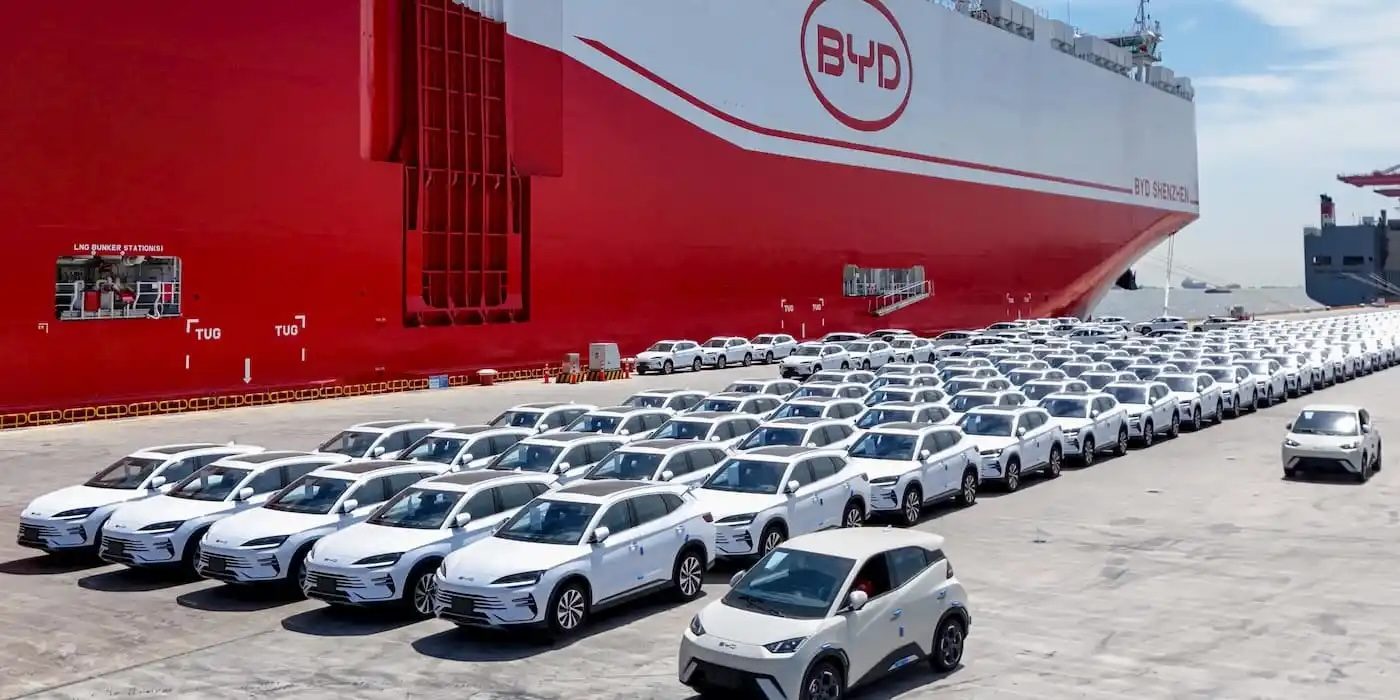
- Colossal Capacity: Measuring immense proportions with a 9,200-car capacity per vessel, these ships offer enough internal parking space to cover roughly 20 football fields, comfortably making them the largest car transport ships in the world.
- Propulsion Technology: The entire owned fleet relies on eco-friendlier liquefied natural gas (LNG) propulsion, aligning with global maritime decarbonization targets while securing reliable fuel efficiency on long-haul transoceanic voyages.
- The Expansion Plan: With the newly reported order of 10 vessels added to its existing pipeline, BYD’s proprietary fleet will reach 18 ships, granting the company unprecedented control over its supply chain as it targets markets in Europe, the Middle East, and North America.
- Export Velocity: According to data from CarNewsChina, BYD’s export engine is running at a blistering pace, with 184,000 passenger vehicles shipped internationally in a single month—representing a 131% year-over-year surge. Through August, total exports reached 1,127,000 units, marking nearly 90% growth over the same period in 2025.
Chronology: From Domestic Dominance to Global Logistics
BYD’s transformation from a battery manufacturer and domestic Chinese car brand into an international shipping magnate has occurred at a dizzying pace.
Phase 1: The Domestic Foothold (Pre-2023)
For years, BYD focused primarily on conquering the fiercely competitive Chinese domestic market, rapidly innovating in battery tech (such as its signature Blade Battery) and plug-in hybrid electric vehicles (PHEVs). However, as manufacturing scale outpaced local absorption capacity, executives recognized that international expansion was critical for long-term survival and market dominance.
Phase 2: Launching the International Offensive (2023–2024)
In March 2023, BYD officially launched its passenger vehicle operations in key international testbeds like the United Kingdom. Recognizing that relying on third-party commercial cargo carriers would leave them vulnerable to capacity shortages and volatile shipping tariffs, BYD began investing heavily in its own logistics infrastructure.
Phase 3: The Era of the Megaship (2025)
The strategy materialized spectacularly last year when the BYD Shenzhen officially set sail on its inaugural voyage. As the world’s largest transport ship designed specifically for vehicles, it instantly became a symbol of China’s rising export prowess.
Phase 4: Scaling the Armada (Late 2026)
Following explosive sales data throughout 2026—including capturing a 3.48% slice of the UK new car market and commanding 35.4% of China’s total new energy vehicle exports—industry insiders leaked reports of the fresh 10-vessel order. This current chapter marks BYD’s evolution from an opportunistic exporter into a structurally independent global logistics machine.
Supporting Data: The Numbers Behind the Boom
The economic indicators driving BYD’s massive fleet investment reveal an unprecedented surge in consumer demand for Chinese "new energy vehicles" (NEVs), encompassing both battery-electric vehicles (BEVs) and plug-in hybrids.
| Metric | Data Point | Context / Comparison |
|---|---|---|
| Monthly Exports | 184,000 passenger vehicles | Up 131% year-over-year; +6% month-over-month |
| Year-to-Date Exports (Jan–Aug) | 1,127,000 vehicles | Nearly 90% increase compared to the same period in 2025 |
| Market Share (China NEV Exports) | 35.4% | BYD commands over a third of China’s total overseas NEV shipments |
| UK Market Penetration | 48,000+ vehicles registered (YTD) | Registrations surged 98%, lifting market share to 3.48% (up from 1.92%) |
| Total Owned Fleet Capacity | 130,000+ vehicles | Across 18 LNG-powered PCTC vessels once current orders are fulfilled |
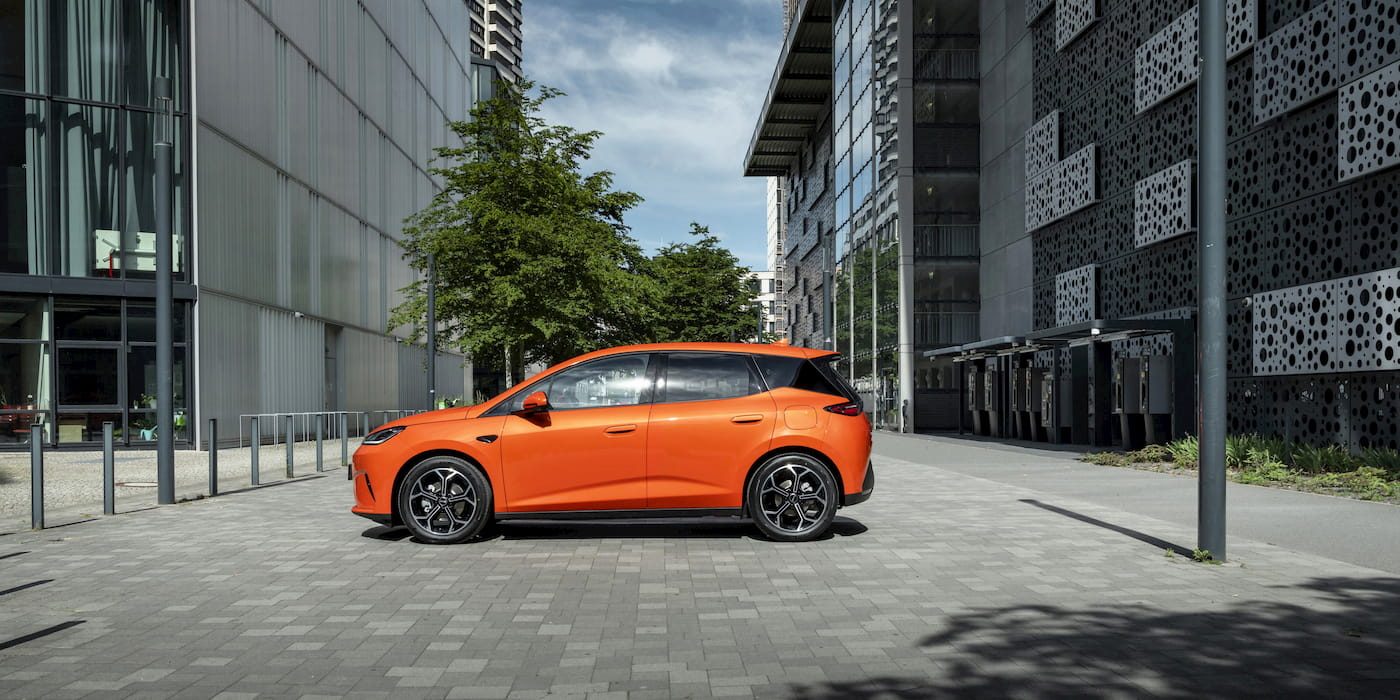
To sustain this growth in Europe, BYD continues to localize its product strategy, rolling out fresh iterations of its highly competitive vehicle lineup—such as the updated Great Seagull EV originally unveiled at the Chengdu Auto Show.
Official Responses and Industry Reactions
While corporate press releases from BYD regarding the exact financial terms of the multi-billion-dollar shipbuilding contract remain tightly guarded, maritime logistics experts and international analysts have been vocal about the strategic brilliance—and potential disruption—of the move.

Maritime analysts note that traditional shipping lines, such as Wallenius Wilhelmsen and Nippon Yusen Kaisha (NYK), have historically controlled global vehicle logistics. By bypassing these traditional charter markets, BYD ensures guaranteed slot allocations, insulates itself against geopolitical shipping lane disruptions, and drastically cuts long-term logistics overhead.
Furthermore, international trade organizations have watched BYD’s aggressive expansion with a mix of awe and caution. Western regulatory bodies, particularly in the European Union and North America, are increasingly sensitive to the influx of competitively priced Chinese EVs. BYD’s ability to control every link in the value chain—from lithium mining and battery production to assembly and now transoceanic freight—gives the company a formidable cost advantage that Western legacy automakers are struggling to match.
Implications: What This Means for the Global Auto Market
BYD’s order of 10 additional mega-vessels is far more than a simple shipping procurement update; it is a watershed moment for the global automotive industry.

1. Reshaping Global Supply Chains
For decades, global automotive logistics relied on independent maritime carriers operating on open market charters. BYD’s pivot toward a dedicated, owned fleet signals a structural shift. If other massive Chinese automakers (such as Chery, Geely, and SAIC) follow suit, the demand profile for commercial shipping lines could experience a fundamental realignment.
2. Deepening Trade Pressures
With a total fleet capacity capable of moving 130,000 cars at a single instance, BYD will possess the continuous throughput required to flood foreign markets with steady, uninterrupted inventory. This constant pipeline of affordable, high-tech EVs will likely amplify calls for protective tariffs, trade investigations, and local manufacturing mandates in regions like Europe and North and South America.
3. The Decarbonization Paradox
While BYD’s fleet relies on cleaner LNG propulsion rather than heavy fuel oil, the sheer volume of goods being transported underscores the acceleration of globalized trade. Paradoxically, the very vehicles designed to eliminate tailpipe emissions in Western cities are driving a massive expansion in global maritime transport infrastructure.

As the BYD Shenzhen and its future sister ships cut across the oceans laden with thousands of electric vehicles each, they carry a clear message: BYD is not merely participating in the global automotive market—it is rewriting the rules of how the world gets built, shipped, and driven.
