

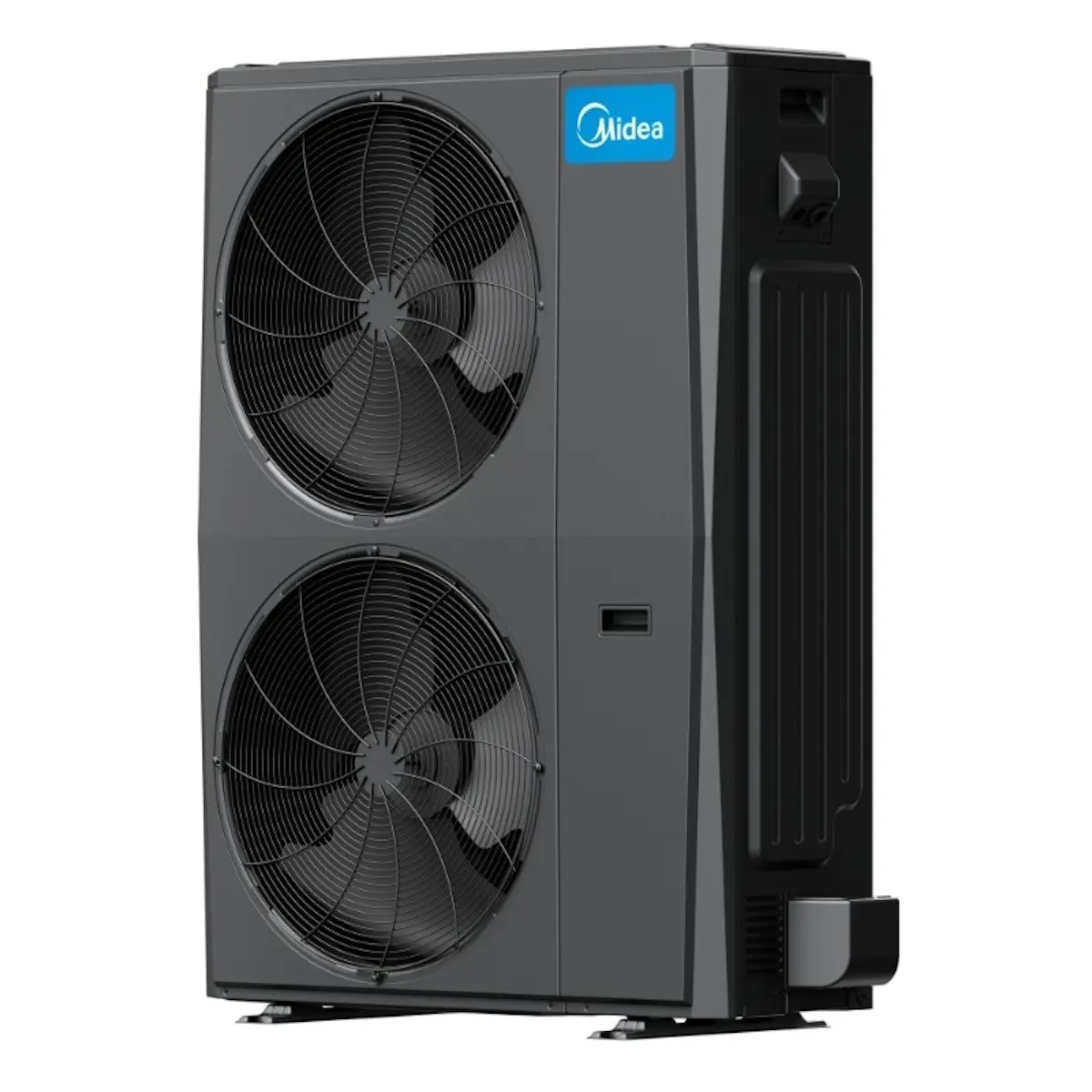
As the nationwide push for building electrification accelerates, heat pumps are increasingly being retrofitted into existing residential housing stock. While homeowners and policymakers alike champion the energy efficiency and carbon-reduction benefits of these systems, HVAC contractors face a complex engineering puzzle on the ground.
Beyond calculating traditional heating and cooling loads, technicians must carefully evaluate a home’s electrical infrastructure. In older properties especially, concerns over electrical panel capacity often threaten to derail a project before it even starts, leading many to assume that a costly, disruptive heavy-up of the home’s service panel is a mandatory prerequisite.

However, industry experts emphasize that a proactive, analytical approach can often bypass the need for expensive electrical overhauls. By evaluating panel capacity, scrutinizing equipment requirements, leveraging advanced inverter technology, and exploring alternative system configurations, contractors can successfully execute retrofits without defaulting to a service upgrade.
Main Facts: The Intersection of Electrification and Electrical Limits
The core challenge facing residential retrofits is the cumulative strain on home electrical panels. Modern homes are increasingly packed with heavy power draws—including Level 2 electric vehicle (EV) chargers, tankless electric water heaters, induction cooktops, and modernized kitchen appliances. When a homeowner attempts to layer a central heating and cooling heat pump onto an already maxed-out electrical service, safety margins shrink.
Yet, a common pitfall in the field is relying on outdated assumptions. According to David Rames, senior specialist of product promotion and development at Midea, one of the most frequent mistakes contractors make is swapping out legacy equipment—such as replacing a 3-ton system with a modern 3-ton unit—without accounting for generational performance leaps. Modern inverter-driven systems frequently deliver vastly superior capacity and efficiency compared to equipment installed 20 or 30 years ago.
Crucially, modern performance does not automatically translate to a heavier electrical footprint. When evaluating product specifications like Maximum Overcurrent Protection (MOCP) and Minimum Circuit Ampacity (MCA), contemporary cold-climate heat pumps often align closely with legacy air conditioners. Unless a home is serviced by an archaic, hazardous fuse box that requires replacement regardless of HVAC updates, existing breaker panels are frequently far more capable than they appear at first glance.

Chronology: The Evolution of Retrofit Challenges and Solutions
To understand how the industry arrived at current best practices, it helps to look at the chronological progression of residential HVAC retrofits:
- The Single-Stage Era (Late 20th Century): Heating and cooling systems relied predominantly on single-stage compressors that operated on a binary "on/off" cycle. These systems drew massive amounts of electricity upon startup, requiring robust electrical circuits and larger breakers to handle the aggressive inrush current.
- The Rise of Dual-Fuel and Early Variable-Speed Tech (2000s–2010s): As energy costs fluctuated, dual-fuel configurations (pairing a heat pump with an existing gas furnace) gained traction as a pragmatic way to secure efficiency without overloading electrical panels. Early variable-speed systems introduced smoother modulation, though electrical integration remained a rigid exercise in load calculation.
- The Electrification Boom and Grid Saturation (Present Day): Federal incentives, state-level decarbonization mandates, and consumer demand for EV chargers have concentrated a massive number of electrical loads onto residential panels simultaneously.
- Modern Inverter Innovations (Current Generation): Manufacturers have responded by engineering cold-climate heat pumps that maximize heating and cooling output while intelligently modulating amp draw. This technological leap allows contractors to navigate constrained electrical panels through precise sizing, equipment downsizing, and creative system configurations rather than defaulting to costly electrical service upgrades.
Supporting Data: Specifications That Matter
When electrical capacity is a legitimate point of concern, contractors must move away from rough estimates and rely strictly on engineering data. Industry experts recommend a thorough review of manufacturer product submittals before making definitive project assumptions.

Key metrics that demand close evaluation include:
- Maximum Overcurrent Protection (MOCP): This figure dictates the maximum size of the fuse or circuit breaker that can safely protect the equipment. Comparing the MOCP of an existing system against a prospective heat pump often reveals that modern units require identical—or occasionally lower—breaker sizes than older legacy units.
- Minimum Circuit Ampacity (MCA): MCA determines the minimum wire size required for the installation, ensuring safety under continuous operating loads.
- Auxiliary/Backup Heat Requirements: Electric strip heat heaters are notorious power hogs. Selecting systems that minimize or entirely eliminate the need for electric resistance backup heat can dramatically lower the electrical threshold required for a retrofit.
- Inverter Modulation Range: By ramping capacity up and down smoothly to match real-time thermal loads, inverter-driven systems eliminate the harsh power spikes characteristic of older single-stage units, keeping operational amp draws manageable.
Official Responses: Industry Insights on Bypassing Upgrades
Industry leaders maintain that electrical upgrades should be considered a last resort rather than a default box to check. David Rames outlines several strategic pathways contractors can utilize to work within a home’s existing electrical service:

- System Downsizing: Because modern inverter-driven heat pumps operate with extraordinary efficiency and capacity, contractors can often downsize the equipment tonnage compared to older, degraded systems. A smaller tonnage requirement directly translates to reduced electrical specifications.
- Alternative Voltage Configurations: In milder climates, contractors have successfully replaced aging AC units and gas furnaces with advanced heat pumps and air handling units utilizing existing 115-volt furnace circuits—entirely avoiding the need for heavy auxiliary heat wiring.
- Dual-Fuel Systems: Retaining an existing gas furnace as a reliable, high-capacity backup while introducing a heat pump is an ideal compromise. This configuration dramatically cuts seasonal energy consumption while placing zero new demands on the home’s electrical panel during peak winter freeze events.
- Multi-Zone Ductless vs. Ducted Options: While multi-zone ductless mini-split systems offer incredible zoning flexibility, contractors must carefully calculate their cumulative electrical draw, as multi-zone outdoor units can occasionally demand higher electrical capacity than certain centralized ducted options.
Manufacturers are actively supporting contractors by transparently publishing detailed electrical submittals online—such as through platforms like Midea’s contractor portals—allowing field teams to vet electrical compatibility before arriving at a job site.
Implications for the Future of Residential HVAC
The intersection of home electrification, electric vehicles, and residential HVAC is reshaping the landscape of contractor responsibilities. As more appliances vie for space on the home’s electrical bus bar, the role of the HVAC technician increasingly overlaps with that of an electrical energy consultant.

Fortunately, technology is evolving to meet these constraints head-on. The proliferation of inverter-driven compressors has proven that heating and cooling performance can scale upward while electrical draw remains tightly managed. Furthermore, the broader adoption of high-efficiency heat pump water heaters offers homeowners an alternative avenue to shed electrical load, freeing up crucial panel capacity that can then be allocated toward space conditioning or EV charging.
While certain older homes—particularly those still operating on legacy fuse panels—will inevitably require a heavy-up service upgrade for safety and compliance, the industry consensus is clear. Through rigorous load calculations, intelligent equipment selection, and creative system configurations, contractors can successfully navigate electrical panel limitations, save homeowners thousands of dollars in unnecessary upgrade costs, and accelerate the transition to a cleaner, electrified residential future.
