

Mention the design aesthetic of the 1980s, and most people immediately picture a sensory overload of neon colors, geometric Memphis-group patterns, high-gloss lacquer, and unapologetically excessive ornamentation. It is a polarizing decade—one that has historically inspired as much hesitation among modern interior decorators as it has nostalgic affection. Homeowners today are understandably wary of turning their living spaces into theatrical sets reminiscent of Miami Vice or neon-soaked sitcom apartments.
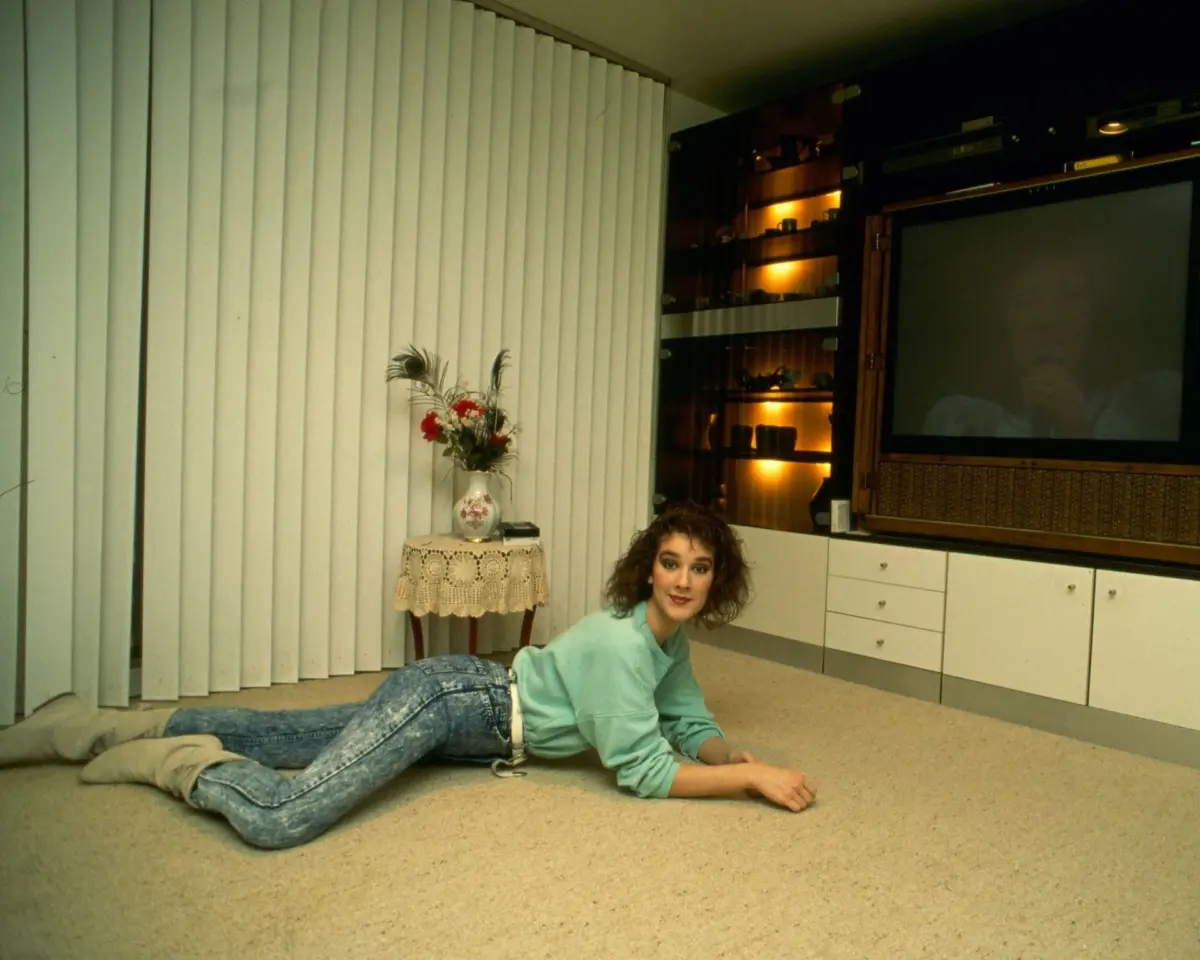
However, looking past the loud, garish stereotypes reveals a quieter, more sophisticated side of 1980s style. A compelling case study in this more restrained approach comes from an unexpected icon: legendary vocal powerhouse Céline Dion. Newly unearthed archival photographs from 1988 capture the singer inside her Montreal residence, showcasing an interior design philosophy that feels remarkably understated, atmospheric, and surprisingly modern.
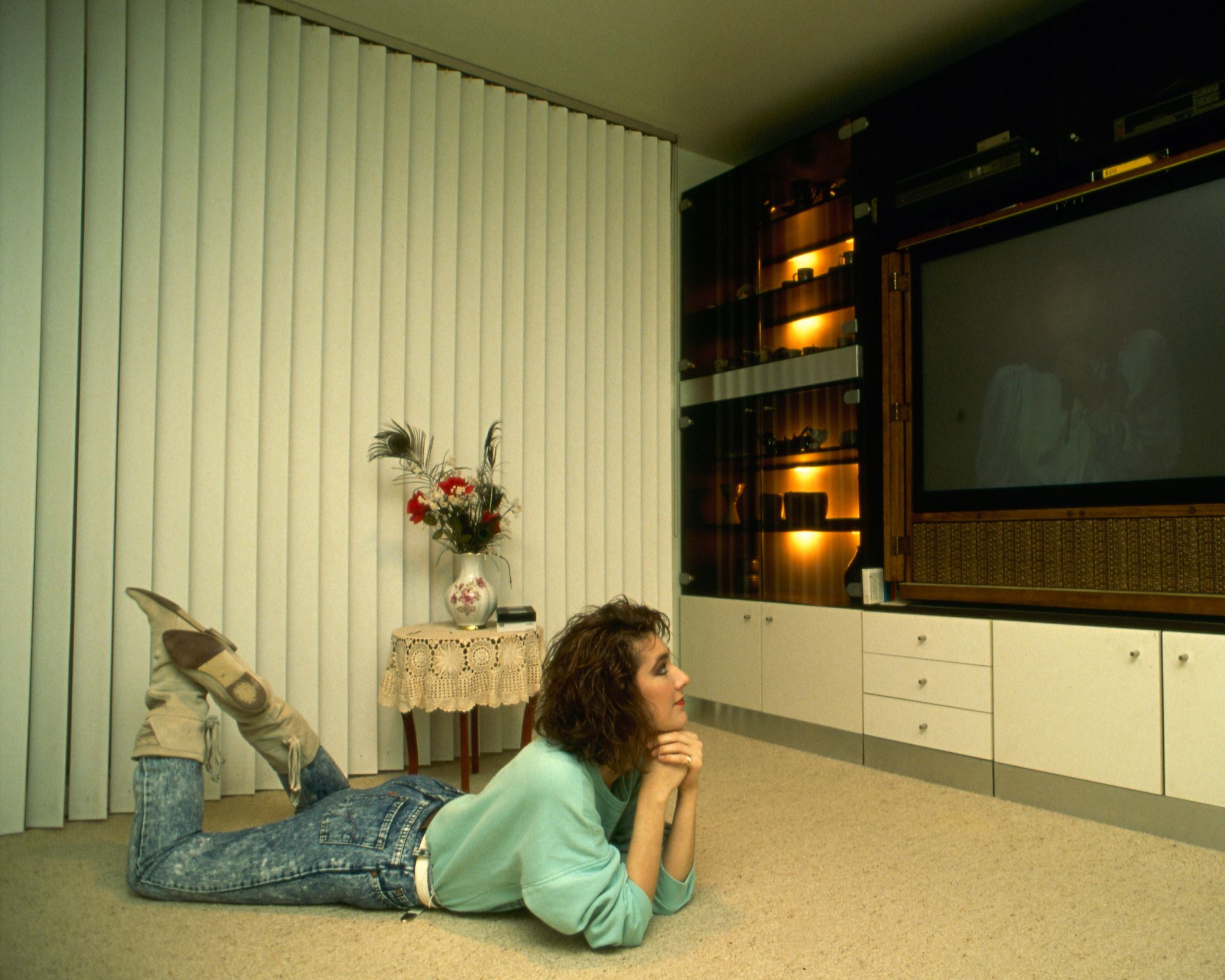
As interior designers look to the 1980s for fresh inspiration, experts argue that Dion’s vintage living room—defined by beige wall-to-wall carpeting, rich dark wood paneling, a rattan TV console, and delicate lace accents—serves as a far better template for contemporary homes than the era’s more frantic tendencies. By taking the warmth, texture, and glamour of the ’80s and filtering them through a minimalist lens, today’s decorators are discovering how to integrate the decade’s best elements without overwhelming contemporary spaces.

Main Facts: Unearthing the 1988 Montreal Archive
The rediscovery of Céline Dion’s 1988 Montreal living room has triggered a broader conversation within the interior design community about how to successfully navigate the current ’80s revival. While Dion is universally celebrated for her powerhouse vocals and theatrical stage presence, her personal living space at the time reflected a surprising penchant for subtle minimalism.
Key elements of the historic space include:
- Neutral Textures: Soft beige wall-to-wall carpeting paired with warm, neutral rugs that established a calm, unified foundation.
- Rich Architectural Woodwork: Deep, dark wood paneling and cabinetry that injected immediate weight, maturity, and tactile depth into the room.
- Eclectic Materiality: A seamless mix of natural textures, including a rattan TV console, smoked glass accents, and intricate, handmade lace table covers.
- Atmospheric Lighting: Layered, low-level illumination, including subtle under-shelf lighting that softened the overall environment.
Rather than relying on primary colors and chaotic patterns, Dion’s late-80s aesthetic relied on craftsmanship, rich materials, and a deliberate play of light and shadow. It is this exact intersection of comfort and understated luxury that modern style mavens are striving to recreate today.
Chronology of a Trend: From Garish Excess to Quiet Luxury
To understand why Dion’s 1988 interior feels so relevant today, it helps to examine how the design ethos of the 1980s has evolved over the past four decades.
1. The Peak of the 1980s: Maximalism and Gloss
During the height of the decade, interior design was heavily influenced by post-modernism, corporate power-dressing, and Hollywood glamour. Homes featured high-gloss lacquer finishes, brass and glass coffee tables, mirrored walls, and loud, geometric upholstery. It was an era that celebrated visibility, wealth, and theatricality.
2. The 1990s to 2010s: The Great Purge
As tastes shifted into the 1990s and through the minimalist movements of the 2000s, the heavy woods, brass fixtures, and patterned textiles of the ’80s were aggressively purged. They were largely replaced by cool gray tones, minimalist Scandinavian blond woods, and stark industrial finishes. For years, ’80s decor was widely considered the epitome of outdated taste.
3. The Present Day: The Nuanced Revival
In recent seasons, interior designers have begun looking back to the 1980s—not to copy its loudest clichés, but to salvage its warmth, depth, and tactile richness. As the fatigue with sterile, all-white minimalist interiors sets in, homeowners are craving character. Dion’s 1988 living room sits at the exact historical turning point where the heavy, grounded luxury of the late ’70s and early ’80s meets a cleaner, more approachable sensibility, offering a direct bridge to today’s "quiet luxury" movement.
Supporting Data and Expert Analysis: Translating the Look for Modern Homes
Adapting an aesthetic from 1988 for a 21st-century home requires a careful editorial eye. Industry experts emphasize that the secret lies in distilling the era’s best qualities—such as high-end finishes and ambient lighting—while avoiding visual clutter.
Embracing Gloss, Glamour, and Smoked Glass
"The ’80s embraced gloss and glamour," explains Mike Whitfield, a luxury interiors expert at Lusso. "We’re seeing a modern reinterpretation of that through reflective cabinetry, polished natural stone, rich veneers, and layered lighting that create a more opulent atmosphere."
Whitfield points specifically to elements like smoked glass, which features prominently in vintage styling and offers an immediate atmospheric upgrade. "Smoked glass instantly creates a moodier, more luxurious feel," he notes. "It softens a space visually and creates a more atmospheric environment."
The Resurgence of Dark Wood
One of the most defining shifts in current interior design is the departure from light Scandinavian woods in favor of rich, grounding timber.
Interiors expert Danielle Castagna notes that dark wooden furniture and finishes are experiencing a major resurgence. "Rich walnut, oak, and mahogany allow homeowners to introduce depth and warmth that complements interiors perfectly," Castagna explains. "Dark wood has lasting appeal because it can work fluidly in both classic and contemporary homes. Pairing darker furniture with carefully placed framed artwork can tie the room together and create a look that’s unlikely to go out of style any time soon."
Measured Patterns Over Overload
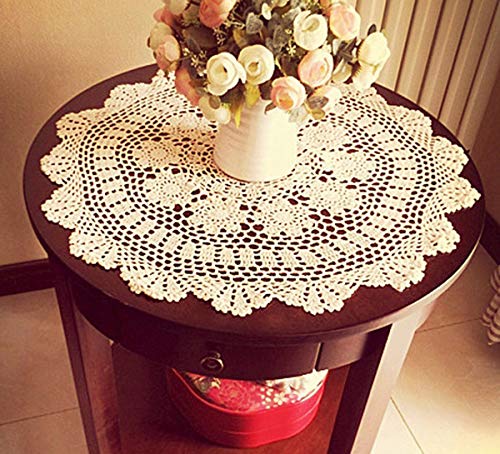
While wall-to-wall bold patterns can easily overwhelm a modern floor plan, selective vintage accents are capturing consumer interest. Referencing the lace-covered table and delicate textiles seen in Dion’s historic space, experts recommend utilizing prints in micro-doses.
"Vintage-inspired patterns, including chintz florals, are returning," says Castagna. "Rather than covering entire rooms, as they often did in the ’80s, these prints are now being incorporated in smaller accents such as cushions, lampshades, or a single piece of upholstered furniture, adding character to a space without overwhelming it."
Official Responses and Industry Implications
The broader design community has embraced this celebrity-archival trend as a welcome antidote to fast-furniture culture. Interior publication editors and luxury brands report a measurable spike in consumer interest for vintage-inspired pieces that bridge traditional craftsmanship with modern utility.
Market analysts note several key implications for the home decor sector:
- A Shift in Color Palettes: Consumers are actively trading cool grays and stark whites for warm neutrals, beige colorways, and rich earth tones.
- The Revaluation of Brown Furniture: Once considered unsellable at estate sales and thrift shops, vintage dark wood sideboards, media consoles, and dining tables are seeing a massive surge in demand and market value.
- The Rise of Intentional Layering: Rather than buying matching furniture sets, homeowners are increasingly adopting the ’80s-era approach of mixing materials—pairing wood, rattan, glass, and textiles to create curated, lived-in spaces.
How to Get the Look: Shopping Céline Dion’s 1988 Living Room
For homeowners inspired to channel this refined slice of 1980s history, recreating the look involves balancing warmth, texture, and functional modernity. Here are key pieces inspired by Dion’s archival aesthetic:
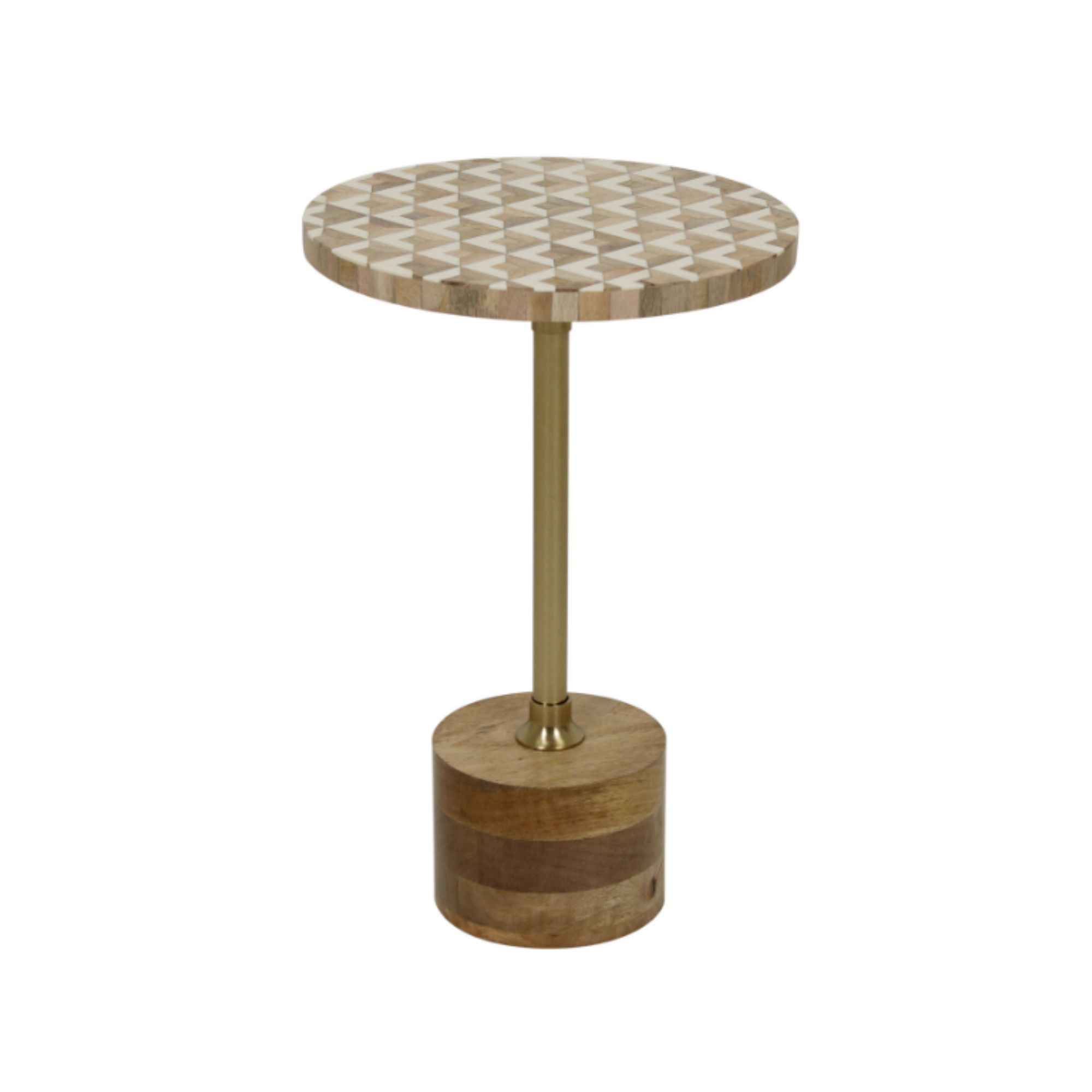
- Mixed Material Accent Tables: Incorporating a side table with wood, brass, or bone-inlay details adds personality to unused corners without disrupting a minimalist floor plan.
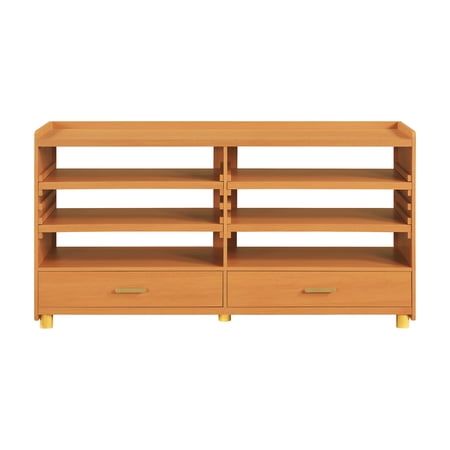
- Warm-Toned Media Consoles: Swap out ultra-modern floating shelves for a sturdy, mid-century-inspired wooden media console in a rich cherry or walnut finish.
- Subtle Vintage Textiles: A delicate, handmade crochet lace doily or table overlay brings a touch of nostalgic charm when styled atop a modern side table.
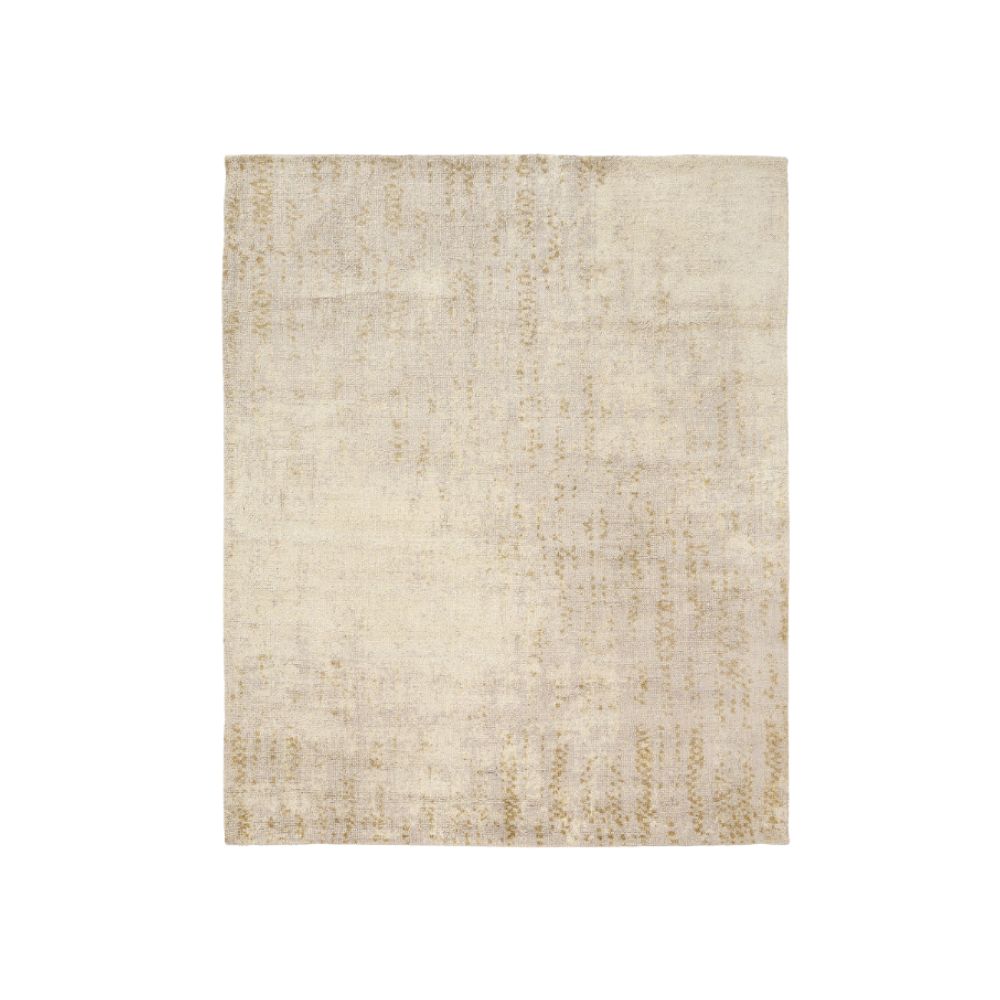
- Textured Neutral Rugs: Opt for a hand-loomed cream or beige rug featuring a softly distressed pattern to add warmth and dimension while keeping the overall palette grounded.
- Sculptural Glassware: Introduce a touch of retro elegance with a sculptural bud vase or smoked-glass decorative accessory.
- Concealed LED Strip Lighting: Recreate the atmospheric glow seen in archival celebrity homes by running warm, dimmable LED strip lights along the undersides of shelves or media units for invisible yet impactful illumination.
Ultimately, the revival of Céline Dion’s 1988 interior style proves that great design transcends its era. By focusing on quality materials, tactile layering, and sophisticated restraint, homeowners can successfully harness the best of the 1980s while keeping their living spaces firmly rooted in modern elegance.
