


By The Gardening & Home Editorial Desk
Published: October 24
Main Facts: The Autumn Indoor Climate Crisis for Houseplants
As the crisp air of autumn rolls in and homeowners across the country switch on their central heating systems, a hidden struggle begins behind closed doors. While humans welcome the cozy warmth, indoor botanical collections—particularly exotic, tropical houseplants amassed over years of careful cultivation—face a sudden, hostile transformation in their microclimate.
The primary culprit is a steep, rapid drop in indoor relative humidity. Traditional heating units strip moisture aggressively from domestic air, turning living rooms and sunrooms into arid environments that starkly contrast with the lush rainforests from which many popular houseplants originate. Pothos, monsteras, ferns, and orchids bear the immediate brunt of this seasonal shift, developing brown crispy tips, losing their glossy sheen, and dropping yellowed leaves prematurely.
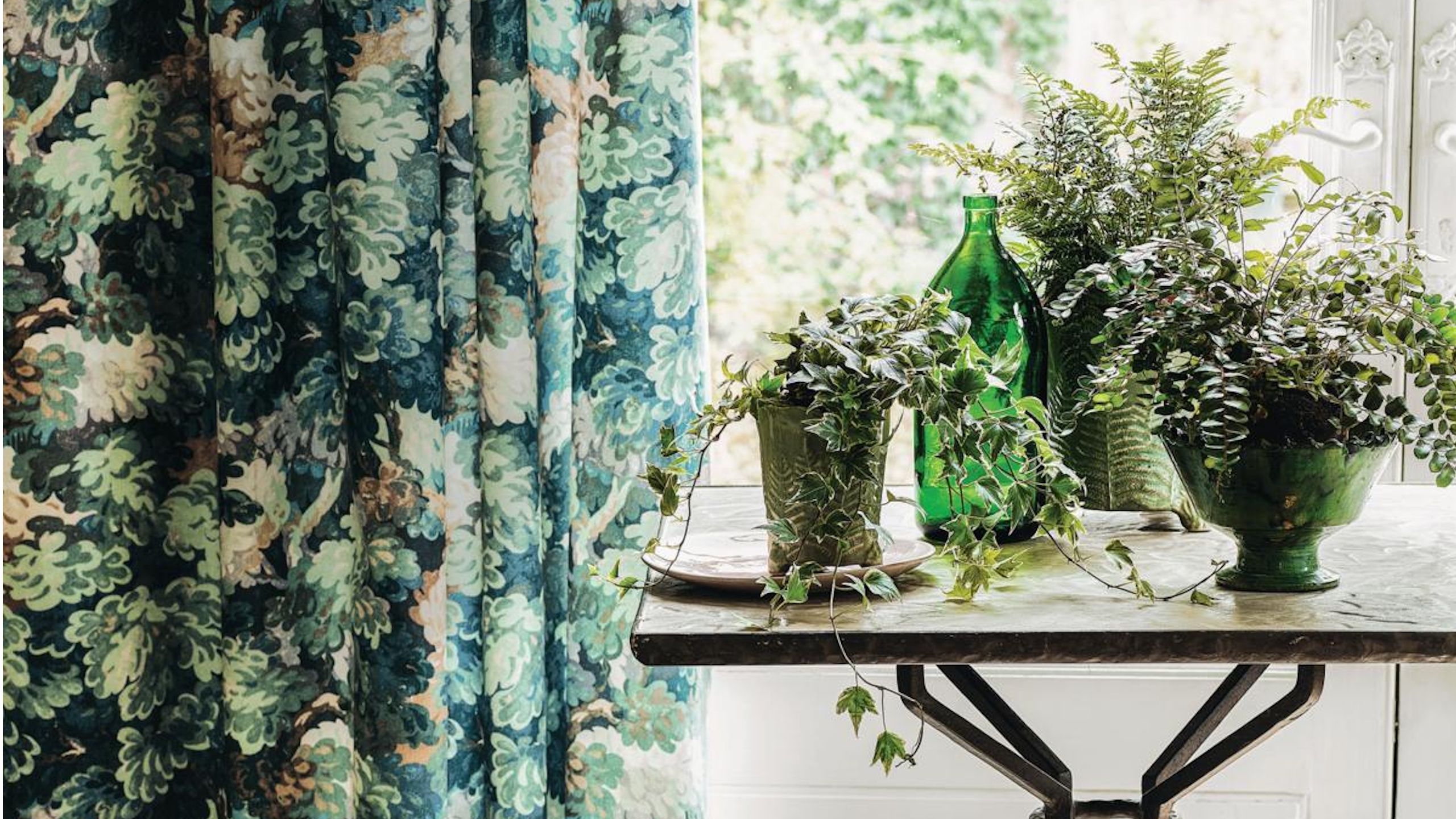
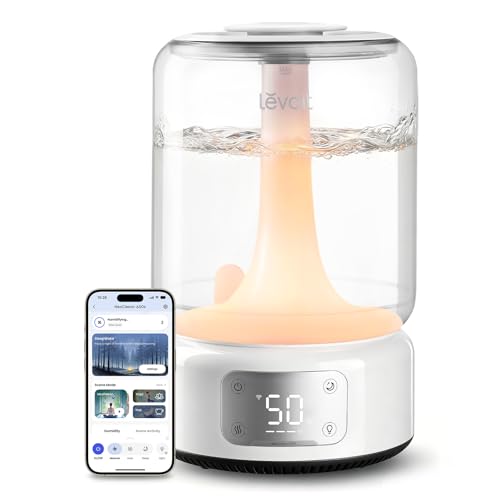
For years, indoor gardeners have relied on rudimentary fixes: manual plant misters that offer only temporary relief (and risk encouraging fungal spores if water sits too long on foliage) or pebble trays that require constant refilling and provide minimal output. However, a modern shift is underway. Plant enthusiasts are increasingly turning to tech-forward solutions, specifically smart humidifiers equipped with built-in hygrometers and app integration. Devices like the Levoit Smart Humidifier are rapidly redefining indoor plant care, offering automated climate control that mimics natural ecosystems without the manual guesswork.
Chronology: The Evolution of Indoor Plant Humidity Management
Understanding how indoor plant care has reached its current tech-heavy era requires looking at how enthusiasts have managed humidity over the decades.
- The Pre-Tech Era (Pre-2010s): Indoor gardening relied heavily on environmental luck. Gardeners grouped plants tightly together to create a localized micro-climate or placed pots on saucers filled with water and pebbles. Misting spray bottles were a daily staple, despite offering fleeting humidity spikes that evaporated within minutes.
- The Basic Appliance Boom (2010s–2020): Standalone, dumb humidifiers entered the market. While they produced steady mist, they lacked precision. Users had to guess settings using low, medium, or high dials, often over-saturating rooms, peeling wallpaper, or triggering window condensation because the machines lacked automatic shut-off triggers tied to ambient room humidity.
- The Smart Home Revolution (2020–Present): With the rise of IoT (Internet of Things) devices, climate control entered a new phase. Modern smart humidifiers feature internal sensors that read real-time room humidity, communicate with smartphone apps, and adjust mist output dynamically. Features like voice assistant integration, programmable schedules, and long-range tank capacities (such as 6.2-liter reservoirs offering up to 62 hours of continuous runtime) have transformed these units from clinical medical appliances into sleek, interior-friendly design pieces.
Supporting Data: Why Fall and Winter Decimate Indoor Foliage
Botanical research consistently underscores the vital link between relative humidity (RH) and plant health. While most human homes maintain an indoor relative humidity of 30% to 40% during the winter heating season, tropical and subtropical houseplants thrive in environments ranging from 50% to 70% RH.
When humidity plummets below 40%, several detrimental physiological processes occur within a plant:
- Stomatal Stress: Plants regulate moisture loss through microscopic pores called stomata. In excessively dry air, plants close their stomata to prevent dehydration, which simultaneously restricts carbon dioxide intake and slows photosynthesis.
- Pest Proliferation: Dry, stagnant indoor air acts as an open invitation for common houseplant pests, most notably spider mites. These microscopic arachnids reproduce exponentially in low-humidity environments, spinning fine webs across leaf nodes and draining vital sap.
- Leaf Necrosis (Tip Burn): Without adequate moisture uptake, the vascular transport system struggles to push water to the absolute tips of leaves, resulting in crisp, brown edges that ruin the aesthetic appeal of ornamental foliage.
Market data reflects a surging consumer response to these challenges. Sales of smart home environmental controls marketed specifically toward indoor gardening have seen a steady year-over-year increase of roughly 22% during the autumn transition months. Review metrics on major retail platforms indicate that consumers are increasingly willing to invest in higher-end units ($70–$90 price points) rather than cheap, non-regulated alternatives, purely to protect high-value botanical collections.
Official Recommendations and Expert Insights
Horticulturalists and interior landscape designers consistently emphasize that managing autumn and winter transitions requires a proactive, rather than reactive, approach.
"Using a humidifier is far more effective, and requires a fraction of the effort, than traditional methods like pebble trays," notes indoor gardening specialist Maria Vance. "When you introduce a smart unit that allows you to set exact percentage targets for your specific plant varieties, you eliminate the human error of over- or under-watering the air."
However, experts also issue warnings regarding the misuse of high-output humidifiers. Environmental balance is critical:
- The Danger of Over-Saturation: Running a humidifier continuously in a confined space without adequate airflow can create a breeding ground for fungal pathogens, such as powdery mildew and grey mold (Botrytis).
- Succulent and Cacti Caution: Not all plants love humidity. Desert natives like succulents, snake plants, and ZZ plants store water in their leaves and prefer dry conditions. Placing them too close to a high-output mist stream dramatically increases their susceptibility to fatal root rot.
Best Practices for Fall Humidifier Deployment:

- Cluster Wisely: Group moisture-loving tropicals (such as calatheas, ferns, and monsteras) together near the humidifier, keeping dry-tolerant species in separate areas of the home.
- Ensure Air Circulation: Periodically cycle room air by cracking windows on mild autumn days and ensure plants are spaced comfortably to allow air to flow freely between stems.
- Water Quality Matters: Experts strongly recommend using distilled or filtered water in ultrasonic humidifiers. Tap water contains minerals (calcium and magnesium) that can aerosolize and settle as a fine white dust over furniture and plant leaves, clogging stomata and reducing aesthetic appeal.
Implications: The Future of Smart Indoor Ecosystems
The integration of smart climate technology into indoor horticulture points toward a broader lifestyle trend: the hybridization of home automation and biophilic design. As urban living spaces shrink and more people look to bring the restorative benefits of nature indoors, the definition of a "green thumb" is evolving. Success is no longer measured solely by intuition or traditional scheduling, but by a gardener’s ability to leverage environmental data.
For retailers, this signals a lucrative intersection between consumer electronics and home-and-garden sectors. Products that bridge the gap—such as app-controlled misters, smart soil moisture sensors, and automated grow lights—are transitioning from niche hobbyist gear into mainstream home essentials.
Ultimately, investing in a smart humidifier for fall and winter is more than an indulgence for finicky ferns; it is a holistic upgrade to the home’s overall indoor ecology. By stabilizing humidity, homeowners not only protect their botanical investments from the harsh realities of artificial heating, but they also create a more comfortable, balanced living environment for themselves as the seasons turn.
