

Main Facts
The United States electric vehicle (EV) market experienced a pivotal shift in August 2026, driven by a surge in demand for more affordable, mass-market battery-electric models. According to data released by Cox Automotive in their August 2026 EV Market Monitor, overall new EV sales rose by 2.5% compared to July, reaching approximately 78,895 units sold nationwide.
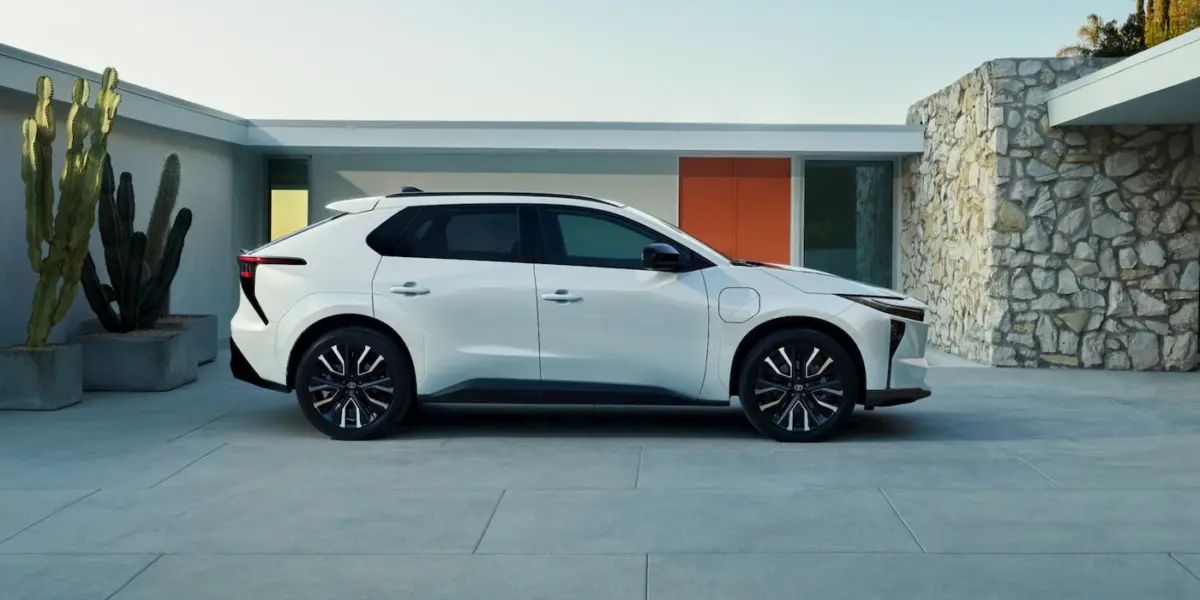
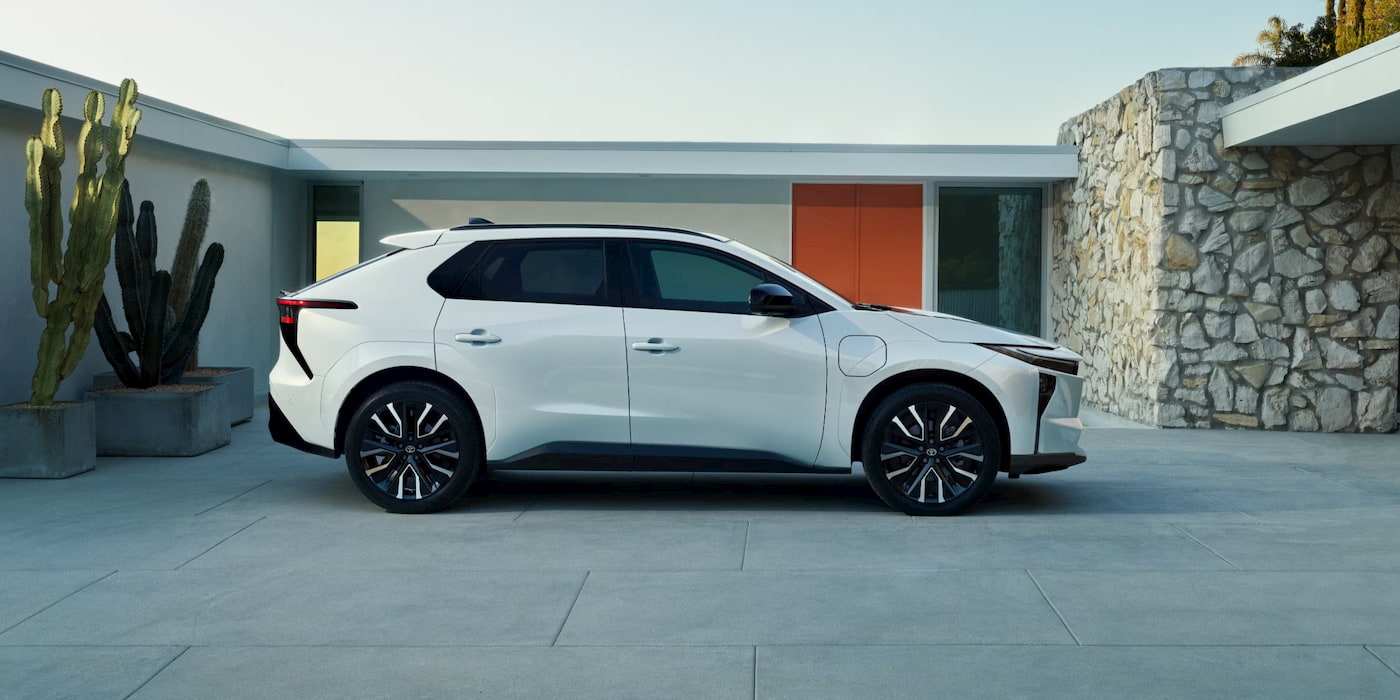
While this figure represents a 46.9% decrease year-over-year—largely skewed by a massive rush of buyers in August 2025 seeking to capitalize on the final moments of federal EV tax credits—the broader market indicators tell a story of stabilization and maturation. The catalyst for August’s month-over-month growth was the widespread availability of lower-priced entries, led heavily by the refreshed and aggressively priced Toyota bZ lineup, alongside competitive offerings from Chevrolet, Cadillac, and Kia.
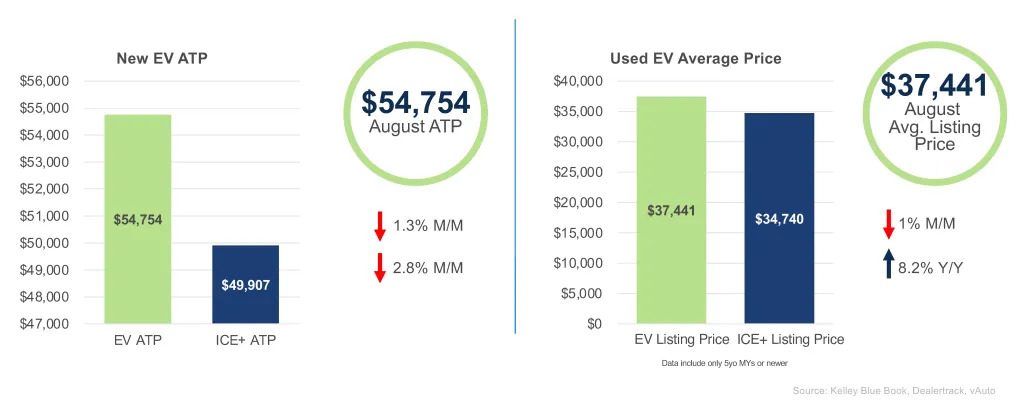
Driving this affordability wave is a significant compression in average transaction prices (ATPs). In August 2026, the ATP for a new EV dropped to $54,754, marking a 1.3% decline from July and a 2.8% drop year-over-year. Consequently, the stubborn price gap separating battery-electric vehicles from traditional internal combustion engine (ICE) vehicles narrowed to $4,847, or roughly 9.7%.
Tesla maintained its dominant market leadership position in the US, moving 40,816 units, though its market share dipped to 51.7% amid a 3.8% sales contraction from July. Meanwhile, legacy automakers capitalized on Tesla’s slight dip. Toyota spearheaded US EV sales growth last month, moving 4,964 units—a striking 35% increase from July—underscoring a remarkable turnaround for a brand that was previously criticized for moving too slowly into the battery-electric space.
Chronology of the Market Shift
To understand how the US EV landscape reached this juncture in late 2026, it is necessary to examine the rapid series of engineering, pricing, and regulatory shifts that occurred over the preceding 24 months:
- Late 2024 to Early 2025: Facing widespread consumer pushback over high upfront costs and range anxiety, legacy automakers struggled with slow-moving inventory. Toyota, in particular, was criticized for its sluggish rollout of the original bZ4X, selling a meager 1,560 units monthly on average, while competitors like Ford saw strong initial momentum with the Mustang Mach-E.
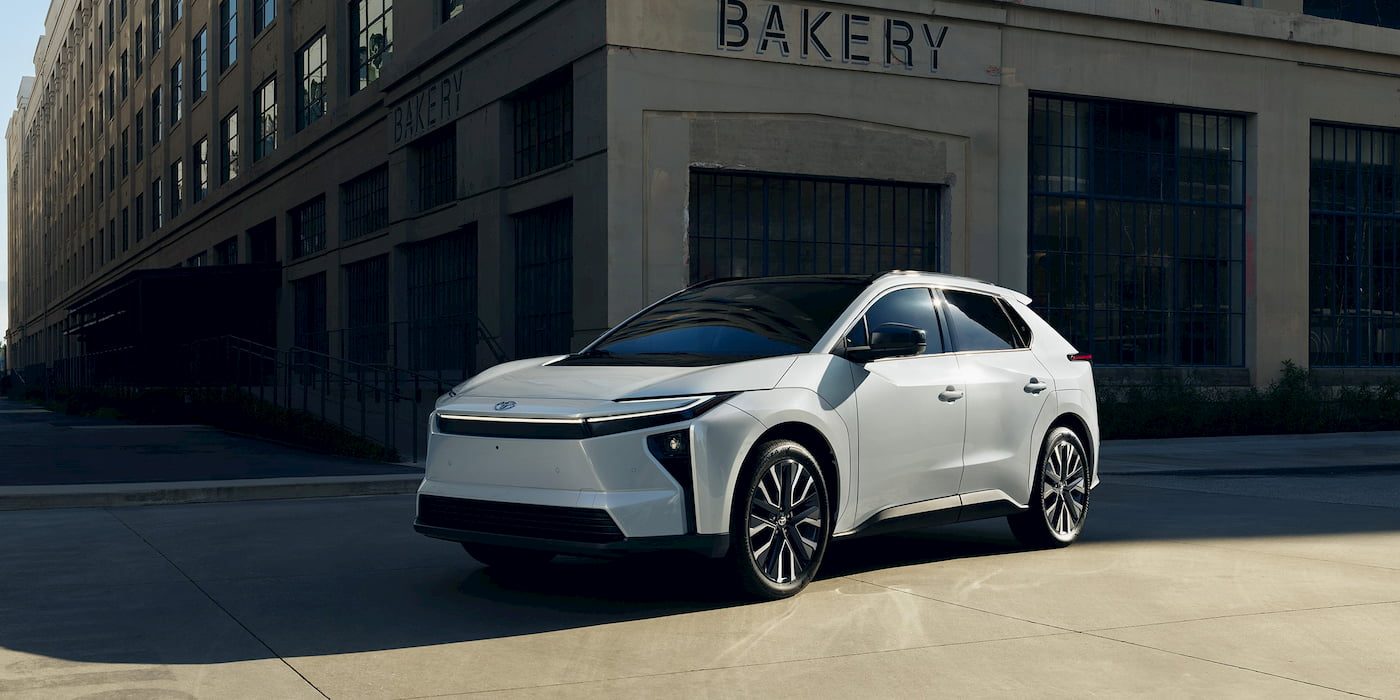
- October 2025: Toyota executed a strategic pivot by overhauling its dedicated EV platform. The automaker officially dropped the cumbersome "bZ4X" moniker, streamlining the nameplate to simply the "bZ," and launched a heavily refreshed model boasting vastly superior range, native North American Charging Standard (NACS) integration, and dramatically lower price points.
- Early 2026 (H1): The strategy paid off immediately. Throughout the first half of 2026, the updated Toyota bZ climbed the charts to become the fourth best-selling electric vehicle in the United States, trailing only established category leaders like the Hyundai IONIQ 5 and Tesla’s Model 3 and Model Y. By the end of June 2026, cumulative bZ sales had far outpaced internal projections.
- August 2026: Surpassing industry expectations, August sales data revealed that lower-priced trims of the bZ, paired with competitive offerings like the Chevrolet Bolt and Chevy C-HR, successfully offset the year-over-year drop caused by the expiration of the 2025 federal tax credit rush. Toyota recorded 4,964 sales for the month alone, a massive leap from the roughly 1,000 units sold in August 2025.
Supporting Data and Market Metrics
The August 2026 Cox Automotive report provides a granular look at how vehicle segment pricing and volume are reshaping consumer behavior. The following data points highlight the changing dynamics of the American automotive market:
Average Transaction Prices (ATPs) and Price Gaps
- August 2026 New EV ATP: $54,754 (Down 1.3% MoM, Down 2.8% YoY).
- Price Premium over Gas Vehicles: $4,847 (9.7% gap, down significantly from historical 20–30% premiums).
- Tesla Model 3 Impact: Tesla’s high-volume sedan saw its individual ATP drop 1.9% from July, dragging down the segment average and forcing competitors to re-evaluate pricing strategies.
Top Performing Brands in August 2026 Growth
- Toyota: 4,964 units sold (+35% MoM). Driven largely by the bZ lineup and the newly introduced C-HR.
- Chevrolet: Up 30% MoM, anchored by strong demand for the affordable Chevrolet Bolt and expanding electric crossover portfolio.
- Cadillac: Up 13% MoM, showing luxury buyers are continuing to warm up to domestic electric alternatives.
- Kia: Up 12% MoM, maintaining steady momentum with its dedicated E-GMP platform vehicles.
Comparative Model Performance
To contextualize Toyota’s rapid ascension, consider its performance against legacy rivals. Ford Motor Company moved just 15,484 Mustang Mach-Es through the first eight months of 2026—representing a steep 55% decline compared to the same period in 2025. Meanwhile, Toyota has safely moved over 22,500 bZ models in the first eight months of 2026 alone, proving that mainstream buyers are actively favoring affordable, highly accessible electric crossovers over niche or higher-priced performance crossovers.
Official Responses and Strategic Pivots
Automotive executives and market analysts have pointed to a fundamental shift in corporate strategy as the primary driver behind this latest market phase. For years, major manufacturers prioritized high-margin, long-range luxury electric vehicles outfitted with massive, expensive battery packs. As early adopter demand plateaued, automakers were forced to pivot toward cost engineering and practical consumer features.
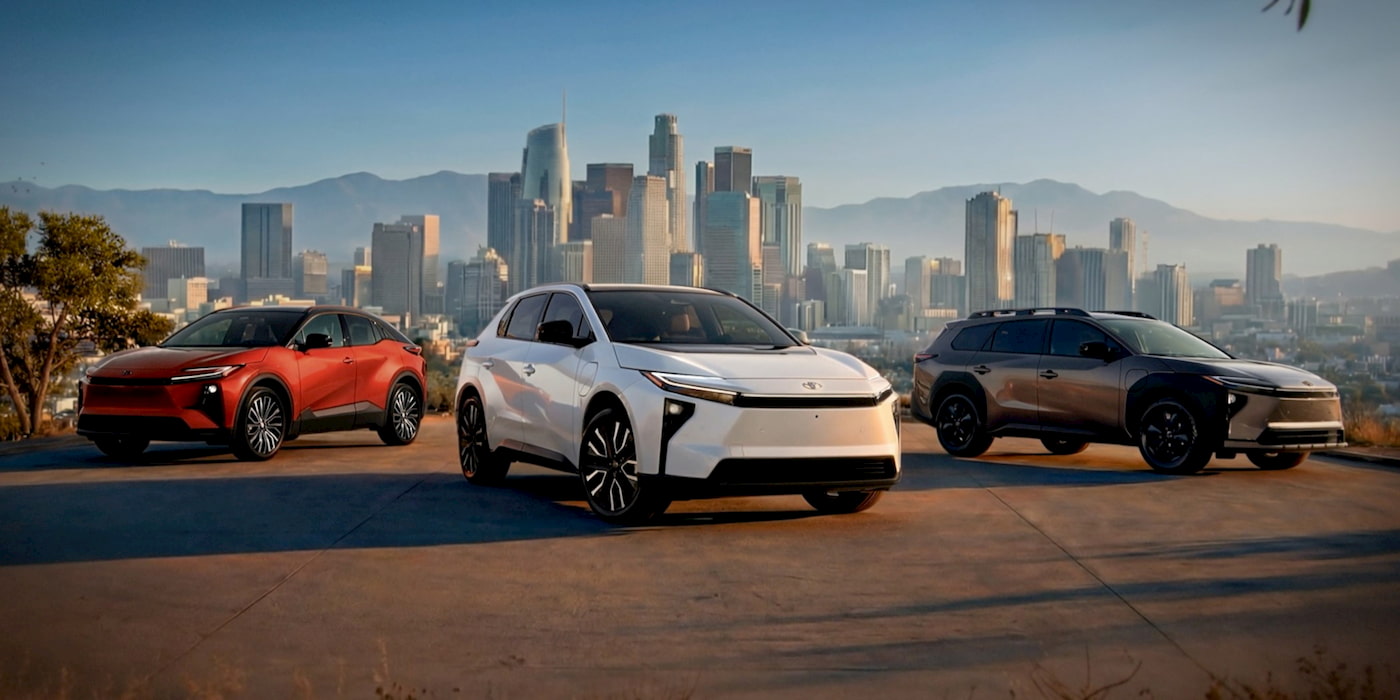
Toyota executives noted that the sudden popularity of the bZ electric SUV was not an accident, but rather the result of listening closely to consumer grievances. Instead of forcing drivers to pay a heavy premium for experimental technology, Toyota concentrated its engineering investments on the areas that matter most to mainstream buyers:
- Range Anxiety Mitigation: Upgrading the powertrain efficiency to offer competitive mileages without exponentially increasing battery weight.
- Charging Infrastructure Realignment: Adopting the North American Charging Standard (NACS) natively to grant drivers seamless access to high-speed Supercharger networks.
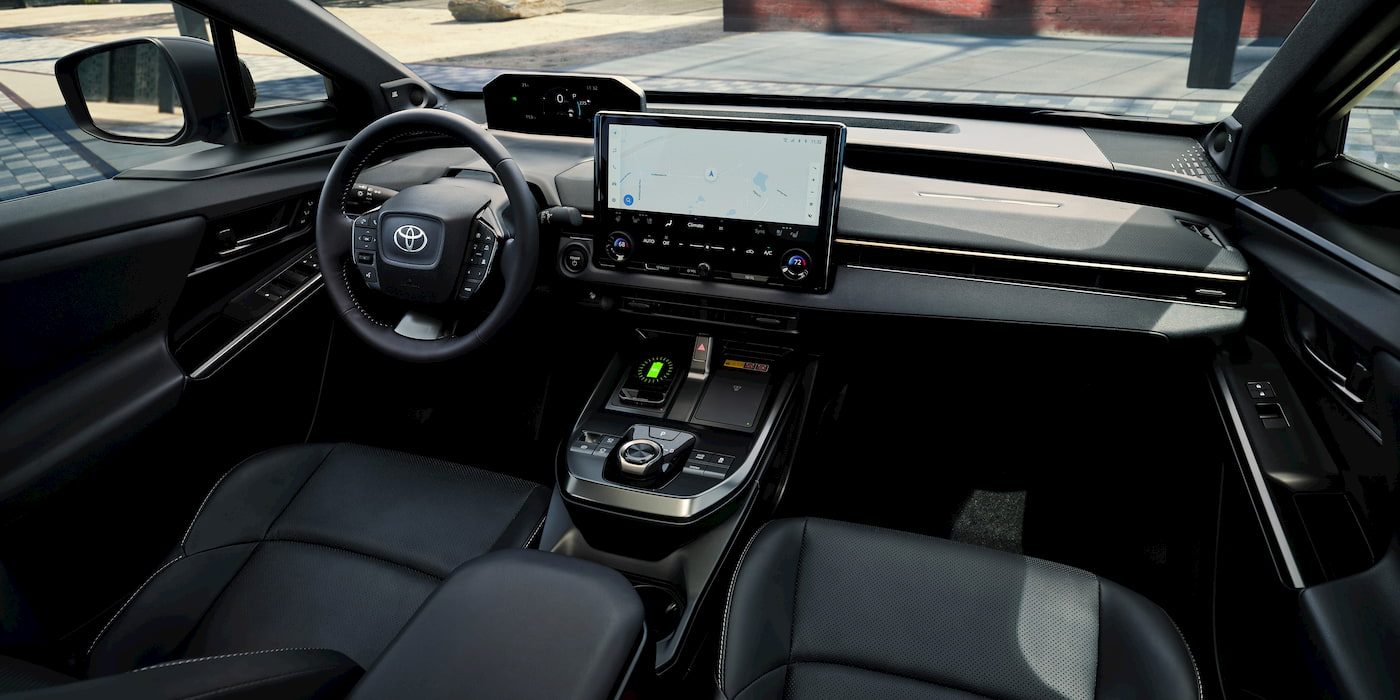
- Cabin Technology: Overhauling the interior with user-friendly layouts, such as the new 14-inch Toyota Audio Multimedia display screen featuring wireless Apple CarPlay and Android Auto integration.
Toyota’s broader US EV portfolio now spans three distinct price points and form factors to capture diverse demographics. The lineup includes the compact C-HR starting at an accessible $37,080, the core bZ starting at $34,980 for the base FWD model (offering 236 miles of range) and $37,980 for the FWD Plus model (offering up to 314 miles of range), and the rugged bZ Woodland variant starting at $45,380 for buyers seeking outdoor utility and all-wheel-drive capability.
Implications for the Future of the EV Market
The August 2026 sales figures carry profound implications for the trajectory of the American automotive industry over the remainder of the decade.
First, the convergence of EV and gas-car pricing—now narrowing to under $5,000—removes one of the single greatest psychological barriers to entry for everyday car buyers. When total cost of ownership (factoring in fuel savings and lower maintenance costs) is factored in, vehicles like the 2027 Toyota bZ are effectively achieving cost parity with traditional internal combustion crossovers like the RAV4.

Second, the market is demonstrating that brand loyalty and dealer network strength matter immensely as the EV space transitions out of its early-adopter phase. Legacy giants like Toyota, which possess expansive nationwide dealership networks, robust service infrastructure, and immense consumer trust, are uniquely positioned to capture mass-market consumers who were previously hesitant to purchase vehicles from EV-only startups or unfamiliar brands.
Finally, as automakers clear out remaining 2026 inventory to make room for updated 2027 iterations, consumers are finding unprecedented incentives and lease deals. This clearing of the inventory pipeline ensures that electric vehicles will continue to steadily gain market share through the final quarters of 2026, solidifying a permanent shift in how Americans commute, travel, and buy cars.
