

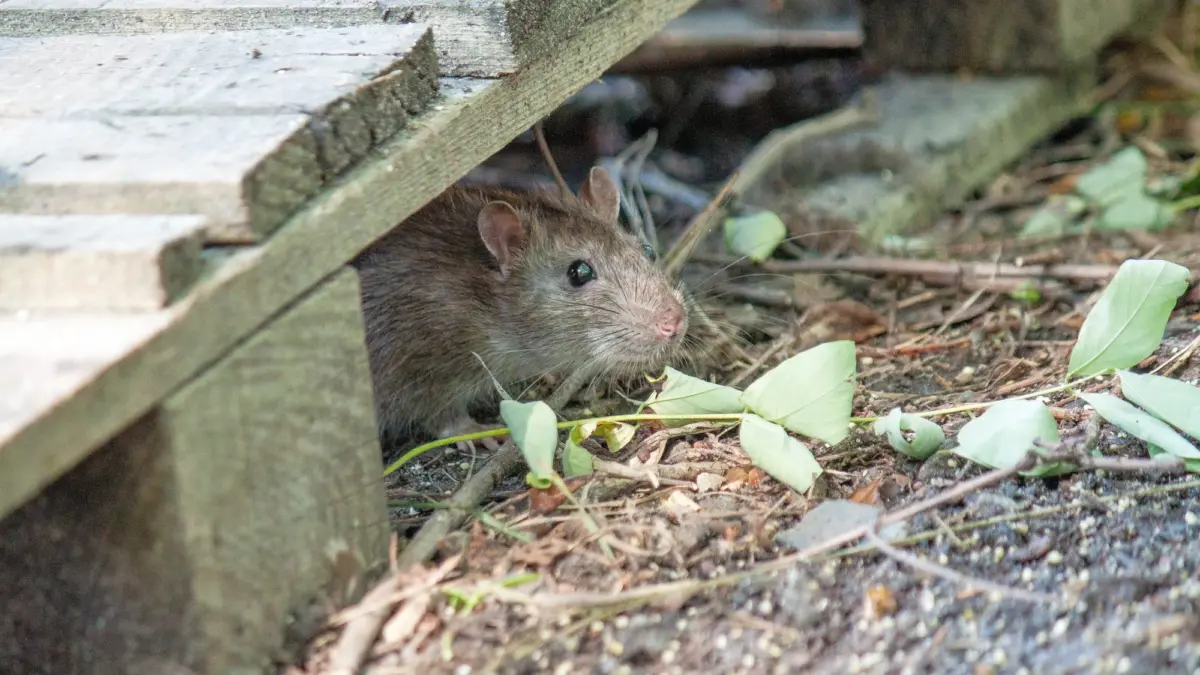
As the vibrant foliage of autumn gives way to the biting winds of late fall and winter, homeowners across the country face a hidden, relentless migration. While humans retreat indoors to cozy up by the hearth, millions of uninvited guests are desperately searching for the exact same comforts: warmth, shelter, and a steady supply of food.
According to comprehensive data from PestWorld.org, rodents aggressively invade an estimated 21 million American homes every single winter. Statistics show that roughly 24 percent of homeowners report acute mice infestations specifically during the coldest months of the year. Peak invasion season typically spans from October through February, driven by plunging temperatures that force pests out of their natural outdoor habitats and straight toward human structures.
Left unchecked, these intruders do far more than cause a fright. They chew through electrical wiring, destroying tools and equipment, compromise structural integrity, introduce severe health and sanitation risks, and degrade the safety and comfort of living spaces. Because nimble pests—particularly rats—can squeeze through gaps as small as a quarter, proactive fortification is non-negotiable.
To help homeowners navigate this seasonal battle, we consulted top-tier pest management experts for strategic, actionable insights on how to deter, block, and eliminate rodents and other critters around vulnerable exterior zones, such as firewood piles, deck skirting, and backyard sheds.
The Main Facts: Understanding the Winter Pest Surge
The transition from mild autumn days to freezing winter nights triggers a fundamental survival instinct in urban and rural wildlife alike. Mice, rats, raccoons, squirrels, and various insects require three basic resources to survive the winter: moisture, shelter, and caloric energy.
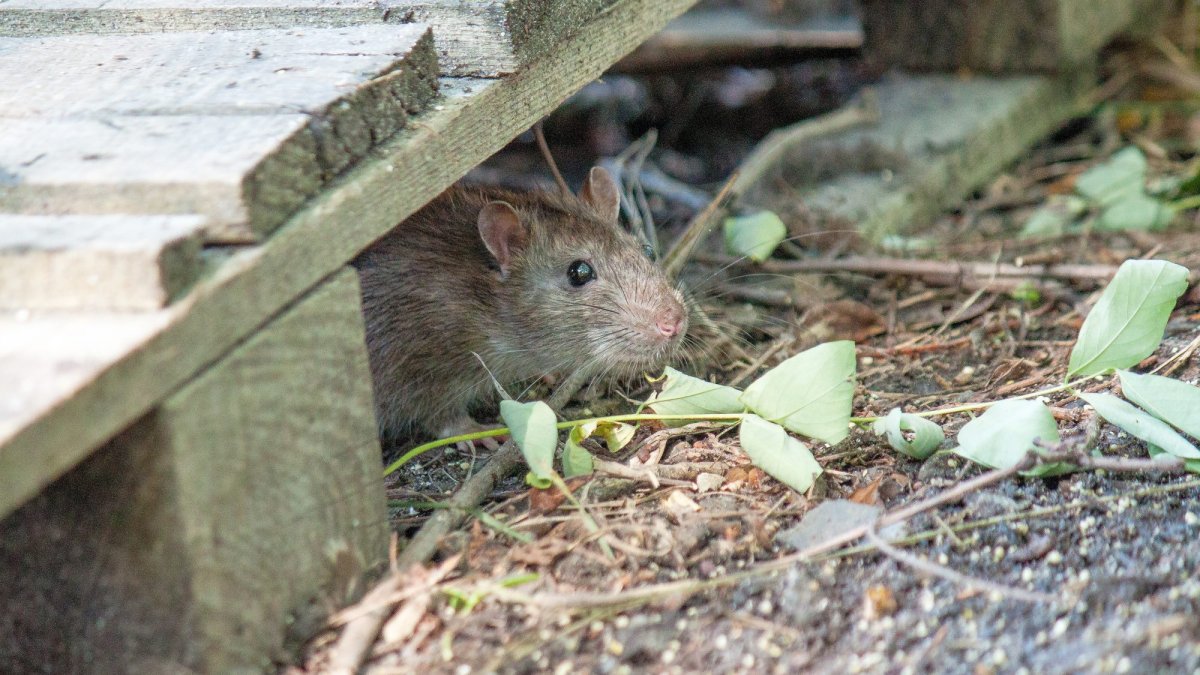
Exterior home features—such as elevated wooden decks, poorly sealed storage sheds, and stacked firewood—act as five-star resorts for these creatures. A deck offers a dark, subterranean cavity safe from wind and aerial predators. A shed provides a dry, undisturbed environment filled with cardboard boxes, insulation, and occasionally stored seed or pet food. Meanwhile, a pile of firewood stacked flush against an exterior wall serves as an elaborate, multi-story apartment complex for mice, spiders, and beetles, putting them just a hop, skip, and a jump away from your home’s foundation vents and siding.
Understanding this dynamic is the first step toward effective pest management. Securing your property requires a multi-layered defense strategy focused on habitat modification, structural exclusion, sanitation, and natural deterrence.
The Chronology: A Seasonal Timeline of Home Pest Invasion
To effectively combat pests, homeowners must understand the chronological progression of a seasonal infestation cycle. Anticipating when pests transition from foraging to nesting allows you to deploy defenses before damage occurs.
Late Summer to Early Fall (September – October): The Scout Phase
- Behavior: As night temperatures begin to drop, field mice, voles, and insects step up their foraging activity. They begin exploring the perimeter of human dwellings, testing out gaps in weather-stripping, evaluating crawl spaces, and scouting potential nesting sites.
- Action Required: This is the prime window for preventative maintenance. Homeowners should conduct a thorough exterior audit, seal entry points, trim overhanging tree branches, and adjust the positioning of outdoor storage items like firewood.
Mid-Autumn (October – November): The Migration and Infiltration Phase
- Behavior: With the arrival of the first hard frosts, mass migration occurs. Pests actively attempt to cross the threshold from the great outdoors into garages, crawl spaces, sheds, and wall voids. Food sources outdoors become scarce, driving rodents toward human garbage bins, bird feeders, and pet food left outside.
- Action Required: Install heavy-duty physical barriers (such as wire mesh skirting around decks), secure trash cans with locking, pest-proof lids, and immediately eliminate any outdoor pet feeding routines.
Deep Winter (December – February): The Nesting and Breeding Phase
- Behavior: Pests that have successfully breached your perimeter have now established nests. Rodents inside wall voids or outbuildings begin breeding, chewing continuously to wear down their rapidly growing incisors—frequently damaging electrical cables, plastic water pipes, and insulation in the process.
- Action Required: Deploy natural deterrents, monitor traps, maintain motion-activated lighting or sprinklers, and regularly inspect exterior perimeter defenses for any signs of chewing or breach.
Supporting Data and Expert Insights
To gain deeper professional perspective, we spoke with licensed pest control technicians and entomologists who deal with these seasonal migrations firsthand.
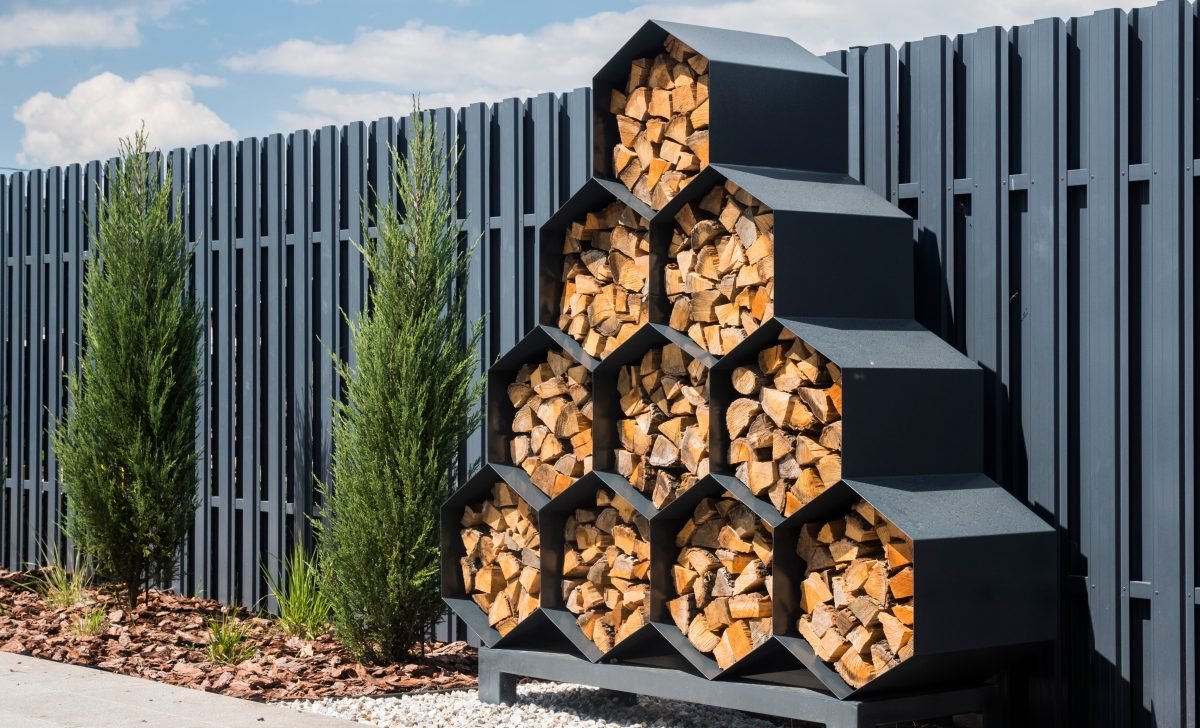
"Storing firewood up off the ground is an absolute fundamental step for keeping pests at bay," says Brandon Runyon, a board-certified entomologist at Swat Pest Management in Evansville, Indiana. Runyon strongly advocates for purchasing or building an elevated log rack. "Keep it off the ground and out of the rain," he advises. "Don’t keep it on the side of your house, either, since that creates a prime spot for insects, spiders, and critters to harbor and easily access your home." According to Runyon, wood piles should ideally be stationed at least 20 feet away from the main dwelling and covered securely with a weather-resistant tarp.
Sanitation is another critical vector often overlooked by property owners. Matt Smith, a licensed professional pest control technician and co-owner of Green Pest Management in Delaware, points out that human habits often inadvertently roll out the red carpet for wildlife.
"A big problem is when people leave their pets’ food out," Smith notes. When owners leave bowls of kibble on back porches or inside unsealed sheds, they provide an effortless, high-calorie meal for nocturnal scavengers. Smith suggests strictly rationing pet food portions to eliminate leftovers and storing all dry food in airtight, heavy-duty plastic or metal containers.
Step-by-Step Strategic Defenses
Protecting your property requires executing specific, targeted defense measures across your entire yard ecosystem.
1. Master Your Wood Pile Management
As highlighted by industry experts, firewood is a ticking time bomb if mismanaged. When logs rest directly on turf, moisture accumulates, creating an ideal breeding ground for termites, carpenter ants, and beetles. Mice and snakes subsequently move in to feed on those insects or use the micro-climate for hibernation. Always elevate your wood on a metal or concrete rack, keep it a minimum of 20 feet from the structure, and pull the tarp back during dry days to allow air circulation.
2. Seal Every Conceivable Entry Point
To effectively pest-proof outdoor structures like sheds and decks, you must cut off access to the spaces underneath.
- Inspect: Scrutinize walls, flooring, doors, foundation vents, and baseboards for gaps, cracks, or rot.
- Block: For small cracks and holes, use silicone caulk, expandable foam, or weather-stripping. For larger gaps and around utility pipe penetrations, stuff industrial-grade steel wool into the cavity before sealing—rodents cannot chew through wire wool.
- Skirt: Install perimeter barriers such as galvanized wire mesh screens, hardware cloth, or wooden lattice anchored slightly underground around elevated sheds and decks. Runyon emphasizes the golden rule of mesh selection: "The smaller, the better." Hardware cloth with a 1/4-inch mesh grid prevents mice, snakes, and large insects from sliding underneath.
3. Eliminate Food Sources and Secure Garbage
Pests have an incredible sense of smell, tracking down scraps from hundreds of yards away.
- Bring all pet food indoors overnight.
- Transfer birdseed and grass seed from paper bags into sealed, locking plastic storage bins inside your garage or shed.
- Upgrade your outdoor waste management. "Keep your trash cans covered so they don’t attract raccoons and other animals," Runyon advises. Invest in heavy-duty cans featuring locking, pest-proof lids that defy the dexterous paws of raccoons and opossums.
4. Deploy Natural Deterrents Strategically
Chemical solutions aren’t always necessary for routine deterrence. Property owners can leverage nature’s own repellant toolkit:
- Aromatics: Rodents and insects despise intense essential oils. Spraying peppermint, eucalyptus, or lavender oil around shed entryways can drive them away.
- Botanical Barriers: Plant natural pest-repelling flora—such as rosemary, garlic, lemongrass, chrysanthemums, and marigolds—around the perimeters of your deck and shed.
- Amphitheater Ambience: Light citronella torches or candles around your deck entertaining spaces during late-season gatherings to deter mosquitoes and flying insects.
- Kitchen Scraps: Sprinkle fresh coffee grounds or cinnamon around the base of outbuildings to naturally deter foraging ants and crawling insects.
5. Install Active Mechanical Deterrents
If passive barriers and sealing techniques aren’t enough to keep wandering wildlife at bay, upgrade to active technological deterrents. Runyon recommends installing motion-activated solar lights or motion-activated sprinklers around vulnerable zones. These systems deliver a sudden, harmless burst of light or water that startles nocturnal pests like deer, raccoons, stray cats, and foxes, training them to steer clear of your property line.

Implications for Modern Homeownership
Failing to implement a proactive winter pest-proofing strategy carries significant financial and emotional tolls for homeowners.
Economically, the cost of repairing chewed insulation, damaged subflooring, compromised roof timbers, and gnawed electrical harnesses can quickly run into the thousands of dollars—costs rarely covered by standard homeowner’s insurance policies. Furthermore, rodents are notorious vectors for dangerous pathogens, including Hantavirus, Salmonella, and Leptospirosis, presenting tangible health risks to human residents and domestic pets alike.
By taking a systemic approach—maintaining distance with firewood, sealing architectural gaps, locking down food and waste, and utilizing natural and mechanical deterrents—homeowners can safeguard their properties. Investing a few hours of labor during the crisp days of autumn ensures a safe, pest-free sanctuary throughout the long, cold winter months.
