


By Home & Property Maintenance Desk
Published: September 2026
Main Facts
Rain gutters are an essential, yet frequently neglected, component of a home’s exterior weather-proofing system. Positioned high above eye level, they operate invisibly until a catastrophic failure occurs—such as rainwater spilling dramatically over the side, a backed-up downspout, or a soggy basement foundation.
For the average residential property, professional or DIY gutter maintenance should be conducted once or twice a year. Spring and fall represent the prime windows for this chore, clearing out the remnants of winter storms and the heavy leaf drops of autumn. However, rigid schedules are less important than environmental reality: homes surrounded by dense canopies, persistent pine trees, or prone to violent windstorms require dynamic schedules tailored to localized conditions.
Neglecting this vital chore does more than cause minor aesthetic issues; it invites structural degradation, wood rot, pest infestations, and thousands of dollars in foundation repair costs.
Chronology: The Seasonal Maintenance Lifecycle
Understanding when and why gutters fail requires looking at the annual cycle of weather, foliage, and residential wear-and-tear.
Winter: The Silent Stress Test
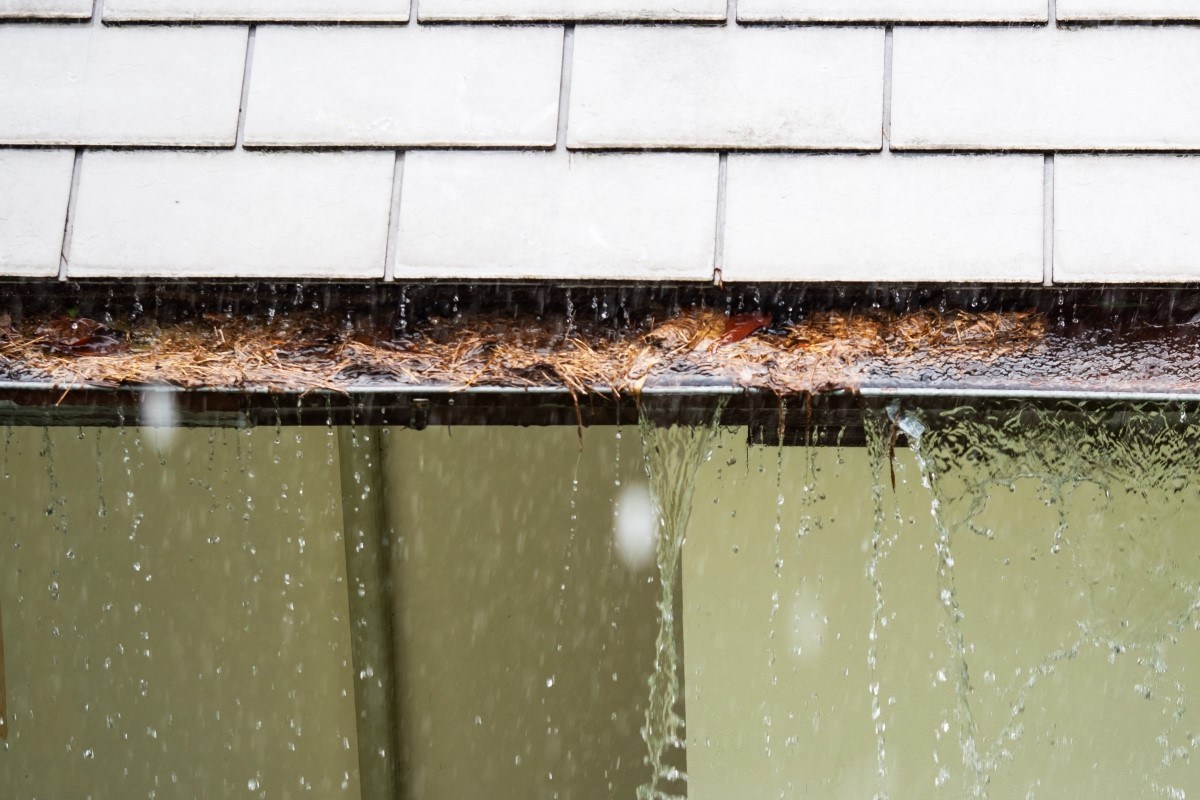
During the coldest months, neglected gutters fill with trapped autumn leaves, melting snow, and ice. As temperatures fluctuate, water repeatedly freezes and thaws inside the trough—a phenomenon known as an ice dam. This trapped ice expands, tearing gutters away from the fascia board, cracking seams, and forcing water underneath the roof shingles, which compromises the interior drywall and attic insulation.
Spring: The Recovery Phase
As the weather warms, spring brings heavy seasonal rains and blooming tree debris (such as seed pods, blossoms, and lingering twigs). A thorough spring cleaning removes the organic sludge left over from winter, clears blockages, and ensures that the drainage system is primed to handle torrential spring thunderstorms. This is also the ideal time to inspect the infrastructure for structural damage caused by heavy ice and snow loads.
Summer: Seed Pods and Minor Storms
While generally drier in many regions, summer brings heavy thunderstorms accompanied by high winds. Trees drop seeds, helicopters, and pollen clumps that bind together in the gutter troughs, creating a dense muck that traps standing water. Mosquitoes and other pests frequently breed in these stagnant summer pools.
Fall: The Critical Leaf Drop
Autumn is the high-stress season for gutter systems. Deciduous trees shed their leaves en masse. If left unattended, falling leaves mix with morning dew and autumn rains to form a thick, impermeable mat. Cleaning must be strategically timed: wait until the vast majority of local trees have dropped their leaves, but complete the job before freezing winter temperatures arrive.
Supporting Data & Environmental Factors
Not all homes are created equal when it comes to gutter accumulation. Real estate and construction metrics indicate that environmental surroundings dictate maintenance frequency far more than a standard calendar.

Tree Proximity and Types
- Deciduous Hardwoods (Oaks, Maples, Elms): These trees drop large, broad leaves that quickly blanket a roof and fill gutters. While voluminous, they are relatively easy to scoop out if addressed before they rot.
- Conifers and Pines: Pine needles pose a unique challenge. Their narrow, needle-like shape allows them to slip past simple barriers, weave tightly together, and pack down into dense plugs inside downspouts. Properties shaded by pine trees often require quarterly—rather than biannual—maintenance.
Geographic and Weather Realities
- High-Wind and Storm-Prone Zones: Properties located in coastal regions or areas prone to severe windstorms accumulate wind-blown debris (twigs, shingles grit, and branches) rapidly.
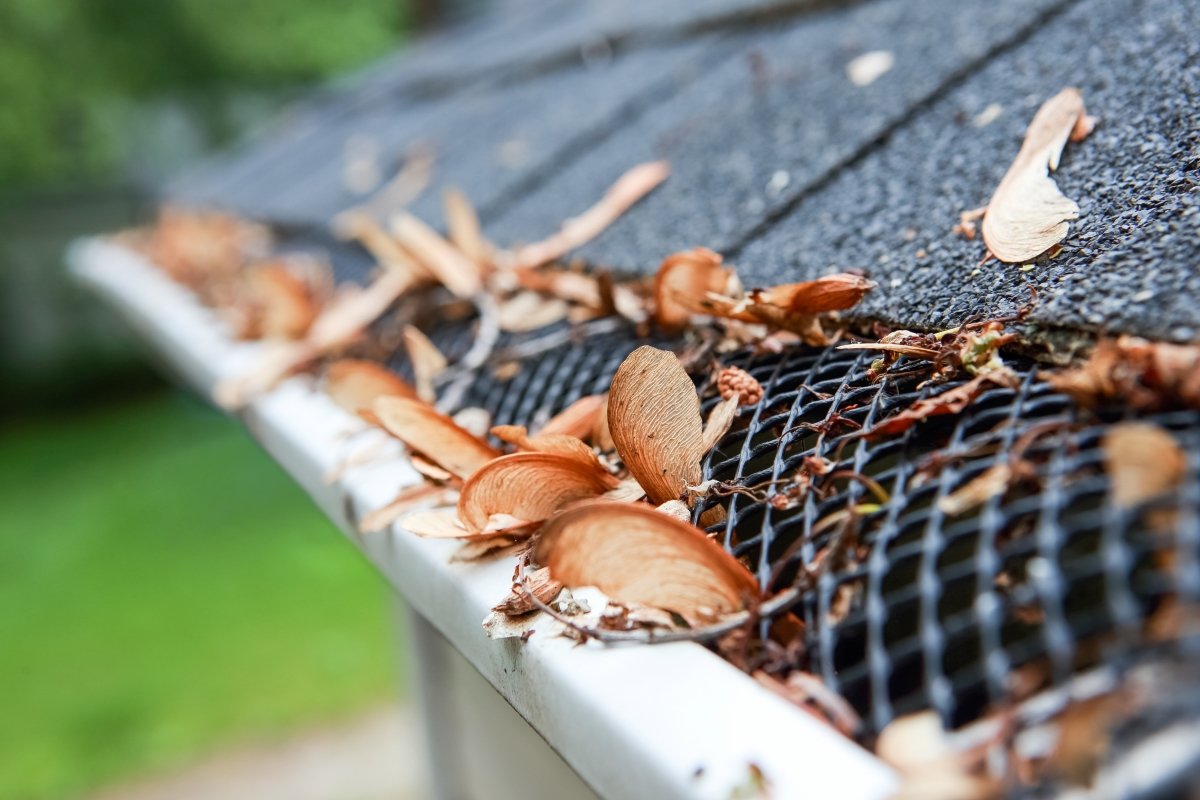
- The Gutter Guard Illusion: While many homeowners invest in gutter guards to minimize manual labor, data shows they are not a silver bullet. While guards successfully deflect large leaves, fine silt, pine needles, and seeds can still slip through or accumulate on top of the mesh, necessitating periodic inspection and surface cleaning.
Official Recommendations and Expert Insights
Leading home improvement authorities, structural engineers, and property inspectors agree that reactive maintenance is a costly gamble.
According to general construction guidelines, the primary function of a rain gutter is singular: to collect rainwater from the roof surface and divert it safely away from the home’s structural footprint. When that path is obstructed, the system fails structurally and functionally.
Expert-Backed Warning Signs: How to Tell Your Gutters Need Cleaning
Property inspectors emphasize that homeowners should not wait for a calendar reminder if visual or physical indicators suggest a blockage. The primary red flags include:
- Water Overflowing During a Downpour: If water cascades over the front or back edge of the aluminum or vinyl trough rather than funneling into the downspout, a clog is imminent.
- Silent Downspouts: During a steady rain, downspouts should emit a steady stream of water directed away from the foundation. A dry or trickling downspout indicates an internal blockage at the elbow or drop outlet.
- Visible Debris and Plant Life: If leaves, twigs, or sticks are visible from ground level, maintenance is overdue. The presence of actual green sprouts or small plants growing out of the gutter indicates that organic debris has decomposed into fertile soil over several months.
- Sagging or Detached Gutters: Wet leaves and standing water carry immense weight. A single linear foot of wet organic debris can weigh several pounds, quickly overstressing gutter hangers and causing the trough to sag or pull away from the fascia.
- Pooling Water and Foundation Erosion: Water pooling directly against the foundation, eroded landscape mulch beneath the drip edge, or unsightly water stains running down the exterior siding are classic symptoms of misdirected roof runoff.
Implications: What Happens When You Ignore Your Gutters?
Failing to maintain a clean gutter system triggers a domino effect of property damage that can escalate from a minor annoyance to a multi-thousand-dollar structural crisis.
1. Foundation Damage and Basements
When water overflows a clogged gutter, it drops straight down next to the foundation. Over time, hydrostatic pressure builds up against basement walls, leading to severe cracking, shifting, bowing, and chronic water infiltration in the basement or crawlspace.
2. Rotting Fascia Boards and Soffits
Water trapped against the wooden fascia and soffit boards—the architectural elements to which gutters are bolted—causes the wood to rot and soften. Once rotted, these boards can no longer support the weight of the gutters, causing entire sections to collapse.
3. Landscape Destruction
The torrent of water plunging off an overflowing roofline tears away topsoil, washes out expensive flower beds, erodes newly laid mulch, and can drown delicate plants surrounding the home’s perimeter.
4. Pests and Mosquitos
Stagnant water mixed with rotting organic matter creates an ideal breeding ground for mosquitoes, gnats, and flies. Furthermore, damp, rotting wood in clogged gutters attracts carpenter ants, termites, rodents, and birds looking for nesting material.
5. Mold and Mildew Growth
Excess moisture splashing against siding or leaking into interior walls creates prime conditions for toxic mold and mildew to flourish, posing potential health hazards for residents and damaging interior finishes.
Best Practices for Safe Gutter Cleaning
For homeowners comfortable with DIY property maintenance, clearing gutters is a manageable task, provided strict safety protocols are followed.

- Prioritize Ladder Safety: Always place an extension ladder on firm, level ground. Secure the top of the ladder and maintain three points of contact. Never lean too far to one side; reposition the ladder frequently.
- Use the Right Tools: Invest in a sturdy scoop that matches the profile of your gutters (aluminum or plastic to avoid scratching the metal coating). A high-pressure garden nozzle can be used to flush out remaining silt and test downspout drainage.
- Wear Protective Gear: Heavy-duty work gloves are mandatory to protect hands from sharp metal edges, hidden glass, thorns, and stinging insects. Safety glasses protect against splashing debris and dirty water.
- Know Your Limits: If your home is two or more stories high, features a complex or steep roofline, or if you experience vertigo or physical limitations, hire a professional service. The cost of professional gutter cleaning is negligible compared to the medical bills associated with a ladder fall.
By staying proactive, recognizing the subtle warning signs of blockage, and committing to a biannual maintenance routine, homeowners can protect their investment, preserve their home’s curb appeal, and avoid devastating structural repairs.
