

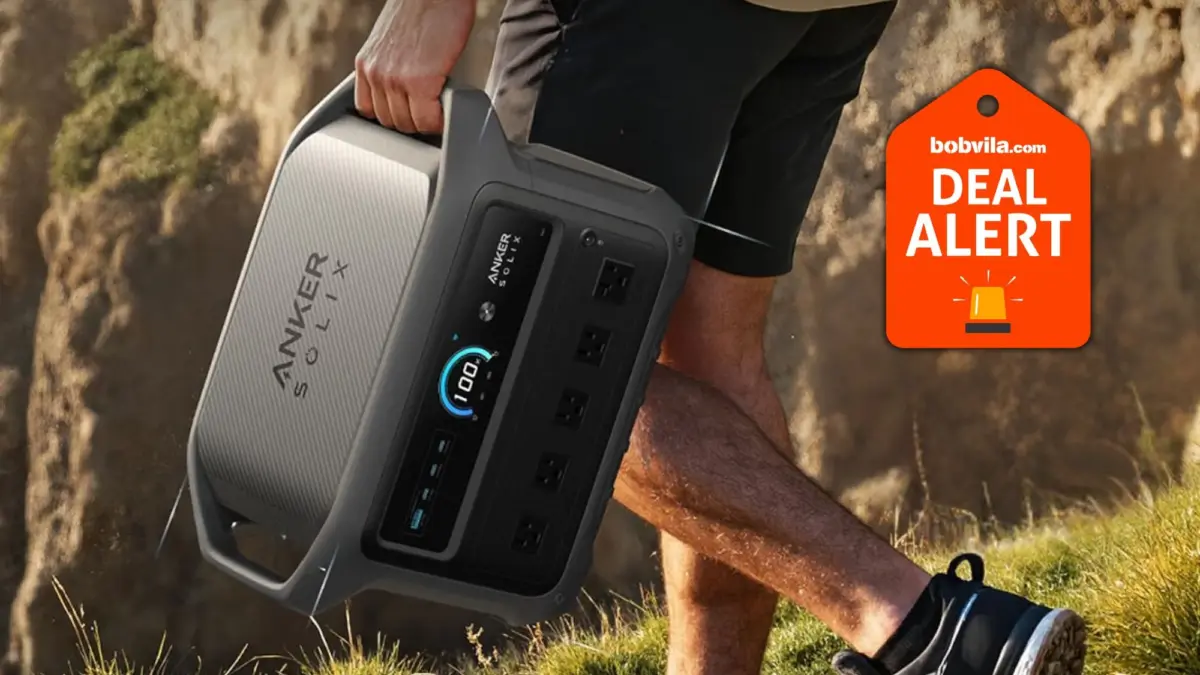
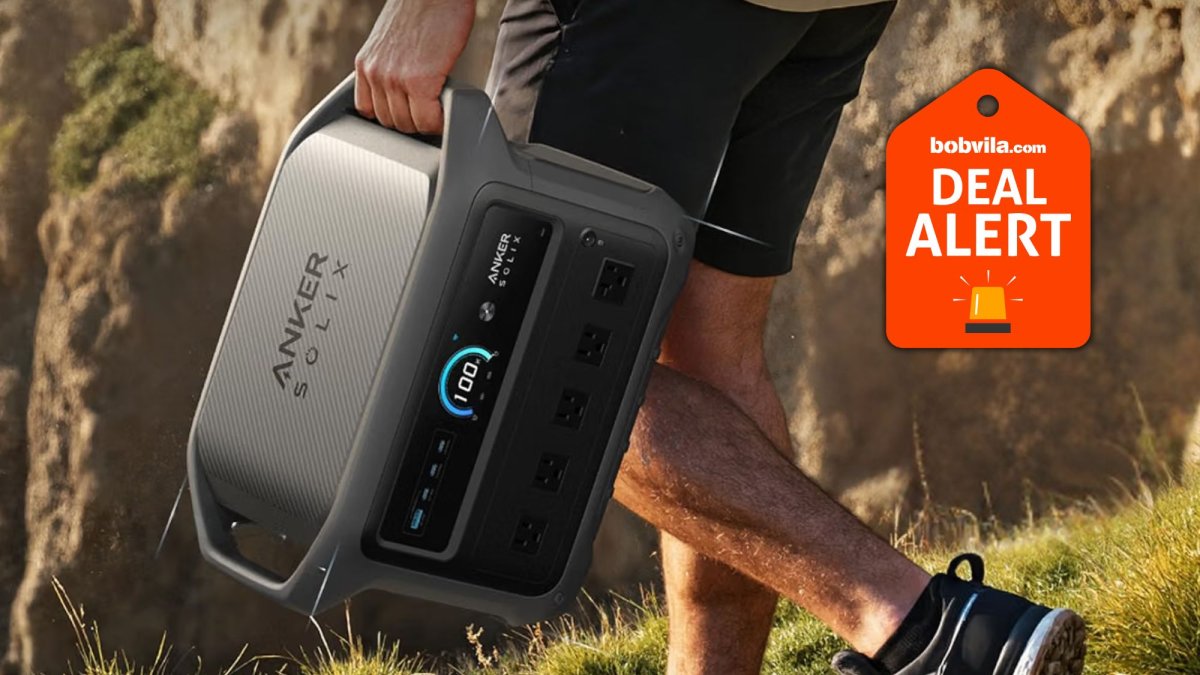
SEOUL / NEW YORK — With the remnants of active hurricane seasons still disrupting coastal power grids and the unpredictable threat of winter storms looming on the horizon, reliable emergency preparedness has transitioned from a seasonal afterthought to a year-round household necessity. In response to growing consumer demand for grid independence, retail giant Amazon has launched a massive clearance event, slashing prices on high-end portable power stations by as much as 57%.
The sweeping markdowns feature top-tier industry brands, including Anker, Bluetti, Jackery, EcoFlow, and DJI. Ranging from ultra-portable lithium-ion bricks designed for weekend camping trips to heavy-duty, solar-integrated multi-kilowatt-hour systems capable of running essential home appliances during extended outages, these steep discounts offer a timely lifeline for homeowners looking to bolster their emergency kits without breaking the bank.
Main Facts: What You Need to Know About the Amazon Power Station Sale
The current wave of Amazon markdowns targets a diverse spectrum of power storage solutions. At the forefront of the sale is a staggering price drop on the GRECELL 500W Portable Power Station, which has been marked down to $179.97 from its original $419.99 price tag—a 57% savings. This unit packs a 519Wh capacity, making it an ideal mid-tier option for keeping smartphones, laptops, medical devices, and lights running when traditional wall outlets go dark.
For budget-conscious shoppers or those needing hyper-portable solutions, the sale also highlights the BLUETTI Elite 10 Mini Portable Power Station, discounted to just $119 (down from $199). At the other end of the performance spectrum, heavy-duty solar bundles—such as the Jackery Generator 1000 v2 paired with a 200W solar panel—provide robust, off-grid energy ecosystems that combine high-capacity lithium iron phosphate (LiFePO4) batteries with renewable recharging capabilities.
Key Highlights of the Sale:
- Deepest Discount: GRECELL 500W (519Wh) for $179.97 (57% off).
- Lowest Entry Price: BLUETTI Elite 10 Mini (128Wh) for $119.
- Best Solar Bundle: Jackery Generator 1000 v2 (1,070Wh, 1,500W output) + 200W Solar Panel.
- Featured Brands: Anker, Bluetti, Jackery, EcoFlow, DJI, and GRECELL.
Chronology: The Evolution of Emergency Backup Power
To understand why these clearance sales generate massive consumer interest, it helps to examine how the consumer portable power market has evolved over the past decade.
Phase 1: The Gas-Powered Era (Pre-2015)
For generations, residential emergency preparedness relied almost exclusively on fossil-fuel-powered generators. While effective at producing massive amounts of electricity, these traditional generators came with severe drawbacks: they were loud, heavy, required the storage of volatile gasoline, emitted dangerous carbon monoxide, and could not be safely operated indoors or in enclosed spaces like apartment balconies.
Phase 2: The Lithium-Ion Revolution (2015–2020)
The advent of high-density lithium-ion battery technology revolutionized the consumer energy market. Brands like Jackery and EcoFlow pioneered the "solar generator"—essentially massive, quiet, clean battery banks equipped with standard AC outlets and DC ports. These units could be charged via wall outlets, car chargers, or portable solar panels, eliminating the fumes, noise, and maintenance headaches of gas motors.
Phase 3: Mainstream Adoption and Grid Resiliency (2020–Present)
Recent years have seen unprecedented stress on national power grids due to extreme weather events, ranging from the Texas winter freeze of 2021 to increasingly erratic hurricane seasons along the Gulf and Atlantic coasts. Concurrently, advancements in Lithium Iron Phosphate (LiFePO4) chemistry have dramatically increased battery lifespans—often exceeding 3,000 charge cycles—while dropping manufacturing costs. Today’s clearance events reflect a mature, highly competitive market where high-capacity backup power is more accessible than ever.
Supporting Data: Analyzing the Market and Battery Specifications
When evaluating portable power stations, industry experts look closely at two core metrics: watt-hours (Wh), which measure total energy storage capacity, and watts (W), which measure power output capacity at any given moment.
Performance Tier Breakdown
| Model | Capacity (Wh) | Output (W) | Sale Price | Best Suited For |
|---|---|---|---|---|
| BLUETTI Elite 10 Mini | 128Wh | 200W | $119 | Phones, tablets, LED lights, drone batteries |
| GRECELL 500W | 519Wh | 500W | $179.97 | Laptops, CPAP machines, small refrigerators, routers |
| Jackery Generator 1000 v2 | 1,070Wh | 1,500W | Varies (Bundle) | Full-size refrigerators, medical devices, power tools, off-grid living |
The Rise of Solar Integration
A prominent trend in the current Amazon sale is the proliferation of solar-bundled packages. Traditional generators become useless once stored fuel runs out. In contrast, power stations paired with monocrystalline solar panels offer sustainable, self-sustaining energy loops. For instance, the Jackery 1000 v2 bundle allows users to harness sunlight to replenish the internal battery during multi-day grid failures, bridging the gap between temporary emergency convenience and true long-term energy resilience.
Official Responses and Industry Perspectives
Retail analysts and emergency management experts have weighed in on the surge in consumer spending surrounding backup power technology.
"We are witnessing a fundamental shift in how everyday households view energy security," notes Marcus Vance, a consumer electronics market analyst. "Power outages are no longer rare anomalies confined to remote rural areas; they are frequent, widespread disruptions affecting urban and suburban centers alike. Consumers are voting with their wallets, moving away from noisy gas generators toward silent, clean, indoor-safe battery systems."
Manufacturers have echoed this sentiment, emphasizing that modern power stations are engineered for seamless daily utility rather than sitting dormant in a garage until a storm hits.
Anker representatives highlighted that features such as fast-charging technology—capable of taking a mid-sized station from 0% to 80% in under an hour via standard AC wall power—make these units practical for regular use, whether tailgating, working remotely outdoors, or road-tripping. Furthermore, safety certifications and advanced Battery Management Systems (BMS) have alleviated consumer anxieties regarding thermal runaway and overcharging.
Implications: What This Means for Consumers and the Energy Market
The aggressive discounting of portable power stations has wide-ranging implications for consumers, utility infrastructure, and the broader renewable energy sector.
1. Democratization of Emergency Preparedness
Historically, robust emergency power setups required an investment of well over $1,000, placing them out of reach for many lower- and middle-income households. With entry-level stations dropping to roughly $110–$180, vital emergency preparedness—such as keeping medical equipment running during a blackout or maintaining communication channels via charged mobile devices—is becoming universally accessible.
2. Shifting Consumer Expectations Toward Clean Energy
As millions of households adopt lithium-based power stations and accompanying solar panels, public familiarity with distributed renewable energy grows. Consumers who experience the convenience and silence of solar-charged battery systems during an emergency are increasingly likely to explore permanent residential solar and home battery installations (such as Tesla Powerwalls or similar systems), accelerating the broader transition away from fossil-fueled grid dependency.
3. Preparation for an Unpredictable Climate Future
With meteorological agencies predicting continued volatility in weather patterns, reliance on centralized power grids will remain a vulnerability. Portable power stations do not solve structural grid fragility, but they serve as an essential localized buffer. By capitalizing on Amazon’s clearance pricing, savvy consumers are effectively purchasing peace of mind, ensuring that when the next major storm strikes, their lights—and their lives—won’t automatically go dark.
