

By Staff Technology Correspondent
Published: Industry Insights & Analysis
Main Facts
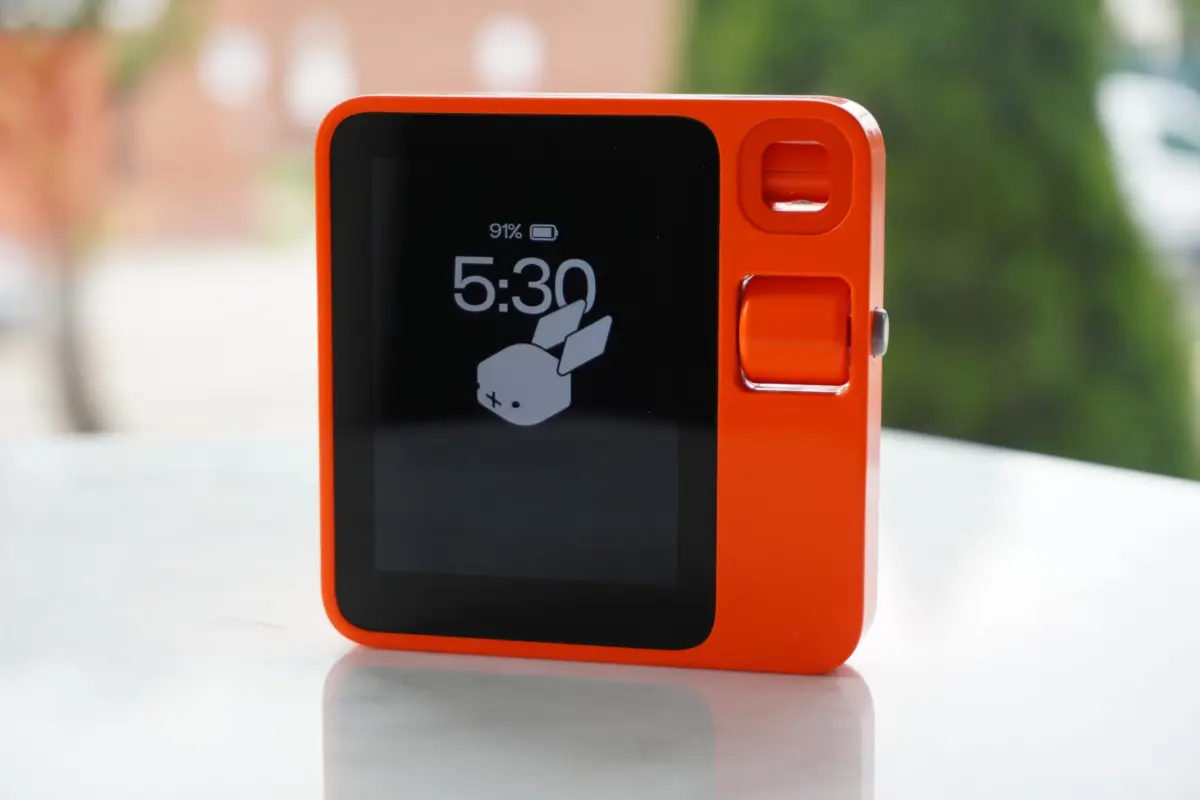
Following a tumultuous market debut with its heavily scrutinized standalone hardware device, the R1, artificial intelligence startup Rabbit is pivoting aggressively toward software. The company has officially unveiled OS3, an "agentic operating system" designed to operate independently of dedicated proprietary hardware.
Rather than requiring users to carry a specialized orange gadget in their pockets, OS3 functions as a cloud-hosted, cross-platform AI agent capable of executing complex workflows natively across major desktop environments, including Windows, macOS, and Linux.
According to official product disclosures and subsequent industry reports, OS3 introduces several core capabilities:
- Multi-Device Syncing: Users can link up to five distinct machines to a single account, enabling seamless task execution across a personal computer ecosystem.
- Bring Your Own Model (BYOM): The operating system allows users to plug in and leverage their preferred third-party AI models rather than being locked into a single proprietary backend.
- Intelligent Routing: OS3 is engineered to automatically assess a given prompt and dynamically select the appropriate files, local applications, and connected AI models required to complete the task efficiently.
- Omnipresent Access: Beyond desktop clients, OS3 can be invoked through a dedicated web portal (
os3.rabbit.tech), native messaging platforms such as Telegram and iMessage, and legacy Rabbit hardware like the R1.
Despite this software-first pivot, Rabbit’s leadership insists the company is not abandoning hardware entirely. Founder and CEO Jesse Lyu revealed that while manufacturing of the original R1 has ceased, the startup is developing a new, niche "cyberdeck" device tailored for "vibe-coding" and optimized for the OS3 environment. The new hardware is slated for a commercial launch within the coming months.
Chronology of the Rabbit Ecosystem
To understand Rabbit’s radical shift toward a hardware-agnostic agentic operating system, it is necessary to examine the rapid timeline that brought the startup from a hyped consumer electronics launch to a sudden software-centric restructuring.
Early 2024: The Grand Debut of the Rabbit R1
Rabbit burst onto the consumer technology scene in early 2024, generating massive industry buzz at CES with the announcement of the Rabbit R1. Billed as a revolutionary "Large Action Model" (LAM) pocket companion designed to bypass traditional smartphone app interfaces, the device promised to handle complex, multi-step digital tasks—such as booking rides, ordering food, and organizing itineraries—via natural voice commands.
Spring 2024: Review Disillusionment and Technical Growing Pains
By May 2024, the R1 hit consumers’ hands, only to be met with a wave of underwhelming reviews. Critics and early adopters pointed out that the device’s primary functions could easily be replicated by standard smartphone apps or free AI chat interfaces. Reviewers frequently cited sluggish response times, limited functionality, and a lack of practical utility that justified carrying a secondary standalone gadget.
Late 2024 to Early 2025: Incremental Updates and Strategic Realignment
Recognizing the limitations of a dedicated hardware-only business model in a market dominated by Apple, Google, and Samsung, Rabbit’s engineering teams began shifting their focus toward backend flexibility. The startup experimented with software updates to the R1, attempting to inject broader agentic capabilities into its operating system while quietly realizing that consumers were reluctant to purchase single-purpose AI hardware.
Mid 2025: The Birth of "Vibe-Coding" Hardware Teases
As the limitations of the R1 became insurmountable, Rabbit began conceptualizing its next hardware iteration—not as a general consumer pocket assistant, but as a specialized developer and enthusiast tool. Reports surfaced regarding a "cyberdeck" concept focused on creative programming workflows.
Today: The OS3 Universal Release
Rabbit has officially retired the production line of the R1 and launched OS3 as a universal, cross-device operating system. By decoupling its agentic software from proprietary hardware, Rabbit has transformed itself from a struggling gadget maker into an ambitious software-as-a-service (SaaS) and agentic AI platform contender.
Supporting Data and Technical Architecture
The transition from the R1 hardware to the OS3 software platform represents a fundamental architectural redesign. Where the R1 relied on a custom MediaTek processor and specialized physical scroll wheels, OS3 relies on a distributed computing model that bridges local device environments with cloud-based intelligence.

Multi-Device and Platform Distribution
OS3’s infrastructure is designed to break down silos between operating systems. By bridging Windows, macOS, and Linux, the system addresses a major pain point in modern productivity: fragmentation.
| Feature / Metric | Rabbit R1 (Legacy) | OS3 Ecosystem (Current) |
|---|---|---|
| Form Factor | Standalone physical pocket device | Cloud-hosted agent with local desktop integration |
| Supported OS | Rabbit OS (Custom AOSP-based) | Windows, macOS, Linux, Web, iOS (via iMessage), Telegram |
| Model Integration | Proprietary Large Action Model (LAM) | Bring-Your-Own-Model (BYOM) framework |
| Device Linking | 1:1 hardware relationship | Up to 5 devices per user account |
| Hardware Status | Manufacturing officially ceased | Transitioning to upcoming "cyberdeck" hardware |
The Mechanics of "Agentic" Routing
OS3 differentiates itself from basic chatbot wrappers by operating as an active coordinator. When a user issues a command—whether via desktop interface, text message, or web browser—the system performs a multi-step evaluation:
- Intent Parsing: Analyzes the prompt to determine the ultimate goal.
- Resource Identification: Scans the linked local environment (up to five registered Windows, Mac, or Linux machines) to locate necessary files, documents, or installed software.
- Model Selection: Routes specific sub-tasks to the optimal AI model chosen by the user, balancing cost, speed, and reasoning capability.
- Execution: Performs the actions locally or in the cloud, reporting back completion status through the user’s preferred communication medium.
Official Responses and Privacy Considerations
The pivot to a software-centric model has naturally drawn scrutiny regarding data privacy, user security, and corporate transparency. Given that agentic AI systems require deep access to local files, application states, and personal communications, Rabbit has issued detailed clarifications regarding its data governance policies.
Company Statements on Data Handling
In official release documentation and interviews with tech journalists, Rabbit leadership has emphasized a strict privacy boundary for OS3. The company has explicitly stated that OS3 will not store, copy, use, or sell user data processed during local desktop operations.
However, the policy contains nuanced caveats that privacy advocates are likely to scrutinize:
- Chat Histories and Memories: Rabbit confirmed that conversational logs and generated "memories" resulting from interactions with the AI will be stored on the company’s cloud servers to maintain continuity across sessions.
- Third-Party Model Policies: Because OS3 operates on a "Bring Your Own Model" architecture, any external AI models linked by the user to the platform will process data under their respective, independent privacy policies. Users utilizing third-party large language models via OS3 must defer to the data retention terms of those specific providers.
CEO Perspective on the Hardware Pivot
Addressing the discontinuation of the R1, CEO Jesse Lyu framed the move not as a retreat, but as a strategic evolution. In statements provided to industry media, Lyu noted that consumer appetite for dedicated single-purpose AI hardware remains immature, whereas the demand for fluid, cross-platform productivity automation is skyrocketing. By moving OS3 to desktop and messaging environments, Rabbit is acknowledging that users prefer to interact with advanced AI agents where they already spend their working hours: inside their operating systems and messaging apps.
Implications for the AI Industry and Consumers
Rabbit’s transition from a hardware underdog to a cross-platform software provider carries significant implications for the broader consumer technology and artificial intelligence landscapes.
1. The Death (and Rebirth) of Single-Purpose AI Gadgets
The humbling trajectory of the Rabbit R1—mirrored by similar struggles faced by devices like the Humane AI Pin—sent a clear message to the tech sector: consumers will not pay premium prices for standalone hardware that performs tasks less efficiently than a standard smartphone. Rabbit’s pivot to OS3 suggests a growing industry consensus that ambient software agents embedded into existing workflows are vastly superior to dedicated hardware form factors.
2. The Rise of the "Bring Your Own Model" Era
By allowing users to integrate their preferred AI models into OS3, Rabbit is tapping into a growing consumer desire for modularity. As foundation models proliferate—ranging from OpenAI and Anthropic offerings to open-source local models—users increasingly resist being locked into proprietary walled gardens. OS3’s agnostic approach could serve as a blueprint for future productivity tools.
3. Security and Enterprise Concerns
While the promise of an agentic operating system that manages files and executes tasks across five different computers is undeniably alluring, it also introduces unprecedented security vulnerabilities. Granting an AI agent autonomous read-and-write access across Windows, Mac, and Linux environments elevates the stakes for potential security breaches or prompt-injection exploits. Enterprises and security-conscious consumers will require rigorous auditing before adopting multi-device agentic platforms on a widespread scale.
Outlook
Rabbit’s survival now hinges on its ability to execute cleanly on the software front. By shedding the heavy financial and logistical burdens of mass-producing consumer electronics, the startup has positioned itself to compete directly in the fiercely contested agentic AI space. Whether OS3 can overcome the skepticism generated by the R1 era will depend entirely on its real-world reliability, security posture, and ability to deliver genuine, frictionless productivity gains to everyday users.
